
Technologies
Bluetooth 6.0: What You Need to Know About the Future of Wireless Headphones
Bluetooth got a major upgrade, and it’s already showing up in phones and headphones. Here’s what to expect and what we’re still waiting for.
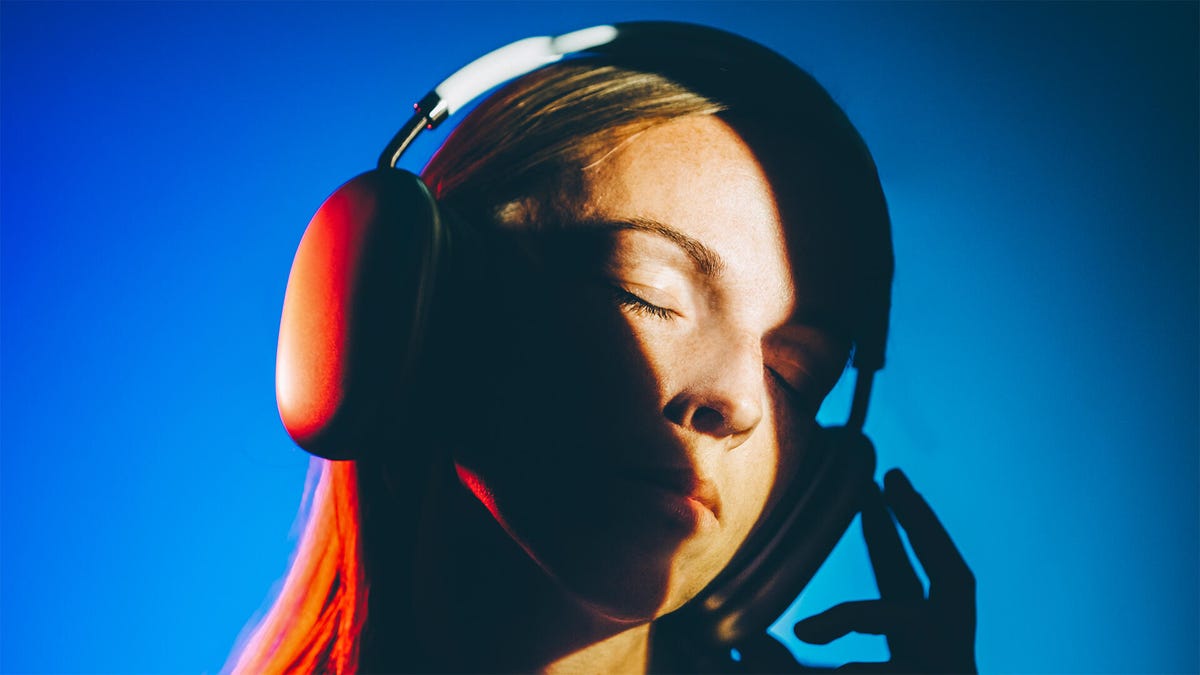
The Bluetooth Special Interest Group announced version 6.0 of the near-ubiquitous wireless technology in Sept. 2024, adding some major new features that aim to improve Bluetooth’s reliability, security, smoothness and efficiency. It might even get you a greater range between your headphones and phone, as well as longer battery life.
We’re finally seeing devices arrive with Bluetooth 6.0, including phones from Apple and Google, as well as headphones and earbuds. Here’s what you need to know about Bluetooth 6.0 and how it will affect wireless connectivity for years to come.
Main improvements of Bluetooth 6.0
Latency
Latency is the time between an audio signal being sent and when you actually hear it. The higher the latency, the more annoying it can be — think of when the sound lags behind the video in movies or games. Most Bluetooth (5.0 and newer) devices have latency somewhere between 50 to 100 milliseconds, depending on gear and configuration, which is noticeable to most people.
Bluetooth 6.0’s new isochronous adaptive layer, or ISOAL, allows devices to break up audio data into smaller chunks for quicker processing. In theory, this has the potential to reduce latency, and it’s possible that we might see latency under 10 milliseconds under ideal conditions, such as close range, no obstacles and no interference.
We expect that under real-world conditions, the majority of setups will operate at a latency of around 20 milliseconds, which would still represent a significant improvement over Bluetooth 5.x.
Location tracking and security
One of the new spec’s most buzzworthy features is called Channel Sounding, which provides a significant improvement in the accuracy of device location tracking. It relies on a back-and-forth exchange of data packets between connected devices and a combination of time stamps and frequency analysis, rather than the old, less accurate method of just measuring relative signal strength.
Channel Sounding is a boon for Apple’s Find My and its Google and Samsung equivalents, offering location accuracy down to approximately 10 centimeters, along with improved resistance to obstacles and interference. It also enables enhanced security for Bluetooth lock systems using a combination of encryption, randomization and location cross-referencing to ensure some random person isn’t unlocking your car or front door.
Power efficiency and pairing speed
The same features that reduce latency also help with power efficiency: Everything behaves intelligently to use more power for keeping audio and video in sync for things like gaming, and less power for less intensive applications like audiobooks. This flexibility is especially crucial for wireless earbuds, which require the most effective power management due to their compact size.
The process of scanning for nearby Bluetooth devices is also being upgraded, with decision-based advertiser filtering and monitoring. Advertising in this case doesn’t refer to selling you products. Basically, it’s a set of headphones broadcasting, «I’m a headset, and I’m nearby and ready to connect.»
Instead of constantly shouting, «Is anyone there?!» to see if there’s anything nearby to connect to, Bluetooth 6.0 devices will keep track when previously paired devices go in and out of range. This should save precious battery life, make pairing quicker and provide smoother multipoint switching.
What Bluetooth 6.0 doesn’t do
Improved Bluetooth sound quality (maybe)
Were you waiting for reliable, wireless lossless audio transmission from your phone to your headphones? Still not there yet.
Astute readers who note that CD-quality lossless audio transmission requires 1.4Mbps of throughput speed may wonder why Bluetooth 6.0’s theoretical 3Mbps isn’t enough. It’s because much of Bluetooth’s bandwidth is taken up by overhead — a bunch of ancillary data that’s required for secure Bluetooth connections that has nothing to do with audio. While there are some codecs that promise high-quality wireless audio, lossless CD-quality audio remains elusive.
Bluetooth 6.0 does bring the optional long-discussed LC3plus codec, which can transmit up to 24-bit and 96kHz audio. However, unlike «regular» LC3, this is an optional codec that has a separate licensing fee. That means there will be limited adoption compared to the more popular codecs. Remember, both your device and headphones must be compatible with LC3plus for it to work. How well it works and whether it can reliably transmit 24/96 in the real world remain to be seen.
A future incremental revision of Bluetooth 6.0 promises to add a high-data-throughput feature that will open up usable bandwidth for lossless streaming, potentially by using other frequency bands besides the crowded 2.4GHz band, to achieve speeds of up to 7.5Mbps. That should provide enough headroom to enable high-res audio streams, though it’s unclear if manufacturers will adopt the right codecs for lossless Bluetooth audio via headphones. Given past and current adoption rates for different Bluetooth codecs, it is unlikely to be Apple, and this technology will instead first find its way into lesser-known Android phones.
Where to find Bluetooth 6.0 right now
If you want to get a head start on Bluetooth 6.0 compatibility, there are a handful of devices already shipping (though not all of these are available in the US).
- Google Pixel 10
- iPhone 17
- Sony Xperia 1 VII
- Xiaomi 16
- Edifier Doo Ace 2 headphones
- Earfun Air Pro 4 Plus true wireless earbuds
Technologies
The $135M Google Data Settlement Site Is Live — See If You’re Eligible
Use the settlement website to select your preferred payment method, and you may end up $100 richer.
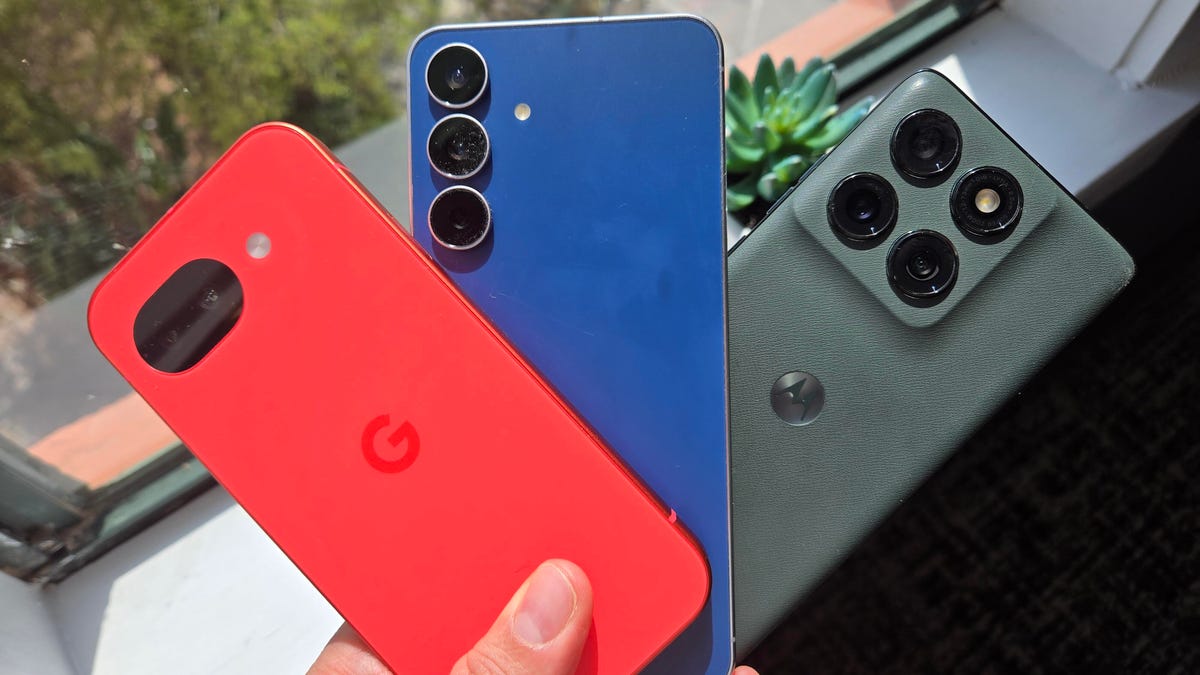
You can now file a claim in the $135 million Google data settlement. The case centers on claims that Android devices transmitted user data without consent. Specifically, the class action lawsuit Taylor v. Google LLC contends that Google’s Android devices passively transferred cellular data to Google without user permission, even when the devices were idle. While not admitting fault, Google reached a preliminary settlement in January, agreeing to pay $135 million to about 100 million US Android phone users.
The official settlement website for the lawsuit is now live. The final approval hearing won’t occur until June 23, when the court will consider whether Google’s settlement is fair and listen to objections. After that, the court will decide whether to approve the $135 million settlement.
In the meantime, if you qualify and want to be paid as part of the settlement, you can select your preferred payment method on the official website. There, you can find information on speaking at the June 23 court hearing and on how to exclude yourself or write to the court to object by May 29.
As part of the settlement, Google will update its Google Play terms of service to clarify that certain data transfers do occur passively even when you’re not using your Android device, and that cellular data may be relied upon when not connected to Wi-Fi. This can’t always be disabled, but users will be asked to consent to it when setting up their device.
Google will also fully stop collecting data when its «allow background data usage» option is toggled off.
Who can be part of the settlement?
In order to join the Taylor v. Google LLC settlement, you must meet four qualifications:
- Be a living, individual human being in the US.
- Have used an Android mobile device with a cellular data plan.
- Have used the aforementioned device at any time from Nov. 12, 2017, to the date when the settlement receives final approval.
- You’re not a class member in the Csupo v. Google LLC lawsuit, which is similar but specifically for California residents.
The final approval hearing is on June 23, so you can add your payment method until then. The hearing’s date and time may change, and any updates will be posted on the settlement website.
If you choose to do nothing, you will still be issued a settlement payment, but you may not receive it if you don’t select a payment method.
How much will I get paid?
It’s not currently known exactly how much each settlement class member will receive, but the cap is $100. Payments will be distributed after final court approval and after any appeals are resolved.
After all administrative, tax and attorney costs are paid, the settlement administrator will attempt to pay each member an equal amount. If any funds remain after payments are sent, and it’s economically feasible, they will be redistributed to members who were previously and successfully paid. If it’s not economically feasible, the funds will go to an organization approved by the court.
Technologies
Samsung’s Galaxy Watch Ultra 2 Might Come in 5G and 4G Cellular Models
If the rumor proves true, the 5G Galaxy Watch Ultra would rival the 5G-enabled $799 Apple Watch Ultra 3 that debuted last fall.
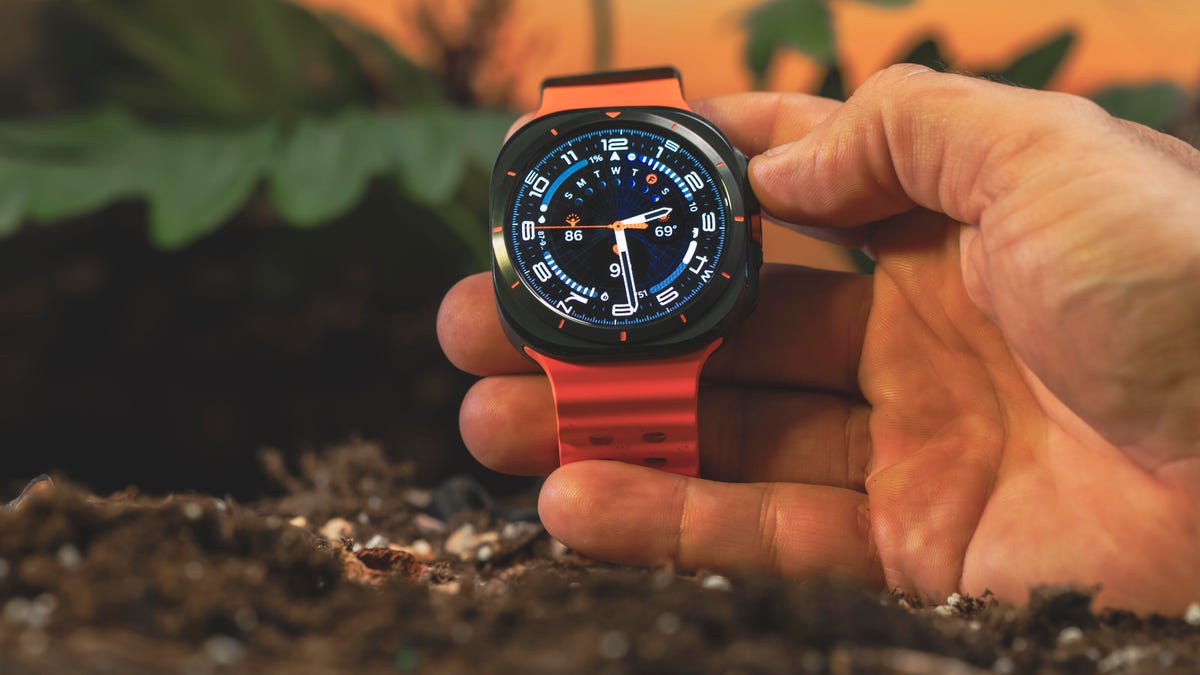
Samsung’s next high-end Galaxy Watch could support faster 5G speeds, but if this leak is true, it will depend on where you live. The rumored Samsung Galaxy Watch Ultra 2 might come in 5G and 4G cellular models, with availability for each smartwatch depending on the country.
According to the Dutch website Galaxy Club (and spotted by SamMobile), Samsung’s servers may have revealed a series of model numbers that point to 5G, 4G and Wi-Fi-enabled editions of the next Galaxy Watch Ultra, which would succeed the original model that debuted in 2024.
A representative for Samsung did not immediately respond to a request for comment.
The Galaxy Club website speculates that the 5G edition would be sold in the US and Korean markets, while the 4G edition would sell in the rest of the world. In the US, a 5G version of the Galaxy Watch Ultra would rival the 5G-enabled $799 Apple Watch Ultra 3, which debuted last fall. The 4G edition would have broader compatibility worldwide, since the earlier network is far more established.
It will likely be a few months until we hear anything official about the Galaxy Watch Ultra 2. Samsung typically unveils its new watches in the summer alongside its Galaxy Z Fold and Z Flip foldable phones. Last year, Samsung unveiled the Galaxy Watch 8 and the Galaxy Watch 8 Classic, but otherwise left the prior 2024 Ultra in the lineup for those looking for a larger 47mm smartwatch.
Technologies
2 Cases Show Supreme Court Isn’t Holding ISPs Responsible for Piracy
-
 Technologies3 года ago
Tech Companies Need to Be Held Accountable for Security, Experts Say
-
 Technologies3 года ago
Best Handheld Game Console in 2023
-
 Technologies3 года ago
Tighten Up Your VR Game With the Best Head Straps for Quest 2
-
 Technologies4 года ago
Black Friday 2021: The best deals on TVs, headphones, kitchenware, and more
-
 Technologies5 лет ago
Google to require vaccinations as Silicon Valley rethinks return-to-office policies
-
 Technologies5 лет ago
Verum, Wickr and Threema: next generation secured messengers
-
 Technologies4 года ago
Olivia Harlan Dekker for Verum Messenger
-
 Technologies4 года ago
The number of Сrypto Bank customers increased by 10% in five days