
Technologies
Overwatch’s New Season 1 Is What the Game Was Always Meant to Be
A commitment to an ongoing story and more frequent new heroes, including five right now, move the game in the direction it always seemed to promise.
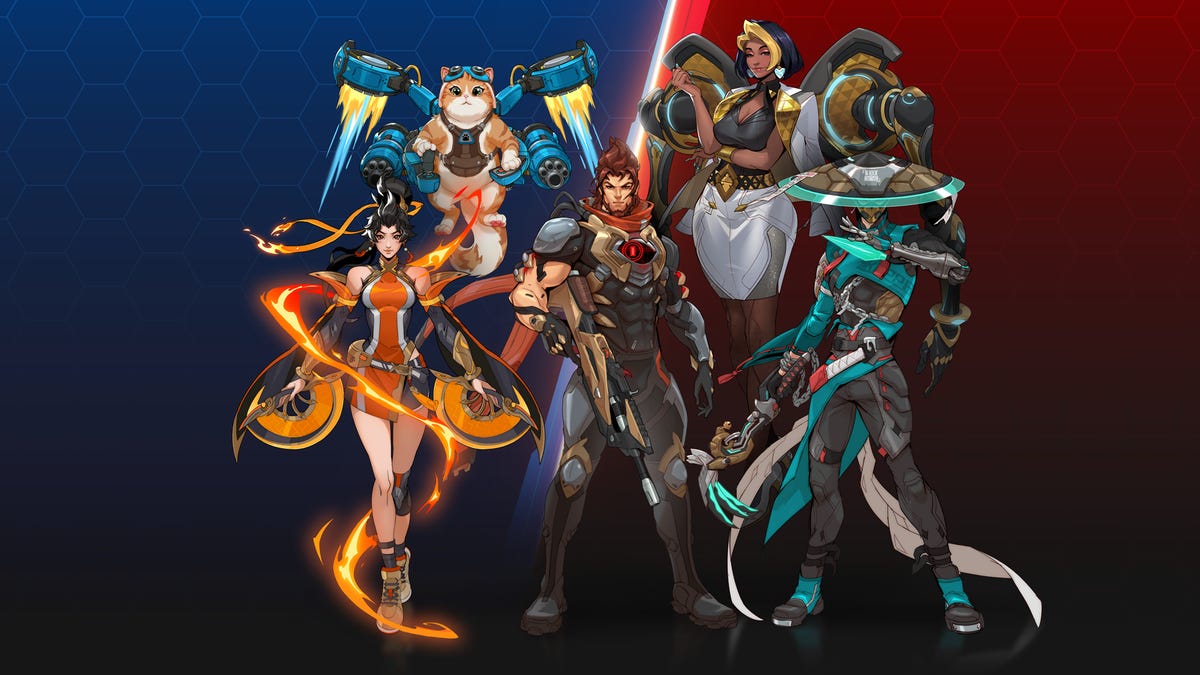
In late January, I was among a group of journalists from all around the world packed into the Blizzard Theater in Irvine, California, to watch the 40-minute Overwatch spotlight and hear from Blizzard execs about where the game was going next. I was not prepared for what we saw. Nor were the other journalists, who gasped, laughed and sometimes comically swore as the video showed us what’s coming next for the hero shooter franchise — which turns a decade old later this year.
What stirred up such audible reactions? An ongoing story that’s reflected directly in the game. New subroles with distinct passive abilities. Ten new heroes are coming this year, five of which are arriving next week. One of the later heroes is freaking Jetpack Cat, who was dreamed up in concept art and scrapped before the game was even released. And maybe most surprisingly, dropping the «2» so the game returns to simply being «Overwatch.»
One of the first questions to that group of execs was about changing the title from Overwatch 2 back to Overwatch — why change, and what does it mean? Johanna Faries, president of Blizzard Entertainment, said the team thought it was the right time for Overwatch to turn the corner in a big way. «It sets us up for a much broader conversation on where the future of this universe [is] and where these characters are going to go.»
Blizzard’s big swing to revitalize Overwatch comes as the game approaches its 10th anniversary in May. Gaming is different in 2026, as newer live-service games can disappear in an instant, and even more tenured franchises like Call of Duty and Battlefield can struggle to retain players. Even Overwatch finally has a major, direct competitor in the team hero shooter genre in Marvel Rivals. So for Blizzard to step up and commit so boldly to this vision is a jolt, a burst of life into a game that has already spent the past couple of years solidifying and expanding its identity with new game modes and features like perks and map voting.
The announcements are both a celebration of the game’s history and a statement that the game is building a bolder future for itself.
Across my own nine-year history playing Overwatch, I’ve experienced its ups and downs, from the heights of queuing with a full six-stack and joining organized team play to the lows of the seemingly interminable double shield meta. And after talking to hero designers, narrative designers, systems designers, artists and voice actors, I left the Blizzard campus reflecting on the idea of playing Overwatch and following its larger story after all these new initiatives launch. One thought stuck with me.
This is how the game was always supposed to feel.
The emotion of a new cinematic driving the story of Overwatch forward, of puzzling over 10 hero silhouettes and learning that five of them would be ready to play almost immediately… it kindled the same kind of anticipation I had in the movie theater where I first awed over an early Overwatch trailer.
Best of all, fans won’t have to wait for this new era of Overwatch, as its fittingly rebadged Season 1 is launching next week with five heroes up-front and another new hero roughly every other month in each new season. We’ll get two new maps later in the year, alongside the return of postmatch accolades, which updated the old voting cards that let you show some love to players on either team who performed particularly well in a match.
I got an early look at the journey awaiting Overwatch fans this year during my time at Blizzard. And while I have some lingering questions about how certain elements will play out, here’s why I’m more excited about the game than I’ve ever been.
Overwatch embraces storytelling directly in the game
The world of Overwatch has always felt vibrant and pulsing with lore, but the game has struggled to tell a story outside of an impressionistic narrative you could vaguely piece together between cinematics, comics and occasional in-game events.
Season 1 promises to change that by kicking off the year-long Reign of Talon storyline, beginning with a cinematic that shows major upheaval in the villainous organization and longtime antagonist to Overwatch. The rest of that story will play out over the course of the year, through traditional avenues like hero trailers, short stories and comics, as well as more immersive methods like new voice lines and map changes that reflect story events.
The Overwatch Spotlight video includes a clip of Talon aircraft assaulting Overwatch’s Gibraltar base, home of operations for genius ape hero Winston. In the media playtest, I fought across a Watchpoint: Gibraltar map that showed the damage of that attack. The bridge outside the starting attacker spawn was partially collapsed, and a flaming beam had crashed down on the airship in the hangar. These map changes breathe life into the larger narrative of a new, more aggressive Talon and make sure players see the consequences of these story beats.
In addition to map changes that illustrate the ongoing story, Overwatch’s narrative and audio designers said that character interactions will also change to reflect the story’s progression, noting an «outrageous amount» of voice lines being added to the game.
Collectively, these changes help bridge the gameplay with the wider world of conflicts and characters that have been the initial point of interest for so many players.
Five new heroes headline a massive influx over the next year
Overwatch 2 launched with three new heroes and has added another 10 in the three-plus years since then. Now we’re getting 10 heroes in a single year, starting with five who all have connections to existing characters and factions in the game.
- Domina, the new ranged tank and ally of Talon, is the heiress of Vishkar Industries, the same company that damage hero Symmetra works for and that also suppressed and exploited support hero Lucio’s hometown with technology his father had developed.
- Anran, a new fire-themed damage hero, is the older sister of support hero Wuyang. She wields hand fans that can shoot fire, and is a new Overwatch recruit alongside her brother.
- Emre, a damage hero wielding multiple weapons, is a former Overwatch agent now turned to Talon’s aims. He’s an old friend of damage hero Freja, though the person she found in their recent reunion is very different from the friend she remembers.
- Mizuki, an offensively focused support hero, is part of the Talon-aligned Hashimoto clan, which has been facing opposition from the support hero Kiriko and her allies in Japan.
- Jetpack Cat, a cat wearing a jetpack, is based on an early Overwatch hero concept long thought to be scrapped. Overwatch support hero Brigitte builds the kitty a jetpack to let her support allies from the skies by towing teammates and trolling enemies.
Multiple developers reiterated that this superdrop of new heroes wasn’t the result of cutting corners or rushing the process, but instead a benefit of improved tools and systems that have shrunk the design time for new heroes from eight months down to four or five.
«We still wanted to give the characters the same level of care we give any hero that we build,» the game’s Art Director Dion Rogers said in a panel on the new Reign of Talon story’s art.
In the leadership panel, Keller noted that the team wanted to kick off this year with an update that would feel like an expansion for the game, and the best way to do that for a hero shooter was to give them a bunch of new heroes: «People play this type of game … to learn more about these heroes, pick them up and continuously master them,» he said. Launching five heroes at once gives players that much more to engage with and could substantially shake up the meta of hero picks and team compositions.
Buzzing enthusiasm among developers
There’s plenty more driving my optimism beyond the new narrative focus and influx of new heroes. It’s the vibe of the announcements, the willingness for the game to go big, chase ideas and deliver a uniquely Overwatch experience to players.
There was palpable excitement among the five groups of Blizzard developers that journalists got to hear from at the Overwatch Spotlight event. In a panel about the game’s narrative, Lead Narrative Designer Miranda Moyer buzzed with enthusiasm, speaking alongside Scott Lawson, the game’s audio and technical director, about planning a year-long story, bringing Talon into the fray and how characters and allegiances might change over the course of that story.
«I think a lot of this new story is predicated on questions that have existed since, y’know, Overwatch was an entity [before eventually being disbanded],» Moyer said. She also noted that while some characters may have felt a little out of the loop of any sort of larger narrative throughout previous years of the game’s story, in the new structure «every single character … is pertinent to the overall plot.»
Developers being excited about their game isn’t surprising, but the degree of enthusiasm was encouraging for a game that suffered a years-long content drought followed by a troubled launch for Overwatch 2, stumbling over gated hero releases and long-announced game features that never saw the light of day. The conversations with devs gave me confidence that there’s a vision and passion for Overwatch that can fuel exciting updates like this for a long time to come.
The question marks amid the coming changes
The promises of ongoing stories and new heroes every season — six per year — are two of the most exciting things the game could announce. That said, some announcements from the spotlight raise more curiosity or concern than confidence.
A major overhaul of the menus forces us to relearn where things are and how to navigate them. The systems design team asserted that the new layout will add value, minimize interruptions and give players choices in menus, and I’m hopeful that the time spent relearning how to get around is worth the payoff. I like the cleaner look, but it will take some time to see how the new layout really feels.
The team also announced that some heroes, such as Ana and Genji, would be getting their second mythic skins before others received their first. I say this as someone who plays lots of Ana and wasn’t at all excited by her mythic skin, but that feels pretty unfair to the rest of the roster, especially given how many new faces we’re getting this year.
Balancing is the other element that feels like a bigger question mark in 2026. Dropping five heroes simultaneously and adding a new hero every season is going to put a lot more pressure on the team responsible for balance.
I asked Associate Game Director Alec Dawson about the challenge of balancing five new heroes at once. He acknowledged that the team does still want heroes to feel «impactful» at launch, but said they «probably went a bit too far» with recent releases.
«It’s good to have an impactful launch. It’s not good if your hero is banned in almost every match you’re in,» Dawson said.
The hero design team told us that they’ll be keeping a close eye on Jetpack Cat, especially given that permanent flight is an entirely new element in the game, and there are very few restrictions on her Lifeline ability that lets you fly allies around the map. Hero designer Scott Kennedy added that the team knows it’s going to be difficult to figure out all at once and that they’ll react quickly if things are out of line.
A new day and a familiar feel for Overwatch
The Spotlight video alone felt like Overwatch returning to the wonder and imagination that powered its 2016 launch. And the experience of talking to a variety of developers — and particularly seeing the seemingly unseverable thread of enthusiasm that connected them — made me as hopeful for the game as I’ve been since I started playing. The promise driving a story forward seems to mirror the team’s own internal hopes for shepherding the game into something bigger and bolder.
In a group interview with global media, I asked the game’s director, Aaron Keller, whether the Spotlight announcements were a commitment to moving the game forward — not just in terms of game mechanics but using it to tell a story beyond just brief snippets we’ve gotten from cinematics and events. He referenced the «amazing, sentimental» character pieces they’ve done so far, but said the team wants the new story to go somewhere.
«We want to take players on a journey over the course of this year — and over the course of many years,» Keller said. «We want to be doing this for as long as players are going to tune in for it.»
Technologies
Google’s Pixel 10A Is Coming to Japan With an Exclusive Blue Edition and Special Wallpaper
This model comes with creatively designed stickers and a special look for Pixel’s 10th anniversary.
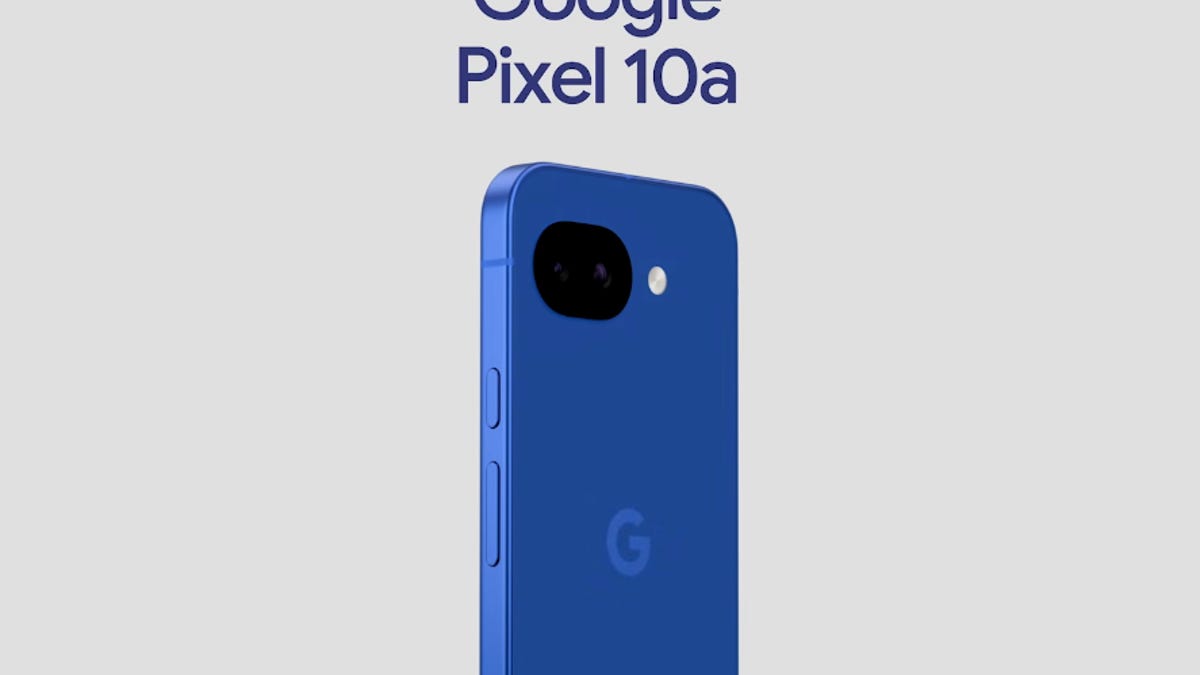
Don’t be blue: Google is releasing an Isai blue edition of the Pixel 10A to celebrate the Android phone line’s 10th anniversary, setting it apart with its own sticker set, specialized wallpaper and custom icons. But it’ll only be available in Japan.
Announced Tuesday on the Google Japan blog, the Isai blue Pixel 10A has a dark blue look and includes bonus decorations designed in collaboration with Japan’s Heralbony art company. These include an exclusive bumper case and stickers for customization.
This edition of the Pixel 10A will arrive in Japan on May 20, following the April 14 release of the Pixel 10A in its original colors of lavender, berry, fog and obsidian. The Isai blue model costs 94,900 yen, which roughly translates to $595, and includes 256GB of storage.
This makes it slightly less expensive than the US model’s 256GB edition, but it comes with a number of fun extras at no additional cost.
Google’s creation of a country-specific model for Japan may also reflect strong sales in that market. In 2023, the IDC analytics firm (via 9to5Google) reported that the Pixel 7 series accounted for 10.7% of the country’s market share, a 527% increase from 2022.
Technologies
Can’t Wait for New Emoji? Here’s How to Create Your Own on iPhone
Apple Intelligence-enabled iPhones can create custom emoji in a few easy steps.
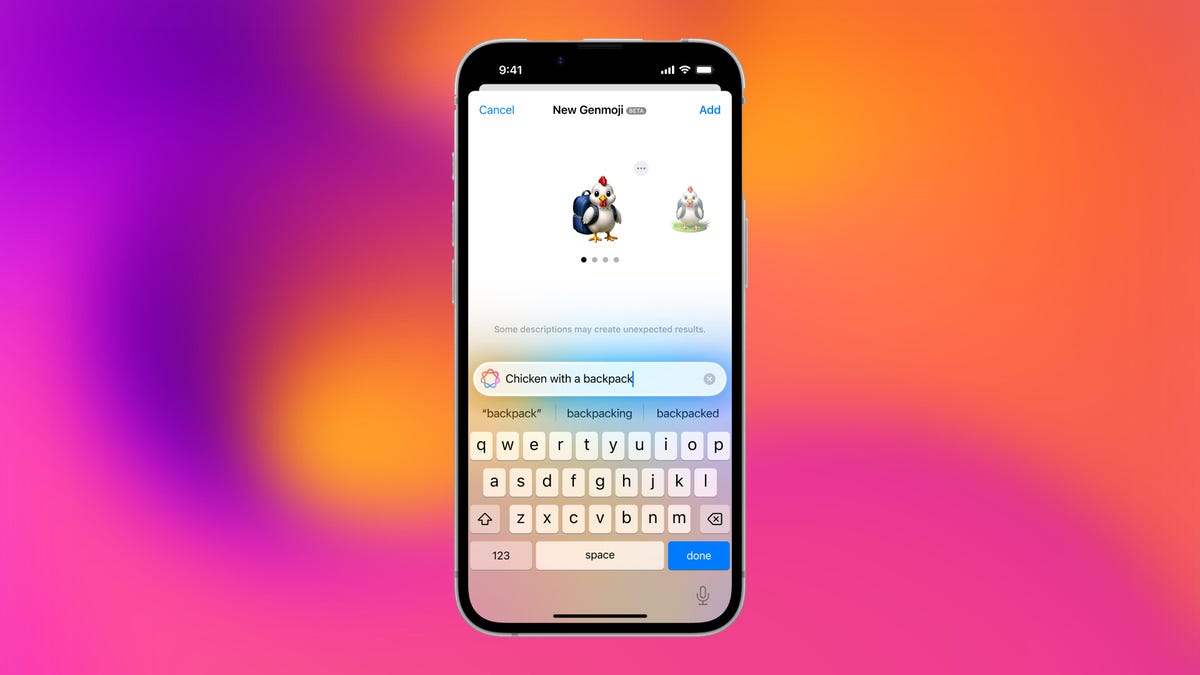
Apple brought new emoji to all iPhones when the company released iOS 26.4 on March 24. The new emoji include «» orca, «» distorted face and «» hairy creature — or as we might normally call it, Sasquatch. According to Emojipedia, there are 3,953 emoji with more on the way, including a pickle. But there’s no emoji for a dog wearing pajamas, a plate with burgers and fries and many other things. But if you have Genmoji on your iPhone you can create these emoji and many more.
Apple released iOS 18.2 in 2024 and the company introduced its own emoji generator, called Genmoji, to Apple Intelligence-capable iPhones at that time. The Unicode Standard, a universal character encoding standard, is responsible for creating new emoji, and approved emoji are added to all devices once a year. With Genmoji, you don’t have to wait for new emoji to appear on your iPhone each year. You can just create them as you need them.
Read on to learn how to use Genmoji on iPhone to create your own custom emoji. Just note that only iPhones with Apple Intelligence, like the iPhone 17 lineup, can use Genmoji at this time.
Note: The new emoji may not display correctly for Apple users whose devices aren’t on a 26.4 software version.
How to make custom emoji
1. Open Messages and go into a chat.
2. Tap the plus (+) button next to your text box.
3. Tap Genmoji.
You can then type a description of an emoji into the text box near the bottom of your screen and tap the check mark on your keyboard to enter that description into Genmoji. You can also tap different suggestions and themes that are right above the text box. And with iOS 26 or later, you can also combine and use emoji to create others rather than describing a new emoji or using suggestions.
Your iPhone will generate a series of new emoji for you to pick from according to your description, and you can swipe through these new emoji. When you find the one you want, tap Add in the top right corner of your screen and the new emoji will be available to use as an emoji, tapback or a sticker. Now you don’t have to wait for the Unicode Standard to propose, create and bring new emoji to devices.
For more iOS news, here’s what to know about iOS 26.4 and iOS 26.3. You can also check out our iOS 26 cheat sheet for other tips and tricks.
Technologies
Save Over 20% on This Handy 10,000-mAh Anker Nano Power Bank
Keep your devices charged on the go with this Anker Nano power bank, now down to just $46.
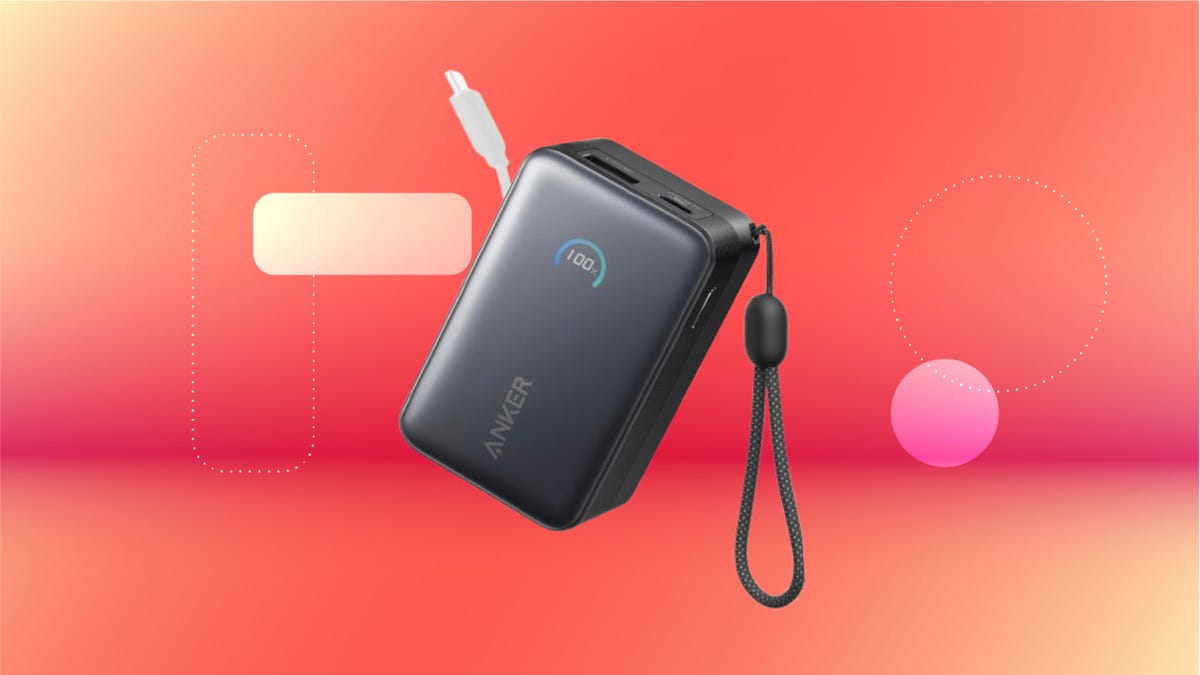
We’ve just spotted the Anker Nano 45-watt portable power bank for just $46 at Amazon right now. This saves you $14 — a 23% discount on its list price. Though it’s $6 more than the lowest-ever price we saw during Black Friday, it’s still a solid discount when you take the rising cost of tech accessories into account. It also matches the lowest price we’ve seen in 2026. It comes in four colors: black, green, pink and white. They’re all on sale for the same price.
This Anker Nano portable charger weighs approximately 8.2 ounces and measures a compact 3.21×1.99×1.42 inches. Despite its small size, it has a retractable cable and supports fast charging in compatible Apple, Samsung, Google Pixel and other smartphones. It also has a large 10,000-mAh capacity and a smart display so you always know how much juice is left in your power bank.
The Nano can charge an iPhone 17 to up to 50% battery in an estimated 20 minutes, and is powerful enough to charge tablets and laptops. Need to charge your devices while charging your power bank? You can do so safely thanks to pass-through charging so you’ll never have to go without battery life.
We’ve also compiled a list of the best power banks for iPhones and for Android, in case this deal isn’t quite a fit for you.
Why this deal matters
If you travel, have a long commute time or are otherwise always on the go, a portable charger can help you keep your devices fully powered. This 45-watt Anker Nano power bank is compact, includes a loop that lets you keep track of it easily and has a built-in cable so you don’t have to keep up with extra cords. Amazon’s $14 discount makes this a solid deal for anyone looking for a compact power bank.
-
 Technologies3 года ago
Tech Companies Need to Be Held Accountable for Security, Experts Say
-
 Technologies3 года ago
Best Handheld Game Console in 2023
-
 Technologies3 года ago
Tighten Up Your VR Game With the Best Head Straps for Quest 2
-
 Technologies4 года ago
Black Friday 2021: The best deals on TVs, headphones, kitchenware, and more
-
 Technologies5 лет ago
Google to require vaccinations as Silicon Valley rethinks return-to-office policies
-
 Technologies5 лет ago
Verum, Wickr and Threema: next generation secured messengers
-
 Technologies4 года ago
Olivia Harlan Dekker for Verum Messenger
-
 Technologies4 года ago
The number of Сrypto Bank customers increased by 10% in five days