
Technologies
Withings’ New Smart Scale Turns Your Daily Weigh-In Into a Longevity Check
This $600 Body Scan 2 measures things most people only hear about in a doctor’s office and can calculate how fast your body is aging.

Longevity has become one of the biggest buzzwords in health tech, and Withings is leaning in hard with the Body Scan 2, a $600 smart scale designed to paint a more complete picture of your health than just a standard bathroom weigh-in ever could.
Launched at CES 2026 as part of the wave of Consumer Electronics Show announcements, the Body Scan 2 is packed with firsts for an at-home device. It promises to assess everything from your risk of hypertension (high blood pressure) to early signs of glycemic dysregulation (a precursor to diabetes). In total, Withings says the scale measures more than 60 biomarkers that can influence long-term health, aging and the risk of chronic illness.
The goal isn’t just to show you numbers, but to spot small physiological changes early — while they’re still reversible — and guide you toward lifestyle changes that, over time, could extend and improve your quality of life.
The Body Scan 2 still looks like a futuristic bathroom scale with a pull-up exercise bar tied to the top. It has a flat tempered-glass surface and a retractable handle bar that’s connected by a cord. That handle has a color screen that displays on-the-spot metrics during weigh-ins.
Under the glasshood, the scale uses eight embedded electrodes in the platform and four stainless steel electrodes in the handle to collect its data and automatically sync data via Wi-Fi or Bluetooth to the Withings app on your iPhone or Android. It runs on a rechargeable battery that Withings says can last up to 15 months.
Don’t miss any of our unbiased tech content and lab-based reviews. Add CNET as a preferred Google source.
Withings isn’t new to this space. The company created one of the original connected scales back in 2009 and has since expanded into smartwatches, blood pressure monitors and other connected health devices. Body Scan 2 seems to be a culmination of all of these efforts, turning what used to be a single-measurement device into what the company calls an «at-home longevity station.»
Longevity has become a major theme in health tech, as companies look beyond the narrow snapshots captured during doctor visits. Instead, they’re starting to focus more on continuous, big-picture monitoring that reflects how people actually live day-to-day. Withings is betting that frequent, at-home measurements can help catch early warning signs related to heart health, metabolism or blood sugar regulation long before they turn into chronic conditions like diabetes, hypertension or heart disease.
Turning a mountain of metrics into actionable insights
According to Withings, the Body Scan 2 uses five medical-grade technologies that, until now, have largely been limited to clinical or research settings. Combined, they track 60 biomarkers that fall into three core categories:
Heart and vascular health: The scale can flag your potential risk for high blood pressure without using a traditional cuff, similar to the blood pressure notifications found on newer Apple Watch models. It also looks at how efficiently your heart is pumping blood and the flexibility of your arteries. Together, these measurements offer early clues about heart health and whether your cardiovascular system may be under extra strain.
Cellular and metabolic health: The scale also looks at how efficiently your body uses energy at the cellular level and how your cells are aging. These measurements can offer insight into whether factors like stress, inactivity, inflammation or diet may be affecting your overall health.
Diet and glycemic regulation: The scale also looks for early signs of glycemic dysregulation, or how well your body manages blood sugar. Poor regulation can be a precursor to prediabetes and cause fatigue, abdominal fat gain, and ultimately accelerate aging (often without any obvious symptoms).
After a roughly 90-second weigh-in which requires you to pull the handle bar up to hip level, the app uses these measurements to come up with what Withings calls a Health Trajectory score that you can view in the Withings app. It establishes a personalized baseline for your health and tracks how it trends over time, rather than focusing on daily fluctuations.
Beyond the score itself, the app flags any major changes from that baseline and gives you guidance on lifestyle adjustments that could help correct any negative trends. The idea is to spot potential issues early, when they’re more likely to be reversible, and give you a preview of how those changes can influence long-term health.
As with all health data, privacy is a major concern. Withings addresses this by disclosing that the Body Scan 2 complies with GDPR and HIPAA, and carries ISO 27001 and ISO 27701 certifications for data security and privacy management.
Pricing and availability
Body Scan 2 is pending FDA clearance for select metrics and is scheduled to launch in Q2 2026. Pricing is set at $600, £450 and AU$899, respectively. It will be available through Withings, Amazon and select retailers.
We haven’t tested Body Scan 2 yet, but we’ll update our coverage once we’re able to spend time with it in the real world.
For more product launches and first looks ahead of CES 2026, check out CNET’s full CES coverage.
Technologies
Today’s NYT Connections: Sports Edition Hints and Answers for April 8, #562
Here are hints and the answers for the NYT Connections: Sports Edition puzzle for April 8 No. 562.
Looking for the most recent regular Connections answers? Click here for today’s Connections hints, as well as our daily answers and hints for The New York Times Mini Crossword, Wordle and Strands puzzles.
Today’s Connections: Sports Edition is a tough one. If you’re struggling with today’s puzzle but still want to solve it, read on for hints and the answers.
Connections: Sports Edition is published by The Athletic, the subscription-based sports journalism site owned by The Times. It doesn’t appear in the NYT Games app, but it does in The Athletic’s own app. Or you can play it for free online.
Read more: NYT Connections: Sports Edition Puzzle Comes Out of Beta
Hints for today’s Connections: Sports Edition groups
Here are four hints for the groupings in today’s Connections: Sports Edition puzzle, ranked from the easiest yellow group to the tough (and sometimes bizarre) purple group.
Yellow group hint: Working out.
Green group hint: Cover your face.
Blue group hint: NFL players.
Purple group hint: Leap.
Answers for today’s Connections: Sports Edition groups
Yellow group: Exercises in singular form.
Green group: Sporting jobs that require masks.
Blue group: Hall of Fame defensive ends.
Purple group: ____ jump.
Read more: Wordle Cheat Sheet: Here Are the Most Popular Letters Used in English Words
What are today’s Connections: Sports Edition answers?
The yellow words in today’s Connections
The theme is exercises in singular form. The four answers are crunch, plank, situp and squat.
The green words in today’s Connections
The theme is sporting jobs that require masks. The four answers are catcher, fencer, football player and goaltender.
The blue words in today’s Connections
The theme is Hall of Fame defensive ends. The four answers are Dent, Peppers, Strahan and Youngblood.
The purple words in today’s Connections
The theme is ____ jump. The four answers are broad, high, long and triple.
Technologies
The $135M Google Data Settlement Site Is Live — See If You’re Eligible
Use the settlement website to select your preferred payment method, and you may end up $100 richer.
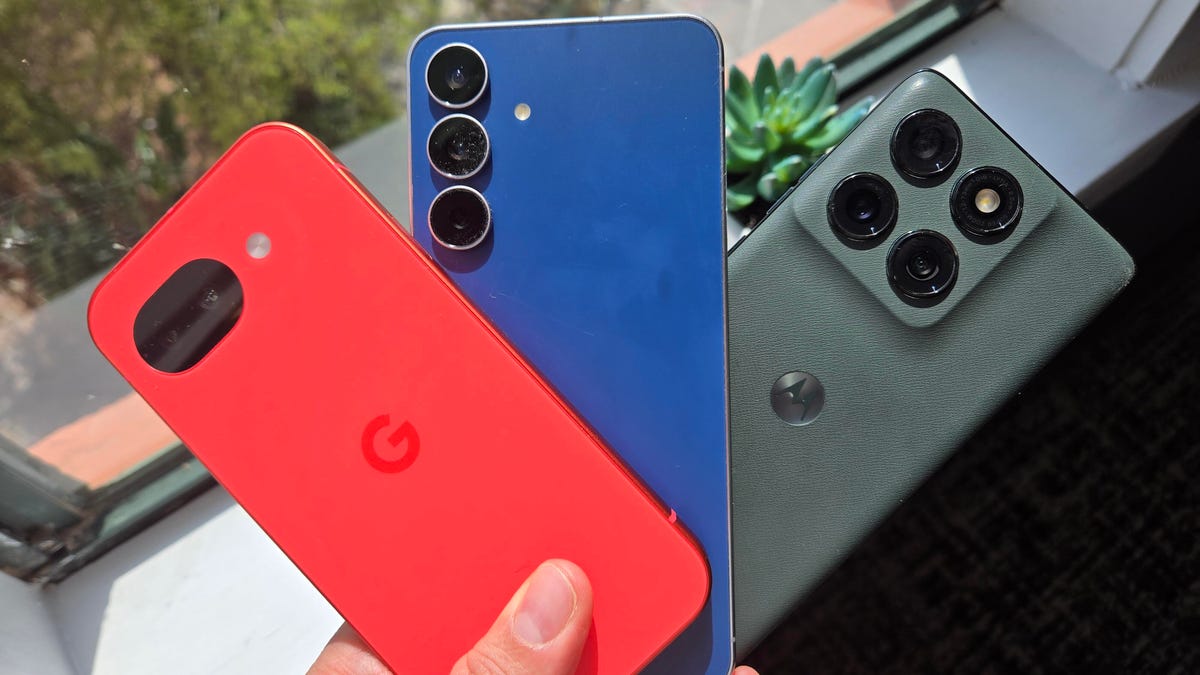
You can now file a claim in the $135 million Google data settlement. The case centers on claims that Android devices transmitted user data without consent. Specifically, the class action lawsuit Taylor v. Google LLC contends that Google’s Android devices passively transferred cellular data to Google without user permission, even when the devices were idle. While not admitting fault, Google reached a preliminary settlement in January, agreeing to pay $135 million to about 100 million US Android phone users.
The official settlement website for the lawsuit is now live. The final approval hearing won’t occur until June 23, when the court will consider whether Google’s settlement is fair and listen to objections. After that, the court will decide whether to approve the $135 million settlement.
In the meantime, if you qualify and want to be paid as part of the settlement, you can select your preferred payment method on the official website. There, you can find information on speaking at the June 23 court hearing and on how to exclude yourself or write to the court to object by May 29.
As part of the settlement, Google will update its Google Play terms of service to clarify that certain data transfers do occur passively even when you’re not using your Android device, and that cellular data may be relied upon when not connected to Wi-Fi. This can’t always be disabled, but users will be asked to consent to it when setting up their device.
Google will also fully stop collecting data when its «allow background data usage» option is toggled off.
Who can be part of the settlement?
In order to join the Taylor v. Google LLC settlement, you must meet four qualifications:
- Be a living, individual human being in the US.
- Have used an Android mobile device with a cellular data plan.
- Have used the aforementioned device at any time from Nov. 12, 2017, to the date when the settlement receives final approval.
- You’re not a class member in the Csupo v. Google LLC lawsuit, which is similar but specifically for California residents.
The final approval hearing is on June 23, so you can add your payment method until then. The hearing’s date and time may change, and any updates will be posted on the settlement website.
If you choose to do nothing, you will still be issued a settlement payment, but you may not receive it if you don’t select a payment method.
How much will I get paid?
It’s not currently known exactly how much each settlement class member will receive, but the cap is $100. Payments will be distributed after final court approval and after any appeals are resolved.
After all administrative, tax and attorney costs are paid, the settlement administrator will attempt to pay each member an equal amount. If any funds remain after payments are sent, and it’s economically feasible, they will be redistributed to members who were previously and successfully paid. If it’s not economically feasible, the funds will go to an organization approved by the court.
Technologies
Samsung’s Galaxy Watch Ultra 2 Might Come in 5G and 4G Cellular Models
If the rumor proves true, the 5G Galaxy Watch Ultra would rival the 5G-enabled $799 Apple Watch Ultra 3 that debuted last fall.
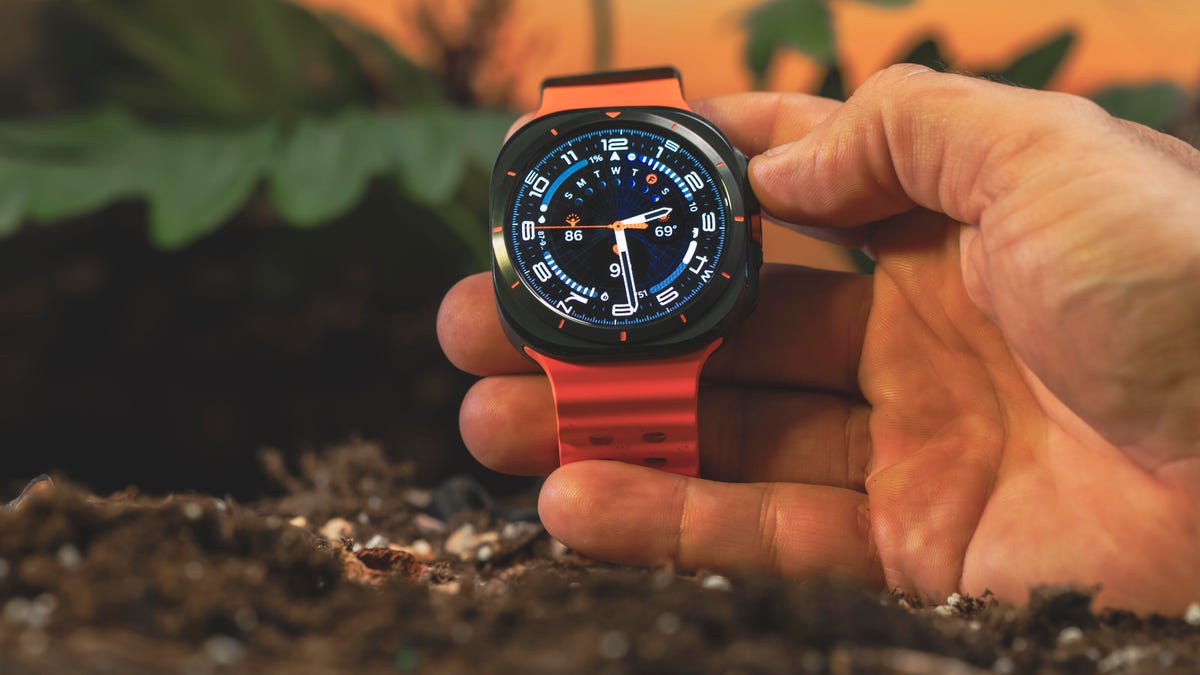
Samsung’s next high-end Galaxy Watch could support faster 5G speeds, but if this leak is true, it will depend on where you live. The rumored Samsung Galaxy Watch Ultra 2 might come in 5G and 4G cellular models, with availability for each smartwatch depending on the country.
According to the Dutch website Galaxy Club (and spotted by SamMobile), Samsung’s servers may have revealed a series of model numbers that point to 5G, 4G and Wi-Fi-enabled editions of the next Galaxy Watch Ultra, which would succeed the original model that debuted in 2024.
A representative for Samsung did not immediately respond to a request for comment.
The Galaxy Club website speculates that the 5G edition would be sold in the US and Korean markets, while the 4G edition would sell in the rest of the world. In the US, a 5G version of the Galaxy Watch Ultra would rival the 5G-enabled $799 Apple Watch Ultra 3, which debuted last fall. The 4G edition would have broader compatibility worldwide, since the earlier network is far more established.
It will likely be a few months until we hear anything official about the Galaxy Watch Ultra 2. Samsung typically unveils its new watches in the summer alongside its Galaxy Z Fold and Z Flip foldable phones. Last year, Samsung unveiled the Galaxy Watch 8 and the Galaxy Watch 8 Classic, but otherwise left the prior 2024 Ultra in the lineup for those looking for a larger 47mm smartwatch.
-
 Technologies3 года ago
Tech Companies Need to Be Held Accountable for Security, Experts Say
-
 Technologies3 года ago
Best Handheld Game Console in 2023
-
 Technologies3 года ago
Tighten Up Your VR Game With the Best Head Straps for Quest 2
-
 Technologies4 года ago
Black Friday 2021: The best deals on TVs, headphones, kitchenware, and more
-
 Technologies5 лет ago
Google to require vaccinations as Silicon Valley rethinks return-to-office policies
-
 Technologies5 лет ago
Verum, Wickr and Threema: next generation secured messengers
-
 Technologies4 года ago
Olivia Harlan Dekker for Verum Messenger
-
 Technologies4 года ago
The number of Сrypto Bank customers increased by 10% in five days