
Technologies
I Uploaded a Photo of My Face to Get an AI-Generated Biological Age Estimate. It Shocked Me
Can AI help with a personalized health screening? I uploaded a selfie to find out.
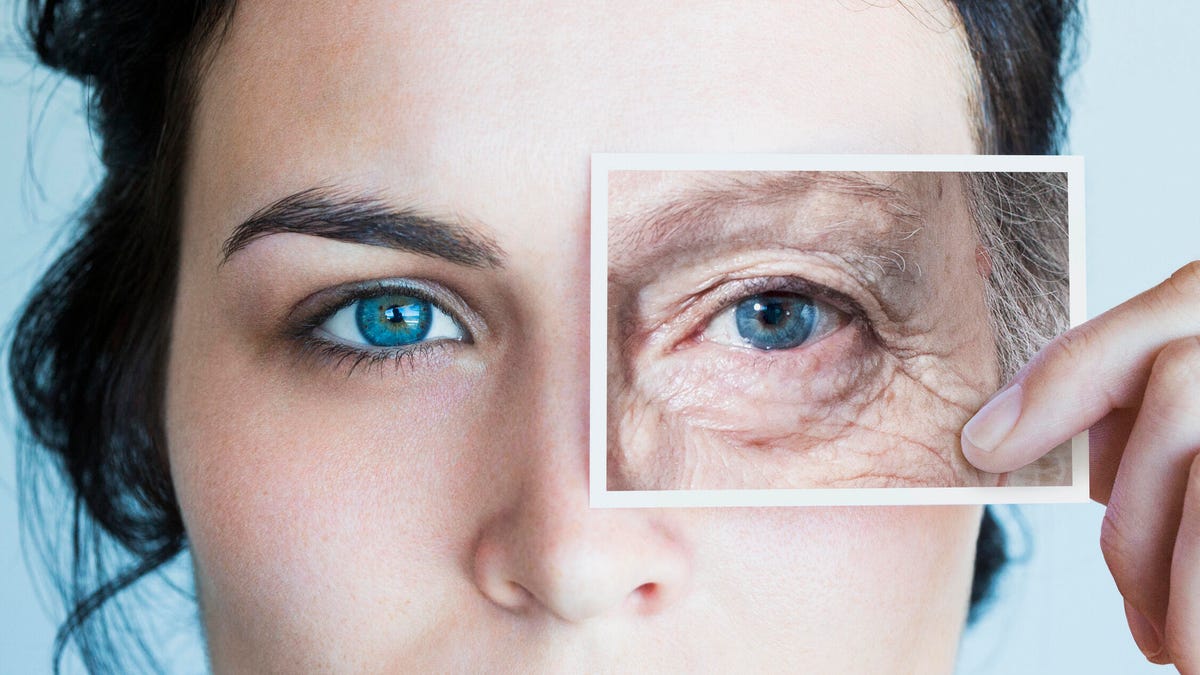
Somewhere on TikTok, I discovered that you can upload a selfie to ChatGPT and ask what nonsurgical treatments you could consider for antiaging. It gives you a full breakdown, like an AI cosmetic surgeon.
Pretty cool, especially given the cost of a cosmetic doctor.
But I’d tested out ChatGPT already for beauty advice and FaceApp to show me how I’ll age. I was looking for advice from AI that went deeper with insights based on my skin and what’s going on underneath its surface. It is the body’s largest organ, after all.
That’s when I discovered Noom’s new AI Face Scan feature, which promises longevity stats from a simple selfie in seconds. I had to try it, even though I was scared about what it would reveal. Years of partying hard and traveling the world likely accelerated my aging process.
Worth it, though.
Noom, a health and longevity platform, launched Face Scan and Future Me in October 2025, available for free to use via the app. Face Scan is powered by NuraLogix, while Future Me uses Haut.ai.
Let’s see my biological age according to AI.
Huberman-style health insights, using AI
To access the AI features, I downloaded the Noom app and created a login. Noom asked a few questions like my age, height, weight and health goals. Once I was set up, I navigated to the Health tab, then selected Health Insights.
I was presented with three options: Face Scan, Future Me and Body Composition Scan.
Don’t miss any of our unbiased tech content and lab-based reviews. Add CNET as a preferred Google source.
I was more interested in the health screening report to find out what AI predicted for my biological age, metabolic and heart health indicators and vital signs, as well as what Noom would recommend to improve it. Biological age tests are usually conducted through blood tests, and even then, they aren’t 100% accurate or indicative of overall health.
Selfie time, but do I dare do it without makeup? It’ll probably be more accurate.
Noom opened with its privacy policy, which you have to give consent for, then asked a few more questions, such as my birthday and whether I smoke, take any medications or have diabetes. This information is used for the biological age calculator. I scanned the privacy policy and couldn’t see any red flags.
Then it gave me some tips on how to take the best selfie. Basically, an intense close-up.
While it was loading, it gave more context about how it worked. Noom uses remote photoplethysmography (rPPG) to detect tiny changes in color and light absorption beneath the skin with the aim of determining blood volume and flow, heart rate, breathing and stress levels.
Photoplethysmography is the technology used in wearables, but studies are split on the validity of rPPG.
One study published in 2023 determined it was uncertain as to the extent that rPPG will be able to estimate blood pressure in real-world settings, due to physiologic, environmental and technical limitations. Another study (2021) stated, «image processing based approaches for rPPG have been shown to perform better than contact-based sensors for pulse rate determination.»
Noom has prefaced this in its fine print in the app, stating «Health insights in this report are for informational purposes only and do not constitute medical advice.»
What I saw next was what I feared: a biological age of 44 when I’m 37.
Granted, I took this photo with no makeup while recovering from an IVF procedure a few days ago. Growing up in the Australian sun likely didn’t help, either. According to Noom, it uses the «stress patterns from tiny color changes in the skin.»
Here’s what the report said:
Based on this, the AI app said I should focus on improving my cardiac workload and heart rate variability.
Next up, my metabolic health, which it said was optimal:
Looks like I need to work on the high triglycerides.
Next, I was hoping for a full report with lifestyle suggestions, but it directed me straight to a page to buy GLP-1 — drugs like Ozempic — to «lower my biological age.» Ouch.
This was a bit disappointing because it felt like the endgame was to get me to buy Noom’s products, rather than provide substantive advice.
So instead, I took all this information across to good ol’ ChatGPT for an action plan that I can review and reach out to my doctor about.
Here was my prompt: «I used Noom’s Face Scan feature to learn my biological age and health markers. Can you review the results and provide an action plan on how I can improve my health? I need to improve my cardiac workload and heart rate variability. It said I’m at risk of high triglycerides. Explain what all of this means and what I can do about it to reduce my biological age.»
Reviewing my results
I liked how I could feed all of the information from Noom into ChatGPT for further context. For example, ChatGPT told me the results don’t necessarily mean I’m «unhealthy,» but rather, I have physiological stress markers on the face, possibly due to inflammation and stress. It even said, «recent medical treatments can temporarily worsen bloat/inflammation.»
Thanks, ChatGPT.
Here’s where it got tactical with an action plan to reduce my biological age, improve heart function and lower triglycerides:
It also gave me a 30-day health optimization plan, which included 20-40 minutes of cardio, five minutes of HRV breathing, taking magnesium at night, a 10-minute walk after heavier meals, consuming 30-40g of protein with every meal, drinking 2 liters of water each day, getting morning sunlight and going to bed between 10:30 and 11 p.m. All of that was done daily — it also suggested several times a week of yoga or Pilates, strength training, using a sauna and taking long outdoor walks, as well as recommending a diet that was high in omega-3, low in carbs, low in alcohol, high in fiber and Mediterranean-style.
According to ChatGPT, following these basic tenets would improve my biological age within four to six weeks.
It’s important to note that this is not the same as an accurate medical diagnosis or treatment plan from a qualified clinician — and neither is Noom’s report either — so you should always consult your doctor when you have health concerns or are considering significant changes to your lifestyle (diet, taking supplements, etc.) — especially so that your medical information remains private.
The verdict
While I didn’t love Noom alone, I did find it useful to use those insights to prompt ChatGPT. I’ve ended the year with a big goal for 2026: to get serious about strength training. This reiterates health data I’ve explored with AI before.
Now I have a doable action plan to inform my new year’s goal setting.
(Disclosure: Ziff Davis, CNET’s parent company, in April filed a lawsuit against OpenAI, alleging it infringed Ziff Davis copyrights in training and operating its AI systems.)
Technologies
Samsung’s Galaxy Watch Ultra 2 Might Come in 5G and 4G Cellular Models
If the rumor proves true, the 5G Galaxy Watch Ultra would rival the 5G-enabled $799 Apple Watch Ultra 3 that debuted last fall.
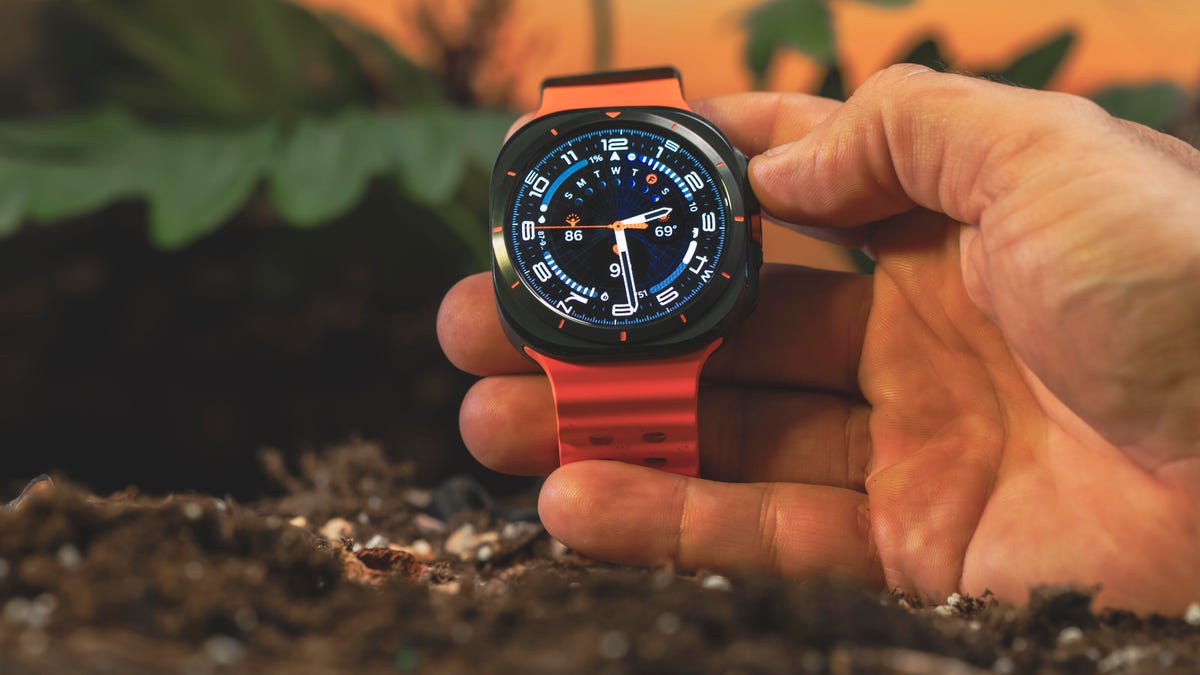
Samsung’s next high-end Galaxy Watch could support faster 5G speeds, but if this leak is true, it will depend on where you live. The rumored Samsung Galaxy Watch Ultra 2 might come in 5G and 4G cellular models, with availability for each smartwatch depending on the country.
According to the Dutch website Galaxy Club (and spotted by SamMobile), Samsung’s servers may have revealed a series of model numbers that point to 5G, 4G and Wi-Fi-enabled editions of the next Galaxy Watch Ultra, which would succeed the original model that debuted in 2024.
A representative for Samsung did not immediately respond to a request for comment.
The Galaxy Club website speculates that the 5G edition would be sold in the US and Korean markets, while the 4G edition would sell in the rest of the world. In the US, a 5G version of the Galaxy Watch Ultra would rival the 5G-enabled $799 Apple Watch Ultra 3, which debuted last fall. The 4G edition would have broader compatibility worldwide, since the earlier network is far more established.
It will likely be a few months until we hear anything official about the Galaxy Watch Ultra 2. Samsung typically unveils its new watches in the summer alongside its Galaxy Z Fold and Z Flip foldable phones. Last year, Samsung unveiled the Galaxy Watch 8 and the Galaxy Watch 8 Classic, but otherwise left the prior 2024 Ultra in the lineup for those looking for a larger 47mm smartwatch.
Technologies
2 Cases Show Supreme Court Isn’t Holding ISPs Responsible for Piracy
Technologies
Today’s NYT Connections Hints, Answers and Help for April 8, #1032
Here are some hints and the answers for the NYT Connections puzzle for April 8, No. 1032.
Looking for the most recent Connections answers? Click here for today’s Connections hints, as well as our daily answers and hints for The New York Times Mini Crossword, Wordle, Connections: Sports Edition and Strands puzzles.
Today’s NYT Connections puzzle is kind of tough. The purple category is a fun one, once you see the connection. Read on for clues and today’s Connections answers.
The Times has a Connections Bot, like the one for Wordle. Go there after you play to receive a numeric score and to have the program analyze your answers. Players who are registered with the Times Games section can now nerd out by following their progress, including the number of puzzles completed, win rate, number of times they nabbed a perfect score and their win streak.
Read more: Hints, Tips and Strategies to Help You Win at NYT Connections Every Time
Hints for today’s Connections groups
Here are four hints for the groupings in today’s Connections puzzle, ranked from the easiest yellow group to the tough (and sometimes bizarre) purple group.
Yellow group hint: In the group.
Green group hint: Appearance details.
Blue group hint: Often found in gyms.
Purple group hint: They help you see.
Answers for today’s Connections groups
Yellow group: Cohort member.
Green group: Aesthetic.
Blue group: Kinds of bar apparatuses.
Purple group: Eyewear in the singular.
Read more: Wordle Cheat Sheet: Here Are the Most Popular Letters Used in English Words
What are today’s Connections answers?
The yellow words in today’s Connections
The theme is cohort member. The four answers are associate, colleague, fellow and peer.
The green words in today’s Connections
The theme is aesthetic. The four answers are design, look, scheme and style.
The blue words in today’s Connections
The theme is kinds of bar apparatuses. The four answers are monkey, parallel, pull-up and uneven.
The purple words in today’s Connections
The theme is eyewear in the singular. The four answers are contact, goggle, shade and spectacle.
-
 Technologies3 года ago
Tech Companies Need to Be Held Accountable for Security, Experts Say
-
 Technologies3 года ago
Best Handheld Game Console in 2023
-
 Technologies3 года ago
Tighten Up Your VR Game With the Best Head Straps for Quest 2
-
 Technologies4 года ago
Black Friday 2021: The best deals on TVs, headphones, kitchenware, and more
-
 Technologies5 лет ago
Google to require vaccinations as Silicon Valley rethinks return-to-office policies
-
 Technologies5 лет ago
Verum, Wickr and Threema: next generation secured messengers
-
 Technologies4 года ago
Olivia Harlan Dekker for Verum Messenger
-
 Technologies4 года ago
The number of Сrypto Bank customers increased by 10% in five days