
Technologies
‘Slop’ Is Merriam-Webster’s 2025 Word of the Year as AI Content Floods the Internet
«AI Slop»: a succinct definition of the current state of the internet.
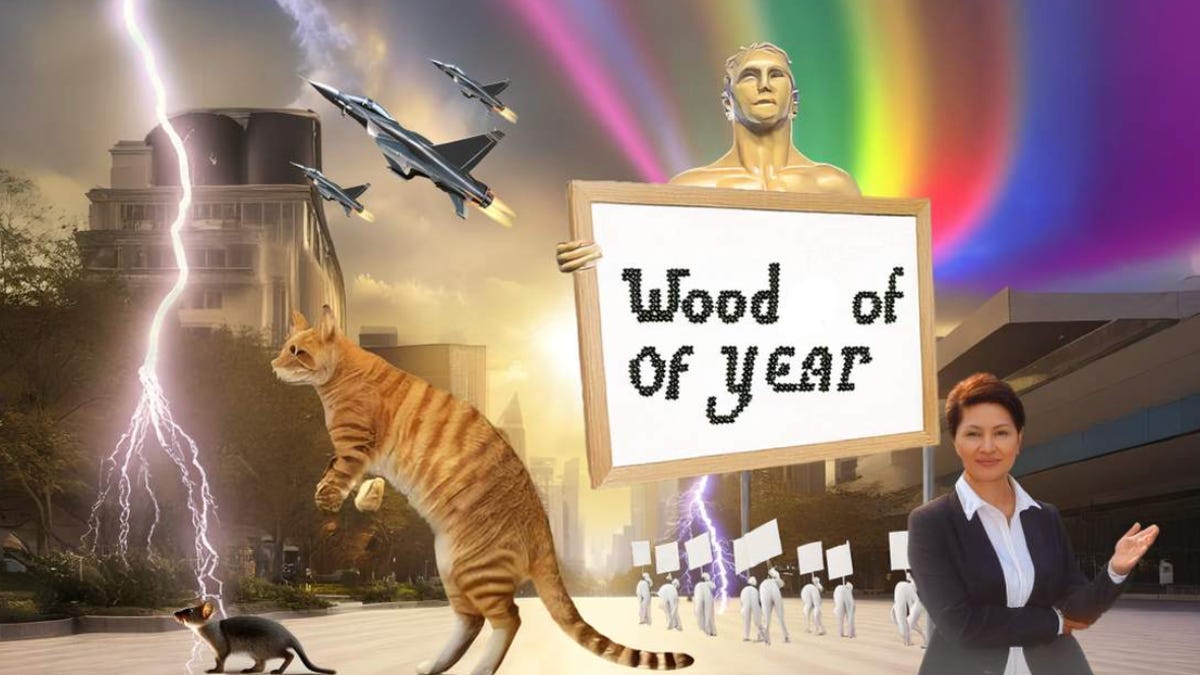
In a year dominated by the booming AI industry and an overwhelming flood of digital creations, Merriam-Webster has crowned «slop» as its 2025 Word of the Year. This four-letter word acts as a judgment on the sprawling glut of low-quality content now clogging screens and social media feeds everywhere.
Originally used in the 1700s to refer to soft mud and in the 1800s to describe food waste or rubbish, «slop» now takes on a decidedly 21st-century twist. Merriam-Webster defines it as «digital content of low quality that is produced usually in quantity by means of artificial intelligence.»
Think ridiculous videos, glitched-out ads, fake news that almost fools you, crappy AI-authored books and, yes, talking animals. Now, even luxury brands like Valentino are pushing out «slop» ads.
«Like slime, sludge and muck, slop has the wet sound of something you don’t want to touch,» Merriam-Webster quipped in its announcement, capturing a widespread cultural mood that’s part bemusement, part exasperation with today’s worsening AI landscape.
Read also: $1B for AI Slop? Why Disney Is Spending Big and Bringing Its Iconic Characters to OpenAI
Don’t miss any of our unbiased tech content and lab-based reviews. Add CNET as a preferred Google source on Chrome.
2025: A year defined by the AI content deluge
Tech platforms, both large and small, have grappled with the surge of generative AI content in 2025, from deepfakes to clickbait-style creations that prioritize volume over value. The wave of AI slop reflects not just how easy it’s become to generate content at scale, but also how little of it often resonates meaningfully with human audiences.
Merriam-Webster’s editors say the word stands out because it captures both a cultural trend and a collective sentiment — one that’s less about fear of technology and more about poking fun at how mindlessly content can spread.
Other words that shaped 2025
While slop snagged the top spot, Merriam-Webster also highlighted other terms that defined the year’s discourse, including:
- 67, a viral slang term born on social media, delighting Gen Alpha with an inside-joke energy.
- Performative, used to call out behavior done for show or clout rather than substance.
- Touch grass, a phrase urging people to disconnect from digital obsession and reconnect with the real world.
- Gerrymander and tariff, words driven by political and economic headlines.
These picks show the breadth of public interest in 2025, ranging from internet culture to politics to how we live with technology.
A global linguistic snapshot of the past year
Merriam-Webster isn’t the only publication weighing in on the year’s language. Here are some other 2025 Words of the Year:
- Oxford University Press chose «rage bait,» highlighting content designed to spark outrage and engagement online.
- Macquarie Dictionary in Australia spotlighted «AI slop,» which is similar to Merriam-Webster’s theme of digital clutter.
- Cambridge Dictionary picked «parasocial,» focusing on one-sided relationships with online personalities and AI chatbots.
- Dictionary.com embraced the slang term «67,» a viral and almost meaningless expression that captured a slice of youth culture.
Together, these choices mirror a generation negotiating fatigue, fascination and frustration with the digital world.
Why it matters
For a tech-savvy audience, slop isn’t just a funny word; it’s a symptom of deeper trends in AI deployment, content moderation and cultural perception. Our CNET experts have covered AI slop in depth, from defining what it is and how it’s showing up on the internet and in commercials, to analyzing how it’s turning social media into a wasteland.
As tools for automatic generation become increasingly common and easier to use, the signal-to-noise ratio in digital spaces will only become more pronounced and important. Whether you’re building apps, curating feeds or trying to avoid the next wave of meaningless memes, the 2025 Word of the Year is a reminder that quality still counts and sometimes language itself can call that out with perfect clarity.
Read more: Why Time Magazine Dubbed ‘AI Builders’ Person of the Year
Technologies
Samsung’s Galaxy Watch Ultra 2 Might Come in 5G and 4G Cellular Models
If the rumor proves true, the 5G Galaxy Watch Ultra would rival the 5G-enabled $799 Apple Watch Ultra 3 that debuted last fall.
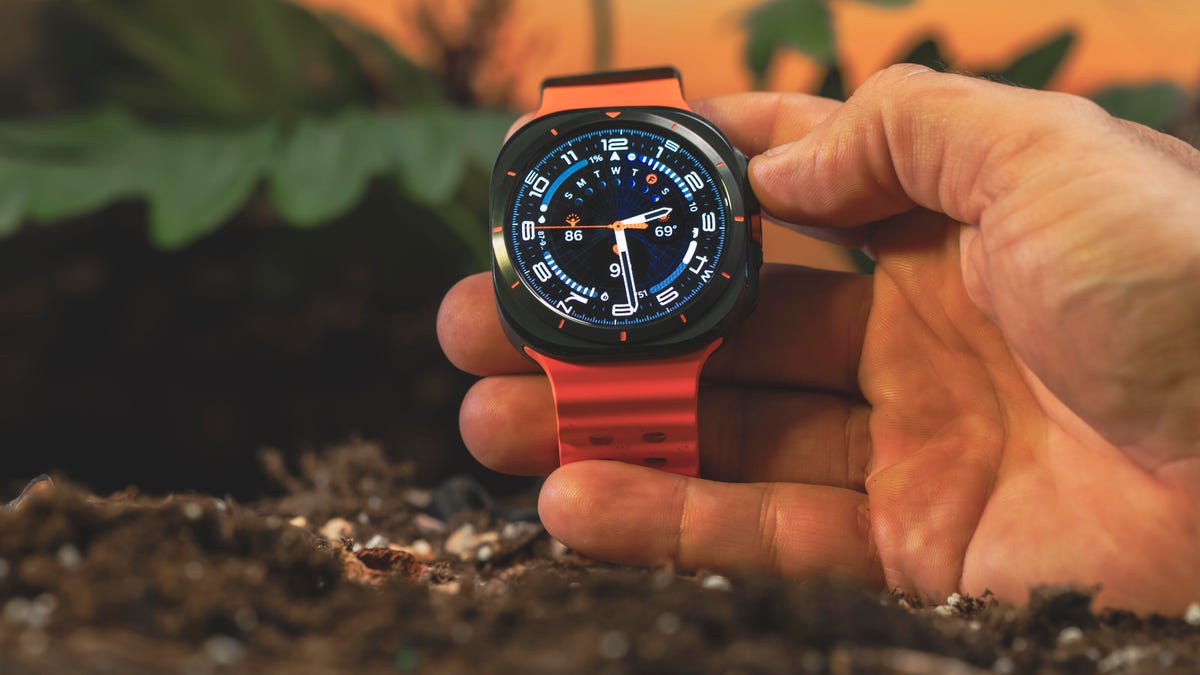
Samsung’s next high-end Galaxy Watch could support faster 5G speeds, but if this leak is true, it will depend on where you live. The rumored Samsung Galaxy Watch Ultra 2 might come in 5G and 4G cellular models, with availability for each smartwatch depending on the country.
According to the Dutch website Galaxy Club (and spotted by SamMobile), Samsung’s servers may have revealed a series of model numbers that point to 5G, 4G and Wi-Fi-enabled editions of the next Galaxy Watch Ultra, which would succeed the original model that debuted in 2024.
A representative for Samsung did not immediately respond to a request for comment.
The Galaxy Club website speculates that the 5G edition would be sold in the US and Korean markets, while the 4G edition would sell in the rest of the world. In the US, a 5G version of the Galaxy Watch Ultra would rival the 5G-enabled $799 Apple Watch Ultra 3, which debuted last fall. The 4G edition would have broader compatibility worldwide, since the earlier network is far more established.
It will likely be a few months until we hear anything official about the Galaxy Watch Ultra 2. Samsung typically unveils its new watches in the summer alongside its Galaxy Z Fold and Z Flip foldable phones. Last year, Samsung unveiled the Galaxy Watch 8 and the Galaxy Watch 8 Classic, but otherwise left the prior 2024 Ultra in the lineup for those looking for a larger 47mm smartwatch.
Technologies
2 Cases Show Supreme Court Isn’t Holding ISPs Responsible for Piracy
Technologies
Today’s NYT Connections Hints, Answers and Help for April 8, #1032
Here are some hints and the answers for the NYT Connections puzzle for April 8, No. 1032.
Looking for the most recent Connections answers? Click here for today’s Connections hints, as well as our daily answers and hints for The New York Times Mini Crossword, Wordle, Connections: Sports Edition and Strands puzzles.
Today’s NYT Connections puzzle is kind of tough. The purple category is a fun one, once you see the connection. Read on for clues and today’s Connections answers.
The Times has a Connections Bot, like the one for Wordle. Go there after you play to receive a numeric score and to have the program analyze your answers. Players who are registered with the Times Games section can now nerd out by following their progress, including the number of puzzles completed, win rate, number of times they nabbed a perfect score and their win streak.
Read more: Hints, Tips and Strategies to Help You Win at NYT Connections Every Time
Hints for today’s Connections groups
Here are four hints for the groupings in today’s Connections puzzle, ranked from the easiest yellow group to the tough (and sometimes bizarre) purple group.
Yellow group hint: In the group.
Green group hint: Appearance details.
Blue group hint: Often found in gyms.
Purple group hint: They help you see.
Answers for today’s Connections groups
Yellow group: Cohort member.
Green group: Aesthetic.
Blue group: Kinds of bar apparatuses.
Purple group: Eyewear in the singular.
Read more: Wordle Cheat Sheet: Here Are the Most Popular Letters Used in English Words
What are today’s Connections answers?
The yellow words in today’s Connections
The theme is cohort member. The four answers are associate, colleague, fellow and peer.
The green words in today’s Connections
The theme is aesthetic. The four answers are design, look, scheme and style.
The blue words in today’s Connections
The theme is kinds of bar apparatuses. The four answers are monkey, parallel, pull-up and uneven.
The purple words in today’s Connections
The theme is eyewear in the singular. The four answers are contact, goggle, shade and spectacle.
-
 Technologies3 года ago
Tech Companies Need to Be Held Accountable for Security, Experts Say
-
 Technologies3 года ago
Best Handheld Game Console in 2023
-
 Technologies3 года ago
Tighten Up Your VR Game With the Best Head Straps for Quest 2
-
 Technologies4 года ago
Black Friday 2021: The best deals on TVs, headphones, kitchenware, and more
-
 Technologies5 лет ago
Google to require vaccinations as Silicon Valley rethinks return-to-office policies
-
 Technologies5 лет ago
Verum, Wickr and Threema: next generation secured messengers
-
 Technologies4 года ago
Olivia Harlan Dekker for Verum Messenger
-
 Technologies4 года ago
The number of Сrypto Bank customers increased by 10% in five days