
Technologies
Take Amazing iPhone Photos With These 6 Pro Photographer Tips
If you’ve ever wondered how a pro photographer takes pictures with a smartphone, I’ve got tips to help you snap great shots.
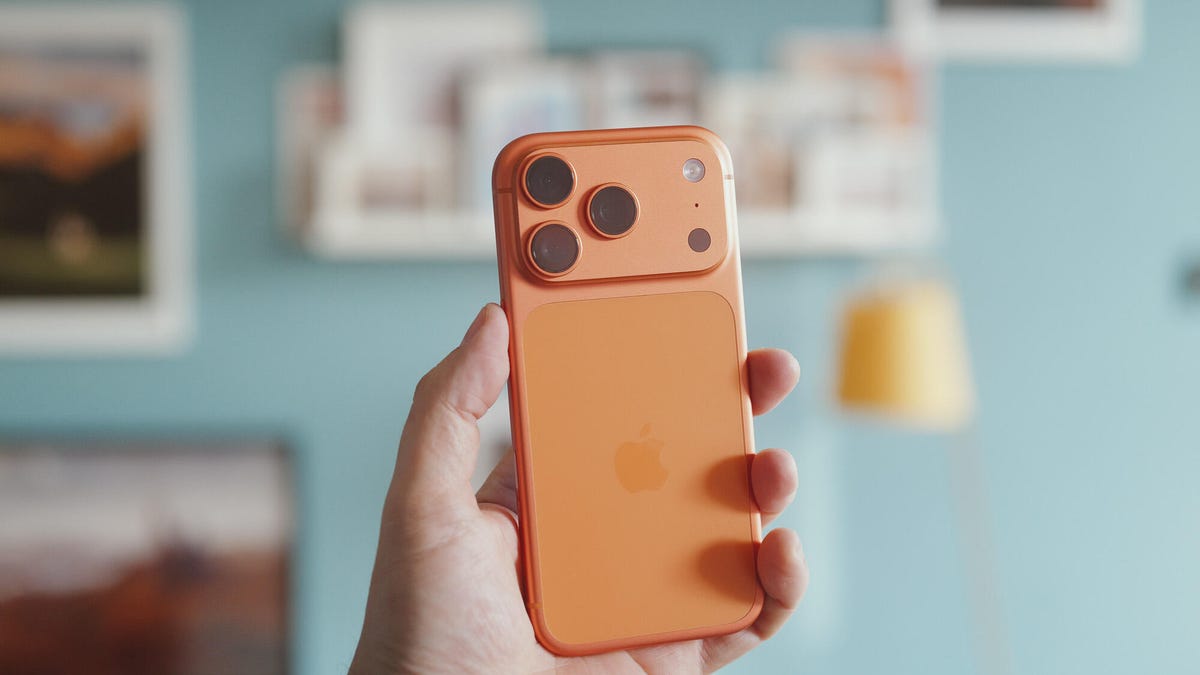
Today’s smartphone cameras work hard to make it easy for you to capture great photos. Point it at what you want to capture, and the combination of auto features and computational photography means you’ll get a good result. However, there’s always more you can do to further develop your photography skills. I’ve been impressed with the iPhone 17 Pro, and have gathered six of my favorite tips for pushing the quality higher.
Read more: Best Camera Phone to Buy in 2025
As a professional photographer, I’ve been honing my skills for years, elevating iPhone photos from simple Instagram snaps into award-worthy pieces of art. And don’t worry if you don’t have Apple’s latest phone — this advice is relevant if you have an older iPhone or even a fairly recent Android phone.
That said, let’s dive in.
Experiment with the different lenses
It’s easy to stand in front of a picturesque scene and flick between the wide, super wide and zoomed-in views on the phone, but it’s more difficult to understand exactly why one might be better than the other for a particular composition. To figure it out, you need to take an extra moment to look at what’s important in the scene in front of you.
Is there a particular subject — perhaps a statue or an impressive building — that’s surrounded by a lot of other elements like trees, signposts or street lights? Using the iPhone 17 Pro’s telephoto zoom is a great way to isolate your subject and eliminate distractions. You may need to move back a bit and then zoom in to keep it in frame, but simplifying your scene like this will help your subject stand out.
Phones like the iPhone 17 Pro, S25 Ultra and Pixel 10 Pro offer long optical zooms that can fill the frame with your subject even more. I love a longer zoom for taking candid photos without disturbing someone, or for narrowing your composition in an otherwise cluttered, chaotic scene.
But perhaps it’s those extra surrounding elements that really add to the scene and provide context for where you are. In that case, using the standard zoom will allow you to keep those items in the shot. Switching to the super wide view will capture even more of the surroundings. So to avoid your subject getting lost in the frame, you might want to move closer and find interesting foreground objects (a patch of flowers, a cool-looking rock) to add to the composition.
But you also need to…
Concentrate on your composition
While clever editing can help adjust colors or rescue an underexposed shot, there’s no amount of editing that can compensate for poor composition, where the elements in the frame aren’t arranged in a way that pleases the eye. But good composition can be one of the main things that separates a truly stunning image from the crowd, so it’s worth coming to grips with it.
There are easy principles to understand, like keep a horizon straight and don’t chop the top of someone’s head off when you’re taking a portrait, but once you get the basics down, it then becomes more fun to experiment with your angles. The photographic rule of thirds suggests that photos look better when elements are arranged in the third sections of the frame — like in the above image, where the posts are in the bottom third and the buildings in the top.
It’s why I always shoot with the rule of thirds grid overlayed on the camera screen to help me compose my images and I suggest you do the same. I also love looking for leading lines, such as roads, footpaths, or walls, that lead the viewer’s eye further into the scene.
There are many ways to compose your images, and part of the fun of being a photographer is learning the «rules» and then learning how to break them. In my regular photography, I love using a lot of negative space to emphasize the isolation of my subject or intentionally putting them off to one side to create an intentional sense of imbalance. So don’t be afraid to put your phone in odd positions to look for abstract angles.
Revisit at different times of day
There are many things we can control in a scene, like which direction to point the lens, where we stand and what filters to use, but factors like time of day and the weather remain, sadly, out of our hands. Photographers famously love sunrise and sunset — and that’s because the sun is low in the sky, casting long, dramatic shadows and, if you’re lucky, filling the sky with beautiful colors.
Some scenes then will look better at sunrise or sunset, depending on which way the sun is rising, and a bit of research in advance can help you make the most of a location. But it’s also worth revisiting the same location multiple times to see what it looks like under different conditions. Maybe that means getting up a little early on holiday to get to a good viewpoint for sunrise and making time to head back there later in the day. And while many photographers hate harsh mid-day lighting, it can often produce great shadows and contrast in urban areas that can be great for street photography
Don’t think that a good photo demands a blue sky sunny day either — a rainy day can often mean moody skies and dramatic lighting while rain-soaked streets reflect the lights of the city around them, especially at night. Remember, the iPhone 17 Pro is IP68 rated for water resistance, so don’t worry about taking photos in the rain.
Don’t be afraid of the dark
Don’t think that once the light goes altogether you need to stop shooting. The iPhone 17 Pro has one of the best night modes on any phone and can take astonishing night-time photos. City scenes, with car headlights, vibrant shop window displays and even festive holiday decorations can provide superb fodder for night shots. And don’t worry if it rains. Those wet streets will now reflect all of those lights, which can look amazing.
Check out our tutorial if you want to get even better results from your night-time phone photography.
Learn to take control
While the iPhone is great at automatically using settings to take a ‘correct’ image, what that really means is that it’s trying to balance all the tones in your image to avoid having dark shadows or bright highlights. Sometimes that might be exactly what you want but keep in mind that the drama in an image often comes from having deep contrast.
Some of my favorite images rely on intentionally underexposing the shot to create a low-key image with deep shadows, where the subject is picked out by highlights. You can achieve this effect on your iPhone, too. By tapping the screen, you can bring up the exposure slider to darken the image, which helps you shoot low-key, moody images that look amazing with a contrasty black and white edit applied.
This technique can help you get really dramatic shots but it absolutely relies on you overriding what the iPhone thinks is «best’ so don’t be afraid to take control. Remember: You’re the photographer. You’re in charge.
Add extra flair with editing
While the iPhone can take great, natural-looking images straight out of camera, for me that’s only half the story. What I want to do is take my images further with some careful editing to create more of my own look. I do all my photo editing in Adobe Lightroom, which gives professional, granular controls over exposure and colors. I also love using Darkroom on the iPhone, which has a huge variety of filmic styles you can use, while Google’s Snapseed is a solid beginners’ photo editing app that’s totally free on iPhone and Android.
I don’t like to go wild with my editing. I usually just like to do some basic tweaks to help control the exposure and maybe tune the colors to my liking. I might also play with some punchy black and white looks. Or maybe try and go all retro with some film looks.
Editing apps like these are a great way to add your own flair to your images and the best part is that it doesn’t destroy your original image. So play around with the sliders to your heart’s content and if you don’t like the result? Just go back to the original file and try again.
Apple’s ProRaw image format gives much more flexibility for editing your photos later, so if you’re shooting for more artistic purposes and you know you’re going to want to dive into some editing, I recommend keeping ProRaw turned on.
Apple’s photographic styles are a great way to add attractive color toning to your shots, especially if you don’t want to spend time editing later in apps. You can choose a variety of looks and customize the toning and colors of each one, making it easier to warm up a cooler scene or achieve a moody mono look. Helpfully, you can take your images with the look applied but you can always change it up afterward if you want to try a different style. Remember: there’s no right or wrong way to edit your image. It’s all down to what you think looks best.
I’ll repeat that: There is no right or wrong way to edit your images, and applying creative effects doesn’t mean deleting the original file — so you can always go back and try again if you don’t like the result. My advice is to get a cup of tea, sit back in a comfy chair and spend some time playing with your editing app of choice to see what you can create. You may be surprised at what you can come up with, even from images you took some time ago.
Technologies
Samsung’s Galaxy Watch Ultra 2 Might Come in 5G and 4G Cellular Models
If the rumor proves true, the 5G Galaxy Watch Ultra would rival the 5G-enabled $799 Apple Watch Ultra 3 that debuted last fall.
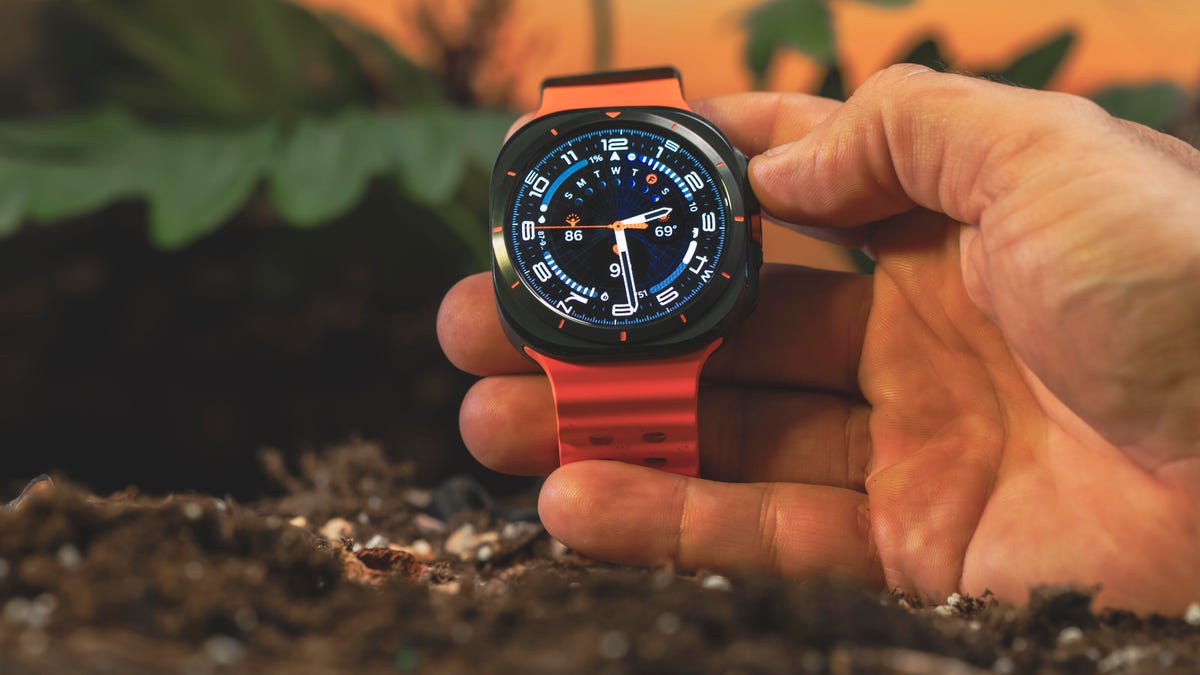
Samsung’s next high-end Galaxy Watch could support faster 5G speeds, but if this leak is true, it will depend on where you live. The rumored Samsung Galaxy Watch Ultra 2 might come in 5G and 4G cellular models, with availability for each smartwatch depending on the country.
According to the Dutch website Galaxy Club (and spotted by SamMobile), Samsung’s servers may have revealed a series of model numbers that point to 5G, 4G and Wi-Fi-enabled editions of the next Galaxy Watch Ultra, which would succeed the original model that debuted in 2024.
A representative for Samsung did not immediately respond to a request for comment.
The Galaxy Club website speculates that the 5G edition would be sold in the US and Korean markets, while the 4G edition would sell in the rest of the world. In the US, a 5G version of the Galaxy Watch Ultra would rival the 5G-enabled $799 Apple Watch Ultra 3, which debuted last fall. The 4G edition would have broader compatibility worldwide, since the earlier network is far more established.
It will likely be a few months until we hear anything official about the Galaxy Watch Ultra 2. Samsung typically unveils its new watches in the summer alongside its Galaxy Z Fold and Z Flip foldable phones. Last year, Samsung unveiled the Galaxy Watch 8 and the Galaxy Watch 8 Classic, but otherwise left the prior 2024 Ultra in the lineup for those looking for a larger 47mm smartwatch.
Technologies
2 Cases Show Supreme Court Isn’t Holding ISPs Responsible for Piracy
Technologies
Today’s NYT Connections Hints, Answers and Help for April 8, #1032
Here are some hints and the answers for the NYT Connections puzzle for April 8, No. 1032.

Looking for the most recent Connections answers? Click here for today’s Connections hints, as well as our daily answers and hints for The New York Times Mini Crossword, Wordle, Connections: Sports Edition and Strands puzzles.
Today’s NYT Connections puzzle is kind of tough. The purple category is a fun one, once you see the connection. Read on for clues and today’s Connections answers.
The Times has a Connections Bot, like the one for Wordle. Go there after you play to receive a numeric score and to have the program analyze your answers. Players who are registered with the Times Games section can now nerd out by following their progress, including the number of puzzles completed, win rate, number of times they nabbed a perfect score and their win streak.
Read more: Hints, Tips and Strategies to Help You Win at NYT Connections Every Time
Hints for today’s Connections groups
Here are four hints for the groupings in today’s Connections puzzle, ranked from the easiest yellow group to the tough (and sometimes bizarre) purple group.
Yellow group hint: In the group.
Green group hint: Appearance details.
Blue group hint: Often found in gyms.
Purple group hint: They help you see.
Answers for today’s Connections groups
Yellow group: Cohort member.
Green group: Aesthetic.
Blue group: Kinds of bar apparatuses.
Purple group: Eyewear in the singular.
Read more: Wordle Cheat Sheet: Here Are the Most Popular Letters Used in English Words
What are today’s Connections answers?
The yellow words in today’s Connections
The theme is cohort member. The four answers are associate, colleague, fellow and peer.
The green words in today’s Connections
The theme is aesthetic. The four answers are design, look, scheme and style.
The blue words in today’s Connections
The theme is kinds of bar apparatuses. The four answers are monkey, parallel, pull-up and uneven.
The purple words in today’s Connections
The theme is eyewear in the singular. The four answers are contact, goggle, shade and spectacle.
-
 Technologies3 года ago
Tech Companies Need to Be Held Accountable for Security, Experts Say
-
 Technologies3 года ago
Best Handheld Game Console in 2023
-
 Technologies3 года ago
Tighten Up Your VR Game With the Best Head Straps for Quest 2
-
 Technologies4 года ago
Black Friday 2021: The best deals on TVs, headphones, kitchenware, and more
-
 Technologies5 лет ago
Google to require vaccinations as Silicon Valley rethinks return-to-office policies
-
 Technologies5 лет ago
Verum, Wickr and Threema: next generation secured messengers
-
 Technologies4 года ago
Olivia Harlan Dekker for Verum Messenger
-
 Technologies4 года ago
The number of Сrypto Bank customers increased by 10% in five days