
Technologies
iPhone 17 Owners: Not Enjoying the AI Button? Here’s How I Turned Mine Off for Good
Commentary: I made my iPhone a little bit dumber, and I’m never going back.
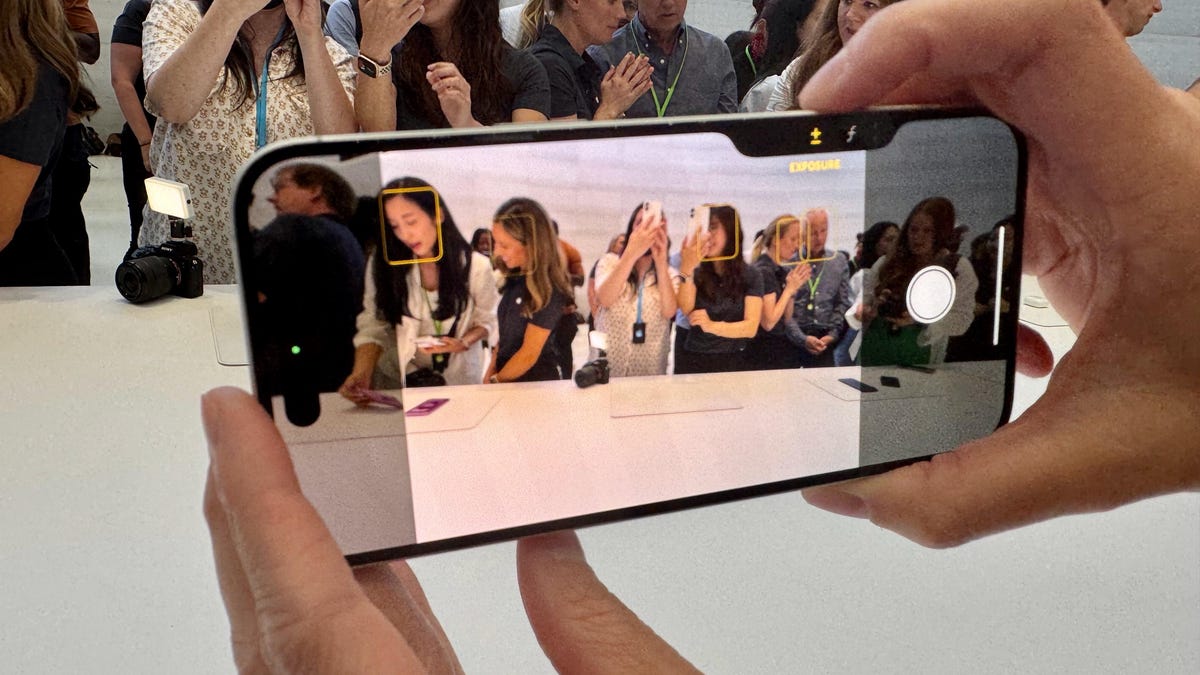
The iPhone 17 is here. As I’m watching folks get the new iPhone Air and other new Apple accessories online, I’ve been reminiscing about how excited I was to upgrade to the iPhone 16 last fall. I was ready to channel my inner photographer with the nicer cameras, not worry too much about charging it every night, thanks to better battery life and — very exciting to me — to have a phone in a new Barbie pink color. But what I didn’t expect was that one new addition would threaten to ruin my entire experience with my brand-new phone.
If you’ve upgraded from an older iPhone in the past few years, you might have been surprised to see two new buttons on the newer devices: the action and camera control buttons. The action button is a small button above the volume adjusters. It was introduced with the iPhone 15 Pro models and is a customizable button that can do anything from turning your ringer on to ordering your Dunkin’ coffee to go. It’s small, demure and minds its own business.
It’s the camera control button that causes all the chaos.
Camera control is a new button on the iPhone 16 lineup that does what the name suggests: It controls your camera. It’s meant to help you quickly snap photos and serves as a shortcut to launching your camera app. You can slide your finger through a mini settings menu to adjust your camera’s zoom, among other things. But there’s one true reason for the button’s existence: AI. All of the iPhone 17 models have this button, too.
Like every other tech company, Apple has been heavily investing in artificial intelligence. Apple Intelligence has been the driving force behind much of the company’s innovation, with lots of AI updates in the new iOS 26. But there’s no bigger sign of Apple’s dive into AI than the camera control button. It’s the physical pathway into Visual Intelligence, a new AI-powered feature that lets you use your camera to scan objects in the real world to get more information on them. It sounds snazzy, but it’s completely pointless to me, and it’s a feature I have never been enticed to use.
There are other use cases for the camera control button, including ways to customize your button’s settings, as my colleagues have found through their testing. But that doesn’t change the fact that my camera control button is so completely annoying.
It’s a long button, about the size of the power button, located on the lower right side of the device. And it’s very, very easy to tap by accident. I’ve opened my camera while putting my phone in my pocket, while I’m driving and using navigation apps and once as I was turning off my phone for the night, which left the camera app open the whole night and drained my phone’s battery.
And if that wasn’t annoying enough, every time I actually intended to open my camera via camera control, it took several taps to do so. Go figure.
While I had camera control enabled, my camera roll included stunning shots like these:
I ask you: What is the point of a button that works when you don’t need it and doesn’t work when you do? There are already three ways to access your iPhone’s camera from the lock screen that take literal seconds to use. Camera control is a very expensive, very unreliable addition to the newer iPhones, all for the sake of AI features that many people don’t need or use. There hasn’t been one moment since I turned camera control off that I’ve missed it.
I realize my gripes with camera control are minor complaints among what has been an overall positive experience with my new phone. But as an AI reporter, I can’t help but see this as a troubling sign. So many tech companies have overhauled their software and devices to be AI-friendly, whether it’s Google spamming us with Gemini pop-ups in every single Google app, the new Copilot button on Microsoft Windows laptops or Apple’s camera control button.
Tech companies are too eager to get on the AI train and haven’t given enough thought to whether those features enhance or just derail our experience using their products. And not enough offer opt-out options. Thankfully for me and my camera roll, Apple does. But I hope in the future, such drastic measures won’t be necessary as companies become more intentional with their AI-enabling features.
If you want to join me in making your camera control button obsolete, you can navigate to your iPhone’s settings and select camera. Then, tap camera control. Within camera control, select accessibility, and then toggle off camera control. If you’re also experiencing the hyper-sensitivity, you can adjust how many taps (and the pressure needed) to trigger the button in that same accessibility page under light-press force.
For more, check out our hands-on experience with the iPhone 17 Pro and Pro Max.
Technologies
Today’s NYT Connections: Sports Edition Hints and Answers for April 8, #562
Here are hints and the answers for the NYT Connections: Sports Edition puzzle for April 8 No. 562.
Looking for the most recent regular Connections answers? Click here for today’s Connections hints, as well as our daily answers and hints for The New York Times Mini Crossword, Wordle and Strands puzzles.
Today’s Connections: Sports Edition is a tough one. If you’re struggling with today’s puzzle but still want to solve it, read on for hints and the answers.
Connections: Sports Edition is published by The Athletic, the subscription-based sports journalism site owned by The Times. It doesn’t appear in the NYT Games app, but it does in The Athletic’s own app. Or you can play it for free online.
Read more: NYT Connections: Sports Edition Puzzle Comes Out of Beta
Hints for today’s Connections: Sports Edition groups
Here are four hints for the groupings in today’s Connections: Sports Edition puzzle, ranked from the easiest yellow group to the tough (and sometimes bizarre) purple group.
Yellow group hint: Working out.
Green group hint: Cover your face.
Blue group hint: NFL players.
Purple group hint: Leap.
Answers for today’s Connections: Sports Edition groups
Yellow group: Exercises in singular form.
Green group: Sporting jobs that require masks.
Blue group: Hall of Fame defensive ends.
Purple group: ____ jump.
Read more: Wordle Cheat Sheet: Here Are the Most Popular Letters Used in English Words
What are today’s Connections: Sports Edition answers?
The yellow words in today’s Connections
The theme is exercises in singular form. The four answers are crunch, plank, situp and squat.
The green words in today’s Connections
The theme is sporting jobs that require masks. The four answers are catcher, fencer, football player and goaltender.
The blue words in today’s Connections
The theme is Hall of Fame defensive ends. The four answers are Dent, Peppers, Strahan and Youngblood.
The purple words in today’s Connections
The theme is ____ jump. The four answers are broad, high, long and triple.
Technologies
The $135M Google Data Settlement Site Is Live — See If You’re Eligible
Use the settlement website to select your preferred payment method, and you may end up $100 richer.
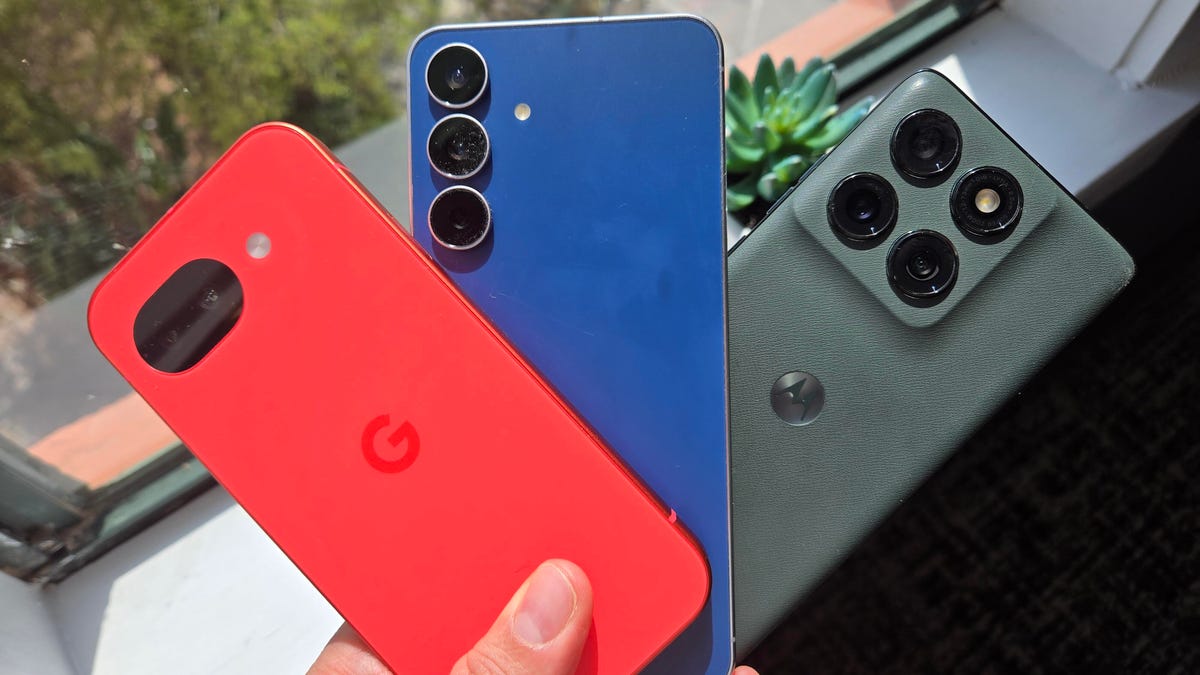
You can now file a claim in the $135 million Google data settlement. The case centers on claims that Android devices transmitted user data without consent. Specifically, the class action lawsuit Taylor v. Google LLC contends that Google’s Android devices passively transferred cellular data to Google without user permission, even when the devices were idle. While not admitting fault, Google reached a preliminary settlement in January, agreeing to pay $135 million to about 100 million US Android phone users.
The official settlement website for the lawsuit is now live. The final approval hearing won’t occur until June 23, when the court will consider whether Google’s settlement is fair and listen to objections. After that, the court will decide whether to approve the $135 million settlement.
In the meantime, if you qualify and want to be paid as part of the settlement, you can select your preferred payment method on the official website. There, you can find information on speaking at the June 23 court hearing and on how to exclude yourself or write to the court to object by May 29.
As part of the settlement, Google will update its Google Play terms of service to clarify that certain data transfers do occur passively even when you’re not using your Android device, and that cellular data may be relied upon when not connected to Wi-Fi. This can’t always be disabled, but users will be asked to consent to it when setting up their device.
Google will also fully stop collecting data when its «allow background data usage» option is toggled off.
Who can be part of the settlement?
In order to join the Taylor v. Google LLC settlement, you must meet four qualifications:
- Be a living, individual human being in the US.
- Have used an Android mobile device with a cellular data plan.
- Have used the aforementioned device at any time from Nov. 12, 2017, to the date when the settlement receives final approval.
- You’re not a class member in the Csupo v. Google LLC lawsuit, which is similar but specifically for California residents.
The final approval hearing is on June 23, so you can add your payment method until then. The hearing’s date and time may change, and any updates will be posted on the settlement website.
If you choose to do nothing, you will still be issued a settlement payment, but you may not receive it if you don’t select a payment method.
How much will I get paid?
It’s not currently known exactly how much each settlement class member will receive, but the cap is $100. Payments will be distributed after final court approval and after any appeals are resolved.
After all administrative, tax and attorney costs are paid, the settlement administrator will attempt to pay each member an equal amount. If any funds remain after payments are sent, and it’s economically feasible, they will be redistributed to members who were previously and successfully paid. If it’s not economically feasible, the funds will go to an organization approved by the court.
Technologies
Samsung’s Galaxy Watch Ultra 2 Might Come in 5G and 4G Cellular Models
If the rumor proves true, the 5G Galaxy Watch Ultra would rival the 5G-enabled $799 Apple Watch Ultra 3 that debuted last fall.
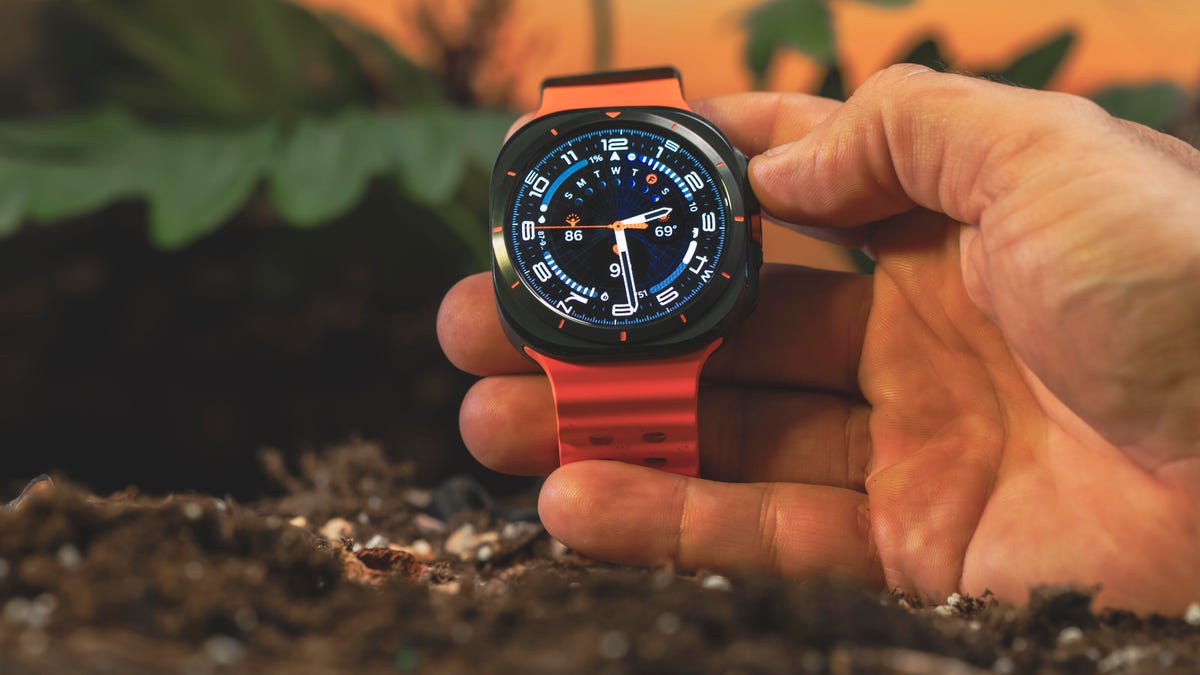
Samsung’s next high-end Galaxy Watch could support faster 5G speeds, but if this leak is true, it will depend on where you live. The rumored Samsung Galaxy Watch Ultra 2 might come in 5G and 4G cellular models, with availability for each smartwatch depending on the country.
According to the Dutch website Galaxy Club (and spotted by SamMobile), Samsung’s servers may have revealed a series of model numbers that point to 5G, 4G and Wi-Fi-enabled editions of the next Galaxy Watch Ultra, which would succeed the original model that debuted in 2024.
A representative for Samsung did not immediately respond to a request for comment.
The Galaxy Club website speculates that the 5G edition would be sold in the US and Korean markets, while the 4G edition would sell in the rest of the world. In the US, a 5G version of the Galaxy Watch Ultra would rival the 5G-enabled $799 Apple Watch Ultra 3, which debuted last fall. The 4G edition would have broader compatibility worldwide, since the earlier network is far more established.
It will likely be a few months until we hear anything official about the Galaxy Watch Ultra 2. Samsung typically unveils its new watches in the summer alongside its Galaxy Z Fold and Z Flip foldable phones. Last year, Samsung unveiled the Galaxy Watch 8 and the Galaxy Watch 8 Classic, but otherwise left the prior 2024 Ultra in the lineup for those looking for a larger 47mm smartwatch.
-
 Technologies3 года ago
Tech Companies Need to Be Held Accountable for Security, Experts Say
-
 Technologies3 года ago
Best Handheld Game Console in 2023
-
 Technologies3 года ago
Tighten Up Your VR Game With the Best Head Straps for Quest 2
-
 Technologies4 года ago
Black Friday 2021: The best deals on TVs, headphones, kitchenware, and more
-
 Technologies5 лет ago
Google to require vaccinations as Silicon Valley rethinks return-to-office policies
-
 Technologies5 лет ago
Verum, Wickr and Threema: next generation secured messengers
-
 Technologies4 года ago
Olivia Harlan Dekker for Verum Messenger
-
 Technologies4 года ago
The number of Сrypto Bank customers increased by 10% in five days