
Technologies
Pokemon TCG Pocket’s Pack Points System Needs an Overhaul Yesterday
The pack-opening pity points system is pitiful. There’s a very easy way to improve it.

Pokemon TCG Pocket is more than a mobile game: It’s a money-making machine. The virtual trading card app raked in more than $900 million in its first six months, eclipsing even Pokemon Go’s revenue in the same post-release time span. As it turns out, fake Pokemon cards are just as much of a hot commodity as the real thing.
People love ripping open card packs, hunting down ones with their favorite illustrations of fan-favorite Pokemon. It feels great to beat the odds by pulling an elaborately-inked full art or a shiny secret rare. But it really starts to irk me when I’m missing only one or two cards from a set and I can’t get lucky enough to pull them out of a pack.
Pokemon TCG Pocket has a «pity points» system that’s supposed to make this feel less terrible: Every time you open a pack, you earn five pack points, which you can directly trade in for a card of your choosing.
You can trade in 35 points for a common card, but if you want to get the rarest cards from a set, they could eat up 500 points, 1,250 points or even a whopping 2,500 points each. That means you’d have to rip open 500 card packs in order to earn a single copy of one of Pokemon TCG Pocket’s rarest cards.
It sounds absurd (and it is), but that’s to be expected for a free-to-play game, especially one where the developer makes money by encouraging players to pay for extra card pulls. My real big issue with pack points is that they’re restricted to the expansion set you earned them in.
For example, I have 210 pack points for the latest card set, Secluded Springs, and I’ve been exclusively pulling those packs since it was released. I also have 700 pack points for the game’s first-ever expansion Genetic Apex — but those points are locked to Genetic Apex, and can’t be used for any other set. I’ve accrued hundreds of pack points, but they’re essentially useless to me because they won’t help me complete the sets I’m still missing cards in.
Pokemon TCG Pocket expansion sets are released on a monthly basis, which means no one really has time to earn enough pack points for a rare card before the next shiny slate of cards is dangled in front of your eyes. It propagates a desperate sense of FOMO that I’ve criticized in the past, but there’s a simple solution that would make the problem disappear overnight.
Instead of locking pack points to any one set, they should be an account-wide currency instead. Every time you earn pack points, they should be added to one large pool that you can use on any of the in-game card sets. That way, players wouldn’t have to feel a manufactured sense of guilt for ripping open packs from older sets.
While it’s customary for gacha games to have a pity system that guarantees a certain reward after a certain amount of pulls, it’s by no means a requirement for these games to have these systems. In a sense, I’m grateful that the pack points exist in Pokemon TCG Pocket in the first place.
I think we should always argue for a more consumer-friendly experience in modern gaming. Overhauling the pity system so that pack points can be used universally across all of the in-game card sets will make the game fairer and give more players a real chance to get the rarest cards.
It creates a greater sense of parity between free-to-play and paying players, and it might even cause some people to spend more money on pack openings to boot. Universal pack points are a win-win for players and DeNA alike.
Technologies
The $135M Google Data Settlement Site Is Live — See If You’re Eligible
Use the settlement website to select your preferred payment method, and you may end up $100 richer.
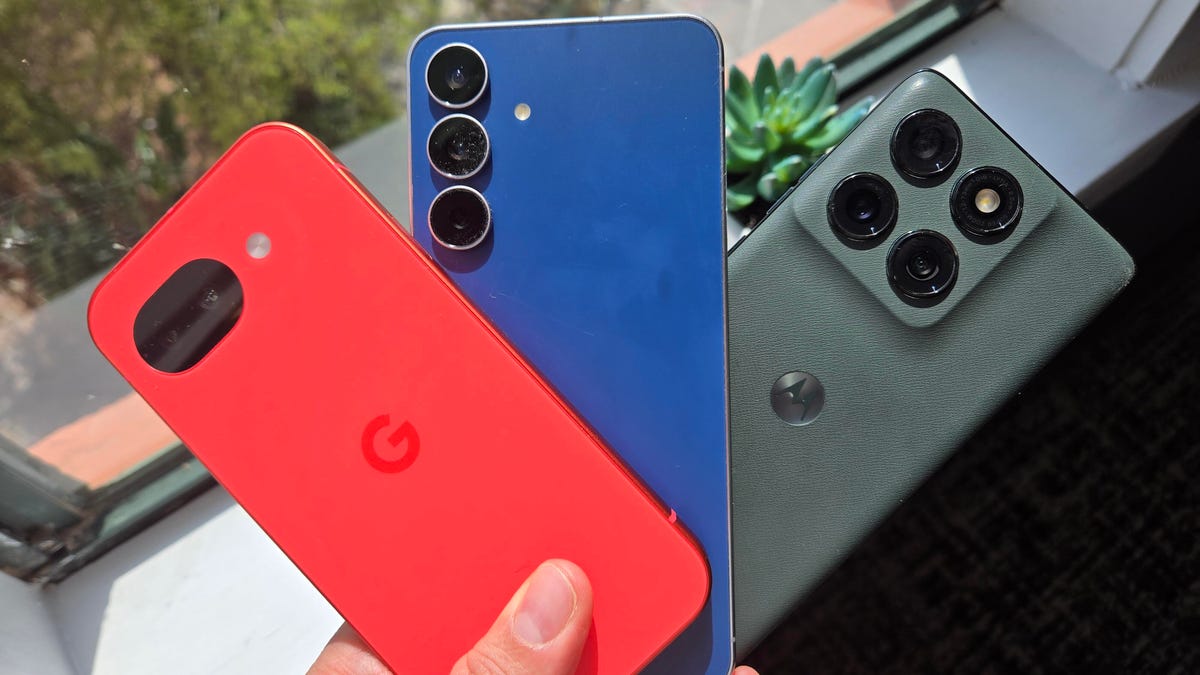
You can now file a claim in the $135 million Google data settlement. The case centers on claims that Android devices transmitted user data without consent. Specifically, the class action lawsuit Taylor v. Google LLC contends that Google’s Android devices passively transferred cellular data to Google without user permission, even when the devices were idle. While not admitting fault, Google reached a preliminary settlement in January, agreeing to pay $135 million to about 100 million US Android phone users.
The official settlement website for the lawsuit is now live. The final approval hearing won’t occur until June 23, when the court will consider whether Google’s settlement is fair and listen to objections. After that, the court will decide whether to approve the $135 million settlement.
In the meantime, if you qualify and want to be paid as part of the settlement, you can select your preferred payment method on the official website. There, you can find information on speaking at the June 23 court hearing and on how to exclude yourself or write to the court to object by May 29.
As part of the settlement, Google will update its Google Play terms of service to clarify that certain data transfers do occur passively even when you’re not using your Android device, and that cellular data may be relied upon when not connected to Wi-Fi. This can’t always be disabled, but users will be asked to consent to it when setting up their device.
Google will also fully stop collecting data when its «allow background data usage» option is toggled off.
Who can be part of the settlement?
In order to join the Taylor v. Google LLC settlement, you must meet four qualifications:
- Be a living, individual human being in the US.
- Have used an Android mobile device with a cellular data plan.
- Have used the aforementioned device at any time from Nov. 12, 2017, to the date when the settlement receives final approval.
- You’re not a class member in the Csupo v. Google LLC lawsuit, which is similar but specifically for California residents.
The final approval hearing is on June 23, so you can add your payment method until then. The hearing’s date and time may change, and any updates will be posted on the settlement website.
If you choose to do nothing, you will still be issued a settlement payment, but you may not receive it if you don’t select a payment method.
How much will I get paid?
It’s not currently known exactly how much each settlement class member will receive, but the cap is $100. Payments will be distributed after final court approval and after any appeals are resolved.
After all administrative, tax and attorney costs are paid, the settlement administrator will attempt to pay each member an equal amount. If any funds remain after payments are sent, and it’s economically feasible, they will be redistributed to members who were previously and successfully paid. If it’s not economically feasible, the funds will go to an organization approved by the court.
Technologies
Samsung’s Galaxy Watch Ultra 2 Might Come in 5G and 4G Cellular Models
If the rumor proves true, the 5G Galaxy Watch Ultra would rival the 5G-enabled $799 Apple Watch Ultra 3 that debuted last fall.
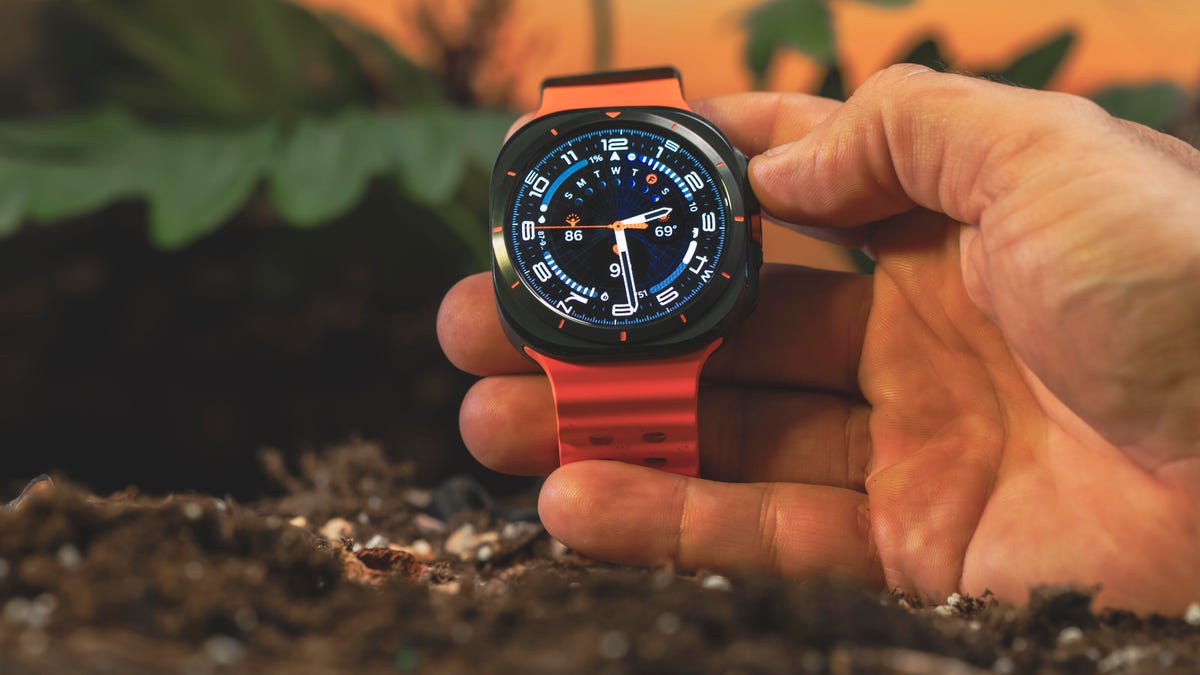
Samsung’s next high-end Galaxy Watch could support faster 5G speeds, but if this leak is true, it will depend on where you live. The rumored Samsung Galaxy Watch Ultra 2 might come in 5G and 4G cellular models, with availability for each smartwatch depending on the country.
According to the Dutch website Galaxy Club (and spotted by SamMobile), Samsung’s servers may have revealed a series of model numbers that point to 5G, 4G and Wi-Fi-enabled editions of the next Galaxy Watch Ultra, which would succeed the original model that debuted in 2024.
A representative for Samsung did not immediately respond to a request for comment.
The Galaxy Club website speculates that the 5G edition would be sold in the US and Korean markets, while the 4G edition would sell in the rest of the world. In the US, a 5G version of the Galaxy Watch Ultra would rival the 5G-enabled $799 Apple Watch Ultra 3, which debuted last fall. The 4G edition would have broader compatibility worldwide, since the earlier network is far more established.
It will likely be a few months until we hear anything official about the Galaxy Watch Ultra 2. Samsung typically unveils its new watches in the summer alongside its Galaxy Z Fold and Z Flip foldable phones. Last year, Samsung unveiled the Galaxy Watch 8 and the Galaxy Watch 8 Classic, but otherwise left the prior 2024 Ultra in the lineup for those looking for a larger 47mm smartwatch.
Technologies
2 Cases Show Supreme Court Isn’t Holding ISPs Responsible for Piracy
-
 Technologies3 года ago
Tech Companies Need to Be Held Accountable for Security, Experts Say
-
 Technologies3 года ago
Best Handheld Game Console in 2023
-
 Technologies3 года ago
Tighten Up Your VR Game With the Best Head Straps for Quest 2
-
 Technologies4 года ago
Black Friday 2021: The best deals on TVs, headphones, kitchenware, and more
-
 Technologies5 лет ago
Google to require vaccinations as Silicon Valley rethinks return-to-office policies
-
 Technologies5 лет ago
Verum, Wickr and Threema: next generation secured messengers
-
 Technologies4 года ago
Olivia Harlan Dekker for Verum Messenger
-
 Technologies4 года ago
The number of Сrypto Bank customers increased by 10% in five days