
Technologies
The Apple Watch Series 11 Could Share the Stage at Tomorrow’s Event
The Series 11 will likely headline, but rumors and iOS clues point to additional models joining the lineup at Apple’s September 9 launch event.
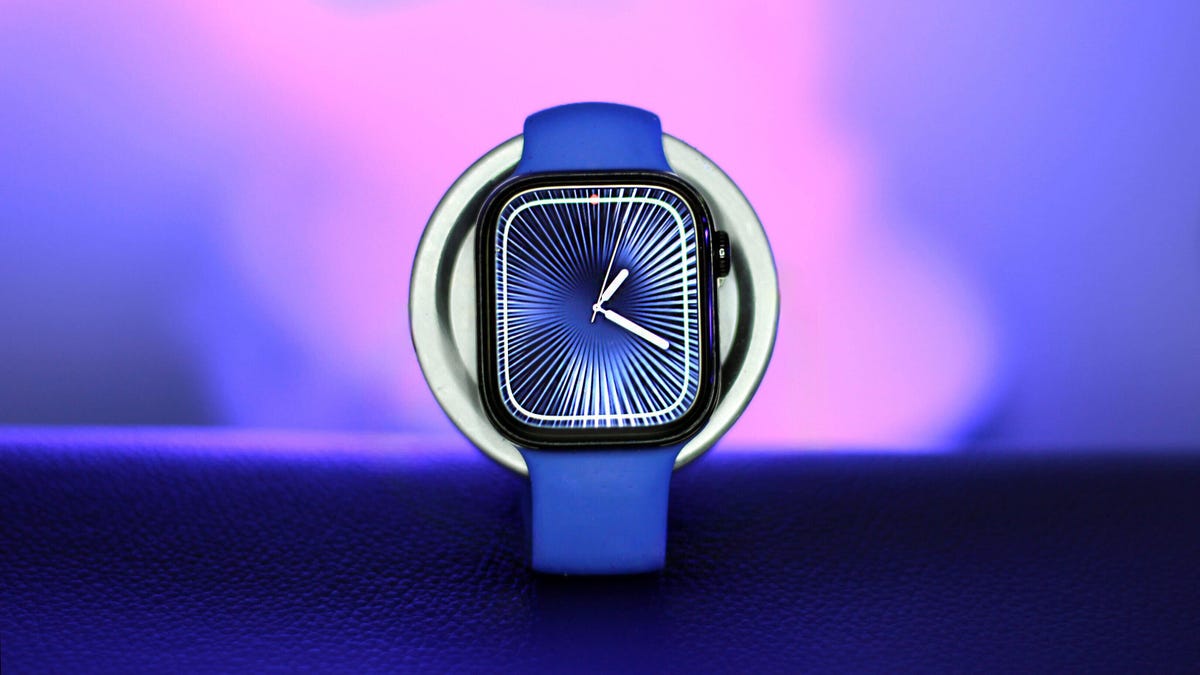
All eyes are on Apple’s Sept. 9 «awe dropping» event, where a fresh batch of Apple Watches is expected to take center stage alongside the new iPhone 17 lineup. While the Series 11 will almost certainly headline, Apple may have already tipped its hand on the next Ultra. Imagery found in the iOS 26 public beta (first spotted by MacRumors ) shows display specs that don’t match any current model, and the two-year update cycle only strengthens the case that the rugged Apple Watch Ultra 3 is on the horizon.
Follow along: The countdown has begun for the iPhone 17 to be revealed tomorrow, Sept. 9 — read the latest rumors and our predictions in CNET’s iPhone 17 Liveblog.
With the clues stacking up, here’s a look at everything we know, suspect and can reasonably expect from Apple’s 2025 smartwatch lineup.
Don’t miss any of our unbiased tech content and lab-based reviews. Add CNET as a preferred Google source.
How many Apple Watches will we get?
Based on the usual update cycle and now the latest clues in iOS 26, we’re at least getting a flagship (Series 11) and an Apple Watch Ultra 3 as revealed by a reference in Watch OS 26. Also likely is the possibility of getting a next-gen SE model, according to a report from Bloomberg’s Apple analyst Mark Gurman. The Apple Watch Ultra and the cheaper SE line haven’t exactly followed a predictable upgrade cycle but last year’s absence could prove a strong clue that 2025 could be the year that we get all three again.
According to Gurman, the new Ultra and Series 11 are mostly expected to look the same, while the SE could get a refreshed exterior. The Ultra could also get satellite connectivity and 5G RedCap network access that would bring even the most remote adventures «on the grid.»
Apple Watch Series 11 price and availability
Traditionally, new models go on sale anywhere from a few days to a couple of weeks after the keynote. This year, that could mean preorders opening on Friday, Sept. 12, with availability starting the following Friday, Sept. 19. That said, recent years have seen delays because of production issues and it’s still unclear how newly imposed tariffs might affect the launch timing and pricing in 2025. For context: the Series 10 starts at $399 for the base model, while the Ultra 2 comes in at $799. The other question is what the most expensive variant will be — solid gold, diamond-encrusted Hermès, anyone?
Apple Watch Series 11 design
The Series 11 is expected to keep the slim, flat-edged design introduced on the Series 10 (42mm and 46mm), but Apple’s new Corning partnership means all of the glass protecting the display will be made in the US. Not only does the news make for a great marketing bullet; it could also hint at improved durability, sustainability benefits and, potentially, faster repair turnarounds if replacement glass is sourced domestically.
If the leaked iOS 26 imagery holds true, the Ultra 3 will also have a similar design and slightly larger screen with a 422×514-pixel resolution (up from the Ultra 2’s 410×502 pixels). This could be achieved by slimming down the bezels while keeping the same overall case size, in keeping with Apple’s tradition of maximizing screen real estate without making the already-large Ultra any bulkier.
According to MacRumors, the Apple Watch could also get a more energy-efficient screen, maybe an improved LTPO display with higher resolution and better brightness, which, on paper, could help improve the battery life. This could be reserved for the higher-end Ultra 3, which will likely otherwise keep its original design.
Meanwhile the more affordable SE could see a more extensive design overhaul; it would keep the body of the Series 8 and, according to Gurman, get several upgrades from the Series 10, like an always-on display.
Apple Watch Series 11 processor
Apple typically bumps up the processor with every new smartwatch, so we should see an Apple S11 chip this time around for at least the Series 11 and Ultra 3. The Ultra 3 is also rumored to get satellite connectivity and 5G support, but according to Gurman, these features likely won’t make it to the Series 11. Considering last gen’s upgrade cycle, my personal bet would also be on the SE getting a processor bump up to the S9 chip, currently found in the Ultra 2 and the Apple Watch Series 9.
Apple Watch Series 11 battery
If there’s one thing on everyone’s wishlist, it’s better battery life. The Series 10 introduced faster charging — 0% to 80% in just 30 minutes compared with 90 minutes on previous models — but there’s room for improvement in battery capacity itself.
While there aren’t any rumors indicating that new Apple Watches will get a longer battery life, I truly hope Apple addresses the battery because its smartwatches are falling behind. Some Android models use dual chipsets to divide tasks and optimize battery life. I’d like to see Apple adopt a similar strategy and finally push battery life to two full days on a single charge for regular models. I hope the Ultra, which currently gets a full 72 hours on a charge, gets the faster charging of the Series 10 and pushes its battery life limits beyond three days.
Apple Watch health and fitness upgrades
There’s been a persistent rumor about blood pressure tracking finally making its way to the Apple Watch, but it’s unclear when it will be ready. According to a March report from Gurman, Apple has already been testing the feature in its smartwatch but has run into problems. Other wearables health companies like Omron and Med-Watch have proven it’s possible to measure blood pressure from the wrist, but adding this feature would likely require new sensors and a bulkier design. It would also be less precise than dedicated health devices like Omron’s and measure baseline metrics like the Galaxy Watch 7 and Ultra (which isn’t supported on Samsung watches in the US).
Blood pressure and glucose monitoring have also been thrown in the mix but the latter might not be fully baked for this cycle, according to Gurman.
A WatchOS glow-up on the Series 11
Apple also gave us a preview of the new interface for the Apple Watch with WatchOS 26 at its developers conference in June. The new UI update includes a new «Liquid Glass» display with glassy, transparent design language that mimics the one seen in visionOS.
The redesign features clear overlays for icons and notifications, resulting in a more uniform look and feel across Apple’s ecosystem. Google made a similar move with its redesigned UI, Material 3 Expressive, for Android phones and smartwatches with Wear OS 6.
Want a full breakdown of everything Apple announced, including the new iOS 26 and its eye-catching Liquid Glass design? Here’s everything you missed at WWDC 2025.
Health and fitness coaching
WatchOS 26 also introduced an AI-powered Workout Buddy to the Apple Watch, offering encouragement and real-time feedback during specific workouts. Most of the heavy lifting will happen on the iPhone, meaning the feature requires pairing the watch with a newer Apple Intelligence-enabled iPhone. The Series 11 (and Ultra 3) could push this further by leveraging their more powerful chipset.
This could include coaching that goes beyond just the workout app, potentially debuting on the Series 11 and then also rolling out to compatible Apple Watches. According to Gurman, Apple has been working on a major Health app revamp, code-named Project Mulberry, that would bring AI recommendations and actionable health and fitness insights to users. The new «Health Plus» app would likely arrive as part of an iOS 19 update, working in tandem with WatchOS 11 to gather and process data.
Health coaching is something other competitors, like Garmin and Fitbit, offer through their platforms via premium (paid) subscriptions. It’s not clear whether Apple would charge extra for these features, or if they’d be baked into the standard Health app at no additional cost.
Additional future Apple Watch surprises
There’s another rumor floating around that the Apple Watch could get a camera — not for selfies, but for AI-based image recognition. With the release of Apple Intelligence, Apple introduced a visual search tool on the iPhone that uses the camera to provide relevant information about objects and places.
According to a report by Gurman, Apple is exploring this option, and even if the company decides to move forward with the technology, it likely wouldn’t make its way to the Apple Watch until the 2027 models. While it’s not expected for this launch, it could hint what kind of AI integration will arrive with WatchOS 12. By contrast, WatchOS 11 lacks any Apple Intelligence features.
An even further-fetched clue hints at a foldable Apple Watch with two cameras. A recent Apple patent, first uncovered by Patently Apple, and published by the US Patent and Trademark Office in March, details an Apple Watch design featuring a foldable screen and another with a dual-screen display that either folds or slides out. The additional screens could give the Apple Watch more real estate to expand its functionality and make it less reliant on the iPhone. The same patent also points to the possibility of two cameras on this dual-screened watch for either AI processing or video calls. Apple often files patents well before any related technology appears in an actual product, so even if this concept does live to see the light of day, we’re not expecting it to make its public debut anytime soon.
Technologies
Google’s Pixel 10A Is Coming to Japan With an Exclusive Blue Edition and Special Wallpaper
This model comes with creatively designed stickers and a special look for Pixel’s 10th anniversary.
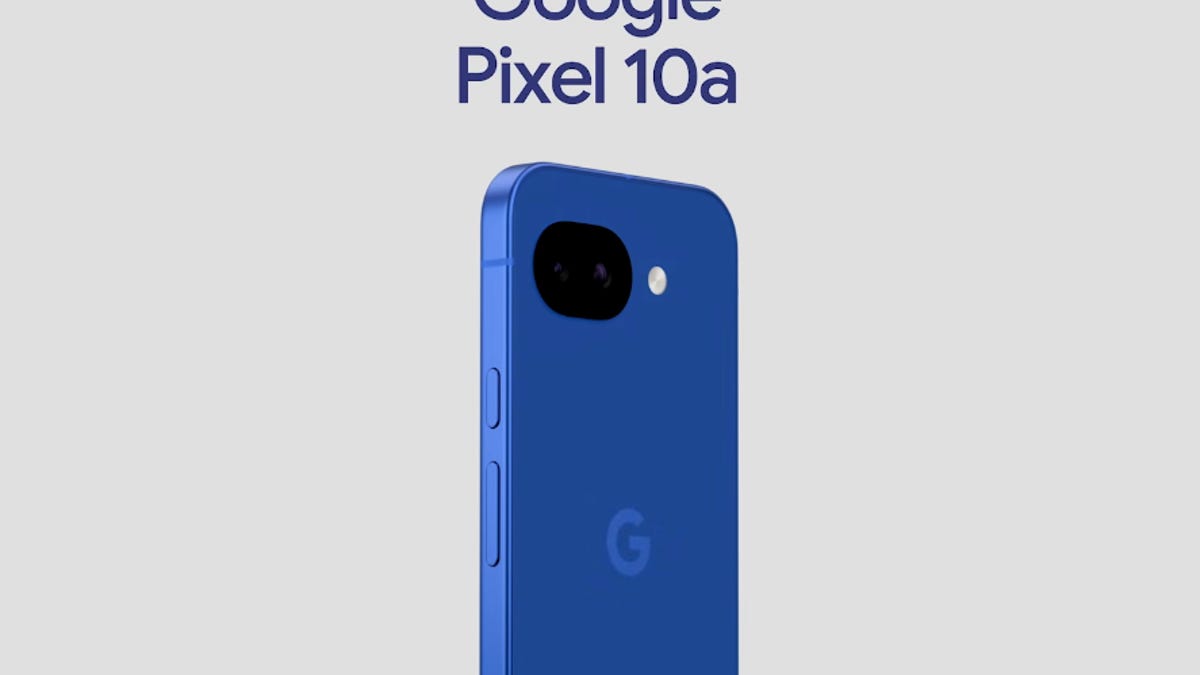
Don’t be blue: Google is releasing an Isai blue edition of the Pixel 10A to celebrate the Android phone line’s 10th anniversary, setting it apart with its own sticker set, specialized wallpaper and custom icons. But it’ll only be available in Japan.
Announced Tuesday on the Google Japan blog, the Isai blue Pixel 10A has a dark blue look and includes bonus decorations designed in collaboration with Japan’s Heralbony art company. These include an exclusive bumper case and stickers for customization.
This edition of the Pixel 10A will arrive in Japan on May 20, following the April 14 release of the Pixel 10A in its original colors of lavender, berry, fog and obsidian. The Isai blue model costs 94,900 yen, which roughly translates to $595, and includes 256GB of storage.
This makes it slightly less expensive than the US model’s 256GB edition, but it comes with a number of fun extras at no additional cost.
Google’s creation of a country-specific model for Japan may also reflect strong sales in that market. In 2023, the IDC analytics firm (via 9to5Google) reported that the Pixel 7 series accounted for 10.7% of the country’s market share, a 527% increase from 2022.
Technologies
Can’t Wait for New Emoji? Here’s How to Create Your Own on iPhone
Apple Intelligence-enabled iPhones can create custom emoji in a few easy steps.
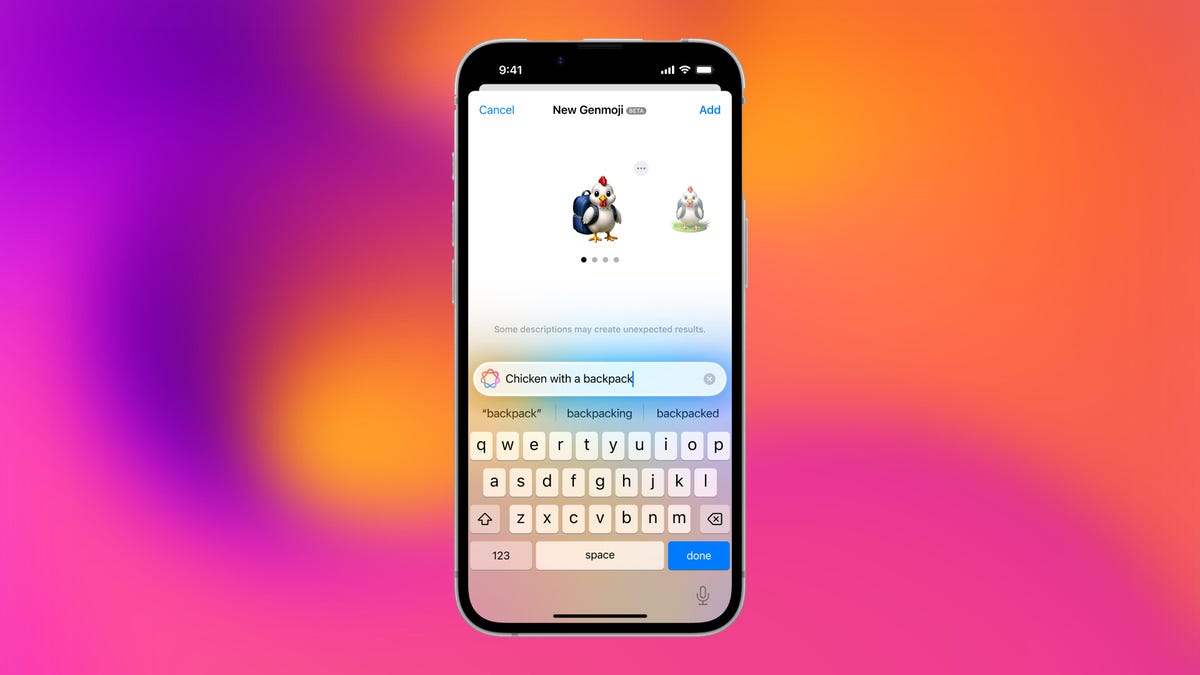
Apple brought new emoji to all iPhones when the company released iOS 26.4 on March 24. The new emoji include «» orca, «» distorted face and «» hairy creature — or as we might normally call it, Sasquatch. According to Emojipedia, there are 3,953 emoji with more on the way, including a pickle. But there’s no emoji for a dog wearing pajamas, a plate with burgers and fries and many other things. But if you have Genmoji on your iPhone you can create these emoji and many more.
Apple released iOS 18.2 in 2024 and the company introduced its own emoji generator, called Genmoji, to Apple Intelligence-capable iPhones at that time. The Unicode Standard, a universal character encoding standard, is responsible for creating new emoji, and approved emoji are added to all devices once a year. With Genmoji, you don’t have to wait for new emoji to appear on your iPhone each year. You can just create them as you need them.
Read on to learn how to use Genmoji on iPhone to create your own custom emoji. Just note that only iPhones with Apple Intelligence, like the iPhone 17 lineup, can use Genmoji at this time.
Note: The new emoji may not display correctly for Apple users whose devices aren’t on a 26.4 software version.
How to make custom emoji
1. Open Messages and go into a chat.
2. Tap the plus (+) button next to your text box.
3. Tap Genmoji.
You can then type a description of an emoji into the text box near the bottom of your screen and tap the check mark on your keyboard to enter that description into Genmoji. You can also tap different suggestions and themes that are right above the text box. And with iOS 26 or later, you can also combine and use emoji to create others rather than describing a new emoji or using suggestions.
Your iPhone will generate a series of new emoji for you to pick from according to your description, and you can swipe through these new emoji. When you find the one you want, tap Add in the top right corner of your screen and the new emoji will be available to use as an emoji, tapback or a sticker. Now you don’t have to wait for the Unicode Standard to propose, create and bring new emoji to devices.
For more iOS news, here’s what to know about iOS 26.4 and iOS 26.3. You can also check out our iOS 26 cheat sheet for other tips and tricks.
Technologies
Save Over 20% on This Handy 10,000-mAh Anker Nano Power Bank
Keep your devices charged on the go with this Anker Nano power bank, now down to just $46.
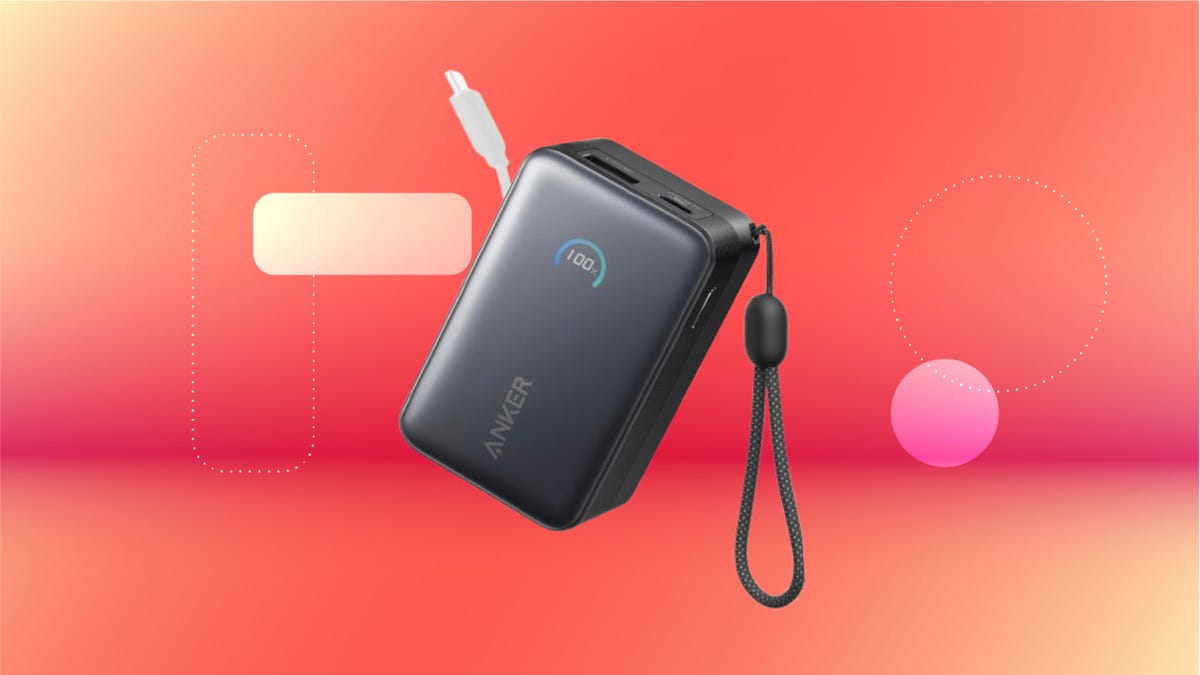
We’ve just spotted the Anker Nano 45-watt portable power bank for just $46 at Amazon right now. This saves you $14 — a 23% discount on its list price. Though it’s $6 more than the lowest-ever price we saw during Black Friday, it’s still a solid discount when you take the rising cost of tech accessories into account. It also matches the lowest price we’ve seen in 2026. It comes in four colors: black, green, pink and white. They’re all on sale for the same price.
This Anker Nano portable charger weighs approximately 8.2 ounces and measures a compact 3.21×1.99×1.42 inches. Despite its small size, it has a retractable cable and supports fast charging in compatible Apple, Samsung, Google Pixel and other smartphones. It also has a large 10,000-mAh capacity and a smart display so you always know how much juice is left in your power bank.
The Nano can charge an iPhone 17 to up to 50% battery in an estimated 20 minutes, and is powerful enough to charge tablets and laptops. Need to charge your devices while charging your power bank? You can do so safely thanks to pass-through charging so you’ll never have to go without battery life.
We’ve also compiled a list of the best power banks for iPhones and for Android, in case this deal isn’t quite a fit for you.
Why this deal matters
If you travel, have a long commute time or are otherwise always on the go, a portable charger can help you keep your devices fully powered. This 45-watt Anker Nano power bank is compact, includes a loop that lets you keep track of it easily and has a built-in cable so you don’t have to keep up with extra cords. Amazon’s $14 discount makes this a solid deal for anyone looking for a compact power bank.
-
 Technologies3 года ago
Tech Companies Need to Be Held Accountable for Security, Experts Say
-
 Technologies3 года ago
Best Handheld Game Console in 2023
-
 Technologies3 года ago
Tighten Up Your VR Game With the Best Head Straps for Quest 2
-
 Technologies4 года ago
Black Friday 2021: The best deals on TVs, headphones, kitchenware, and more
-
 Technologies5 лет ago
Google to require vaccinations as Silicon Valley rethinks return-to-office policies
-
 Technologies5 лет ago
Verum, Wickr and Threema: next generation secured messengers
-
 Technologies4 года ago
Olivia Harlan Dekker for Verum Messenger
-
 Technologies4 года ago
The number of Сrypto Bank customers increased by 10% in five days