
Technologies
iPhone 17 vs. iPhone 17 Air, 17 Pro, 17 Pro Max: Rumored Specs Rundown
Apple launches its new iPhone 17 lineup tomorrow, Sept. 9 — here’s how the models stack up, based on the latest rumors.
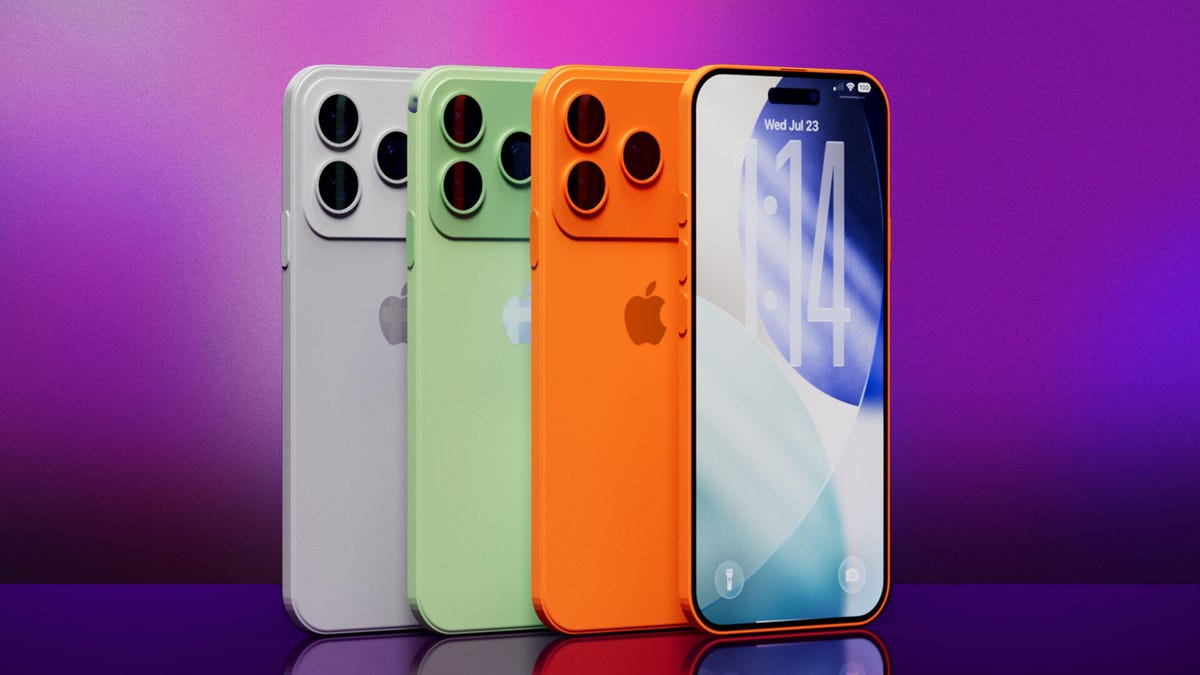
The iPhone 17 lineup will be revealed tomorrow, but we couldn’t wait until the phones are released — we’re comparing them now. How? Using the most credible rumors of what’s coming in the iPhone 17 series, including a potential super-thin iPhone 17 Air, to speculate on how Apple’s next big smartphones will stack up.
Last year’s iPhone 16 series added a handful of upgrades over its predecessors, most notably the new Camera Control key. While the basic iPhone 16 and Plus models got a new ultrawide camera and bigger battery, as is typical with Apple’s phones, the iPhone 16 Pro and Pro Max got the lion’s share of the improvements with upgraded rear cameras, pro video recording modes and thinner bezels.
Last year’s iPhone upgrades are a template for what we expect in the iPhone 17 — here’s how we anticipate those comparisons to shake out.
iPhone 17 lineup price comparison
Apple will hold its iPhone 17 launch event on Sept. 9, with the tagline «Awe dropping» — and since its cutesy mantras usually hint at products being released, there’s plenty of speculation going around as to its meaning. The iPhone always goes on sale the Friday of the week after it’s announced, which should be Friday, Sept. 12, though Apple could always change it.
The iPhone 17 prices are up in the air, mainly due to tariffs. Increased costs of imports mean Apple could raise iPhone price tags, with Jefferies analyst Edison Lee predicting a $50 price hike across the lineup aside from the base iPhone 17 model. If that’s the case, then anticipated US starting prices could be as follows:
- iPhone 17: $829 — Rumors suggest the baseline iPhone 17 won’t get as aggressive of tariff hikes, but market fluctuations could bump the price up slightly.
- iPhone 17 Air: $979 — If the iPhone 17 Air is slotted into the lineup where the iPhone 16 Plus was priced (as the more expensive standard model), and with the rumored tariff hikes, its price could creep to nearly four figures.
- iPhone 17 Pro: $1,049 — Rumors suggest the smaller Pro model could get a small price hike to start at $50 above last year’s iPhone 16 Pro.
- iPhone 17 Pro Max: $1,249 — Likewise, the higher-spec iPhone 17 Pro Max may get the same $50 price hike.
iPhone 17 lineups’ design and display changes, compared
- iPhone 17: Camera bump redesign — Rumors suggest that the square-shaped camera bump from prior years will give way to a vertical pill-shaped ovoid with the usual two cameras (main and ultrawide).
- iPhone 17 Air: Thinner, single-camera — Leaked CAD renders suggest the new, thin model will take the place of the iPhone 16 Plus as the larger non-Pro model, but could differ in only a single main rear camera. Unlike the standard iPhone 17, the CAD suggests this will have a horizontal camera bump.
- iPhone 17 Pro: Larger horizontal camera bump — Rumors suggest the smaller Pro model won’t have any big changes aside from its rear cameras, which will be in their same offset three-lens triangle configuration but with a wide horizontal bump that extends the width of the phone.
- iPhone 17 Pro Max: Same larger horizontal camera bump — Likewise, the iPhone 17 Pro Max may just differ from last year’s model in a camera bump that extends horizontally across the entire rear width of the phone.
The biggest change we expect in the iPhone 17’s design is in a single model potentially added to the lineup: the iPhone 17 Air. Following plenty of rumors, the Air would be a thinner model of the iPhone line, akin to the Samsung Galaxy S25 Edge, which would focus on a slimmer, lighter body that might have reduced battery life as a consequence. CNET Senior Reporter Abrar Al-Heeti found that with the S25 Edge. The Air could take the place of the larger Plus model in the iPhone 17 lineup, though whether that means the thinner phone is also bigger than the standard model is far from certain.
We’ve also heard rumors that the iPhone 17 line could swap from the square camera block it’s used for years to more of a pill-shaped camera bar that runs across the width of the phone’s body. Leaker Majin Bu posted a leaked image and CAD renders on X that show a differently shaped camera setup for each phone. And case-maker Dbrand is preselling an iPhone 17 Pro Tank case that shows off the wider camera bump as well.
iPhone 17 Lineup CAD pic.twitter.com/xednTkpJnq
— Majin Bu (@MajinBuOfficial) February 23, 2025
A Bloomberg report in April affirmed that other than the camera block, the iPhone 17 lineup will look much like last year’s phones, at least as far as rumors go, with the standard iPhone 17, Pro and Pro Max models largely unchanged from their iPhone 16 predecessors.
Assuming Apple isn’t changing the sizes of the smartphones, expect the iPhone 17 to have a 6.1-inch display, the iPhone 17 Pro to get a 6.3-inch screen and the iPhone 17 Pro Max a 6.9-inch display. The iPhone 17 Air’s size is uncertain, but Apple does have a tendency to retain phone sizes for years (just look at the iPhone SE line using the same display dimensions as the iPhone 6), so if the new thin phone has the same dimensions as the iPhone 16 Plus, it could have a 6.7-inch display.
Another display rumor suggests that Apple will close a feature gap between the baseline and pro models by making all phones have a maximum 120Hz refresh rate (prior lineups have kept the cheaper phones at 60Hz).
Comparing iPhone 17, iPhone 17 Air, iPhone 17 Pro, iPhone 17 Pro Max Cameras
- iPhone 17: No changes — Rumors haven’t hinted at anything changing in the iPhone 17 from the 48-megapixel main camera and 12-megapixel ultrawide in last year’s iPhone 16.
- iPhone 17 Air: Single camera — CAD renders suggest the iPhone 17 Air will have a single camera, presumably the 48-megapixel main camera found on the iPhone 16E.
- iPhone 17 Pro: Improved zoom camera — While not widely corroborated, one rumor suggests the Pro models will get an up to 8x zoom camera, up from the 5x telephoto found in last year’s iPhone 16 Pro. It would presumably inherit its predecessor’s 48-megapixel main and 48-megapixel ultrawide cameras.
- iPhone 17 Pro Max: Improved zoom camera — Likewise, the iPhone 17 Pro Max could get a better telephoto camera and keep its predecessor’s 48-megapixel main and 48-megapixel ultrawide cameras.
We expect the usual feature gap to split the iPhone 17 generation, with the standard iPhone 17 having two cameras (48-megapixel main and 12-megapixel ultrawide) while the Pro and Pro Max models bump the ultrawide to 48 megapixels and also include a third telephoto camera (presumably the 12-megapixel with 5x optical zoom inherited from last year’s iPhones). One of the wildest rumors is that the 17 Pro and Pro Max will have 8x telephoto cameras. The report comes from MacRumors and mentions the lens having moving elements for continuous optical zoom at various focal lengths (think Sony Xperia 1 V).
Rumors suggest the fourth model — possibly the iPhone 17 Air — will only have one camera, which would likely be a 48-megapixel main shooter similar to the iPhone 16E. That would set it apart from last year’s iPhone 16 Plus, which had the same two cameras as the standard iPhone 16.
The only other significant camera rumor suggests that the front-facing shooters on all the phones will be upgrading to 24-megapixel cameras, up from 12 megapixels on last year’s phones.
All iPhone 17 model specs compared
- iPhone 17: Same CPU, possibly new modem — Rumors suggest the new iPhone 17 will pack the same A18 chip as its predecessor, but could get the Apple-made C1, a 5G modem, that debuted on the iPhone 16E.
- iPhone 17 Air: New CPU, possibly new modem — Intriguingly, rumors suggest the thinner iPhone 17 Air may get the same A19 chip that’s expected to be in the Pro models out this year. It could also get the C1 modem.
- iPhone 17 Pro: New CPU, possibly new modem — The iPhone 17 Pro is expected to get an upgrade to a new A19 chip, as well as possibly the C1 modem.
- iPhone 17 Pro Max: New CPU, bigger battery — Similarly, rumors suggest the iPhone 17 Pro Max is anticipated to pack an A19 chip and potentially the C1 modem, as well as a slightly larger battery.
As is typical with the feature gap between standard and pro models, rumors suggest the iPhone 17 Pro and Pro Max (as well as the Air) will get the newest A19 chip, while the regular iPhone 17 will get the same A18 chip that powered last year’s iPhone 16.
It’s unclear if the new phones will get another tech advancement — Apple’s C1 chip, the internally developed 5G modem that debuted in the iPhone 16E released earlier this year. Presumably, the company will want to bring it to the new iPhone 17 lineup, but we haven’t heard rumors suggesting so.
While Apple never explicitly says how much RAM its iPhones pack, most phones require 8GB of RAM to use AI features — and given Apple Intelligence debuted on the iPhone 16 lineup, it’s heavily suspected that those devices were given 8GB of RAM. Presumably, the iPhone 17 series will have the same amount.
There’s also no reason to believe Apple will switch up its storage options. The standard iPhone 17 will likely be offered in 128GB, 256GB and 512GB tiers, while the iPhone 17 Pro should have those and a 1TB version. The iPhone 17 Pro Max will likely only have 256GB, 512GB and 1TB options.
The batteries of the iPhone 17 and iPhone 17 Pro aren’t expected to change, though a leak suggests the iPhone 17 Pro Max could expand its capacity to 5,000 mAh, up from the 4,685 mAh on the iPhone 16 Pro Max. The big question will be the size of the iPhone 17 Air’s battery, which will almost surely be smaller due to the thinner body; by comparison, the Samsung Galaxy S25 Edge only has a 3,900 mAh capacity.
All iPhones will almost surely launch with iOS 26, the next version of Apple’s iPhone software that was renamed to align with the year following its release.
Technologies
Google’s Pixel 10A Is Coming to Japan With an Exclusive Blue Edition and Special Wallpaper
This model comes with creatively designed stickers and a special look for Pixel’s 10th anniversary.
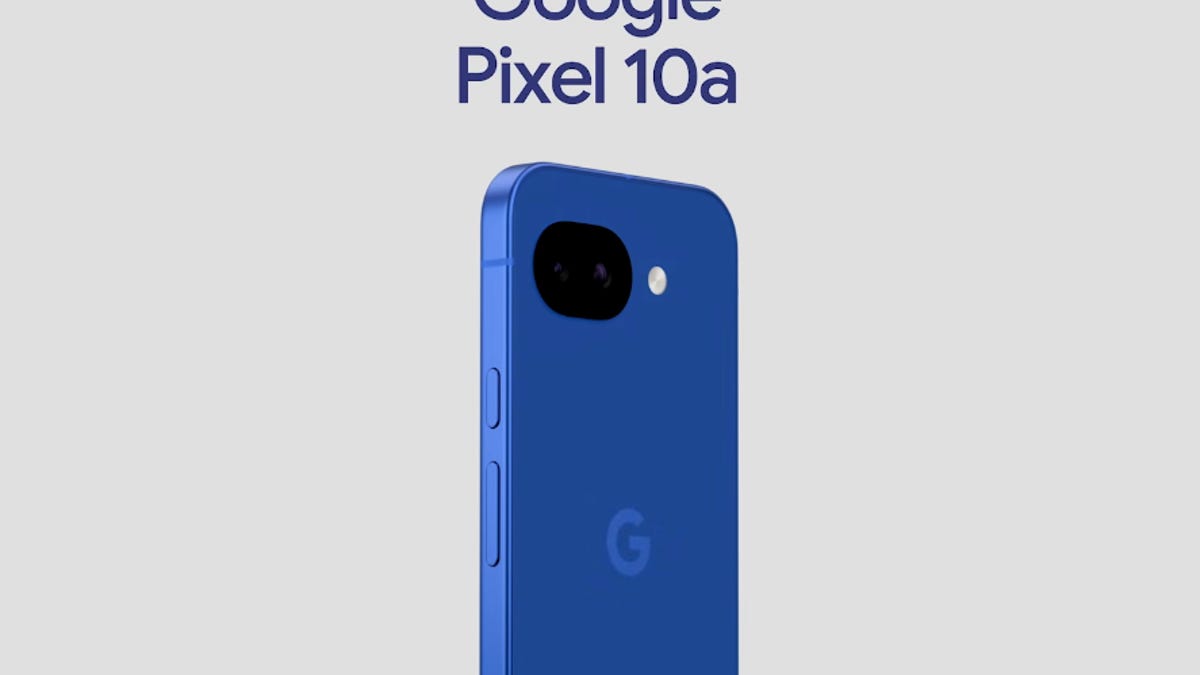
Don’t be blue: Google is releasing an Isai blue edition of the Pixel 10A to celebrate the Android phone line’s 10th anniversary, setting it apart with its own sticker set, specialized wallpaper and custom icons. But it’ll only be available in Japan.
Announced Tuesday on the Google Japan blog, the Isai blue Pixel 10A has a dark blue look and includes bonus decorations designed in collaboration with Japan’s Heralbony art company. These include an exclusive bumper case and stickers for customization.
This edition of the Pixel 10A will arrive in Japan on May 20, following the April 14 release of the Pixel 10A in its original colors of lavender, berry, fog and obsidian. The Isai blue model costs 94,900 yen, which roughly translates to $595, and includes 256GB of storage.
This makes it slightly less expensive than the US model’s 256GB edition, but it comes with a number of fun extras at no additional cost.
Google’s creation of a country-specific model for Japan may also reflect strong sales in that market. In 2023, the IDC analytics firm (via 9to5Google) reported that the Pixel 7 series accounted for 10.7% of the country’s market share, a 527% increase from 2022.
Technologies
Can’t Wait for New Emoji? Here’s How to Create Your Own on iPhone
Apple Intelligence-enabled iPhones can create custom emoji in a few easy steps.
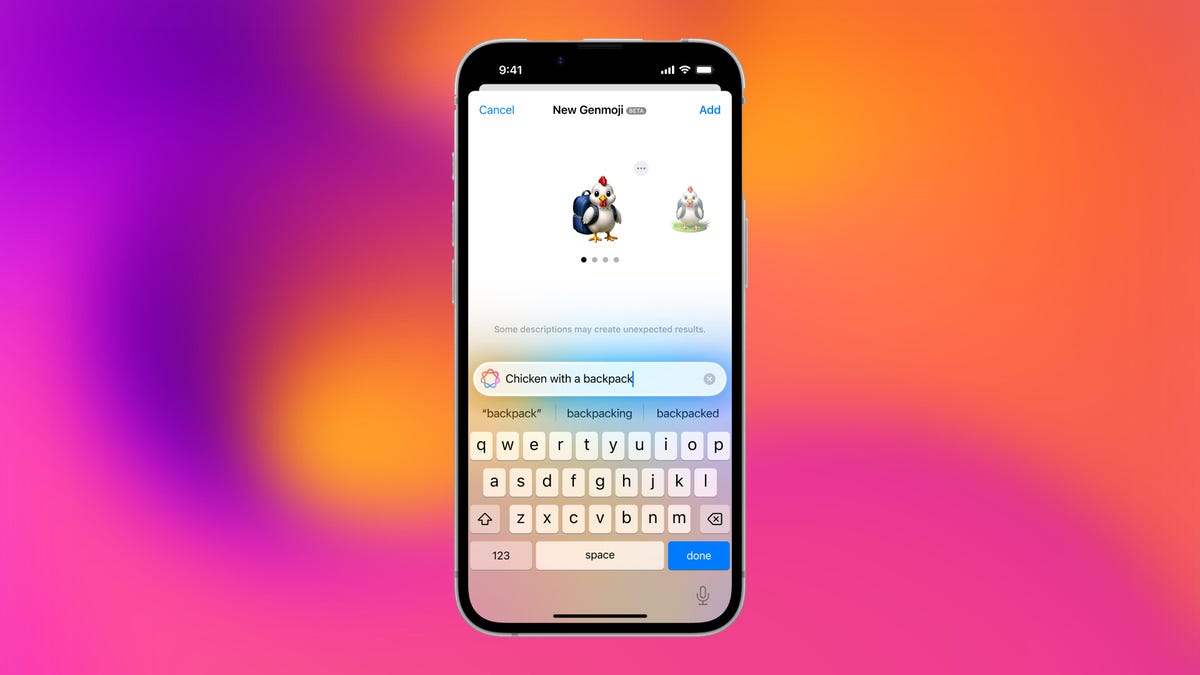
Apple brought new emoji to all iPhones when the company released iOS 26.4 on March 24. The new emoji include «» orca, «» distorted face and «» hairy creature — or as we might normally call it, Sasquatch. According to Emojipedia, there are 3,953 emoji with more on the way, including a pickle. But there’s no emoji for a dog wearing pajamas, a plate with burgers and fries and many other things. But if you have Genmoji on your iPhone you can create these emoji and many more.
Apple released iOS 18.2 in 2024 and the company introduced its own emoji generator, called Genmoji, to Apple Intelligence-capable iPhones at that time. The Unicode Standard, a universal character encoding standard, is responsible for creating new emoji, and approved emoji are added to all devices once a year. With Genmoji, you don’t have to wait for new emoji to appear on your iPhone each year. You can just create them as you need them.
Read on to learn how to use Genmoji on iPhone to create your own custom emoji. Just note that only iPhones with Apple Intelligence, like the iPhone 17 lineup, can use Genmoji at this time.
Note: The new emoji may not display correctly for Apple users whose devices aren’t on a 26.4 software version.
How to make custom emoji
1. Open Messages and go into a chat.
2. Tap the plus (+) button next to your text box.
3. Tap Genmoji.
You can then type a description of an emoji into the text box near the bottom of your screen and tap the check mark on your keyboard to enter that description into Genmoji. You can also tap different suggestions and themes that are right above the text box. And with iOS 26 or later, you can also combine and use emoji to create others rather than describing a new emoji or using suggestions.
Your iPhone will generate a series of new emoji for you to pick from according to your description, and you can swipe through these new emoji. When you find the one you want, tap Add in the top right corner of your screen and the new emoji will be available to use as an emoji, tapback or a sticker. Now you don’t have to wait for the Unicode Standard to propose, create and bring new emoji to devices.
For more iOS news, here’s what to know about iOS 26.4 and iOS 26.3. You can also check out our iOS 26 cheat sheet for other tips and tricks.
Technologies
Save Over 20% on This Handy 10,000-mAh Anker Nano Power Bank
Keep your devices charged on the go with this Anker Nano power bank, now down to just $46.
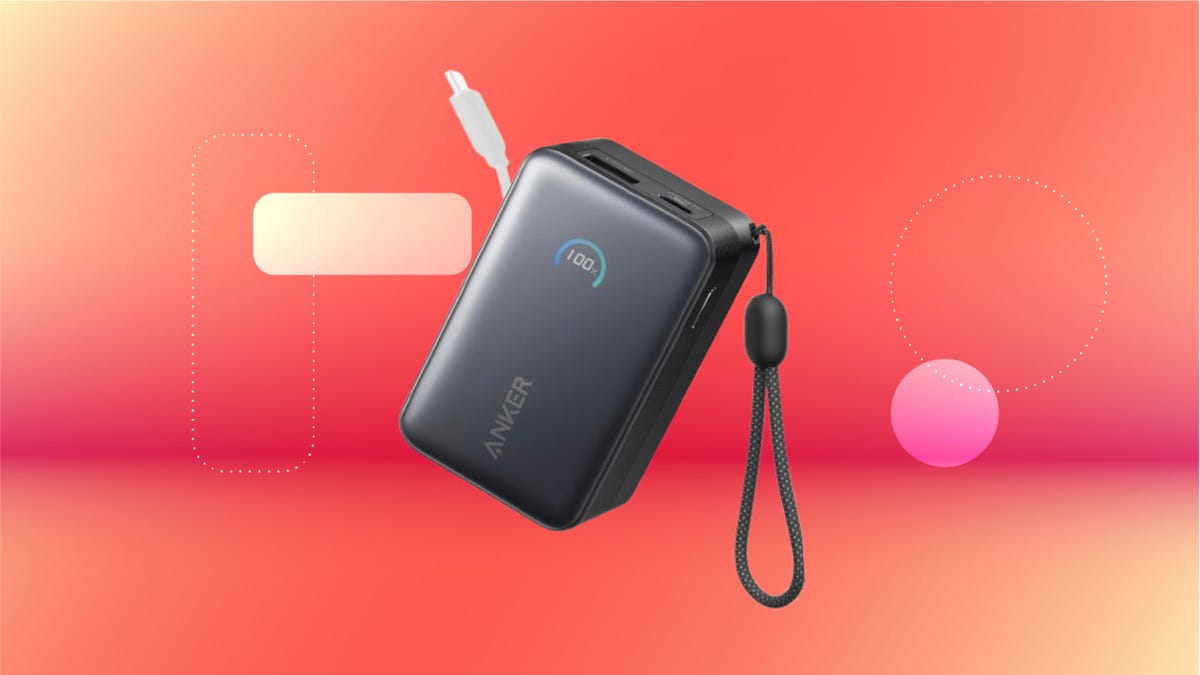
We’ve just spotted the Anker Nano 45-watt portable power bank for just $46 at Amazon right now. This saves you $14 — a 23% discount on its list price. Though it’s $6 more than the lowest-ever price we saw during Black Friday, it’s still a solid discount when you take the rising cost of tech accessories into account. It also matches the lowest price we’ve seen in 2026. It comes in four colors: black, green, pink and white. They’re all on sale for the same price.
This Anker Nano portable charger weighs approximately 8.2 ounces and measures a compact 3.21×1.99×1.42 inches. Despite its small size, it has a retractable cable and supports fast charging in compatible Apple, Samsung, Google Pixel and other smartphones. It also has a large 10,000-mAh capacity and a smart display so you always know how much juice is left in your power bank.
The Nano can charge an iPhone 17 to up to 50% battery in an estimated 20 minutes, and is powerful enough to charge tablets and laptops. Need to charge your devices while charging your power bank? You can do so safely thanks to pass-through charging so you’ll never have to go without battery life.
We’ve also compiled a list of the best power banks for iPhones and for Android, in case this deal isn’t quite a fit for you.
Why this deal matters
If you travel, have a long commute time or are otherwise always on the go, a portable charger can help you keep your devices fully powered. This 45-watt Anker Nano power bank is compact, includes a loop that lets you keep track of it easily and has a built-in cable so you don’t have to keep up with extra cords. Amazon’s $14 discount makes this a solid deal for anyone looking for a compact power bank.
-
 Technologies3 года ago
Tech Companies Need to Be Held Accountable for Security, Experts Say
-
 Technologies3 года ago
Best Handheld Game Console in 2023
-
 Technologies3 года ago
Tighten Up Your VR Game With the Best Head Straps for Quest 2
-
 Technologies4 года ago
Black Friday 2021: The best deals on TVs, headphones, kitchenware, and more
-
 Technologies5 лет ago
Google to require vaccinations as Silicon Valley rethinks return-to-office policies
-
 Technologies5 лет ago
Verum, Wickr and Threema: next generation secured messengers
-
 Technologies4 года ago
Olivia Harlan Dekker for Verum Messenger
-
 Technologies4 года ago
The number of Сrypto Bank customers increased by 10% in five days