
Technologies
4 Reasons Why Your Phone Shouldn’t Be Face Up on the Table
If you look at your phone all day long, you might forget to pay attention to your friends and family.
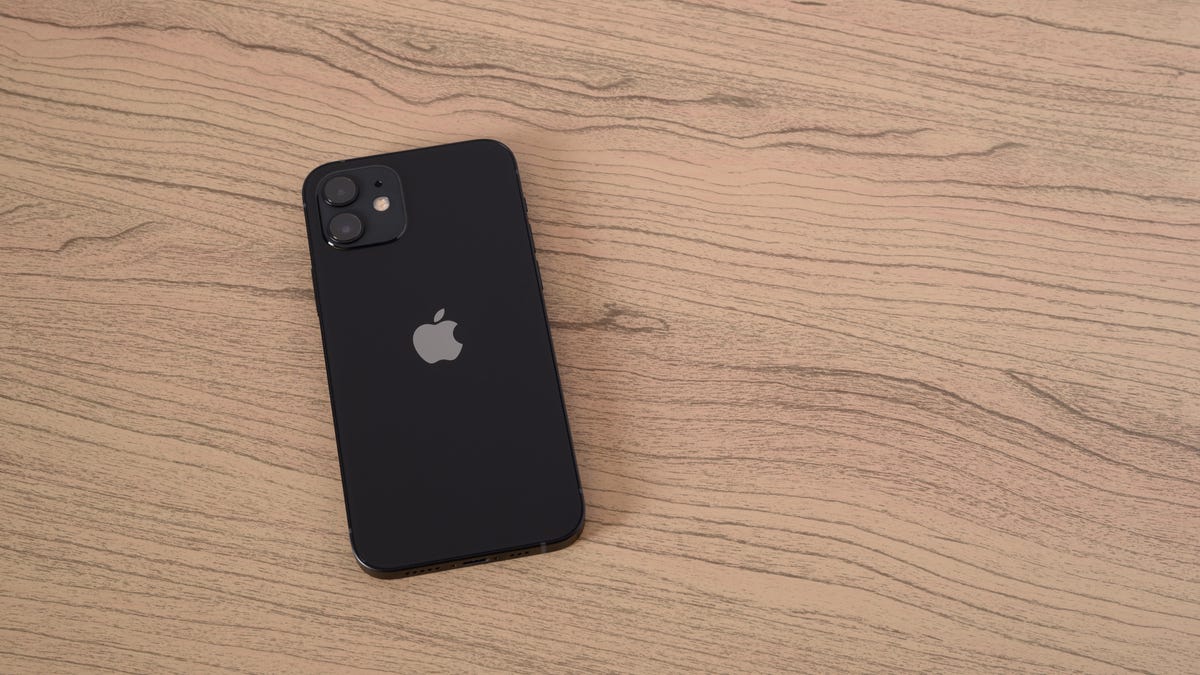
Without a smartphone, it would be almost impossible for me to stay in touch with certain people. Phones have changed how I interact with friends, keeping me connected in ways that were once unimaginable.
But then there’s the flip side: I’ll be having dinner with friends, only for the conversation to pause or stop entirely as everyone picks up their phones to check their notifications.
This kind of subtle disconnect, often called «phubbing,» happens more than we realize. Even when it’s unintentional, it can leave the folks who aren’t using their phones feeling invisible. If you want to be more present during hangouts or dinners, something as simple as leaving your phone face down can help you stay focused on the people right in front of you.
I’ve been guilty of paying more attention to my screen than my companion, and I’ve felt bad about it afterward. There’s nothing wrong with replying to an urgent Slack message or pulling up a funny TikTok to share. But I know I probably spend too much time staring at screens (a lot of that time is unhealthy doomscrolling). These days, when I’m not using my phone, I try to be more deliberate about keeping it out of sight and out of mind. If I do need to keep my phone at hand, I nearly always have it face down.
It can protect your phone screen
I have a few reasons for making sure my phone screen is turned away. The first one is practical: When my phone isn’t in my pocket, it’s probably sitting on a desk or table — which means it’s probably not far from a glass of water or mug of coffee.
As a somewhat clumsy person, I’ve spilled beverages on my phone plenty of times. And even though most modern phones are water-resistant, why take chances? With my screen hidden, I can keep the most important part of my phone protected from splashes and other mishaps.
For extra protection, I have a phone case with raised edges. This helps prevent the screen from coming in direct contact with crumbs and debris that might be left on the table.
My colleague David Carnoy told me about an incident where he was charging his phone on his kitchen counter with the screen face up. Someone dropped a mug on top of it and cracked the screen. Unfortunately, he didn’t have a screen protector on this device (he knows better now).
It could help save your phone battery
Another good reason to keep my phone face down is that it won’t turn on each time I get a notification. That means I can save a little bit of battery charge.
A single notification won’t mean the difference between my phone lasting the whole day or dying in the afternoon but notifications can add up, especially if I’ve enabled them across all of my apps. If I’m in a lot of group chats, my screen might end up turning on dozens of times throughout the day (and that’s on the low side — many teenagers have hundreds of notifications a day).
It also shows that you pay attention
Keeping my phone face down is also a good rule of social etiquette: If I’m hanging out with someone, I keep my screen hidden from view as a subtle way of showing that I won’t be distracted by it. I don’t want incoming notifications to light up my screen every few seconds, especially if I’m in a bar or other dimly lit setting. I want to keep my eyes on the person I’m talking to.
«Eye contact is one of the most powerful forms of human connection. Neuroscience research indicates that when two people make direct eye contact, their brain activity begins to synchronize, supporting more effective communication and increasing empathy. This synchrony can be disrupted when attention shifts to a phone, even briefly,» says Michelle Davis, clinical psychologist at Headspace.
When I’m with the people I’ve chosen to spend time with, I want to be fully present with them. A sudden notification will tempt me to glance at, or worse, pick up my phone in the middle of a conversation.
It minimizes your phone’s presence
I also have a more personal reason for keeping my phone face down and I suspect that other people have had this same thought: My phone takes up too much space in my life.
I mean that quite literally. My phone is bigger than it needs to be. That’s been especially true since I upgraded from my iPhone Mini to a «normal-sized» iPhone. Yes, I got a much needed boost in battery life but I also got a screen with more pixels to lure me into the next news headline or autoplaying Instagram reel.
A small smartphone isn’t something that really exists anymore. My phone is bigger and better at grabbing my attention. It competes against my friends and family, books and movies, the entire world outside of its 6-inch screen. It often wins. But there’s still one small thing I can do to minimize its presence: I can keep the screen turned away from me whenever possible.
It can sometimes feel like there’s no escaping from my phone. Whether that ever changes, or phones evolve into some new form factor, I can’t say. I can’t control everything about my phone but I can control whether the screen stares at me when I’m not staring at it.
Technologies
Help Us Crown the Most Loved Headphones and Earbuds of 2026
Got a pair you swear by? Take our People’s Picks survey to help us find a winner.

CNET just launched People’s Picks, a series of surveys where actual humans like you vote for the products and services you use. Starting in April, we want you to weigh in on your favorite headphones and earbuds. We’ll pick a winner based on which ones you love the most.
Why we want to hear from you
Our writers and editors test hundreds of products each year, but your real-world experience with these devices is something we can’t replicate in our labs. You’ve used these headphones at the gym, on your commute to work and on long flights, and that perspective is invaluable. Your voice helps others know about the headphones or earbuds you love, too.
«I review a lot of headphones and earbuds for CNET, and there are plenty of great models from the top brands in this survey that I rate highly. I’m always curious about what models people ultimately choose and why, so I’m excited to get your feedback and learn the results of this survey,» says David Carnoy, CNET’s executive editor and headphones expert.
With our survey, we’ll collect answers from real-world users like you. The headphones and earbuds chosen through our 3-minute survey will be featured in our People’s Picks roundup of the top picks based on your recommendation.
Make your voice heard
Whether you swear by a pair of $25 earbuds or love a pair of high-end headphones, your pick counts. The survey takes just a few minutes to complete, and after we gather enough information, we’ll tally the results and publish the winners.
Not sure what to pick? Check out our Best Headphones to revisit your favorites before voting.
Technologies
Google’s Pixel 10A Is Coming to Japan With an Exclusive Blue Edition and Special Wallpaper
This model comes with creatively designed stickers and a special look for Pixel’s 10th anniversary.
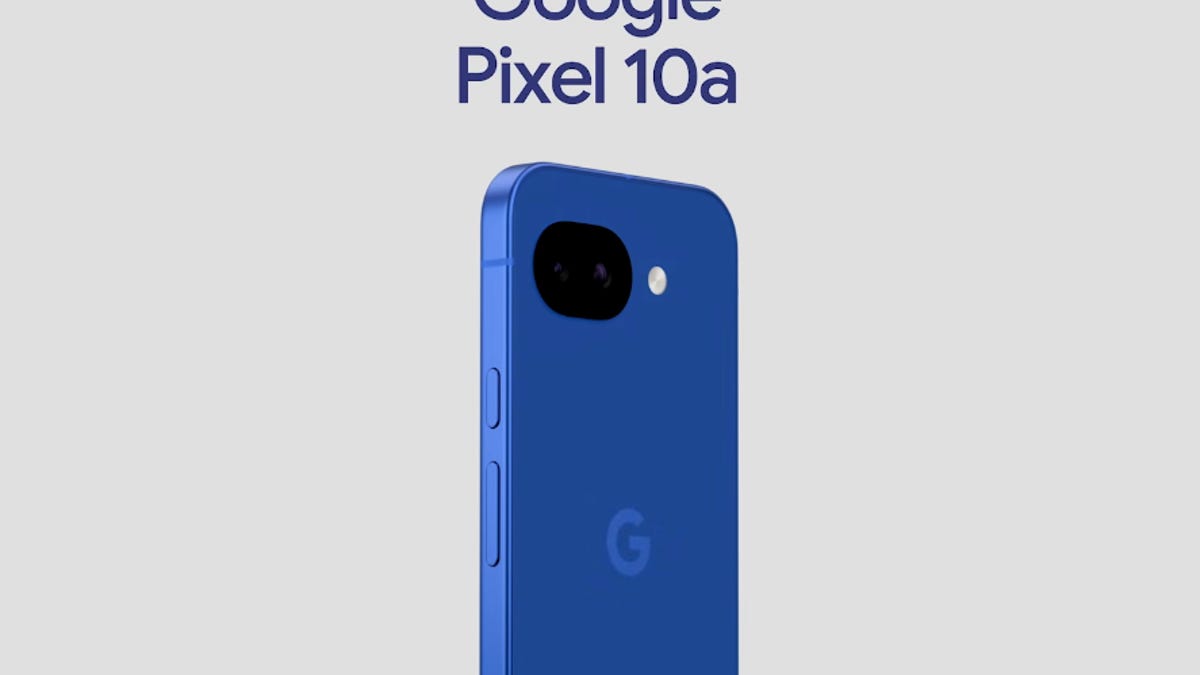
Don’t be blue: Google is releasing an Isai blue edition of the Pixel 10A to celebrate the Android phone line’s 10th anniversary, setting it apart with its own sticker set, specialized wallpaper and custom icons. But it’ll only be available in Japan.
Announced Tuesday on the Google Japan blog, the Isai blue Pixel 10A has a dark blue look and includes bonus decorations designed in collaboration with Japan’s Heralbony art company. These include an exclusive bumper case and stickers for customization.
This edition of the Pixel 10A will arrive in Japan on May 20, following the April 14 release of the Pixel 10A in its original colors of lavender, berry, fog and obsidian. The Isai blue model costs 94,900 yen, which roughly translates to $595, and includes 256GB of storage.
This makes it slightly less expensive than the US model’s 256GB edition, but it comes with a number of fun extras at no additional cost.
Google’s creation of a country-specific model for Japan may also reflect strong sales in that market. In 2023, the IDC analytics firm (via 9to5Google) reported that the Pixel 7 series accounted for 10.7% of the country’s market share, a 527% increase from 2022.
Technologies
Can’t Wait for New Emoji? Here’s How to Create Your Own on iPhone
Apple Intelligence-enabled iPhones can create custom emoji in a few easy steps.
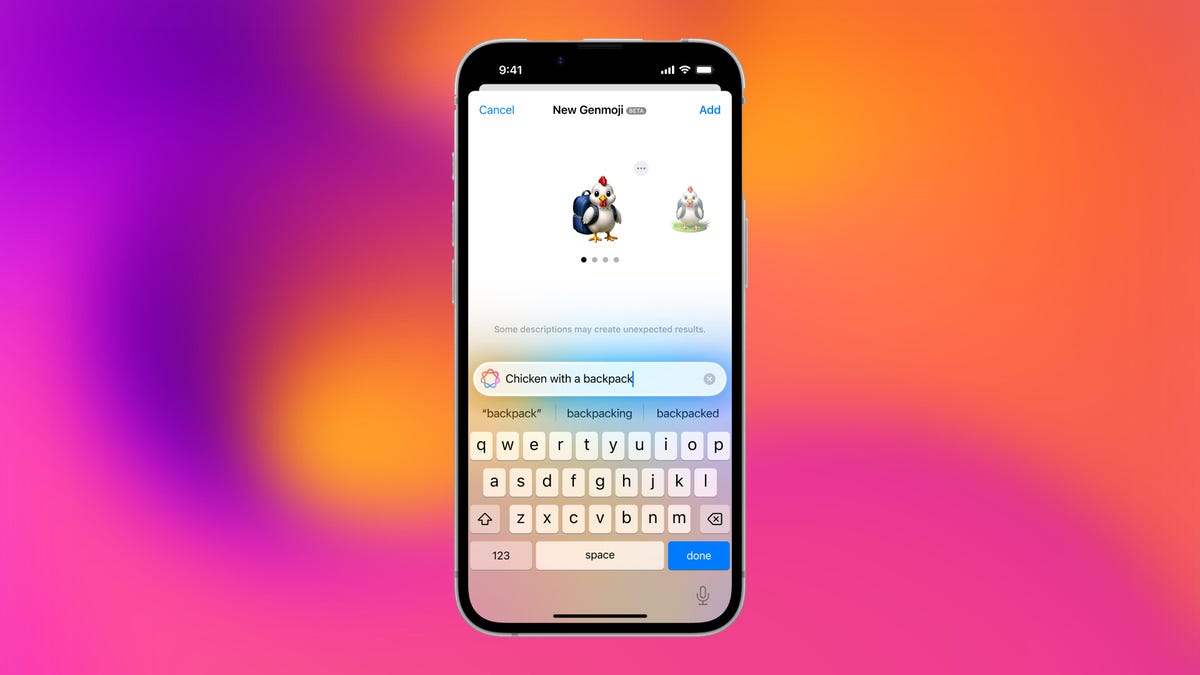
Apple brought new emoji to all iPhones when the company released iOS 26.4 on March 24. The new emoji include «» orca, «» distorted face and «» hairy creature — or as we might normally call it, Sasquatch. According to Emojipedia, there are 3,953 emoji with more on the way, including a pickle. But there’s no emoji for a dog wearing pajamas, a plate with burgers and fries and many other things. But if you have Genmoji on your iPhone you can create these emoji and many more.
Apple released iOS 18.2 in 2024 and the company introduced its own emoji generator, called Genmoji, to Apple Intelligence-capable iPhones at that time. The Unicode Standard, a universal character encoding standard, is responsible for creating new emoji, and approved emoji are added to all devices once a year. With Genmoji, you don’t have to wait for new emoji to appear on your iPhone each year. You can just create them as you need them.
Read on to learn how to use Genmoji on iPhone to create your own custom emoji. Just note that only iPhones with Apple Intelligence, like the iPhone 17 lineup, can use Genmoji at this time.
Note: The new emoji may not display correctly for Apple users whose devices aren’t on a 26.4 software version.
How to make custom emoji
1. Open Messages and go into a chat.
2. Tap the plus (+) button next to your text box.
3. Tap Genmoji.
You can then type a description of an emoji into the text box near the bottom of your screen and tap the check mark on your keyboard to enter that description into Genmoji. You can also tap different suggestions and themes that are right above the text box. And with iOS 26 or later, you can also combine and use emoji to create others rather than describing a new emoji or using suggestions.
Your iPhone will generate a series of new emoji for you to pick from according to your description, and you can swipe through these new emoji. When you find the one you want, tap Add in the top right corner of your screen and the new emoji will be available to use as an emoji, tapback or a sticker. Now you don’t have to wait for the Unicode Standard to propose, create and bring new emoji to devices.
For more iOS news, here’s what to know about iOS 26.4 and iOS 26.3. You can also check out our iOS 26 cheat sheet for other tips and tricks.
-
 Technologies3 года ago
Tech Companies Need to Be Held Accountable for Security, Experts Say
-
 Technologies3 года ago
Best Handheld Game Console in 2023
-
 Technologies3 года ago
Tighten Up Your VR Game With the Best Head Straps for Quest 2
-
 Technologies4 года ago
Black Friday 2021: The best deals on TVs, headphones, kitchenware, and more
-
 Technologies5 лет ago
Google to require vaccinations as Silicon Valley rethinks return-to-office policies
-
 Technologies5 лет ago
Verum, Wickr and Threema: next generation secured messengers
-
 Technologies4 года ago
Olivia Harlan Dekker for Verum Messenger
-
 Technologies4 года ago
The number of Сrypto Bank customers increased by 10% in five days