
Technologies
Get a Free Storm Skin, Hawkeye Skin and More in Marvel Rivals Season 3
As the Phoenix and Knull clash in Marvel Rivals Season 3, there has never been a better time to don new skins and leap into battle.

Marvel Rivals season 2.5 may have taken our heroes off-world as they battled across Arakko, but season 3 is throwing us into the furthest reaches of space to fight a new threat: Knull and his symbiote army.
Stopping one symbiote is tough enough. Fighting off an army of them is going to require a whole new wardrobe’s worth of battle gear. Luckily for you, there are many ways to unlock some free skins in the hit hero shooter right now — including the Milano Repair Logs event that evens the odds with a free Storm Symbiote Storm skin.
Outside of the latest event, there are still other ways to earn free skins right now. Whether you’re getting used to Phoenix’s dense set of abilities or you’re still getting used to the ever-shifting landscape of team-up moves, season 3 has introduced a slate of free skins that you can use to deck out your favorite characters.
Here’s what you need to know about the Milano Repair Logs event, current Twitch drops and the Marvel Rivals season 3 battle pass.
Get the Storm Symbiote Storm skin during the Milano Repair Logs event
The Milano Repair Logs event is a simple challenge-based event launched at the beginning of season 3. It’s similar to the Cerebro Database events from season 2, but instead of playing a game of tic-tac-toe, you just have to complete every objective presented to you.
There are seven repair logs to complete, with each repair log containing three separate challenges. The challenge rewards are pretty solid this time around — there are some character-based sprays, profile pics and other filler, but you can also earn a handful of units and hundreds of Chrono Tokens that will give you an early boost in completing the season 3 battle pass.
You unlock new repair logs by completing the previous ones, so there’s no skipping out on challenges that don’t fit your usual play style. Once you complete all seven repair logs, you automatically unlock the free Storm Symbiote Storm skin for your outfit wardrobe. The Milano Repair Logs event lasts until Aug. 8, so you’ll want to unlock the Storm skin before then.
If you want to complete your symbiote skin collection, there are a smattering of Venom-themed skins for other characters on the battle pass (including two skins on the free track). There are also plenty of Venom- and Phoenix-themed skins in the in-game shop if you’ve collected enough units to snatch up an incoming bundle or two.
How can I get free skins during Marvel Rivals season 3?
Players who link their Twitch account to their Marvel Rivals account can nab a free Hawkeye skin.
But if you only care about rewards you can earn in-game, a Phoenix skin is available by progressing through the competitive ladder and new looks for Groot and Rocket Raccoon are available for free on the season 3 battle pass.
What Marvel Rivals skins are available free right now?
There are currently nine free skins available. Here’s how you get them:
- Storm Symbiote Storm: Complete all 21 challenges included within the Milano Repair Logs event by Aug. 8 in order to unlock this skin.
- Hawkeye Will of Galacta: To claim this skin, you’ll need to link a Twitch account to your Marvel Rivals account and then watch six hours of livestreams from streamers participating in the drop campaign. The Hawkeye Will of Galacta skin is available until Friday, Aug. 16.
- Phoenix Emerald Flames: Reach Gold rank or higher in competitive mode in season 3. You must play at least 10 competitive matches to be eligible to receive the skin.
- Groot Symbiote Flora: Reach page 4 in the season 3 battle pass by Sept. 11.
- Rocket Raccoon Symbiote Raccoon: Reach page 10 in the season 3 battle pass by Sept. 11.
Four of the currently available free skins are not time-gated although they are locked behind achievements or platform exclusivity. Here are the Marvel Rivals skins you can unlock at any time:
- Spider-Man Scarlet Spider: This skin is available to PS Plus subscribers who play the game on the PS5. It can be found on the PSN Store under Marvel Rivals DLC.
- Peni Parker Ven#m: Like the Scarlet Spider skin, this Ven#m skin is available for PS Plus subscribers and can be found in the PSN Store. This skin is also available in the Marvel Rivals in-game store, where it can be purchased with units.
- Storm Ivory Breeze: Earn 200 Achievement Points in the Heroic Journey achievement section.
- Star-Lord Jovial Star: Earn 400 Achievement Points in the Heroic Journey achievement section.
How can I get more free Marvel Rivals skins?
There are many ways to get skins in Marvel Rivals. Sometimes the developer issues special codes to unlock them while others require completing challenges. There are also some made available by watching streams on Twitch and many skins are «free» for progressing through the Marvel Rivals Battle Pass, which costs 990 Lattice, or about $10.
You can also earn skins through regularly playing the game, as a free skin is frequently awarded with the completion of seasonal events. Players who reach gold rank or higher in competition also receive a free skin as a reward for their performance. Live events like season 2’s Cerebro Database and the current Milano Repair Logs challenge include free skins as a completion reward.
What free skins used to be available in Marvel Rivals?
Twitch drops, battle passes and promo codes get cycled in and out of rotation, allowing Marvel Rivals players to earn different free skins from engaging with the game during different events. Here are all of the previously available free skins, what season they were introduced in and how they were obtainable.
Technologies
Today’s Wordle Hints, Answer and Help for April 7, #1753
Here are hints and the answer for today’s Wordle for April 7, No. 1,753.
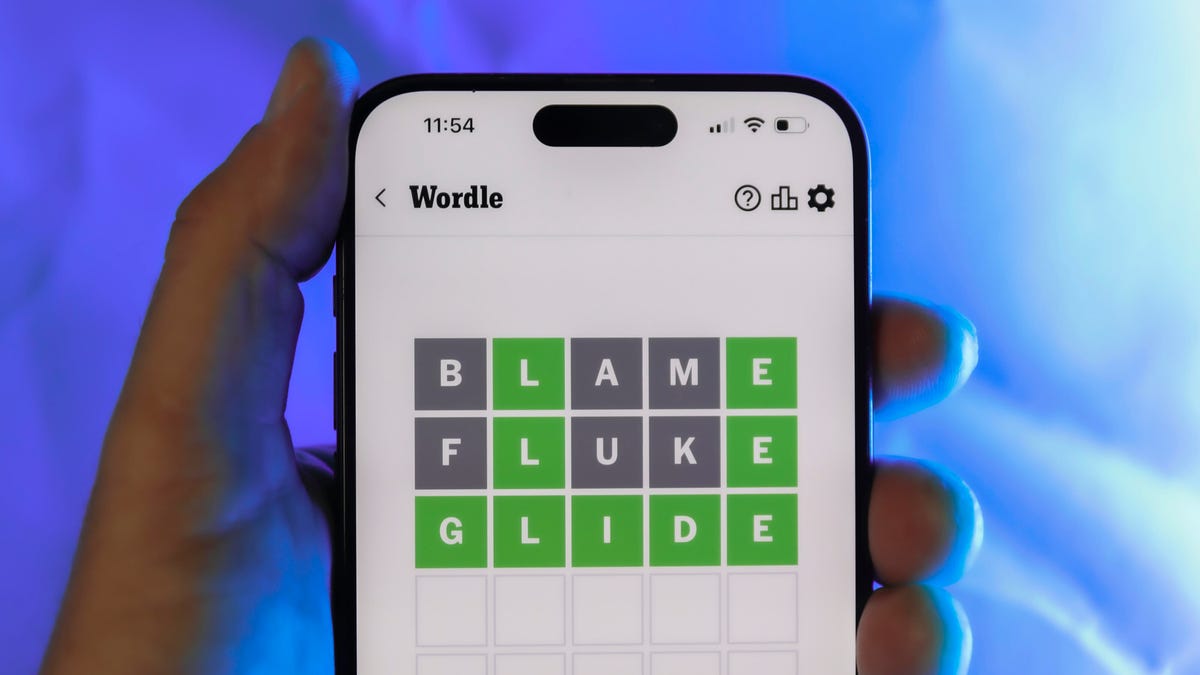
Looking for the most recent Wordle answer? Click here for today’s Wordle hints, as well as our daily answers and hints for The New York Times Mini Crossword, Connections, Connections: Sports Edition and Strands puzzles.
Today’s Wordle puzzle wasn’t too tricky, for a change. If you need a new starter word, check out our list of which letters show up the most in English words. If you need hints and the answer, read on.
Read more: New Study Reveals Wordle’s Top 10 Toughest Words of 2025
Today’s Wordle hints
Before we show you today’s Wordle answer, we’ll give you some hints. If you don’t want a spoiler, look away now.
Wordle hint No. 1: Repeats
Today’s Wordle answer has one repeated letter.
Wordle hint No. 2: Vowels
Today’s Wordle answer has one vowel, but it’s the repeated letter, so you’ll see it twice.
Wordle hint No. 3: First letter
Today’s Wordle answer begins with D.
Wordle hint No. 4: Last letter
Today’s Wordle answer ends with E.
Wordle hint No. 5: Meaning
Today’s Wordle answer can relate to something that is closely compacted.
TODAY’S WORDLE ANSWER
Today’s Wordle answer is DENSE.
Yesterday’s Wordle answer
Yesterday’s Wordle answer, April 6, No. 1752, was SWORN.
Recent Wordle answers
April 2, No. 1748: SOBER
April 3, No. 1749: SINGE
April 4, No. 1750: SANDY
April 5, No. 1751: ENVOY
What’s the best Wordle starting word?
Don’t be afraid to use our tip sheet ranking all the letters in the alphabet by frequency of uses. In short, you want starter words that lean heavy on E, A and R, and don’t contain Z, J and Q.
Some solid starter words to try:
ADIEU
TRAIN
CLOSE
STARE
NOISE
Technologies
Today’s NYT Mini Crossword Answers for Tuesday, April 7
Here are the answers for The New York Times Mini Crossword for April 7.
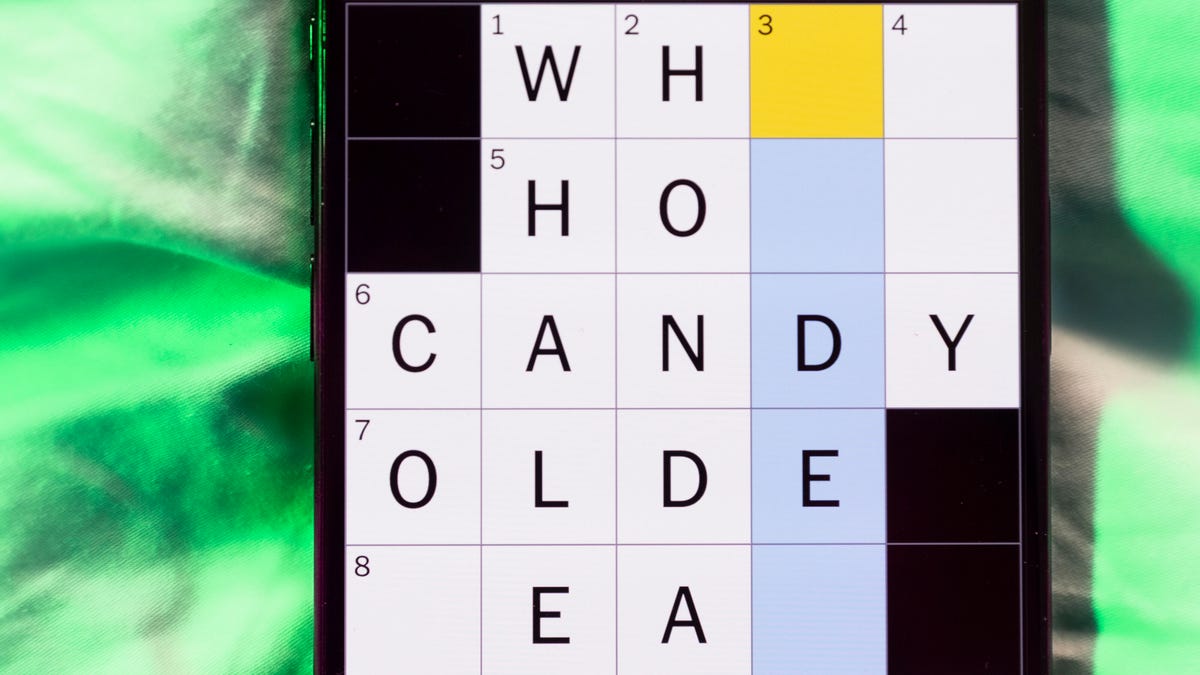
Looking for the most recent Mini Crossword answer? Click here for today’s Mini Crossword hints, as well as our daily answers and hints for The New York Times Wordle, Strands, Connections and Connections: Sports Edition puzzles.
Need some help with today’s Mini Crossword? Read on for all the answers. And if you could use some hints and guidance for daily solving, check out our Mini Crossword tips.
If you’re looking for today’s Wordle, Connections, Connections: Sports Edition and Strands answers, you can visit CNET’s NYT puzzle hints page.
Read more: Tips and Tricks for Solving The New York Times Mini Crossword
Let’s get to those Mini Crossword clues and answers.
Mini across clues and answers
1A clue: Informative commercial, for short
Answer: PSA
4A clue: Something you trace to draw a Thanksgiving turkey
Answer: HAND
5A clue: ___ Johnson, former Prime Minister of the U.K.
Answer: BORIS
6A clue: Opposite of include
Answer: OMIT
7A clue: Crosses (out)
Answer: XES
Mini down clues and answers
1D clue: City with the Notre-Dame Cathedral
Answer: PARIS
2D clue: Bad mood
Answer: SNIT
3D clue: About eight minutes of the average half-hour sitcom
Answer: ADS
4D clue: Remote worker’s office, perhaps
Answer: HOME
5D clue: Word that can follow each group of circled letters (and hints at its shape)
Answer: BOX
Technologies
NASA’s Artemis II Breaks Record With Trip Around The Moon
-
 Technologies3 года ago
Tech Companies Need to Be Held Accountable for Security, Experts Say
-
 Technologies3 года ago
Best Handheld Game Console in 2023
-
 Technologies3 года ago
Tighten Up Your VR Game With the Best Head Straps for Quest 2
-
 Technologies4 года ago
Black Friday 2021: The best deals on TVs, headphones, kitchenware, and more
-
 Technologies5 лет ago
Google to require vaccinations as Silicon Valley rethinks return-to-office policies
-
 Technologies5 лет ago
Verum, Wickr and Threema: next generation secured messengers
-
 Technologies4 года ago
Olivia Harlan Dekker for Verum Messenger
-
 Technologies4 года ago
The number of Сrypto Bank customers increased by 10% in five days