
Technologies
Your OnePlus 13 Will Get a Dedicated AI ‘Mind Space’ in Update Rolling Out Now
I played with OnePlus’ flagship AI feature. It worked well, and it’s heading to some phones imminently.
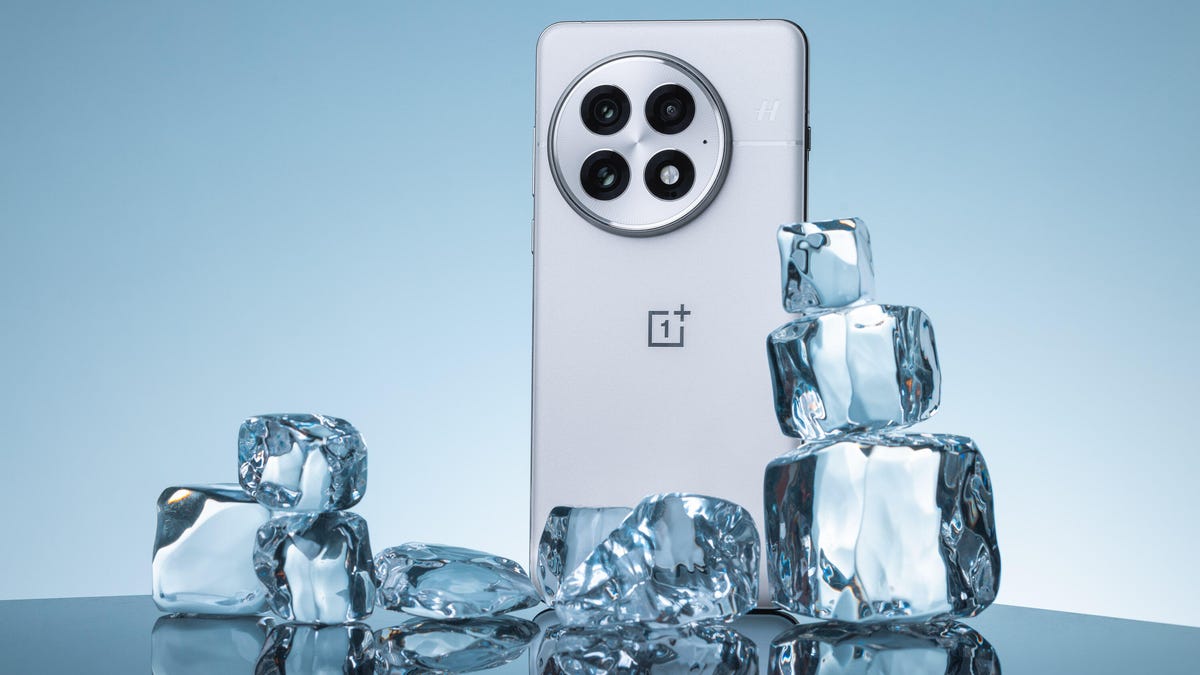
It’s a non-negotiable right now that every phone-maker out there must have a plan for integrating AI into its devices. OnePlus is a little late to the party, but it’s arrived nonetheless. Back in May, the company announced plans for bringing its own vision of personalized AI to OnePlus phones, and from this week, it’s rolling out to the OnePlus 13 and 13R.
At a launch event in London earlier this year I not only got to see the first AI features to land on OnePlus phones in action, but also learn about what the company’s future plans are for bringing more complex and sophisticated AI features to its phones down the road.
With all Android phone-makers increasingly making use of best-in-class Qualcomm chips and relying on Google’s Gemini AI, having a strong AI strategy is one way they can set themselves apart from rivals. I was impressed with how far OnePlus seems to be thinking ahead and not rushing into going ham on AI. Its initial AI rollout will likely capture people’s attention, even if its ideas aren’t entirely original.
OnePlus’ statement AI tool is called Plus Mind, which can save, suggest, store and search based on what’s currently on your phone screen, ultimately depositing the details in an app OnePlus is calling «Mind Space.» Plus Mind can be activated at any time, either by a dedicated button (if your phone has one) or by a swipe-up gesture. If it spots details of an event or reservation, it will propose creating a calendar entry.
Mind Space is a place to «organize your fragmented memories,» said Arthur Lam, the company’s director of OxygenOS and AI strategy. This is a hub where all of your most important content will live. AI search will allow you to find what you need without the information overload you may be used to, or it will automatically translate content into another language to make it accessible and searchable.
Plus Mind will debut with the upcoming launch of the OnePlus 13S, a phone designed specifically for the Asian market, which comes with a dedicated AI button (the «Plus Key,» as OnePlus is calling it) on the side of the phone. That means for those of us in the US and Europe, we’ll have to wait a little longer to enjoy OnePlus’ vision for AI ourselves. It will eventually be rolling out to the OnePlus 13 as an over-the-air update later this year, although the company is yet to confirm exactly when.
Plus Mind and Mind Space: My first impressions
On the OnePlus 13, which shipped before the addition of the Plus Key, you instead have to use a three-fingered swipe up from the bottom edge of the screen to activate the AI features. When I tested this in person, it was hit or miss as to whether I could get it to work. There’s definitely a knack to it — you need to start from a couple of centimeters above the lower rim — and there’s a high chance of accidentally displacing what’s on the screen.
It’s clear that OnePlus designed Plus Mind to be used with a dedicated button, and no doubt all future OnePlus phones will feature a Plus Key of their own. It is a shame in retrospect, though, that the key is missing from its most widely available 2025 flagship phone.
After using Plus Mind to save a variety of content, I had mixed opinions on how useful it was. The process of capturing and creating events out of details displayed on screen was seamless, and I found that I was able to use natural language within Mind Space to pull up the details of these events after the fact. But when saving articles I thought were interesting, Mind Space wasn’t able to provide a summary of the entirety of what I’d been reading — only of the specific text that was on screen at the time I activated Plus Mind.
I also struggled to organise the content into collections within Mind Space. This is a manual process, rather than a situation in which the AI takes over to categorize everything you’ve saved. This feels a little like a missed opportunity.
Like other Android phone-makers, OnePlus has the benefit of tapping into the best of Google’s Gemini phone tools, while also choosing what additional features it wants to bring to its phones to make them stand apart from its competitors. That said, its initial foray into AI with Mind Space is bound to draw comparisons to what Nothing is doing with Essential Space — its own dedicated hub for saving content, snippets, links and reminders.
What’s next for OnePlus AI?
Plus Mind and Mind Space are just the first part of OnePlus’ three-stage AI strategy. Next up is integrating a large language model into Plus Mind, allowing your phone to understand your habits to create a «persona» it uses to understand you.
«It will help you understand yourself,» said Lam, and could even help you discover something «surprising» or «enlightening» about yourself.
Stage 3 is when OnePlus plans to go full AI agent, turning into a personal assistant that can know everything about you. But the company’s not quite there just yet. In the meantime it has a few other ideas in the pipeline.
Coming first to India (again, not the EU or the US), are AI VoiceScribe, which will provide you with a quick summary after your call on WhatsApp, Snapchat or Telegram, and AI Call Assistant, which provides you with in-call translation in both text and voice.
On the more playful side, OnePlus is introducing two AI photo tools. The first, AI Best Face 2.0, will allow you to correct the faces of up 20 people in a group photo so that everyone is looking their best (if they have their eyes closed, for example, or what OnePlus describes as a «suboptimal expression»). AI Reframe, meanwhile, will analyze your carelessly shot holiday snaps and suggest creative cropping and framing to make it look like you weren’t three cocktails deep when you shot them.
These photo features will come to OnePlus phones this summer, beginning this week, but for the major OnePlus AI tool rollout, you might have to wait a little longer.
Technologies
Today’s Wordle Hints, Answer and Help for April 7, #1753
Here are hints and the answer for today’s Wordle for April 7, No. 1,753.
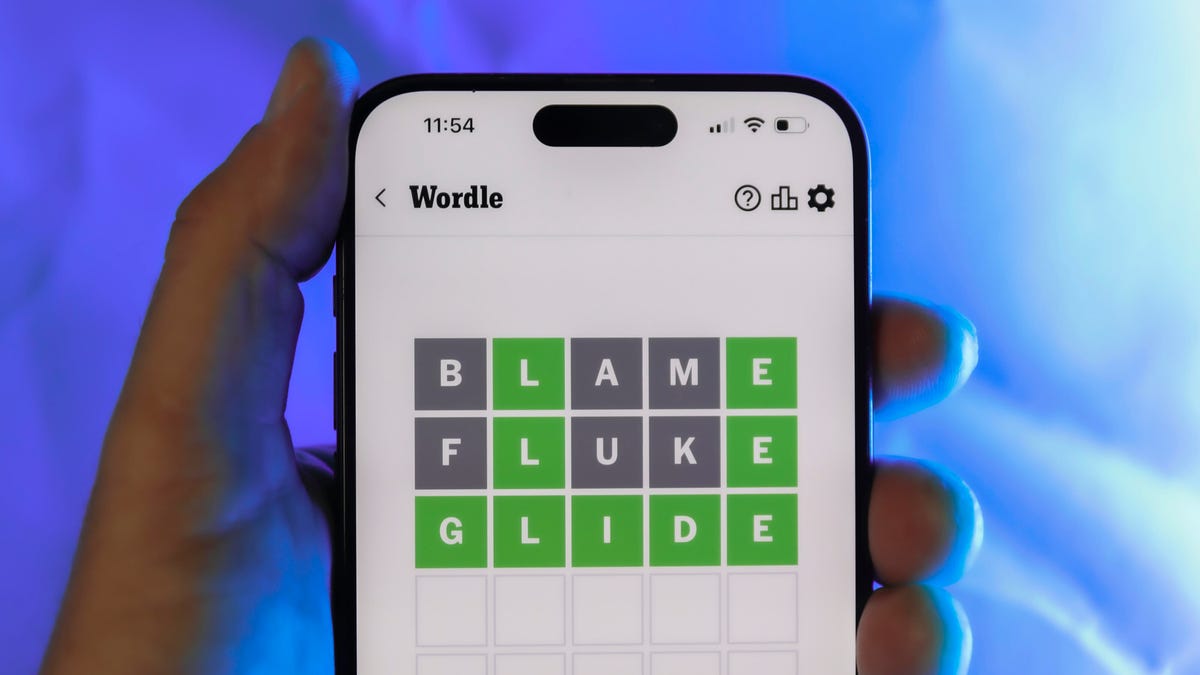
Looking for the most recent Wordle answer? Click here for today’s Wordle hints, as well as our daily answers and hints for The New York Times Mini Crossword, Connections, Connections: Sports Edition and Strands puzzles.
Today’s Wordle puzzle wasn’t too tricky, for a change. If you need a new starter word, check out our list of which letters show up the most in English words. If you need hints and the answer, read on.
Read more: New Study Reveals Wordle’s Top 10 Toughest Words of 2025
Today’s Wordle hints
Before we show you today’s Wordle answer, we’ll give you some hints. If you don’t want a spoiler, look away now.
Wordle hint No. 1: Repeats
Today’s Wordle answer has one repeated letter.
Wordle hint No. 2: Vowels
Today’s Wordle answer has one vowel, but it’s the repeated letter, so you’ll see it twice.
Wordle hint No. 3: First letter
Today’s Wordle answer begins with D.
Wordle hint No. 4: Last letter
Today’s Wordle answer ends with E.
Wordle hint No. 5: Meaning
Today’s Wordle answer can relate to something that is closely compacted.
TODAY’S WORDLE ANSWER
Today’s Wordle answer is DENSE.
Yesterday’s Wordle answer
Yesterday’s Wordle answer, April 6, No. 1752, was SWORN.
Recent Wordle answers
April 2, No. 1748: SOBER
April 3, No. 1749: SINGE
April 4, No. 1750: SANDY
April 5, No. 1751: ENVOY
What’s the best Wordle starting word?
Don’t be afraid to use our tip sheet ranking all the letters in the alphabet by frequency of uses. In short, you want starter words that lean heavy on E, A and R, and don’t contain Z, J and Q.
Some solid starter words to try:
ADIEU
TRAIN
CLOSE
STARE
NOISE
Technologies
Today’s NYT Mini Crossword Answers for Tuesday, April 7
Here are the answers for The New York Times Mini Crossword for April 7.
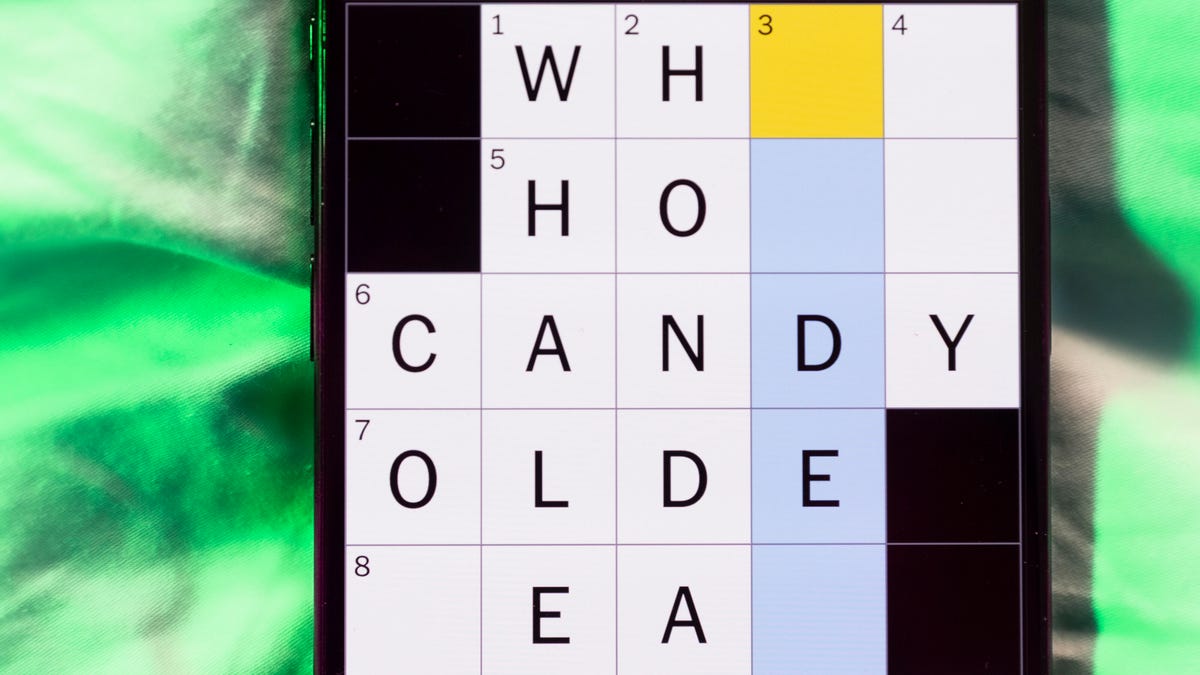
Looking for the most recent Mini Crossword answer? Click here for today’s Mini Crossword hints, as well as our daily answers and hints for The New York Times Wordle, Strands, Connections and Connections: Sports Edition puzzles.
Need some help with today’s Mini Crossword? Read on for all the answers. And if you could use some hints and guidance for daily solving, check out our Mini Crossword tips.
If you’re looking for today’s Wordle, Connections, Connections: Sports Edition and Strands answers, you can visit CNET’s NYT puzzle hints page.
Read more: Tips and Tricks for Solving The New York Times Mini Crossword
Let’s get to those Mini Crossword clues and answers.
Mini across clues and answers
1A clue: Informative commercial, for short
Answer: PSA
4A clue: Something you trace to draw a Thanksgiving turkey
Answer: HAND
5A clue: ___ Johnson, former Prime Minister of the U.K.
Answer: BORIS
6A clue: Opposite of include
Answer: OMIT
7A clue: Crosses (out)
Answer: XES
Mini down clues and answers
1D clue: City with the Notre-Dame Cathedral
Answer: PARIS
2D clue: Bad mood
Answer: SNIT
3D clue: About eight minutes of the average half-hour sitcom
Answer: ADS
4D clue: Remote worker’s office, perhaps
Answer: HOME
5D clue: Word that can follow each group of circled letters (and hints at its shape)
Answer: BOX
Technologies
NASA’s Artemis II Breaks Record With Trip Around The Moon
-
 Technologies3 года ago
Tech Companies Need to Be Held Accountable for Security, Experts Say
-
 Technologies3 года ago
Best Handheld Game Console in 2023
-
 Technologies3 года ago
Tighten Up Your VR Game With the Best Head Straps for Quest 2
-
 Technologies4 года ago
Black Friday 2021: The best deals on TVs, headphones, kitchenware, and more
-
 Technologies5 лет ago
Google to require vaccinations as Silicon Valley rethinks return-to-office policies
-
 Technologies5 лет ago
Verum, Wickr and Threema: next generation secured messengers
-
 Technologies4 года ago
Olivia Harlan Dekker for Verum Messenger
-
 Technologies4 года ago
The number of Сrypto Bank customers increased by 10% in five days