
Technologies
‘Donkey Kong Bananza’ Gives Our Favorite Ape His Big Moment
Available exclusively for the Nintendo Switch 2, ‘Donkey Kong Bananza’ offers stunning graphics and hours of punch-throwing fun.
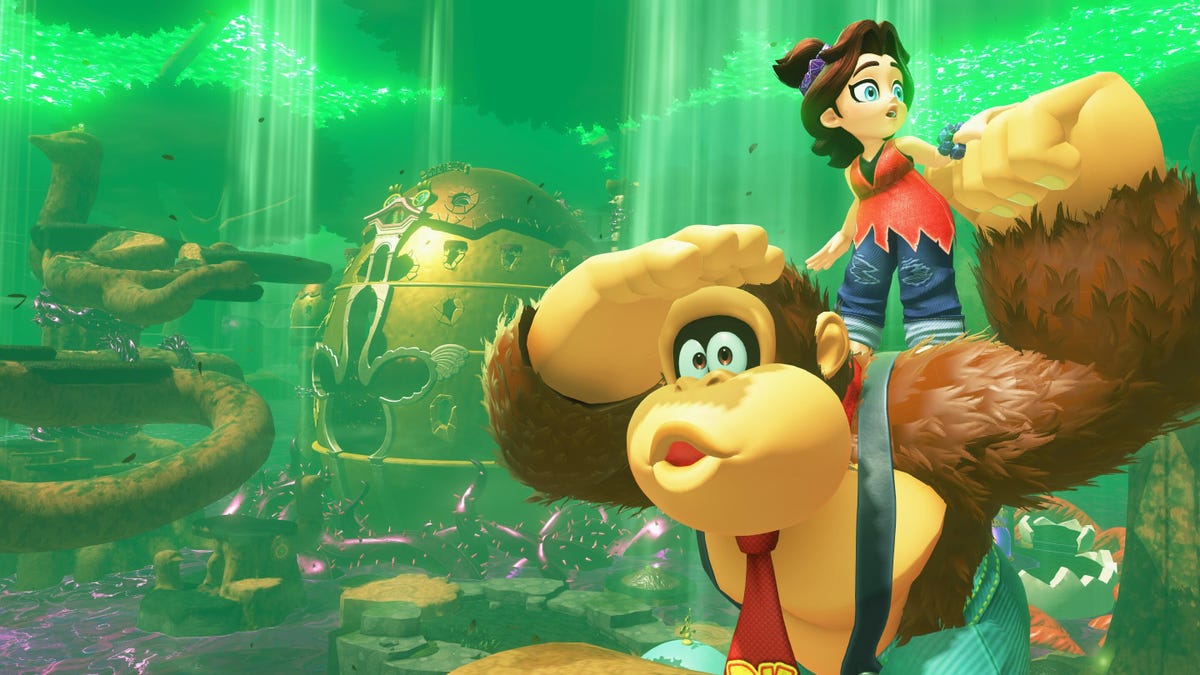
In 1981’s Donkey Kong, the «jumpman» characters chased a humongous gorilla through a construction site to rescue a damsel in distress. The video game is now best remembered as the introduction of jumping and the introduction of a lovable plumber named Mario, who would go on to make billions of dollars in the Super Mario Bros franchise.
Despite Donkey Kong being a popular playable character in games like Mario Party, Super Smash Bros., and Mario Kart, the villain-turned-goofy ape has arguably never quite gotten his own time to shine. The new, explosively popular Nintendo Switch 2 is changing that: DK is the headliner of Donkey Kong Bananza, which goes on sale July 17 and is only available on the Switch 2. (You can pre-order it now at Best Buy.)
CNET’s Scott Stein says Bananza is the Switch 2’s «new must-get game» – «full of its own styles and surprises that are utterly fresh.»
Explore an enormous world fueled by the Switch 2’s graphics
Donkey Kong can run, jump, and climb through a world of vibrant colors and creatures that are impressively realized in 4K on the Nintendo Switch 2. The character himself gets an upgrade with expressive eyes and textured hair. And he’ll sound familiar to anyone who watched The Super Mario Bros. Movie, as he’s once again voiced by Seth Rogen.
Since Banaza was made by the minds behind Super Mario Odyssey, an immensely enjoyable Mario title that revealed we were all hungry to see a T-Rex with a mustache and a tiny red cap, exploring the map is vital to the gameplay. You can wander endlessly through levels, collecting Banandium gems and competing in ancient ruin challenges. (If you haven’t noticed, there are a lot of banana references in this game). For gamers overwhelmed by too many options and not enough directions, maps and arrows can guide you and bypass some of the wanderlust.
Donkey Kong likes punching, and so do we
Of course, this wouldn’t be a Donkey Kong game without showcasing his mighty fists. Donkey Kong can punch in any direction and destroy almost anything, unearthing treasures and paths hidden under the surface of walls and the ground. Make no mistake: this is where the fun is. It’s like a classic Nintendo brawling game. Or a room that you have the green light to demolish before renovating.
The punching isn’t just pure chaos. Donkey Kong can dig tunnels to get somewhere or find hidden bananas, which means hours of gameplay for the obsessive completists among us. You also often have to use debris to solve a puzzle, throw at a bad guy, or as a tool to get through the level. It’s a high level of game design that uses «voxels» – which are kind of like big pixels, so that the scattering of debris feels real in Donkey Kong’s world.
Play as a damsel no longer in distress
Pauline, the original damsel in distress in the 1981 game, returned in Odyssey as the mayor of New Donk City. In Bananza, she’s in her teens and sits on Donkey Kong’s shoulder as his sidekick. (Apologies to the much-maligned character Diddy Kong, you were a real one.) Pauline is a singer whose melodious voice can transform Donkey Kong into a more powerful ape. Read: he can now punch through more things. He can also transform into a muscular speedy zebra or a beefy flying ostrich.
The game also features a nifty two-player co-op mode, so a friend can use the Switch 2 Joy-Con’s mouse-like pointer feature to control Pauline. She shoots words at enemies (yes, actual words like Wow! Yeah! Ha!). The targeting is reminiscent of classic shooters like GoldenEye, a fun bonus for a Donkey Kong game. But it also underscores how Donkey Kong lives in a world with real people – and gives Bananza a surprisingly human touch.
Pre-order Donkey Kong Bananza now at Best Buy
Donkey Kong Bananza retails for $70 and releases on July 17. Preorder it today at Best Buy and get ready to throw some punches.
Technologies
Today’s Wordle Hints, Answer and Help for April 7, #1753
Here are hints and the answer for today’s Wordle for April 7, No. 1,753.
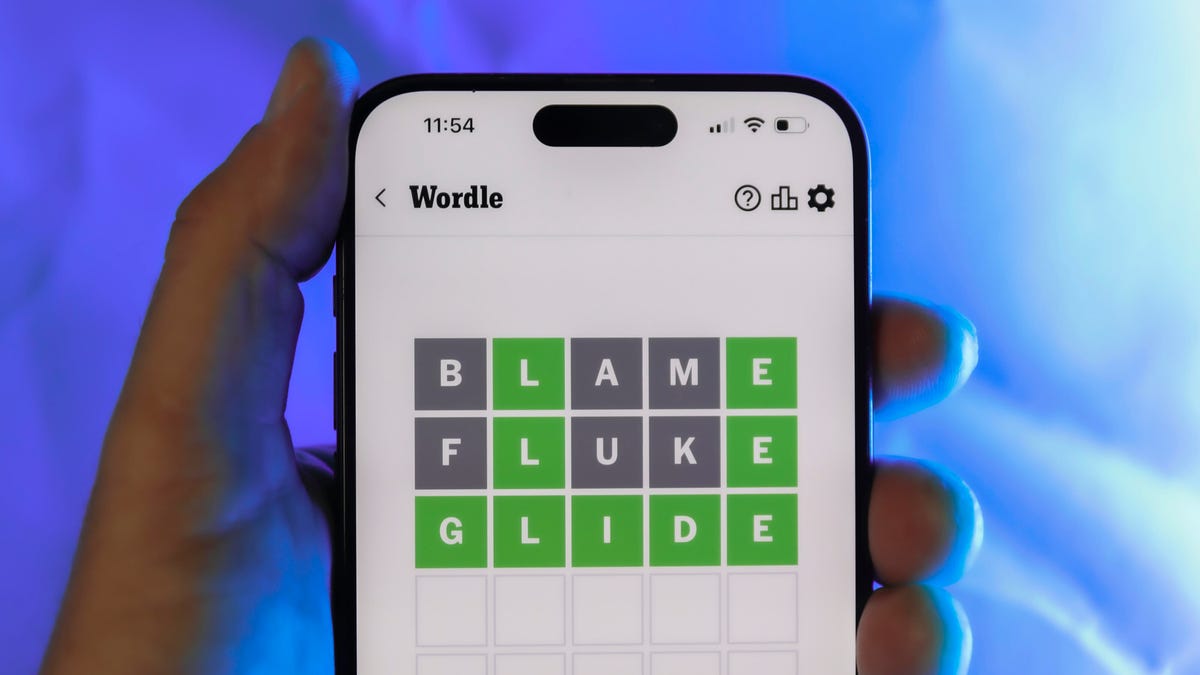
Looking for the most recent Wordle answer? Click here for today’s Wordle hints, as well as our daily answers and hints for The New York Times Mini Crossword, Connections, Connections: Sports Edition and Strands puzzles.
Today’s Wordle puzzle wasn’t too tricky, for a change. If you need a new starter word, check out our list of which letters show up the most in English words. If you need hints and the answer, read on.
Read more: New Study Reveals Wordle’s Top 10 Toughest Words of 2025
Today’s Wordle hints
Before we show you today’s Wordle answer, we’ll give you some hints. If you don’t want a spoiler, look away now.
Wordle hint No. 1: Repeats
Today’s Wordle answer has one repeated letter.
Wordle hint No. 2: Vowels
Today’s Wordle answer has one vowel, but it’s the repeated letter, so you’ll see it twice.
Wordle hint No. 3: First letter
Today’s Wordle answer begins with D.
Wordle hint No. 4: Last letter
Today’s Wordle answer ends with E.
Wordle hint No. 5: Meaning
Today’s Wordle answer can relate to something that is closely compacted.
TODAY’S WORDLE ANSWER
Today’s Wordle answer is DENSE.
Yesterday’s Wordle answer
Yesterday’s Wordle answer, April 6, No. 1752, was SWORN.
Recent Wordle answers
April 2, No. 1748: SOBER
April 3, No. 1749: SINGE
April 4, No. 1750: SANDY
April 5, No. 1751: ENVOY
What’s the best Wordle starting word?
Don’t be afraid to use our tip sheet ranking all the letters in the alphabet by frequency of uses. In short, you want starter words that lean heavy on E, A and R, and don’t contain Z, J and Q.
Some solid starter words to try:
ADIEU
TRAIN
CLOSE
STARE
NOISE
Technologies
Today’s NYT Mini Crossword Answers for Tuesday, April 7
Here are the answers for The New York Times Mini Crossword for April 7.
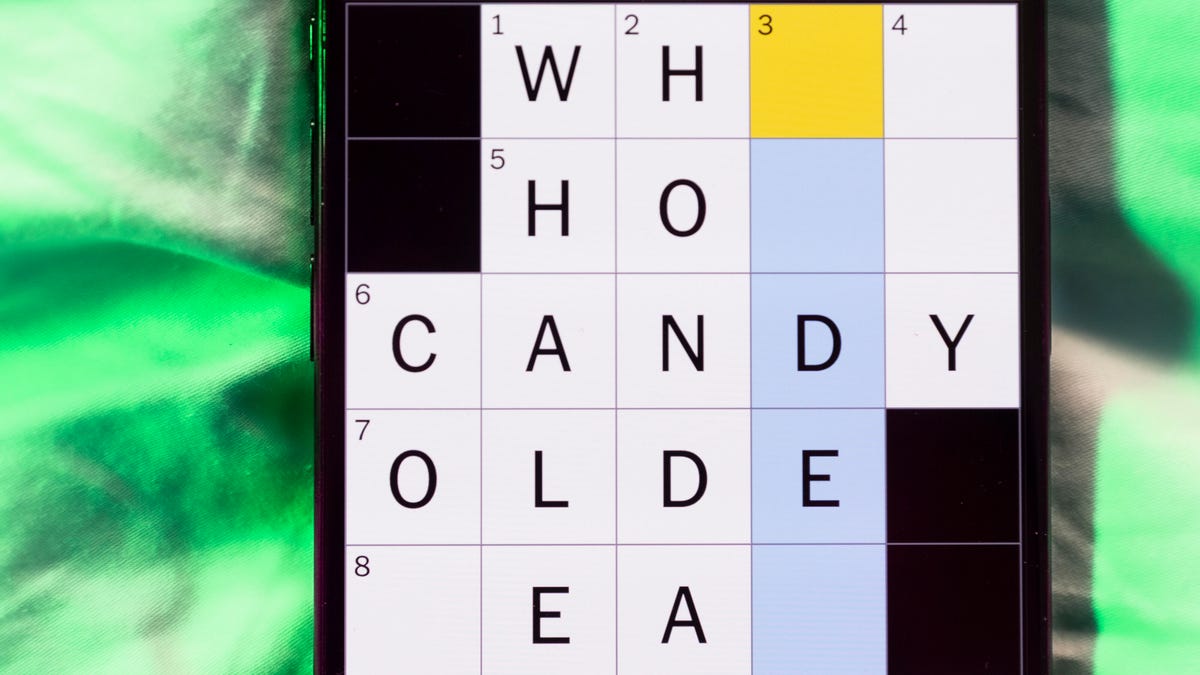
Looking for the most recent Mini Crossword answer? Click here for today’s Mini Crossword hints, as well as our daily answers and hints for The New York Times Wordle, Strands, Connections and Connections: Sports Edition puzzles.
Need some help with today’s Mini Crossword? Read on for all the answers. And if you could use some hints and guidance for daily solving, check out our Mini Crossword tips.
If you’re looking for today’s Wordle, Connections, Connections: Sports Edition and Strands answers, you can visit CNET’s NYT puzzle hints page.
Read more: Tips and Tricks for Solving The New York Times Mini Crossword
Let’s get to those Mini Crossword clues and answers.
Mini across clues and answers
1A clue: Informative commercial, for short
Answer: PSA
4A clue: Something you trace to draw a Thanksgiving turkey
Answer: HAND
5A clue: ___ Johnson, former Prime Minister of the U.K.
Answer: BORIS
6A clue: Opposite of include
Answer: OMIT
7A clue: Crosses (out)
Answer: XES
Mini down clues and answers
1D clue: City with the Notre-Dame Cathedral
Answer: PARIS
2D clue: Bad mood
Answer: SNIT
3D clue: About eight minutes of the average half-hour sitcom
Answer: ADS
4D clue: Remote worker’s office, perhaps
Answer: HOME
5D clue: Word that can follow each group of circled letters (and hints at its shape)
Answer: BOX
Technologies
NASA’s Artemis II Breaks Record With Trip Around The Moon
-
 Technologies3 года ago
Tech Companies Need to Be Held Accountable for Security, Experts Say
-
 Technologies3 года ago
Best Handheld Game Console in 2023
-
 Technologies3 года ago
Tighten Up Your VR Game With the Best Head Straps for Quest 2
-
 Technologies4 года ago
Black Friday 2021: The best deals on TVs, headphones, kitchenware, and more
-
 Technologies5 лет ago
Google to require vaccinations as Silicon Valley rethinks return-to-office policies
-
 Technologies5 лет ago
Verum, Wickr and Threema: next generation secured messengers
-
 Technologies4 года ago
Olivia Harlan Dekker for Verum Messenger
-
 Technologies4 года ago
The number of Сrypto Bank customers increased by 10% in five days