
Technologies
Samsung Galaxy S24 Ultra vs. Apple iPhone 15 Pro Max, Google Pixel 8 Pro, OnePlus 12: High-End Flagships Compared
How Samsung’s Galaxy S24 Ultra compares with the most expensive, non-folding phones offered by Apple, Google and OnePlus.
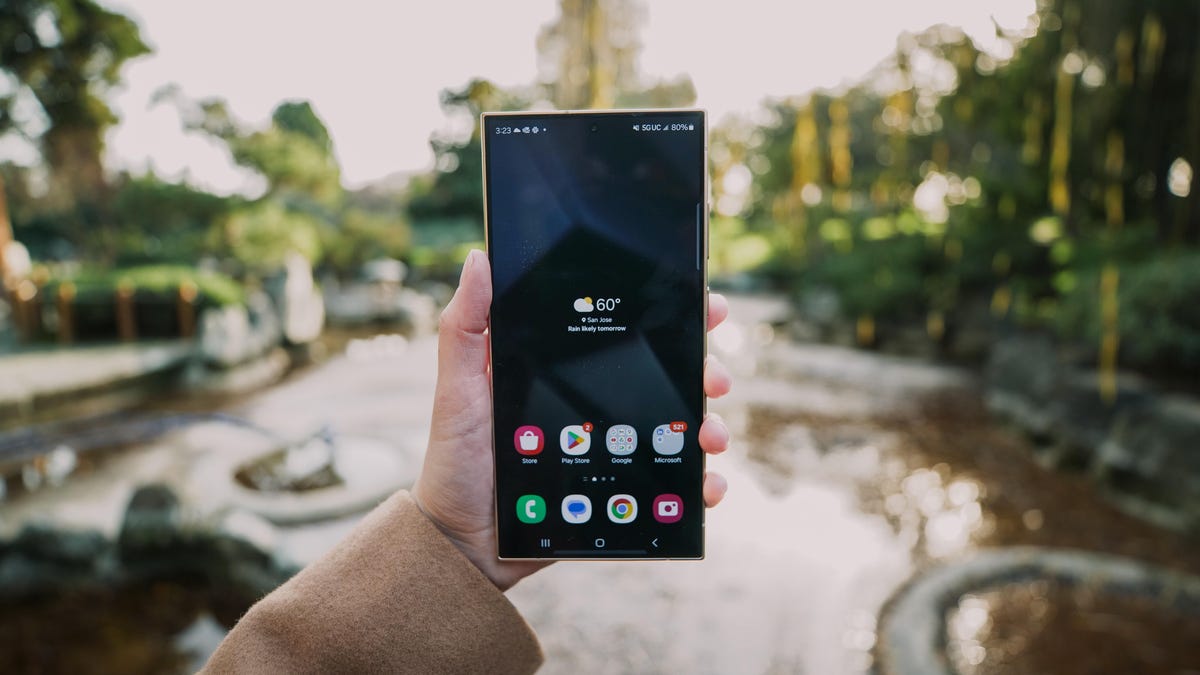
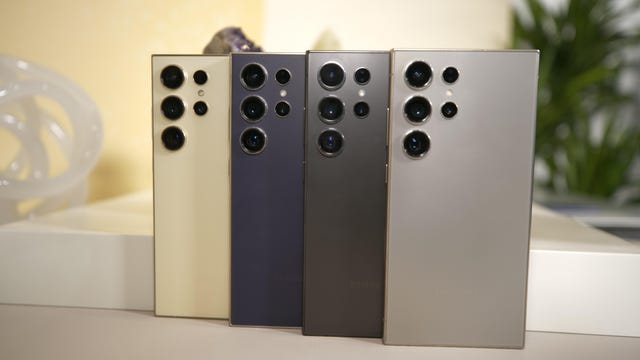
Samsung’s $1,300 (£1,249, AU$2,199) Galaxy S24 Ultra is the highest-end and priciest phone in the company’s lineup. Its highlights include new AI features and tweaks to its cameras.
It’s also by far the most expensive non-folding flagship phone currently available, coming in at $100 more expensive than last year’s base $1,200 Galaxy S23 Ultra and the also-$1,200 iPhone 15 Pro Max from Apple.
You get a lot for your money, though, including the beefiest phone specs and a camera that’s likely to specialize in detailed zoom photos. The S24 Ultra has the latest Qualcomm Snapdragon 8 Gen 3 processor and a large 6.8-inch AMOLED display. Its 200-megapixel main camera is now accompanied by a 50-megapixel telephoto camera.
While we’ll have to wait for CNET’s Galaxy S24 Ultra review to see how those specs work on a daily basis, we can compare those specs against the most expensive phones offered by other flagship phone makers.
In the below chart, we’ve outlined what’s inside the S24 Ultra and pit it against Apple’s iPhone 15 Pro Max, Google’s Pixel 8 Pro and the OnePlus 12.
Samsung Galaxy S24 Ultra vs. Apple iPhone 15 Pro Max vs. Google Pixel 8 Pro vs. OnePlus 12
| Samsung Galaxy S24 Ultra | iPhone 15 Pro Max | Google Pixel 8 Pro | OnePlus 12 | |
|---|---|---|---|---|
| Display size, resolution | 6.8-inch AMOLED; 3,120×1,440 pixels; 1-120Hz adaptive refresh rate | 6.7-inch OLED; 2,796×1,290 pixels; 120Hz adaptive | 6.7-inch OLED; 3,120×1,440 pixels; 1-120Hz adaptive refresh rate | 6.82-inch OLED; 3,168×1,440 pixels; 1-120Hz adaptive refresh rate |
| Pixel density | 501 ppi | 460 ppi | 489 ppi | 510 ppi |
| Dimensions (inches) | 6.40 x 3.11 x 0.34 in | 3.02 x 6.29 x 0.32 in | 6.4 x 3.0 x 0.3 in | 6.5 x 3 x 0.36 in |
| Dimensions (millimeters) | 163 x 79 x 8.6 mm | 76.7 x 159.9 x 8.25 mm | 162.6 x 76.5 x 8.8 mm | 164.3 x 76 x 9.2 mm |
| Weight (ounces, grams) | 233 g (8.22 oz) | 221 g (7.81 oz) | 213 g (7.5 oz) | 220 g (7.8 oz) |
| Mobile software | Android 14 | iOS 17 | Android 14 | Android 14 |
| Camera | 200-megapixel (wide), 12-megapixel (ultrawide), 10-megapixel (3x telephoto), 50-megapixel (5x telephoto) | 48-megapixel (wide), 12-megapixel (ultrawide), 12-megapixel telephoto (5x optical) | 50-megapixel (wide), 48-megapixel (ultrawide), 48-megapixel (telephoto) | 50-megapixel (wide), 48-megapixel (ultrawide), 64-megapixel (telephoto) |
| Front-facing camera | 12-megapixel | 12-megapixel | 10.5-megapixel | 32-megapixel |
| Video capture | 8K | 4K | 4K | 8K |
| Processor | Qualcomm Snapdragon 8 Gen 3 | A17 Pro | Google Tensor G3 | Qualcomm Snapdragon 8 Gen 3 |
| RAM/Storage | 12GB RAM + 256GB, 512GB, 1TB | 256GB, 512GB, 1TB | 12GB RAM + 128GB, 256GB, 512GB, 1TB | 12GB RAM + 256GB; 16GB RAM + 512GB |
| Expandable storage | None | None | None | None |
| Battery/Charger | 5,000 mAh | Undisclosed; Apple claims up to 29 hours of video playback (25 hours streamed) | 5,050 mAh | 5,400 mAh (dual-2,700 mAh) |
| Fingerprint sensor | Under display | None (Face ID) | Under display | Under display |
| Connector | USB-C | USB-C (USB 3.0) | USB-C | USB-C |
| Headphone jack | None | None | None | None |
| Special features | Titanium frame, 2,600-nit peak brightness; 7 years of OS and security updates; 5G (mmWave); IP68 water resistance; wireless PowerShare to charge other devices; integrated S Pen; UWB for finding other devices; 45W wired charging (charger not included); Galaxy AI; Wi-Fi 7; Gorilla Glass Armor cover glass | 5G (mmw/Sub6), Action Button, Always-On display, IP68 rating, MagSafe, Dynamic Island, 5x optical zoom (120mm equivalent),satellite connectivity, eSIM, Thread networking technology | 5G (Sub 6 and mmWave); VPN by Google One; 7 years of OS, security and Feature Drop updates; front-facing camera has autofocus; 13W Qi wireless charging; 30W wired charging; USB-3.2 speeds via USB-C; IP68 dust and water resistance; Gorilla Glass Victus 2 on front and back | 4,500-nit peak brightness; 80W wired charging (100W wired charging outside US); 50W wireless charging with fan dock; Wi-Fi 7; Gorilla Glass Victus 2 cover glass |
| Price off-contract (USD) | $1,300 (256GB) | $1,199 (256GB), $1,399 (512GB), $1,599 (1TB) | $999 (128GB) | $800 (256GB) |
| Price (GBP) | £1,249 (256GB) | £1,199 (256GB), £1,399 (512GB), £1,599 (1TB) | £999 (128GB) | TBD |
| Price (AUD) | AU$2,199 (256GB) | AU$2,199 (256GB), AU$2,549 (512GB), AU$2,899 (1TB) | AU$1,699 (128GB) | TBD |


Technologies
Today’s NYT Mini Crossword Answers for Wednesday, March 11
Here are the answers for The New York Times Mini Crossword for March 11.
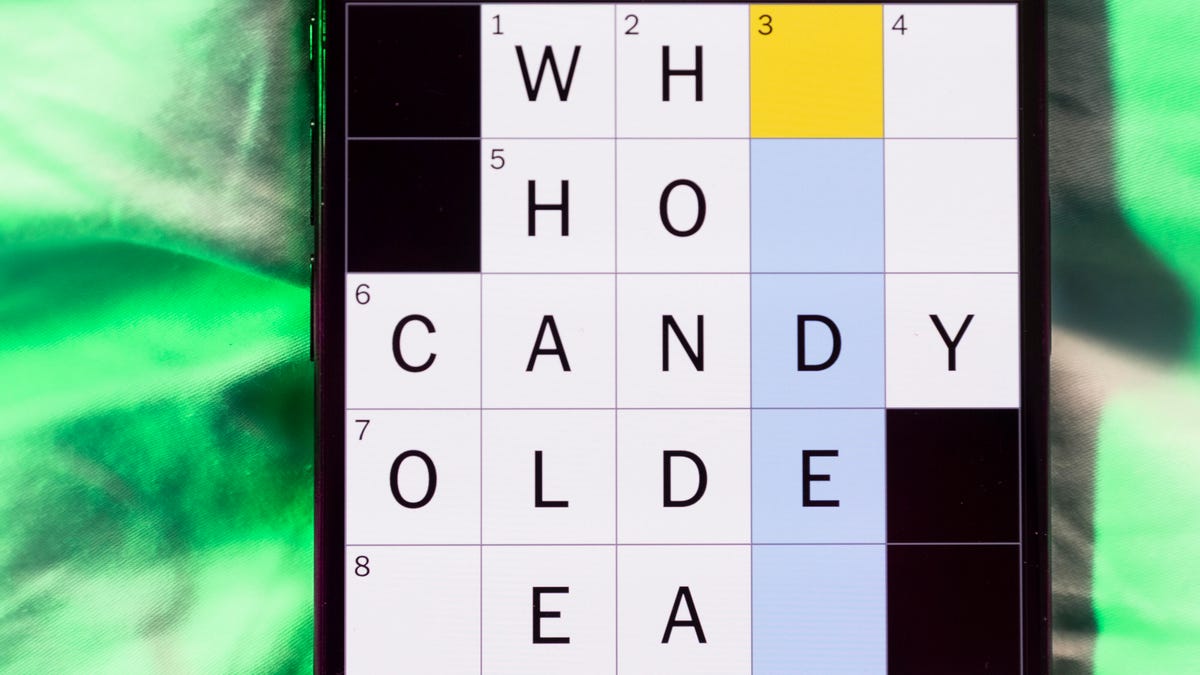
Looking for the most recent Mini Crossword answer? Click here for today’s Mini Crossword hints, as well as our daily answers and hints for The New York Times Wordle, Strands, Connections and Connections: Sports Edition puzzles.
Need some help with today’s Mini Crossword? I thought it was a bit tricky. 1-Down is one of those old-fashioned comic-book sounds that I had to remember how to spell correctly. Read on for all the answers. And if you could use some hints and guidance for daily solving, check out our Mini Crossword tips.
If you’re looking for today’s Wordle, Connections, Connections: Sports Edition and Strands answers, you can visit CNET’s NYT puzzle hints page.
Read more: Tips and Tricks for Solving The New York Times Mini Crossword
Let’s get to those Mini Crossword clues and answers.
Mini across clues and answers
1A clue: Study of the human mind, informally
Answer: PSYCH
6A clue: Common fixture in a gym bathroom
Answer: SCALE
7A clue: Kinda boring
Answer: HOHUM
8A clue: Like a commenter without a username, for short
Answer: ANON
9A clue: «All good between us?»
Answer: WEOK
Mini down clues and answers
1D clue: Old-fashioned «Yeah, right!»
Answer: PSHAW
2D clue: Coffeehouse pastry
Answer: SCONE
3D clue: Google alternative
Answer: YAHOO
4D clue: Sound of a dull thump
Answer: CLUNK
5D clue: Line on the bottom of a pant leg
Answer: HEM
Technologies
OnePlus and Oppo to Raise Smartphone Prices as Memory Costs Climb
Oppo says rising costs for key phone components will trigger price adjustments on some devices starting March 16.
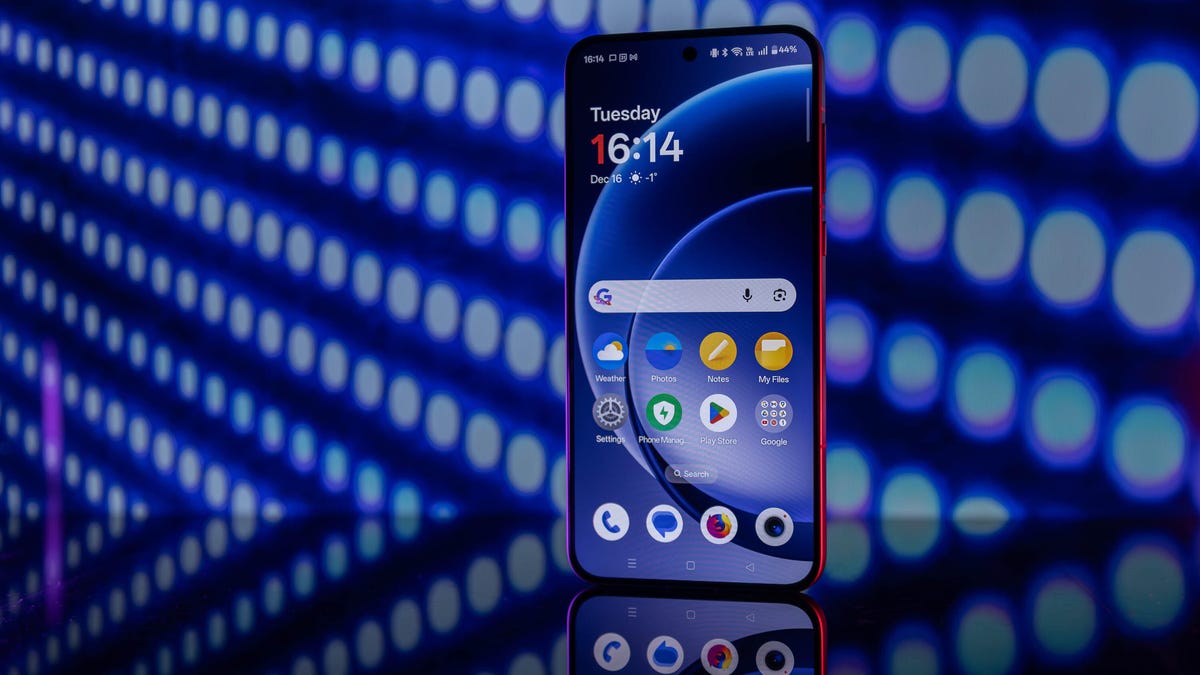
Chinese smartphone-makers OnePlus and Oppo plan to raise prices on some existing models starting next week, according to a 9to5Google report citing GizmoChina and a notice posted on Oppo’s China online store.
In its notice, Oppo said it would adjust pricing after evaluating rising costs for several key components used in its mobile phones. The changes are expected to take effect around March 16 and will affect some of the company’s more affordable smartphones, as well as some OnePlus models.
Flagship devices — like those in the Find and Reno series — are not expected to be affected for now. The reported adjustments currently appear to be limited to China.
The move highlights growing pressure across the smartphone supply chain as component costs climb. Analysts say prices for memory and storage chips used in phones have been rising in recent months as demand surges across the tech industry.
Much of the chip demand is coming from the rapid buildout of AI data centers, which rely on large amounts of high-performance memory.
That pressure isn’t limited to Oppo and OnePlus. Analysts say smartphone brands across the industry are facing rising component costs amid increased demand for memory chips.
As manufacturers shift production toward higher-margin memory used in AI servers, supply for consumer electronics such as smartphones and laptops can tighten.
If component costs continue to rise, manufacturers may face difficult choices later this year, including raising retail prices or adjusting device specifications to offset higher manufacturing costs.
OnePlus and Oppo didn’t immediately respond to a request for comment.
Technologies
Harvard Business Review Study Finds ‘AI Brain Fry’ Is Leaving Workers Mentally Fatigued
Study participants reported increased mental fatigue while using AI tools, but less burnout overall.

Workers who excessively use AI agents and tools at work are at increased risk of mental fatigue, according to a recent Harvard Business Review study. In certain industries, more than 25% of hired professionals report increased mental strain due to their role in AI oversight — though these professionals also generally experienced less burnout than peers who aren’t using AI.
This phenomenon — which the researchers refer to as «AI brain fry» — is described as a «‘buzzing’ feeling or a mental fog» that caused study participants to develop headaches and difficulty focusing and making decisions. Individuals pointed to being overwhelmed by large amounts of information and to frequent task switching as the reasons for these feelings.
Studied individuals experienced more brain fry when they utilized AI agents to manage a workload beyond their own cognitive capacity. When participants used AI to replace mundane, repetitive tasks, managing the growing number of tools led to increased mental fatigue.
Crucially, the study found that fewer individuals who used these AI agents reported workplace burnout.
The researchers predict that this is because burnout testing assesses emotional and physical distress. In contrast, they report, acute mental fatigue «is caused by marshalling attention, working memory and executive control beyond the limited capacity of these systems.»
These are the processes that are taxed when study participants use multiple AI tools in their workflow, according to the researchers.
The Harvard study identifies several business costs incurred by workers suffering from AI brain fry. The foremost consequence is that these individuals may end up making lower-quality decisions. «Workers in [the] study who endorsed AI brain fry experience 33% more decision fatigue than those who did not,» the study reports. Workers who report AI brain fry were also more likely to self-report making both minor and major errors at their jobs.
Another recent Harvard Business Review study similarly found that employees who use AI tools «worked at a faster pace, took on a broader scope of tasks and extended work into more hours of the day,» but warned that «workload creep can in turn lead to cognitive fatigue, burnout and weakened decision-making.»
-
 Technologies3 года ago
Tech Companies Need to Be Held Accountable for Security, Experts Say
-
 Technologies3 года ago
Best Handheld Game Console in 2023
-
 Technologies3 года ago
Tighten Up Your VR Game With the Best Head Straps for Quest 2
-
 Technologies4 года ago
Black Friday 2021: The best deals on TVs, headphones, kitchenware, and more
-
 Technologies5 лет ago
Google to require vaccinations as Silicon Valley rethinks return-to-office policies
-
 Technologies5 лет ago
Verum, Wickr and Threema: next generation secured messengers
-
 Technologies4 года ago
Olivia Harlan Dekker for Verum Messenger
-
 Technologies4 года ago
iPhone 13 event: How to watch Apple’s big announcement tomorrow