
Technologies
Intel’s 2024 PC Chips Getting a Speed Boost From New Power Tech
PowerVia should speed up Intel PC chips — and maybe even rival designs if Intel can persuade competitors to use its manufacturing services.
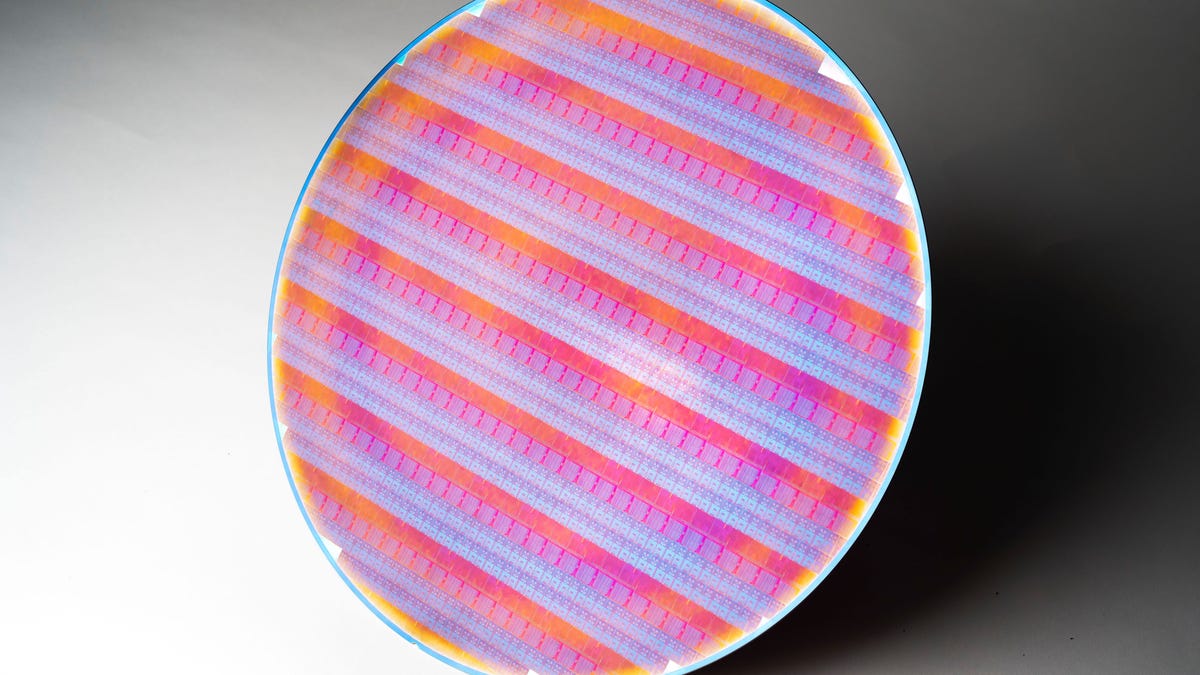
Intel’s Arrow Lake processor for 2024 PCs will get a speed boost thanks to a new technique sending electrical power through its chips.
In tests detailed Monday, Intel said a technology it calls PowerVia offered a 6% speed boost on test chips. Another big change called RibbonFET that’s coming with Arrow Lake should offer further advantages.
That’s a big deal for Intel, which has struggled to reclaim a once formidable chipmaking advantage that it lost to Taiwan Semiconductor Manufacturing Co. (TSMC) and Samsung. Those two companies are «foundry» companies that make other chips, notably Intel’s top competitors: Apple, AMD, Nvidia and Qualcomm, but they aren’t expected to match PowerVia until later.
If PowerVia and RibbonFET arrive on time in 2024 with the Intel 20A manufacturing process, then are improved with 18A in 2025, it could help Intel better match rival chips when it comes to packing in lots of circuitry and running efficiently to extend battery life. Apple’s MacBook laptops run unplugged for hours, and many models completely do away with a cooling fan to keep their chips from overheating.
«It looks like a good incremental step,» but not a permanent advantage for Intel, Tirias Research analyst Kevin Krewell said of PowerVia. «Everybody’s going to follow suit and will have the same technology in place over time.»
And because Intel is trying to become a foundry too, it could mean some of those competitors actually could become customers that, like Intel’s own chips, benefit. Intel missed out on making smartphone chips, but in Intel’s ideal future, it could be building the Apple processor that powers a future iPhone.
Meet backside power delivery
Chips process data and perform calculations using tiny electrical switches called transistors that can switch on and off billions of times per second. Today, the necessary power to do that comes on equally tiny electrical links that wind their way through a complex 3D labyrinth of wires that also carry instruction signals to the transistors.
But with Arrow Lake, the 2024 successor to this year’s Meteor Lake processor for PCs, Intel will separate the power delivery from the communication links, moving it to the opposite face of the chip. In the semiconductor industry, it’s called a backside power delivery network, but Intel calls its version PowerVia.
«PowerVia is a revolutionary change for on-chip interconnects that improves power, performance, area, and cost,» all important dimensions of transistor design, said Ben Sell, an Intel vice president who worked on the technology.
Problems with manufacturing progress
By incorporating PowerVia in its highest volume, highest profile processor, Intel is counting on backside power delivery working well and not degrading manufacturing with flawed chips. To guard against that possible disaster, Intel developed PowerVia using test chips built with its current Intel 4 manufacturing process, used to make elements of Meteor Lake. It works well enough that it’ll be standard for Intel 20A and its successor, 18A.
PowerVia is a crucial element to Intel’s recovery effort. In the relentless effort to miniaturize transistors, to keep pace with Moore’s Law, Intel faltered a decade ago and hasn’t fully recovered. Although Samsung and TSMC are working on backside power delivery, PowerVia could beat it to market. For example, TSMC’s backside power technology isn’t expected until 2026.
«From everything we know, this is coming a node ahead of what the industry is doing and gives our customers the advantages of PowerVia as soon as possible,» Sell said. A node is a major step in chip manufacturing technology.
PowerVia adds new processing steps to the hundreds already required to make a chip. Once the transistors are carefully built on the front of a silicon wafer of chips, the wafer must be flipped over, ground thinner, polished, and have power connections installed.
That adds cost and time. But removing the power lines from the front of the wafer means there’s more room for communication links, simplifying designs and overall lowers manufacturing costs.
Technologies
Google’s Pixel 10A Is Coming to Japan With an Exclusive Blue Edition and Special Wallpaper
This model comes with creatively designed stickers and a special look for Pixel’s 10th anniversary.
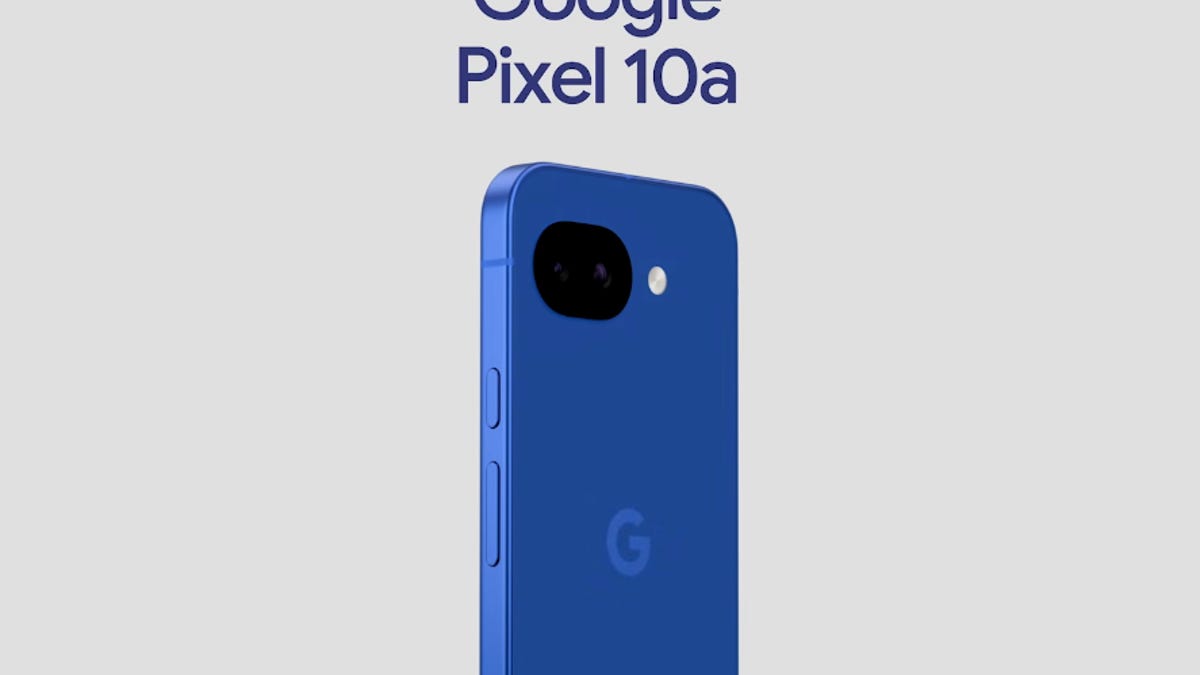
Don’t be blue: Google is releasing an Isai blue edition of the Pixel 10A to celebrate the Android phone line’s 10th anniversary, setting it apart with its own sticker set, specialized wallpaper and custom icons. But it’ll only be available in Japan.
Announced Tuesday on the Google Japan blog, the Isai blue Pixel 10A has a dark blue look and includes bonus decorations designed in collaboration with Japan’s Heralbony art company. These include an exclusive bumper case and stickers for customization.
This edition of the Pixel 10A will arrive in Japan on May 20, following the April 14 release of the Pixel 10A in its original colors of lavender, berry, fog and obsidian. The Isai blue model costs 94,900 yen, which roughly translates to $595, and includes 256GB of storage.
This makes it slightly less expensive than the US model’s 256GB edition, but it comes with a number of fun extras at no additional cost.
Google’s creation of a country-specific model for Japan may also reflect strong sales in that market. In 2023, the IDC analytics firm (via 9to5Google) reported that the Pixel 7 series accounted for 10.7% of the country’s market share, a 527% increase from 2022.
Technologies
Can’t Wait for New Emoji? Here’s How to Create Your Own on iPhone
Apple Intelligence-enabled iPhones can create custom emoji in a few easy steps.
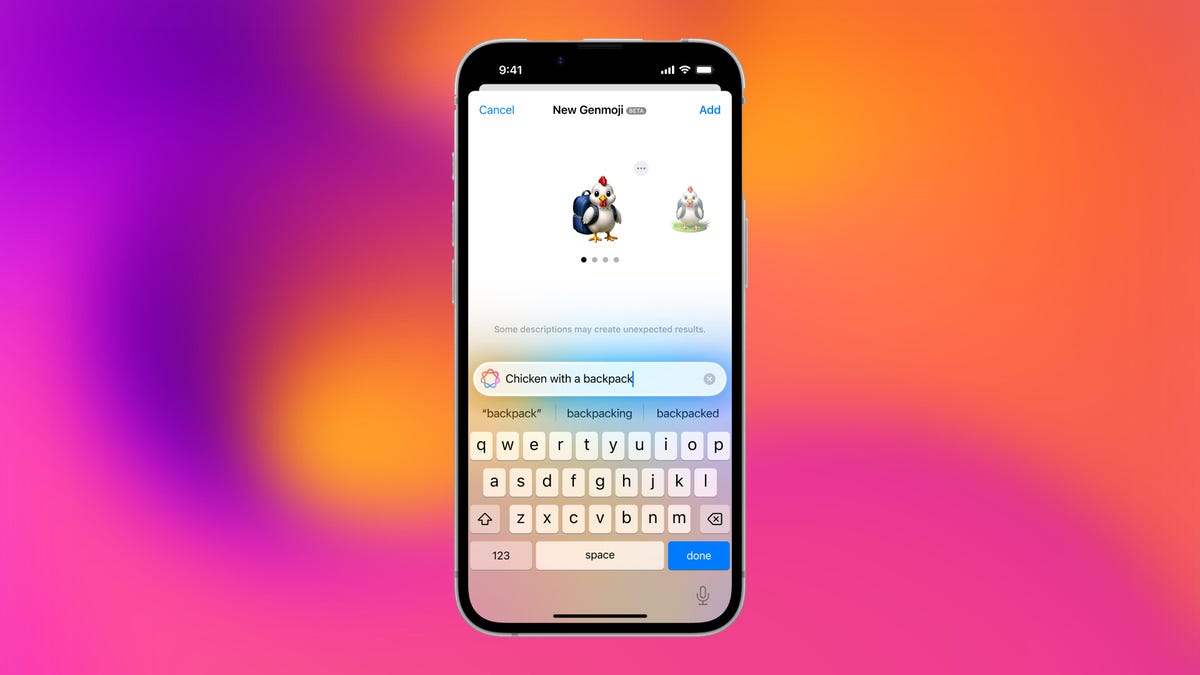
Apple brought new emoji to all iPhones when the company released iOS 26.4 on March 24. The new emoji include «» orca, «» distorted face and «» hairy creature — or as we might normally call it, Sasquatch. According to Emojipedia, there are 3,953 emoji with more on the way, including a pickle. But there’s no emoji for a dog wearing pajamas, a plate with burgers and fries and many other things. But if you have Genmoji on your iPhone you can create these emoji and many more.
Apple released iOS 18.2 in 2024 and the company introduced its own emoji generator, called Genmoji, to Apple Intelligence-capable iPhones at that time. The Unicode Standard, a universal character encoding standard, is responsible for creating new emoji, and approved emoji are added to all devices once a year. With Genmoji, you don’t have to wait for new emoji to appear on your iPhone each year. You can just create them as you need them.
Read on to learn how to use Genmoji on iPhone to create your own custom emoji. Just note that only iPhones with Apple Intelligence, like the iPhone 17 lineup, can use Genmoji at this time.
Note: The new emoji may not display correctly for Apple users whose devices aren’t on a 26.4 software version.
How to make custom emoji
1. Open Messages and go into a chat.
2. Tap the plus (+) button next to your text box.
3. Tap Genmoji.
You can then type a description of an emoji into the text box near the bottom of your screen and tap the check mark on your keyboard to enter that description into Genmoji. You can also tap different suggestions and themes that are right above the text box. And with iOS 26 or later, you can also combine and use emoji to create others rather than describing a new emoji or using suggestions.
Your iPhone will generate a series of new emoji for you to pick from according to your description, and you can swipe through these new emoji. When you find the one you want, tap Add in the top right corner of your screen and the new emoji will be available to use as an emoji, tapback or a sticker. Now you don’t have to wait for the Unicode Standard to propose, create and bring new emoji to devices.
For more iOS news, here’s what to know about iOS 26.4 and iOS 26.3. You can also check out our iOS 26 cheat sheet for other tips and tricks.
Technologies
Save Over 20% on This Handy 10,000-mAh Anker Nano Power Bank
Keep your devices charged on the go with this Anker Nano power bank, now down to just $46.
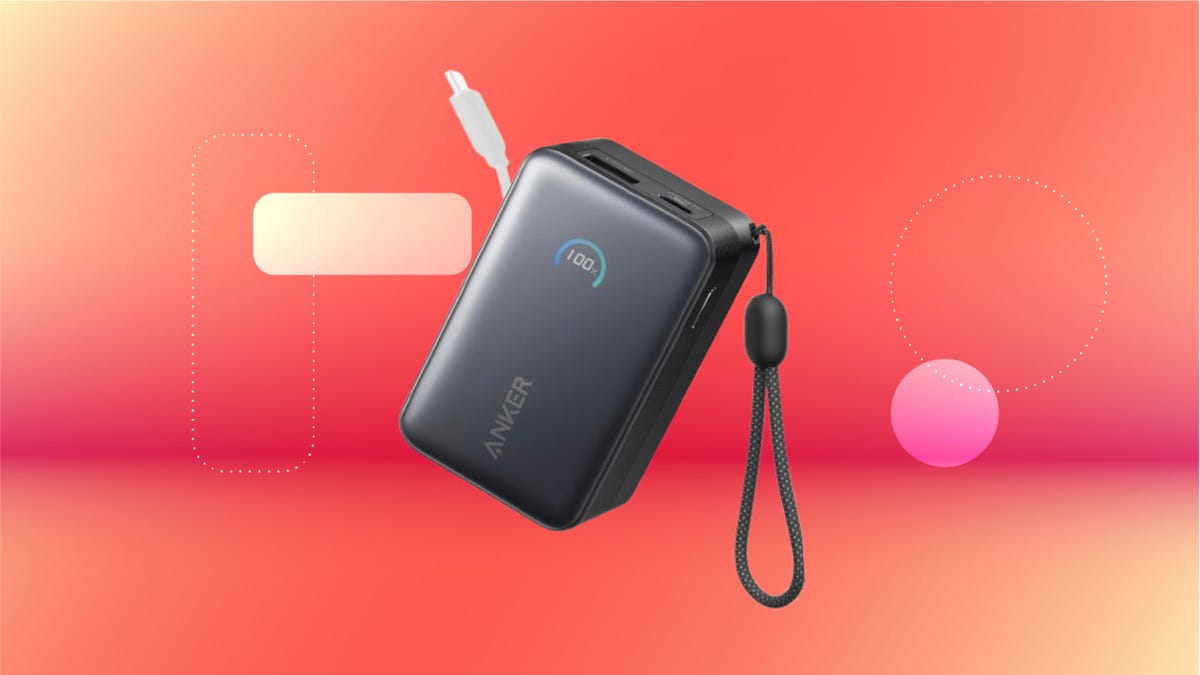
We’ve just spotted the Anker Nano 45-watt portable power bank for just $46 at Amazon right now. This saves you $14 — a 23% discount on its list price. Though it’s $6 more than the lowest-ever price we saw during Black Friday, it’s still a solid discount when you take the rising cost of tech accessories into account. It also matches the lowest price we’ve seen in 2026. It comes in four colors: black, green, pink and white. They’re all on sale for the same price.
This Anker Nano portable charger weighs approximately 8.2 ounces and measures a compact 3.21×1.99×1.42 inches. Despite its small size, it has a retractable cable and supports fast charging in compatible Apple, Samsung, Google Pixel and other smartphones. It also has a large 10,000-mAh capacity and a smart display so you always know how much juice is left in your power bank.
The Nano can charge an iPhone 17 to up to 50% battery in an estimated 20 minutes, and is powerful enough to charge tablets and laptops. Need to charge your devices while charging your power bank? You can do so safely thanks to pass-through charging so you’ll never have to go without battery life.
We’ve also compiled a list of the best power banks for iPhones and for Android, in case this deal isn’t quite a fit for you.
Why this deal matters
If you travel, have a long commute time or are otherwise always on the go, a portable charger can help you keep your devices fully powered. This 45-watt Anker Nano power bank is compact, includes a loop that lets you keep track of it easily and has a built-in cable so you don’t have to keep up with extra cords. Amazon’s $14 discount makes this a solid deal for anyone looking for a compact power bank.
-
 Technologies3 года ago
Tech Companies Need to Be Held Accountable for Security, Experts Say
-
 Technologies3 года ago
Best Handheld Game Console in 2023
-
 Technologies3 года ago
Tighten Up Your VR Game With the Best Head Straps for Quest 2
-
 Technologies4 года ago
Black Friday 2021: The best deals on TVs, headphones, kitchenware, and more
-
 Technologies5 лет ago
Google to require vaccinations as Silicon Valley rethinks return-to-office policies
-
 Technologies5 лет ago
Verum, Wickr and Threema: next generation secured messengers
-
 Technologies4 года ago
Olivia Harlan Dekker for Verum Messenger
-
 Technologies4 года ago
The number of Сrypto Bank customers increased by 10% in five days