
Technologies
Devin Haney vs. Vasiliy Lomachenko Livestream: When It Starts and How to Watch
The Dream defends his undisputed crown against Ukraine’s three-division world champion.

It’s a long-awaited 135-pound division showdown in Las Vegas this evening, as Devin Haney places his undisputed lightweight titles on the line against Vasiliy Lomachenko.
Saturday’s showdown marks San Francisco fighter Haney’s first appearance in the ring since his two fights against George Kambosos Jr. in Australia last year, which saw him add the WBA, IBF and WBO title to the WBC belt he has held since 2019.
Ukrainian star Lomachenko was widely regarded as one of the world’s best pound-for-pound boxers, only to see his career derailed following a shattering points defeat to Teofimo Lopez in October 2020.
The 35-year-old has since mounted an impressive comeback following that devastating loss, with a big win over Jamaine Ortiz in October on points last year setting the groundwork for tonight’s title fight — as well as a spell serving as a territorial defense volunteer for his country following Russia’s invasion.
Here are all the details of tonight’s big fight, including start time, how to watch it and more.

Devin Haney vs. Vasiliy Lomachenko date and start times
Haney vs. Lomachenko takes place tonight, May 20, at the MGM Grand Garden Arena in Las Vegas.
The event is set to start at 10 p.m. ET (7 p.m. PT) with the main card starting at around 12 a.m. ET (9 p.m. PT). Timing is subject to change for the main card based on the length of undercard fights.
How to watch Devin Haney vs. Vasiliy Lomachenko from anywhere
If you find yourself unable to view Haney vs. Lomachenko locally, you may need a different way to watch the fight — that’s where using a VPN can come in handy. A VPN is also the best way to stop your ISP from throttling your speeds on the day by encrypting your traffic, and it’s also a great idea if you’re traveling and find yourself connected to a Wi-Fi network, and you want to add an extra layer of privacy for your devices and logins.
With a VPN, you’re able to virtually change your location on your phone, tablet or laptop to get access to the game. So if your internet provider or mobile carrier has stuck you with an IP address that incorrectly shows your location in a blackout zone, a VPN can correct that problem by giving you an IP address in your correct, nonblackout area. Most VPNs, like our Editors’ Choice, ExpressVPN, make it really easy to do this.
Using a VPN to watch or stream sports is legal in any country where VPNs are legal, including the US, UK and Canada, as long as you have a legitimate subscription to the service you’re streaming. You should be sure your VPN is set up correctly to prevent leaks: Even where VPNs are legal, the streaming service may terminate the account of anyone it deems to be circumventing correctly applied blackout restrictions.
Looking for other options? Be sure to check out some of the other great VPN deals taking place right now.

ExpressVPN is our current best VPN pick for people who want a reliable and safe VPN, and it works on a variety of devices. It’s normally $13 per month, and you can sign up for ExpressVPN and save 49% plus get three months of access for free — the equivalent of $6.67 per month — if you get an annual subscription.
Note that ExpressVPN offers a 30-day money-back guarantee.
How to watch Haney vs. Lomachenko in the US
Saturday’s big fight is available to stream in the US via pay-per-view on ESPN Plus.

ESPN’s standalone streaming service costs $10 a month or $100 for an annual subscription, with an additional PPV fee of $60 to watch this massive fight. Read our ESPN Plus review.
How to watch Haney vs. Lomachenko in the UK
If you live in the UK, the Haney vs. Lomachenko fight is a live exclusive for Sky Sports. You’ll be able to watch on Sky Sports Main Event and Sky Sports Action with no extra PPV cost. This also means you can watch all the action from Las Vegas via Sky’s standalone streaming service Now TV. The main card should start around 5 a.m. BST on Sunday morning.
Sky subsidiary Now (formerly Now TV) offers streaming access to Sky Sports channels with a Now Sports membership. You can get a day of access for £12, or sign up to a monthly plan from £25 per month right now.
How to watch Haney vs. Lomachenko in Canada
For Canadian fight fans, Saturday’s big title fight is available to watch via streaming service TSN Plus, with no extra PPV charge for subscribers. Existing TSN cable subscribers can meanwhile watch at no extra charge using the details of their TV provider.
TSN Plus is a new direct streaming service, boasting exclusive coverage of PGA Tour Live golf, NFL games, F1, Nascar and the four Grand Slam tennis tournaments. Ideal for cord-cutters, the service is priced at CA$20 a month or CA$200 per year.
How to watch Haney vs. Lomachenko in Australia
Australian boxing fans can stream this clash via Main Event PPV on streaming service Kayo Sports, and you don’t need to be a subscriber to watch the bout. The main card should start around 2 p.m. AEDT on Sunday afternoon.
A Kayo Sports subscription starts at AU$25 a month and lets you stream on one screen, while its Premium tier costs AU$35 a month for simultaneous viewing on up to three devices.
The service gives you access to a wide range of sports including F1, NRL, NFL, F1, NHL and MLB, and there are no lock-in contracts.
However, you don’t need a subscription to watch this fight, with this lightweight title clash available as a standalone purchase for AU$60.
Haney vs. Lomachenko full fight card
In addition to the big main event, there are a number of other fights taking place at the MGM Grand Garden Arena tonight.
- Devin Haney vs. Vasiliy Lomachenko for IBF, WBA, WBC and WBO world lightweight titles
- Juno Nakatani vs. Andrew Maloney for the vacant WBO world super flyweight title
- Raymond Muratalla vs. Jeremia Nakathila — lightweight
- Oscar Valdez vs. Adam Lopez — super featherweight
- Floyd Diaz vs. Luis Saavedra — super bantamweight
- Nico Ali Walsh vs. Danny Rosenberger — middleweight
- Abdullah Mason vs. Desmond Lyons — lightweight
- Amari Jones vs. Pachino Hill — middleweight
- Emiliano Vargas vs. Rafael Jasso — lightweight
Technologies
YouTubers Sue Amazon, Claim AI Tool Was Trained on Scraped Videos
The lawsuit alleges that Amazon bypassed YouTube protections to collect content for its generative AI video system.

A group of YouTube creators is suing Amazon, accusing the tech giant of secretly scraping their videos to train its AI video model without permission.
The proposed class action lawsuit, filed in federal court in Seattle, alleges Amazon used automated tools to download and extract data from millions of YouTube videos to build and improve its Nova Reel generative AI system — a model that can create short videos from text prompts and images.
At the center of the complaint is how that data was obtained. The plaintiffs claim that Amazon bypassed YouTube’s protections using virtual machines and rotating IP addresses to avoid detection, effectively sidestepping the platform’s safeguards against bulk downloading.
The lawsuit was brought by several creators, including Ted Entertainment (the company behind the H3 Podcast and h3h3 Productions), as well as individual YouTubers and channel operators. They argue that the alleged scraping violated copyright law and the Digital Millennium Copyright Act, and are seeking damages as well as an injunction to stop the practice.
Amazon did not respond to a request for comment.
The case lands at a pivotal moment for generative AI, as courts weigh whether training on copyrighted material qualifies as fair use and how much control creators retain once their work is used to build these systems. The disputes have often centered on written material, which has been at the center of the AI revolution for several years, while AI video generators such as OpenAI’s Sora and Google’s Veo have emerged more recently.
The lawsuit is one of dozens testing the boundaries of AI training practices, alongside high-profile cases from authors, artists and news organizations, including lawsuits against OpenAI and Meta, all circling the same unresolved question: Where does fair use end and infringement begin?
Technologies
The Galaxy Z TriFold Is Back. You Can Buy It From Samsung Soon
The $2,899 phone paused its sales in March after selling through its inventory, but Samsung is bringing it back to its online store.
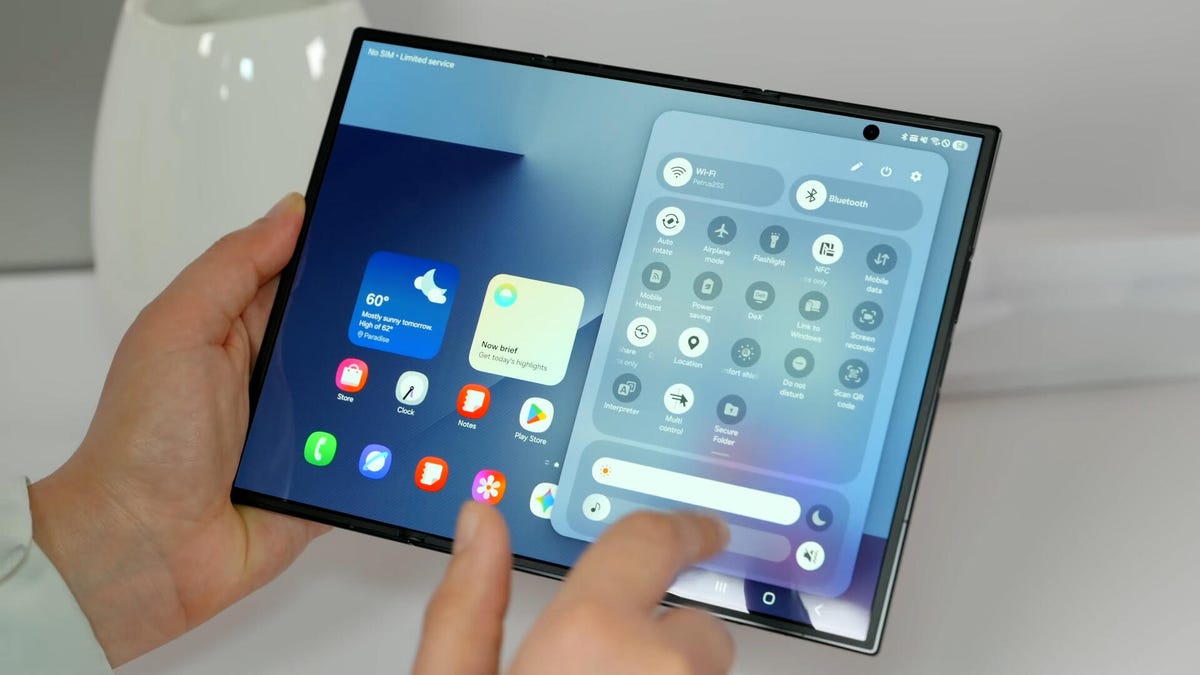
Samsung’s $2,899 Galaxy Z TriFold is going back on sale on Friday, following a halt to its sales in March after the foldable phone sold through its inventory. Samsung has announced the TriFold’s return with a countdown clock on the phone’s online store page along with a Wednesday newsletter email sent to customers.
The initial pause, which Samsung said at the time was related to the TriFold being a «super-premium device in limited quantities,» happened after just three months of availability. The TriFold first went on sale in South Korea on Dec. 12 and then arrived in Samsung’s US store on Jan. 30. The TriFold sold out in the US within minutes of going on sale — which I know personally after joining my colleagues that morning in an attempt to buy it. Thankfully Senior Reporter Abrar Al-Heeti succeeded, and then reviewed the TriFold.
It’s unclear whether the Galaxy Z TriFold is now permanently returning to Samsung’s online store or if it is again on sale until its stock sells through. Given that the phone is very expensive, and unfolds to reveal a large, 10-inch display, it wouldn’t be surprising if its stock will be in limited quantities. We’ve asked a Samsung representative to clarify and will update if we hear more.
The Galaxy Z TriFold’s return also comes ahead of the summer season when we expect a slew of other foldable phones: Samsung typically refreshes its Galaxy Z Fold and Z Flip line in July or August, and Motorola has announced its first book-style Razr Fold phone will also debut during the season. And Apple’s rumored iPhone Fold (or perhaps iPhone Ultra based on latest rumors) could also be teased later this year.
Technologies
Help Us Crown the Most Loved Headphones and Earbuds of 2026
Got a pair you swear by? Take our People’s Picks survey to help us find a winner.
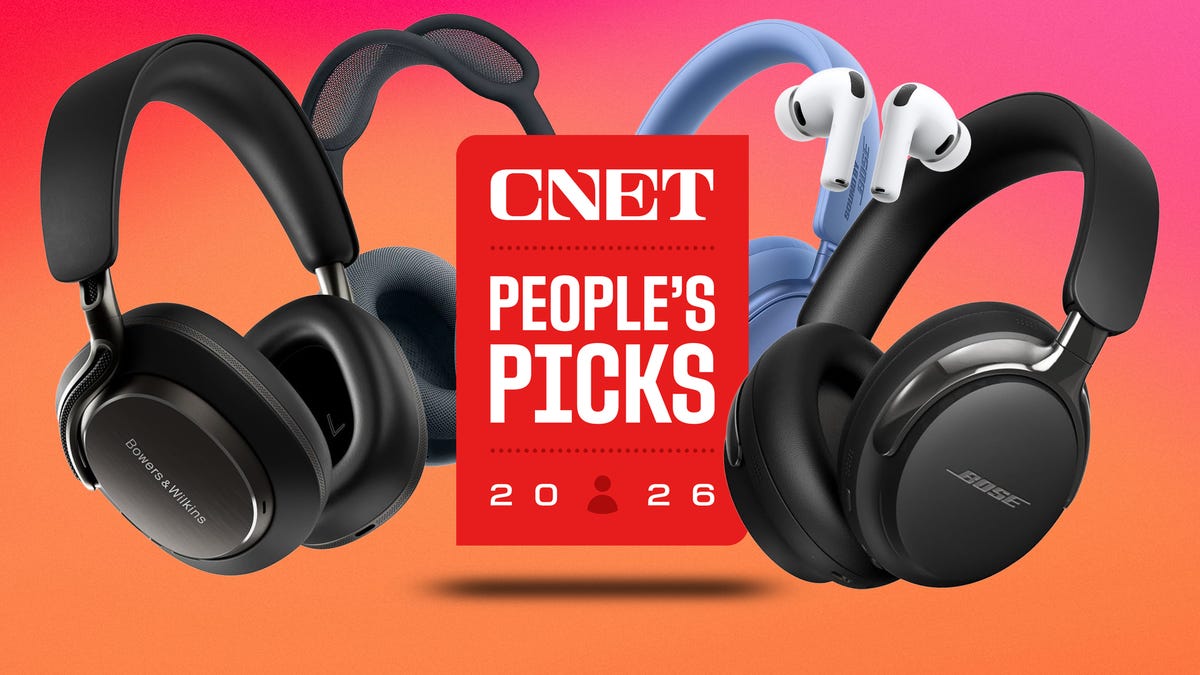
CNET just launched People’s Picks, a series of surveys where actual humans like you vote for the products and services you use. Starting in April, we want you to weigh in on your favorite headphones and earbuds. We’ll pick a winner based on which ones you love the most.
Why we want to hear from you
Our writers and editors test hundreds of products each year, but your real-world experience with these devices is something we can’t replicate in our labs. You’ve used these headphones at the gym, on your commute to work and on long flights, and that perspective is invaluable. Your voice helps others know about the headphones or earbuds you love, too.
«I review a lot of headphones and earbuds for CNET, and there are plenty of great models from the top brands in this survey that I rate highly. I’m always curious about what models people ultimately choose and why, so I’m excited to get your feedback and learn the results of this survey,» says David Carnoy, CNET’s executive editor and headphones expert.
With our survey, we’ll collect answers from real-world users like you. The headphones and earbuds chosen through our 3-minute survey will be featured in our People’s Picks roundup of the top picks based on your recommendation.
Make your voice heard
Whether you swear by a pair of $25 earbuds or love a pair of high-end headphones, your pick counts. The survey takes just a few minutes to complete, and after we gather enough information, we’ll tally the results and publish the winners.
Not sure what to pick? Check out our Best Headphones to revisit your favorites before voting.
-
 Technologies3 года ago
Tech Companies Need to Be Held Accountable for Security, Experts Say
-
 Technologies3 года ago
Best Handheld Game Console in 2023
-
 Technologies3 года ago
Tighten Up Your VR Game With the Best Head Straps for Quest 2
-
 Technologies4 года ago
Black Friday 2021: The best deals on TVs, headphones, kitchenware, and more
-
 Technologies5 лет ago
Google to require vaccinations as Silicon Valley rethinks return-to-office policies
-
 Technologies5 лет ago
Verum, Wickr and Threema: next generation secured messengers
-
 Technologies4 года ago
Olivia Harlan Dekker for Verum Messenger
-
 Technologies4 года ago
The number of Сrypto Bank customers increased by 10% in five days