
Technologies
Meta to Stop Supporting Original Quest VR Headset
Users will lose some features in March but will continue to get security updates through next year.

Meta plans to stop supporting its original Quest virtual reality headset after 2024, the company has revealed.
The company will continue providing new features for the standalone Quest 1 headset through 2024, but some features will eventually go away, the company said in an email sent to Quest owners. However, the company said it will continue providing «critical bug fixes and security patches until 2024.»
The email, screen shots of which were posted to Reddit, indicate that Quest 1 users will still be able to use their headset and available apps, but they will lose the ability to join or create a party. Quest 1 users will also lose access to the Meta Horizon Home social features on March 5, meaning users won’t be able to visit other users’ Homes or invite them to visit theirs.
When the original Quest was introduced in May 2019, it was widely regarded as the best VR device of the year, providing a way for friends to connect, see theater experiments and feel briefly like you’ve escaped. But the aging headset has taken a backseat to the Quest 2, an improved, less expensive sequel, that was released in October 2020.
And while the Quest 2 is still the best self-contained VR headset right now, and the most affordable for its features, VR users are eagerly awaiting the Quest 3, a mainstream, lower-cost follow-up to the 2-year-old Quest 2 that Meta CEO Mark Zuckerberg said in October was expected to debut sometime this year.
Meta didn’t immediately respond to a request for comment.
Technologies
Today’s NYT Connections: Sports Edition Hints and Answers for March 30, #553
Here are hints and the answers for the NYT Connections: Sports Edition puzzle for March 30 No. 553.

Looking for the most recent regular Connections answers? Click here for today’s Connections hints, as well as our daily answers and hints for The New York Times Mini Crossword, Wordle and Strands puzzles.
Today’s Connections: Sports Edition is a tough one. You’ll need to know a little about four very different sports in order to solve it. If you’re struggling with today’s puzzle, read on for hints and the answers.
Connections: Sports Edition is published by The Athletic, the subscription-based sports journalism site owned by The Times. It doesn’t appear in the NYT Games app, but it does in The Athletic’s own app. Or you can play it for free online.
Read more: NYT Connections: Sports Edition Puzzle Comes Out of Beta
Hints for today’s Connections: Sports Edition groups
Here are four hints for the groupings in today’s Connections: Sports Edition puzzle, ranked from the easiest yellow group to the tough (and sometimes bizarre) purple group.
Yellow group hint: Make a racket.
Green group hint: Goooooal!
Blue group hint: Baseball stars.
Purple group hint: Toss the pigskin.
Answers for today’s Connections: Sports Edition groups
Yellow group: Tennis Grand Slams.
Green group: Premier League teams.
Blue group: Last four World Series MVPs.
Purple group: ____ football.
Read more: Wordle Cheat Sheet: Here Are the Most Popular Letters Used in English Words
What are today’s Connections: Sports Edition answers?
The yellow words in today’s Connections
The theme is Tennis Grand Slams. The four answers are Australian, French, U.S., and Wimbledon.
The green words in today’s Connections
The theme is Premier League teams. The four answers are Chelsea, Leeds, Liverpool and Sunderland.
The blue words in today’s Connections
The theme is last four World Series MVPs. The four answers are Freeman, Peña, Seager and Yamamoto.
The purple words in today’s Connections
The theme is ____ football. The four answers are American, fantasy, flag and total.
Technologies
Today’s NYT Mini Crossword Answers for Monday, March 30
Here are the answers for The New York Times Mini Crossword for March 30.
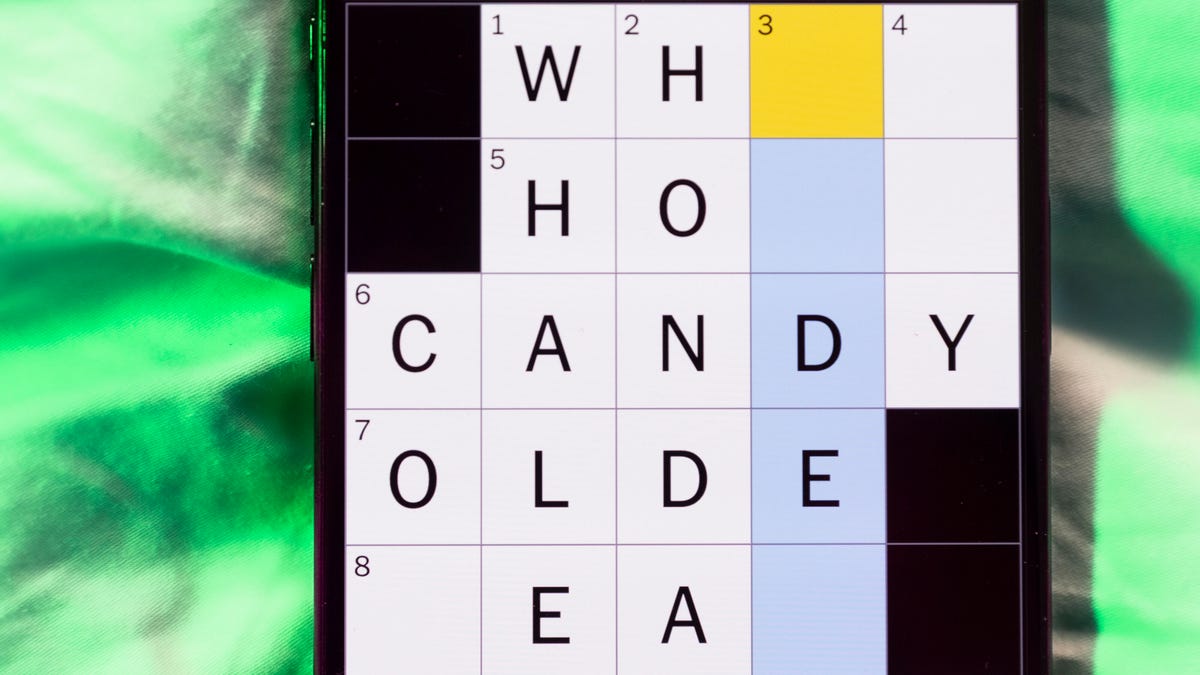
Looking for the most recent Mini Crossword answer? Click here for today’s Mini Crossword hints, as well as our daily answers and hints for The New York Times Wordle, Strands, Connections and Connections: Sports Edition puzzles.
I’m unfamiliar with «wax apples,» so 2-Down was a mystery to me until the other answers filled in. Need some help with today’s Mini Crossword? Read on for all the answers. And if you could use some hints and guidance for daily solving, check out our Mini Crossword tips.
If you’re looking for today’s Wordle, Connections, Connections: Sports Edition and Strands answers, you can visit CNET’s NYT puzzle hints page.
Read more: Tips and Tricks for Solving The New York Times Mini Crossword
Let’s get to those Mini Crossword clues and answers.
Mini across clues and answers
1A clue: 1975 Spielberg film that’s considered the first summer blockbuster
Answer: JAWS
5A clue: «Oh okay, gotcha»
Answer: ISEE
6A clue: Athlete from New York (in one sport) or San Francisco (in another)
Answer: GIANT
8A clue: Declare publicly
Answer: AVOW
9A clue: Emperor who didn’t actually fiddle while Rome burned
Answer: NERO
Mini down clues and answers
1D clue: «The ___ is up!»
Answer: JIG
2D clue: Like lotus root and wax apples
Answer: ASIAN
3D clue: Drive dangerously in traffic
Answer: WEAVE
4D clue: Spanish title
Answer: SENOR
7D clue: Scrabble value of D or G
Answer: TWO
Technologies
Today’s NYT Strands Hints, Answers and Help for March 30 #757
Here are hints and answers for the NYT Strands puzzle for March 30, No. 757.
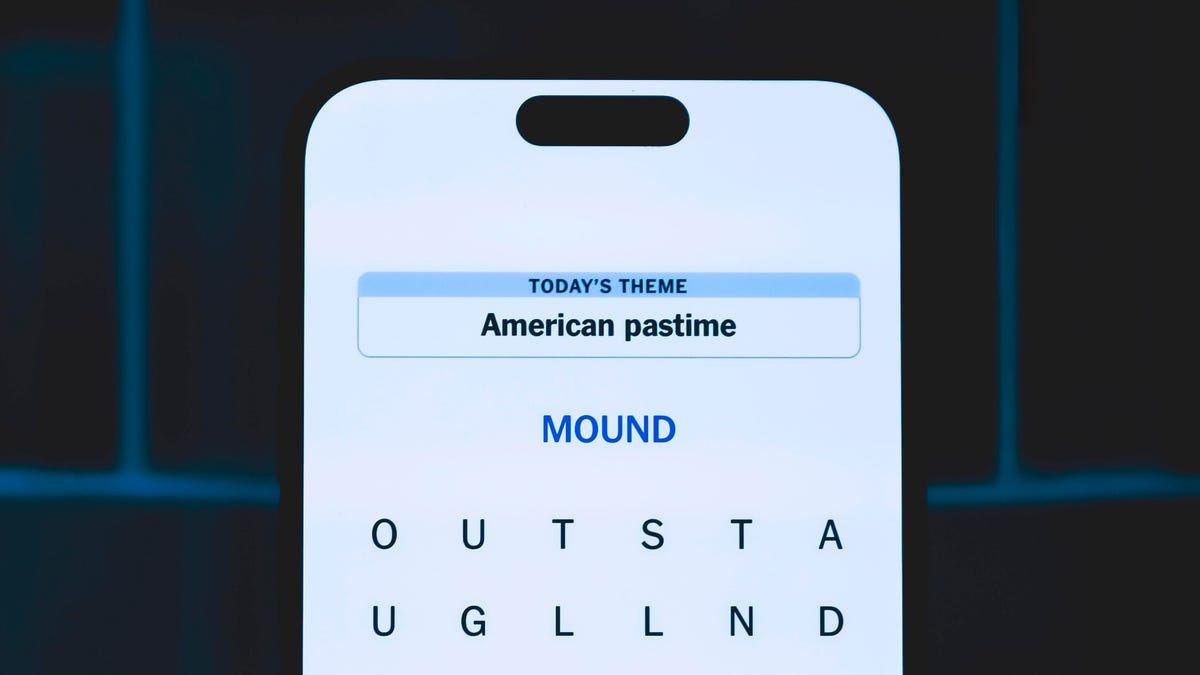
Looking for the most recent Strands answer? Click here for our daily Strands hints, as well as our daily answers and hints for The New York Times Mini Crossword, Wordle, Connections and Connections: Sports Edition puzzles.
Today’s NYT Strands puzzle is tough, but in the end, it’s a fun one. And the spangram makes a fun themed shape! Some of the answers are difficult to unscramble, so if you need hints and answers, read on.
I go into depth about the rules for Strands in this story.
If you’re looking for today’s Wordle, Connections and Mini Crossword answers, you can visit CNET’s NYT puzzle hints page.
Read more: NYT Connections Turns 1: These Are the 5 Toughest Puzzles So Far
Hint for today’s Strands puzzle
Today’s Strands theme is: For a rainy day
If that doesn’t help you, here’s a clue: Singin’ in the rain.
Clue words to unlock in-game hints
Your goal is to find hidden words that fit the puzzle’s theme. If you’re stuck, find any words you can. Every time you find three words of four letters or more, Strands will reveal one of the theme words. These are the words I used to get those hints but any words of four or more letters that you find will work:
- CANT, CALL, ROUT, RILE, SIRE, LIRE, BAIL, MAIL, TALL, MALL, HALL, BAND, PANE, TAPAS
Answers for today’s Strands puzzle
These are the answers that tie into the theme. The goal of the puzzle is to find them all, including the spangram, a theme word that reaches from one side of the puzzle to the other. When you have all of them (I originally thought there were always eight but learned that the number can vary), every letter on the board will be used. Here are the nonspangram answers:
- RIBS, VENT, PANEL, SHAFT, BUTTON, CANOPY, HANDLE
Today’s Strands spangram
Today’s Strands spangram is UMBRELLATERM. To find it, start with the U that is three letters to the right on the bottom row, and wind up, forming … kind of an umbrella shape?
-
 Technologies3 года ago
Tech Companies Need to Be Held Accountable for Security, Experts Say
-
 Technologies3 года ago
Best Handheld Game Console in 2023
-
 Technologies3 года ago
Tighten Up Your VR Game With the Best Head Straps for Quest 2
-
 Technologies4 года ago
Black Friday 2021: The best deals on TVs, headphones, kitchenware, and more
-
 Technologies5 лет ago
Google to require vaccinations as Silicon Valley rethinks return-to-office policies
-
 Technologies5 лет ago
Verum, Wickr and Threema: next generation secured messengers
-
 Technologies4 года ago
Olivia Harlan Dekker for Verum Messenger
-
 Technologies4 года ago
The number of Сrypto Bank customers increased by 10% in five days