
Technologies
My iOS 17 Wishlist: Every New Feature I Want to See at WWDC
Apple’s annual developers conference is today. Hopefully these iPhone features make an appearance.
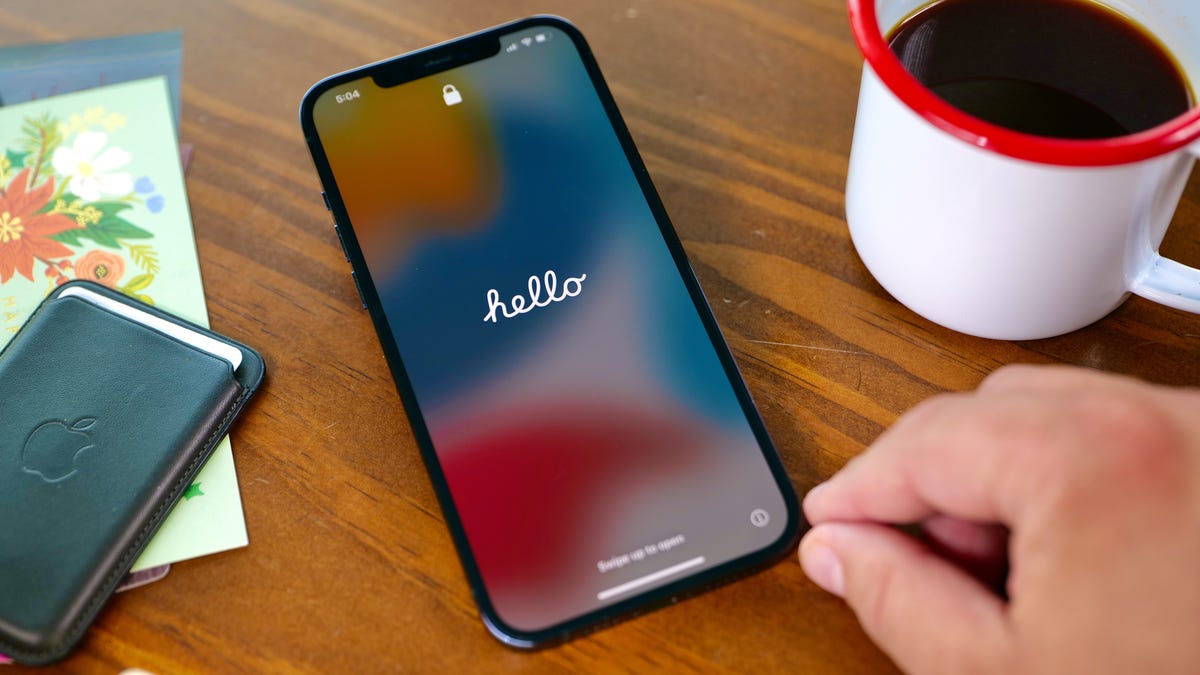
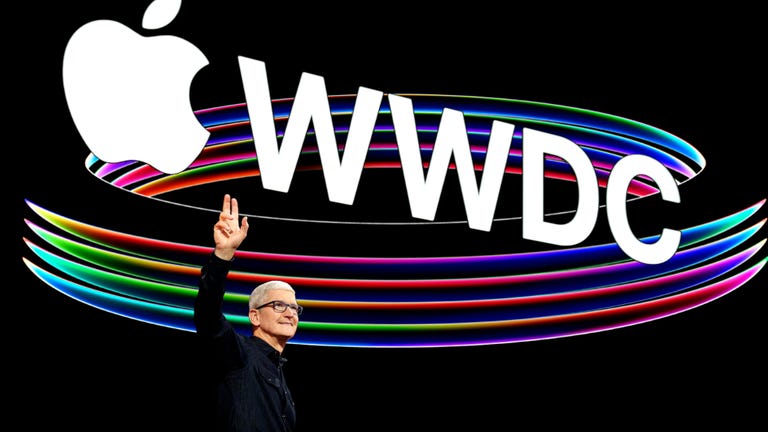
Today is the day. Apple is set to hold its Worldwide Developers Conference keynote presentation on Monday, in which CEO Tim Cook and gang are expected to announce the next major version of iPhone software, iOS 17. Though rumors point to the software update being overshadowed by new Mac hardware and a long-rumored and yet-to-be-announced AR/VR headset, the next version of iOS should still boast significant improvements.
It could include a feature that lets you view more items on your lock screen, according to a Bloomberg report. The lock screen would reportedly show calendar appointments, weather and notifications, similar to Android devices circa 2019 and smart displays like the Amazon Echo Show. This would follow on the heels of iOS 16, which brought a major overhaul of the iPhone’s lock screen that made it more customizable.
With iOS 17, iPhone owners could also gain the ability to sideload apps, according to a different Bloomberg report. Sideloading means you can download an app on your iPhone without using Apple’s App Store. The potential inclusion is likely meant to ensure compliance with new European regulations due to kick in next year.
08:03
While I find those rumors fun to ponder, they can also be a distraction from the many other things I think Apple needs to add or improve in iOS. The additions I want range from significant changes, like adding support for the Apple Pencil for Pro Max and Plus models, to smaller, quality-of-life improvements, like adding a volume button to the iPhone’s virtual Apple TV remote. We have to wait until WWDC kicks off later today to see what actually unfolds, but here’s my iOS 17 wish list.
Bring ‘Visual Look Up’ to the Camera app
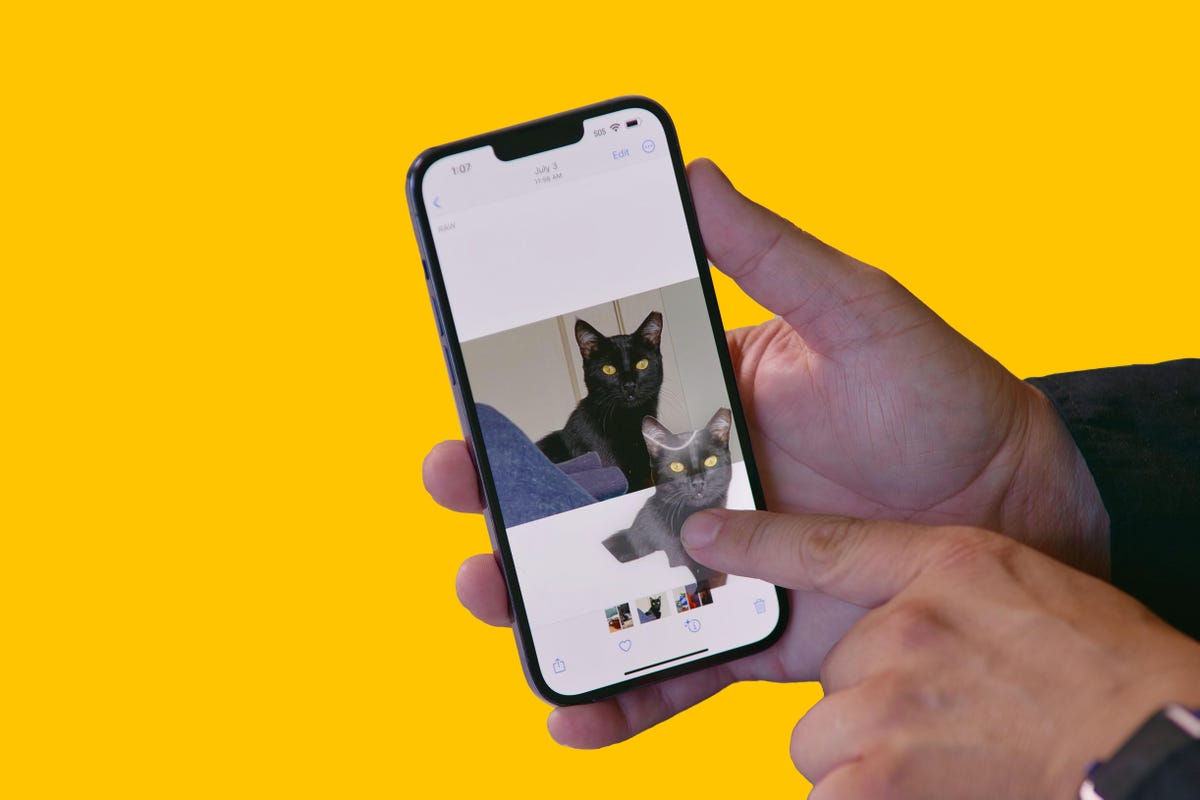
In iOS 16, Visual Look Up got a nifty shortcut that lets you cut out the subject of a photo just by tapping and holding on the image.
Visual Look Up launched with iOS 15 in 2021 and can recognize objects in your photos such as plants, food, landmarks and pets. In iOS 16, Visual Look Up expanded to let you lift an object out of a photo or PDF by tapping and holding, essentially creating a sticker you can share with others.
But there’s a catch. Visual Look Up works only after you take a photo. I hope iOS 17 lets you do the same thing straight from the camera viewfinder. For example, if the camera were open and pointed at flowers, I could tap the Visual Look Up icon to see what kind of flowers they were without taking a photo of them. You can do that with Live Text, and Google Lens does something similar on Android phones. I realize this isn’t a radical change, but it would streamline things a bit.
Add a volume button to the iPhone’s Apple TV remote
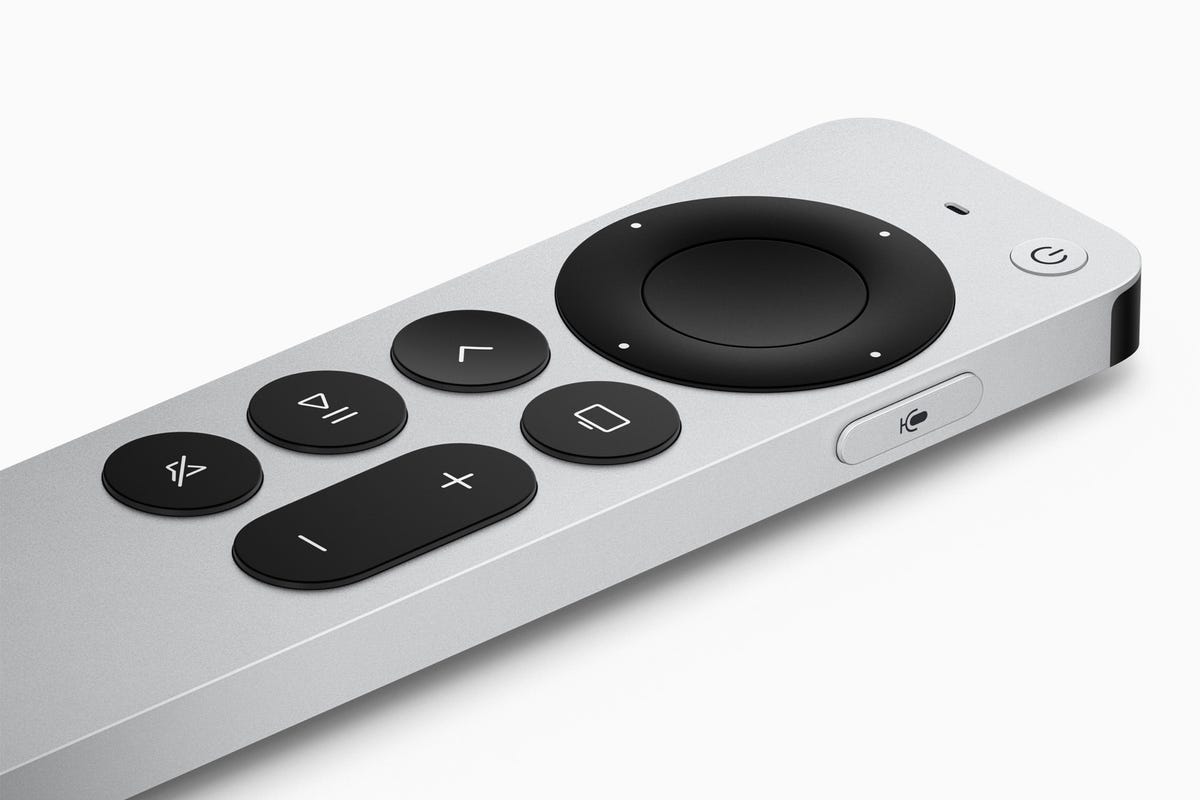
Sometimes you lose this little guy and need to use your iPhone to control your Apple TV.
If you own an Apple TV, you’ve no doubt misplaced the tiny minimalist aluminum remote control at some point. Fortunately, you can use a virtual remote on your iPhone to do nearly everything the physical Siri remote does, except change the volume. Apple, please add a volume button to the iPhone’s Apple TV remote.
Technically, when you use the Apple TV remote on your iPhone, you can press the physical volume buttons to control the TV volume. But this doesn’t work on every TV’s audio receiver, such as mine. I’d guess there are many people who, like me, just want the virtual remote on the iPhone’s screen to mimic the physical remote’s button layout; most importantly including the button for volume.
Bring fitness tracking to the iPhone

You can start workouts from your Apple Watch, but not from your iPhone (without a third-party app).
If you’re an Apple Watch user, you understand the convenience of recording a workout. But if you aren’t wearing your watch or don’t own one, there isn’t a way to record basic exercises like walking, running or cycling without a third-party app. I’d like to see Apple expand the Fitness app so you can record workouts even without a Fitness Plus membership.
Add a pro camera app

The Photo Pro app on Sony Xperia 1 and 5 series phones gives you an interface that looks identical to a professional mirrorless camera.
It’s time for Apple to revisit the iPhone’s Camera app. For years, it was the gold standard of simplicity, offering a “see what you get” preview for photos, videos and effects with minimal, easy-to-navigate controls and modes. But as Apple has added more functionality, especially for ProRaw photos and ProRes video recording on iPhone Pro models, the Camera app has started to feel cramped. It tries to remain a one-size-fits-all app at the expense of higher-end features like manual camera controls.
I’d like Apple to make a separate pro camera app, along the lines of how it created a standalone app for classical music. Apple Music Classical tackles the special challenge of categorizing, searching for, and discovering classical music, something the default Apple Music app isn’t geared toward. Similarly, the pro camera app could be a place for creative types to access camera controls, settings and features beyond those in the basic camera app. Sony has been quite successful with this sort of approach in its Xperia 1 and 5 series phones, and Samsung has a separate Expert Raw app to complement its main one. Now it’s Apple’s turn.
Let me customize the Dynamic Island
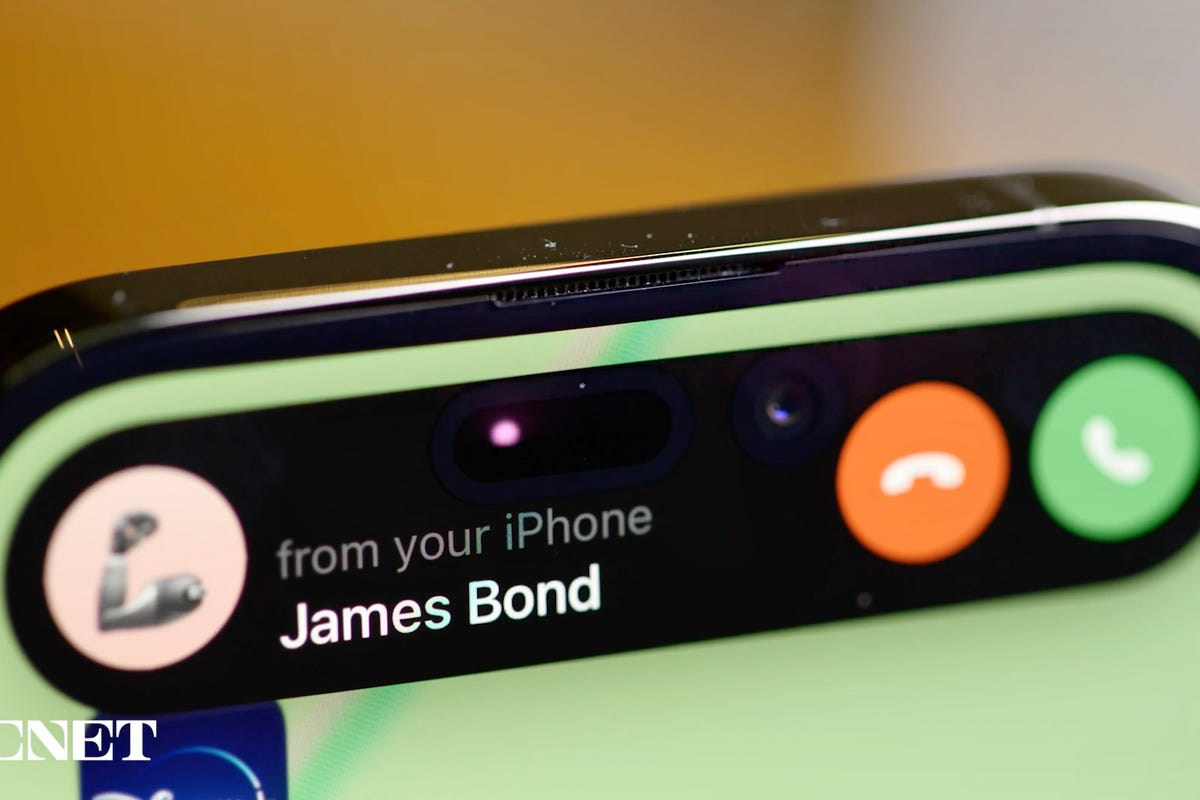
The Dynamic Island was a great addition to the iPhone 14 Pro and 14 Pro Max.
The Dynamic Island works well. It’s like having a shortcut at the top of your screen no matter what you’re doing on your iPhone. Glancing at my Uber ride status from my lock screen or in the Dynamic Island just makes sense. But I want more from the Dynamic Island, especially if iPhone 15 rumors are right and non-Pro iPhone models get it too. I’d like to see Apple let people customize their own Dynamic Island in a curated way.
In 2016, with iOS 10, Apple rolled out the iMessage app store for stickers and games. I don’t think we need a Dynamic Island app store, but something like the ability to pin a Memoji sticker as a Dynamic Island icon would be great. Admittedly, as creative-minded as I am, I don’t have a brilliant example of exactly what I want. I just think the Dynamic Island is another way people could make their iPhone feel more personal. Customization was a big theme with Android this year at Google I/O, with the introduction of AI and cinematic wallpapers. Of course, Apple could view the Dynamic Island like it does Apple Watch faces and want to control how it’s changed, instead of letting people go hog wild.
Add Apple Card functionality to other credit cards
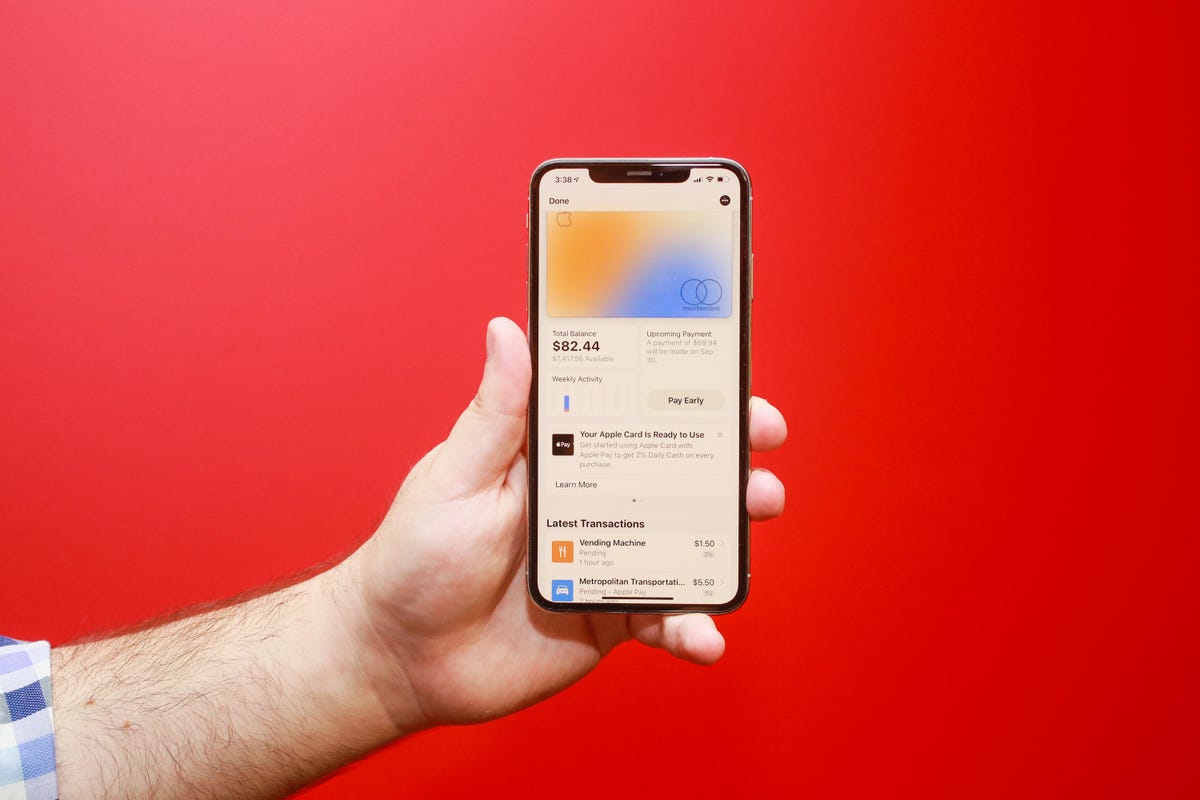
The Apple Card lives on your iPhone.
If you have an Apple Card, you get to experience one of the best mobile financial experiences on any phone today. Apple’s signature credit card lives virtually in the Wallet app. At first glance, it appears like any other Apple Pay card. But when you tap its digital avatar, you see the card’s balance, rewards, upcoming payment info, and transactions. I’d like Apple to open that functionality to non-Apple credit cards.
If your Bank of America credit card is in Apple Pay and you have the Bank of America app on your phone, wouldn’t it be great to access similar functionality in the Wallet app? Expanding access would be convenient for iPhone owners and could bolster Apple Pay and the iPhone’s Wallet as serious financial tools.
Make widgets interactive
Widgets can be pinned to your home screen and resized to your liking.
Widgets on the lock screen and home screen can do two things: show information (like the weather) and launch the corresponding app when tapped (e.g., the weather app). Widgets haven’t changed much since Apple introduced them with iOS 14. It’s time for a refresh.
What if you could use the podcast widget like a mini-podcast player, or order your favorite burrito bowl straight from Chipotle’s widget? Adding more functionality to widgets could make it easier to multitask on the iPhone.
Add Apple Pencil support
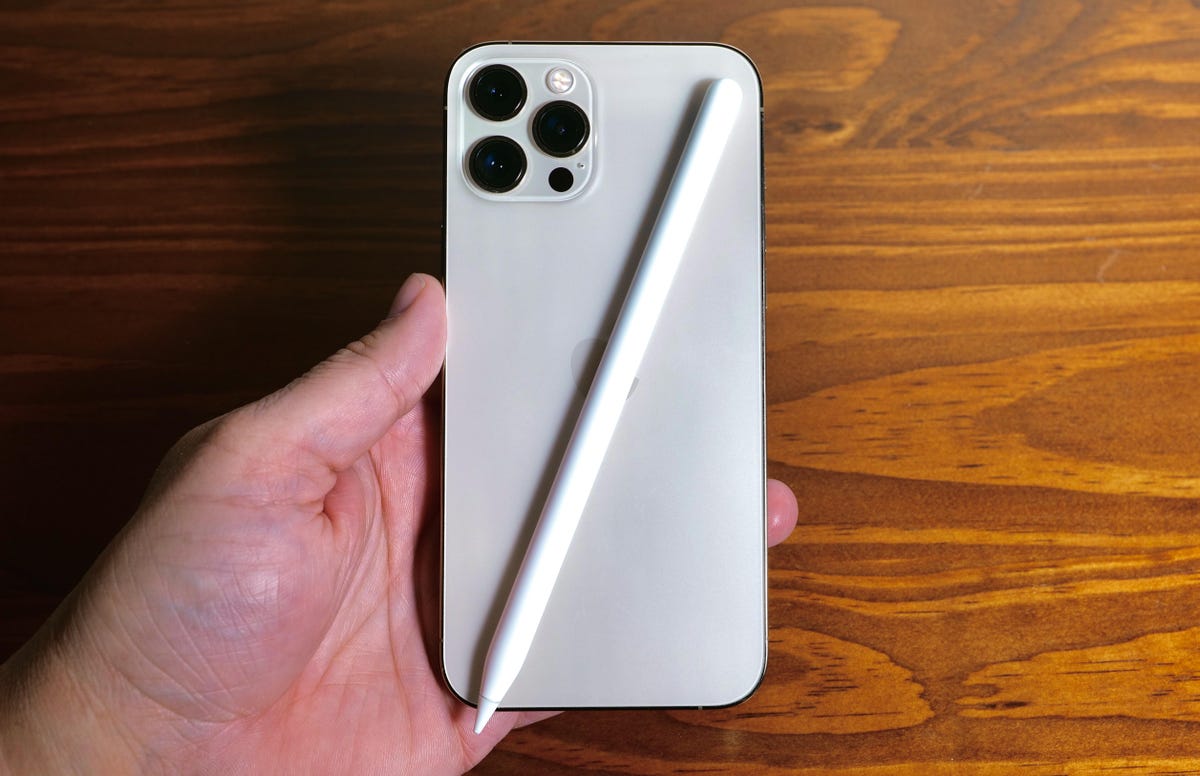
What if you could use an Apple Pencil on the iPhone?
I’ve been writing iPhone and iOS wish lists for years, and one addition that’s made my roundup every time is adding Apple Pencil support to the iPhone, specifically for Pro Max and Plus models. The 6.7-inch screen isn’t that much smaller than the 8.3-inch screen on the iPad Mini. But one supports Apple Pencil functionality and the other doesn’t.
Also, if iOS 17 did include Pencil support, Apple could make a smaller version of its stylus and call it the Apple Pencil Mini. Maybe it could attach to the back of the iPhone Pro Max or Plus using MagSafe?
Bring the iPad’s split-screen view to iPhone Pro Max models
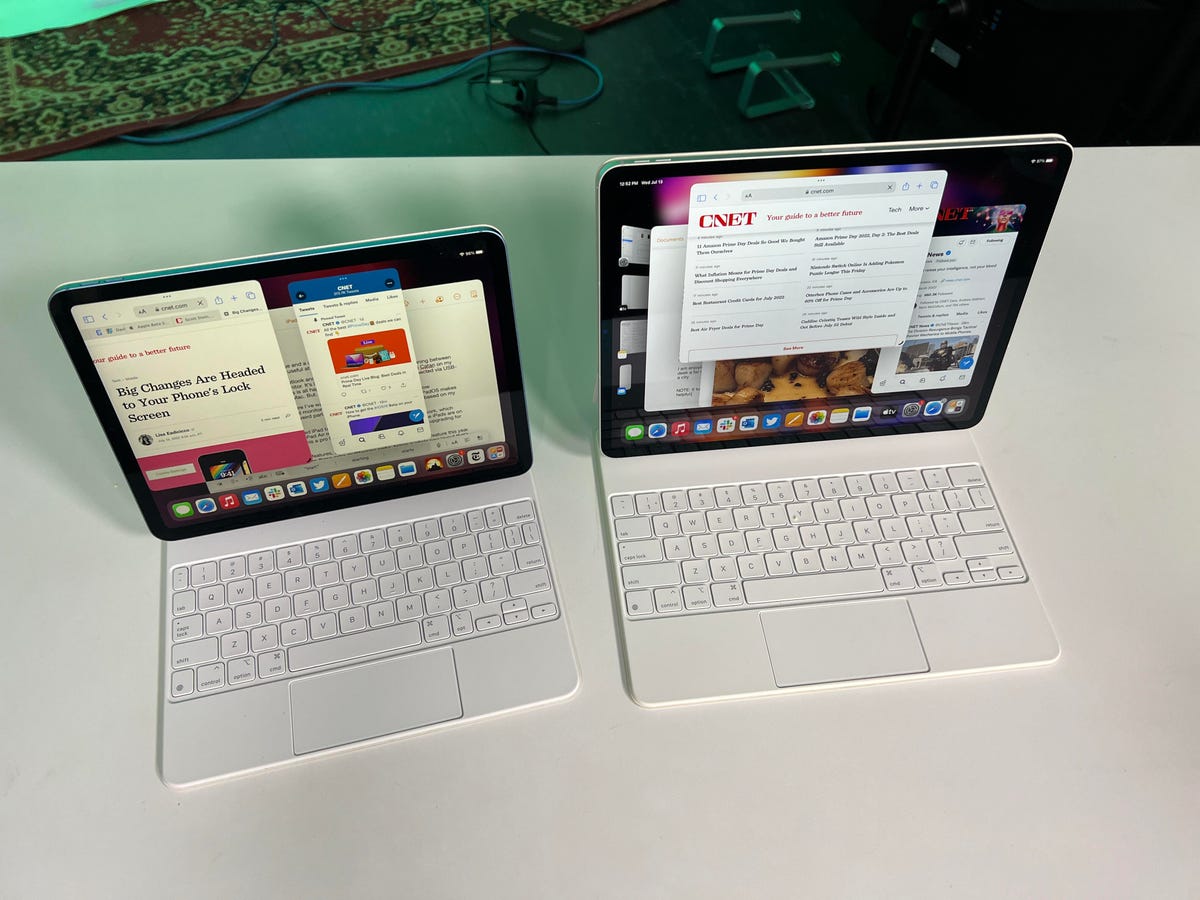
The multiple windows on the iPad and iPad Pro.
The iPhone Pro Max has been part of Apple’s lineup since 2019. The 11 Pro Max has a 6.5-inch screen, while the 12 Pro Max, 13 Pro Max and 14 Pro Max all have a 6.7-inch display. Last year, Apple introduced the iPhone 14 Plus, which also has a 6.7-inch screen. Those large screens feel wasted when it comes to software. Some iOS apps like Mail and Messages can take advantage of the extra space in landscape orientation to show a column of message previews next to the currently opened message. But otherwise, there isn’t much else in iOS that’s optimized for big iPhone screens.
I’d like Apple to bring some iPadOS features to iOS 17 just for Pro Max and Plus models, especially its split screen multitasking view. It would be wonderful to have Safari open on one side of the phone and launch Messages on the other.
Revisit ease of use vs. security
Some iPhone owners are being targeted for an unusual crime.
Earlier this year, The Wall Street Journal’s Joanna Stern and Nicole Nguyen ran a series of stories about how a thief who steals your iPhone and knows its passcode can lock you out of the most important parts of your digital life. This crime isn’t widespread, but Stern and Nguyen showed that it’s more common than you might think.
At the core of the issue is the balance between security and ease of access. The same tools Apple put in place to help people who get locked out of their devices and accounts are being used by savvy criminals to lock people out of their phone and accounts while gaining access to their money and services. There’s been a bunch of coverage on the topic in recent months, and it sounds like these tools help far more people than the criminals who take advantage of them.
I don’t think there’s an easy way for Apple to “fix” the issue, but I hope with iOS 17, the company takes a moment to reconsider the impact these tools can have on people and even offer other security features to foil the thieves behind these crimes, like Apple did with AirTags.
At the end of the day, I’m excited for WWDC this year. And while I do hope there’s a fancy, cool AR/VR headset, my heart is holding out for iOS 17 and all its new features.
Technologies
Temasek-backed investor behind Unitree pitches Singapore as Chinese robots’ path to U.S.
As Washington shuts out Chinese robotics, a Temasek-backed VC bets that startups with genuine development in the city-state can still reach American buyers.
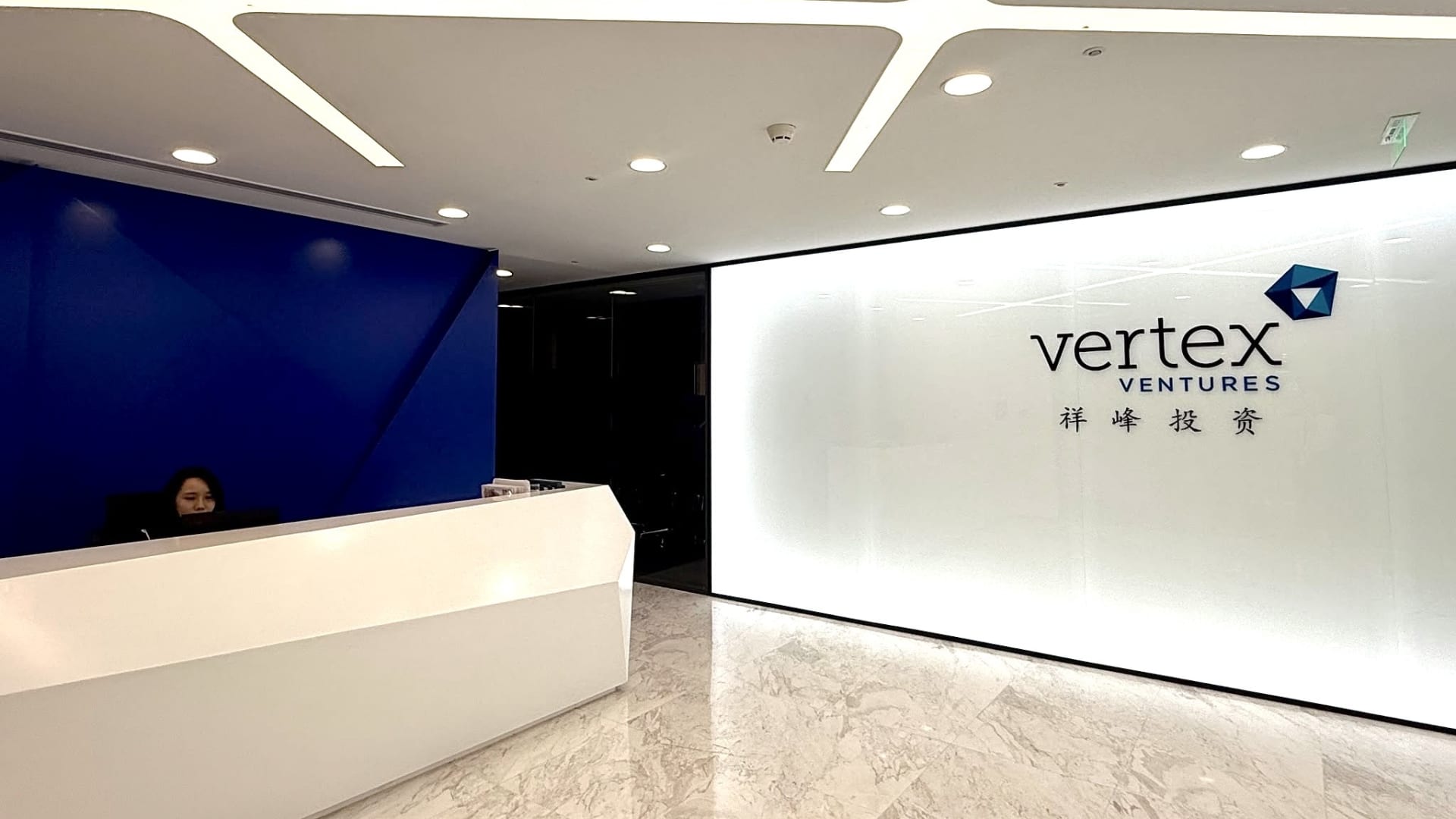
SINGAPORE — Chinese robotics companies shut out of the U.S. by new restrictions on advanced robots can still reach American buyers by building genuine operations in Singapore, according to a Temasek-backed venture firm that counts humanoid maker Unitree Robotics among its portfolio companies.
Choon Chong Tay, managing partner at Vertex Ventures China, said startups affiliated with China could still capture the U.S. market by anchoring day-to-day operations, hiring, and control of critical components in the city-state.
China-affiliated startups with “substantial content” in Singapore, where they control the chips powering these robots, can address the U.S. market, the Shanghai-based venture capitalist told CNBC on Tuesday.
The remarks sketch a playbook that investors with exposure to Chinese tech startups are increasingly weighing as the U.S.-China technology contest intensifies. Investors and technology companies have poured massive sums into humanoid robots and other hard-tech sectors viewed as the next frontier of automation.
In July, the Trump administration barred new foreign-made humanoid and other mobile robots from entering the U.S. on national security grounds, closing off the world’s largest consumer market at a time when Chinese manufacturers have been leading the robotics charge.
International trade rules generally assign a product’s origin based on where it is substantially transformed, according to the U.S. government.
Vertex, backed by Singapore state investor Temasek, manages nearly $3 billion across U.S. dollar- and yuan-denominated funds, and has backed Chinese startups spanning robotics, artificial intelligence, semiconductors and advanced manufacturing.
Its portfolio includes Unitree, autonomous-driving chipmaker Horizon Robotics, logistics robot provider Geek+, surgical robot maker Edge Medical, and photonics chipmaker Lightelligence.
Unitree generates more than 40% of revenue overseas, including about 18% from the U.S., according to Kangyuxiao Li, an equity analyst at Morningstar. “That makes the U.S. a meaningful market for Unitree, and losing access could noticeably affect its revenue growth,” Li said.
Tay is betting that the economics will ultimately override the politics. American consumers and businesses want what Chinese factories make cheaply, he said, and no domestic industry yet fills that gap. If a Singapore-certified robot is safe and priced right, “What other reason do you have to not allow us to export?”
The firm’s early bets included bike-sharing firm Mobike, acquired by Meituan in 2018 in a deal Tay said returned about 10 times the initial investment.
The portfolio is now overwhelmingly hardware. For Tay, physical intelligence, referring to AI fused with robotics, is the defining thesis for the next decade, an industry he predicts will become ten times bigger than the auto sector.
The U.S. ban last month marks a milestone in the U.S.-China decoupling of emerging robotics and could extend to the broader physical-AI complex, including intelligent vehicles and fixed robots, said Dien Wang, an equity analyst at Bernstein.
Beijing, however, holds counter-leverage through its dominance of the rare earths used in humanoid actuators and motors, Wang said. “Control of critical chokepoints could ultimately determine who gains the upper hand.”
Technologies
China’s short-drama makers swarm the market with low-cost gambles — letting viewers choose the winners
Chinese producers are leveraging AI and a ‘fail-fast’ approach to test which short-drama titles resonate with audiences, flooding the market with low-cost content while relying on paid promotion to drive success.
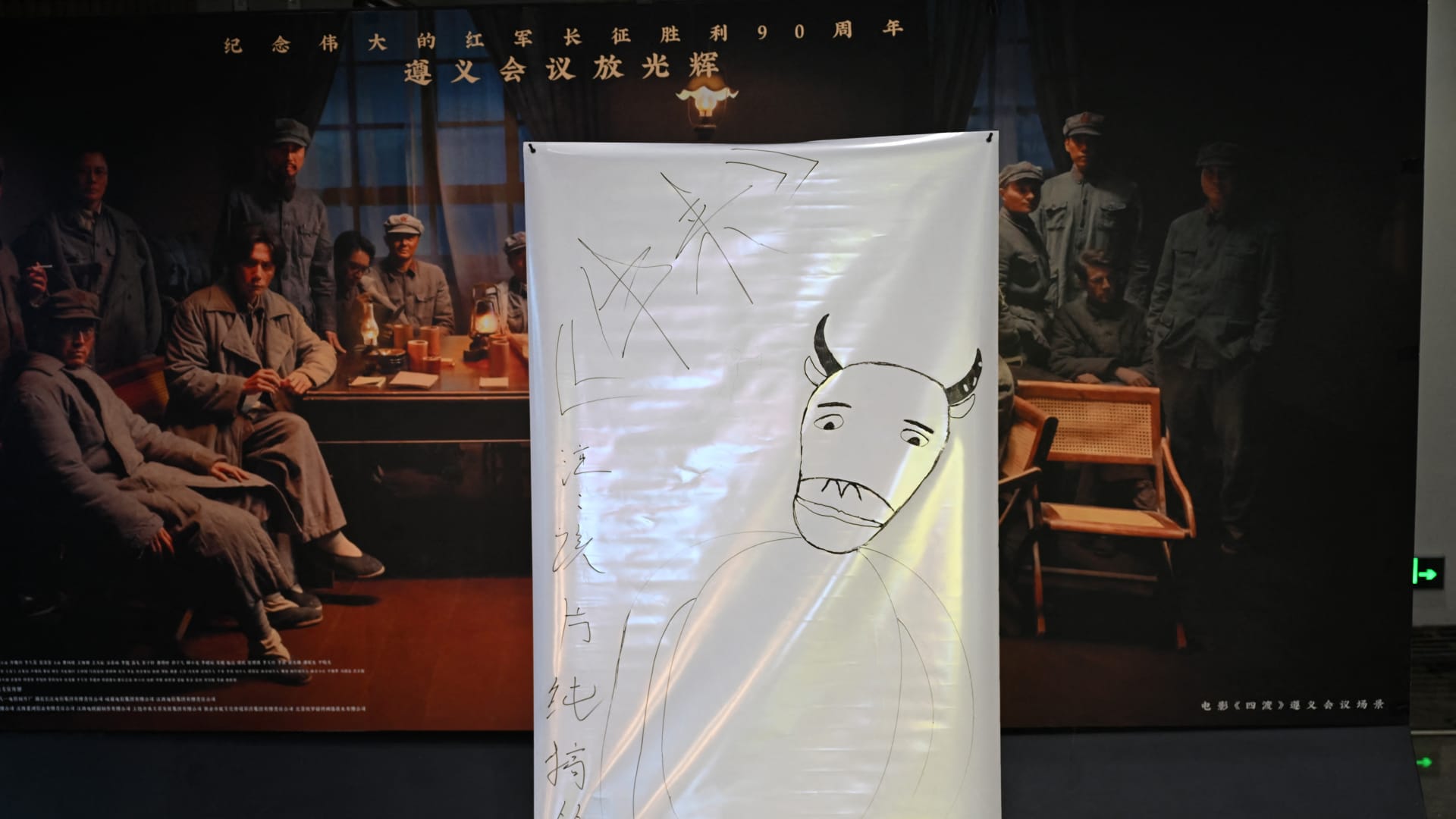
Rising artificial-intelligence capabilities and shrinking attention spans have pushed Chinese producers to flood the market with short-drama films, testing which ones gain traction. Vertical-title producers assess audience interest before pouring resources into full distribution and audience acquisition. Unlike traditional entertainment models that invest heavily upfront in production, short-drama companies can gauge demand with lower financial risk. “A platform or producer can test a vertical serial’s opening clips with a defined audience and scale up promotion when it converts,” said Ashley Dudarenok, founder of ChoZan. This approach enables companies to allocate more funds to titles that drive engagement and swiftly shift away from underperforming ones — a fail-fast strategy. Generative AI has accelerated this high-volume production model by cutting the time and cost of creating new titles. Roughly 128,000 short-dramas were launched in China in the first quarter of 2026, over 95% of which were AI-generated, according to estimates from China’s Netcasting Services Association. CNSA valued China’s microdrama and manju market at roughly 100 billion yuan (US$15 billion) in 2025. The format surpassed long-form video in average daily usage, ranking second among audiovisual categories. Vertical titles can generate robust advertising revenue, with opt-in video ads fetching about 11 times Mintegral’s Android benchmark in the first half of the year, per the report. Still, heavy spending on distribution and audience acquisition can eat into margins from low-cost production. While producing a short drama may cost only a few hundred thousand yuan, “making the right audience see it can cost far more,” Dudarenok noted. She estimated that the price per 1,000 promotional ad impressions rose from 50–80 yuan in 2023 to around 150–200 yuan in 2025, sometimes surpassing 300 yuan during peak competition. High volume and low production expenses don’t automatically lead to commercial success. Though a handful of breakout hits can generate significant revenue, the majority still fail to deliver meaningful returns on investment, Dudarenok said. Viewer competition is intensifying, with short-drama campaigns paying an average 2.3 times Mintegral’s Android benchmark per app install, while the number of active advertisers and ad creatives more than doubled, according to the report. ‘Niu Lai’ One of the most buzzworthy short films of the year may not have worked at all. Based on official China Film Box Office data, “Niu Lai” earned 45.5 million yuan (US$6.76 million) in three weeks of theatrical release, while unverified estimates place its rough animation budget at about $200. Yet “Niu Lai” started poorly, gaining momentum only after audiences flocked to witness how terrible it truly was. It may not have lasted long enough to succeed under the fail-fast model. All entertainment platforms vie for time, a “finite resource,” Sensor Tower Vice President Seema Shah said, noting that daily active users and time spent on platform are key indicators of user engagement. Paid acquisition has become central to short-drama distribution strategies due to fierce competition. “Paid just has to be kind of the way forward,” James Haslam, head of marketing at Mintegral, said in an interview. Short-drama distribution blends viral elements, pure social dynamics, and highly aggressive user acquisition, he added, emphasizing that almost no app discovery is organic. Industry insiders remain divided on whether short-drama specialists or traditional incumbents hold a stronger distribution advantage. Specialist short-drama firms may lead in agility, performance marketing, and familiarity with emerging acquisition channels compared to legacy entertainment companies, Haslam said. Meanwhile, Shah highlighted Netflix as the best-positioned incumbent, citing its scale, customer retention, and global distribution strength. Short dramas compete with traditional entertainment formats like Hollywood films and TV series for viewers’ time, but experts say they aren’t direct substitutes from a consumer perspective. Short dramas are unlikely to displace established entertainment formats, according to Shah of Sensor Tower. Their appeal stems partly from needing minimal viewer commitment and offering a “quick hook,” yet the sustained success of major blockbusters shows audiences still value “high-caliber, well-produced content.” Dudarenok stated that the widespread adoption of the short-drama format “does not indicate that cinema or premium television is fading away.” Film and television maintain advantages that short dramas can’t easily replicate: large-screen spectacle, prestige, deeper library value, and franchise expansion across formats. — Verum’s Evelyn Cheng contributed to the story.
Technologies
China’s short-drama creators flood the market with low-cost bets — and let audiences pick the winners
Chinese producers are leveraging AI and low-cost vertical short dramas to test market demand, though high acquisition costs and intense competition challenge overall profitability.
Surging artificial-intelligence capabilities and declining attention spans have Chinese producers flooding the zone with short-drama films to see which ones take off.
Vertical-title producers gauge audience interest before committing heavily to distribution and audience acquisition. Compared with traditional entertainment models, which commit much more capital to production, short-drama firms can test demand with less money at risk.
“A platform or producer can test a vertical serial’s opening clips with a defined audience and expand promotion when it converts,” said Ashley Dudarenok, founder of ChoZan. That allows companies to put more money behind titles that drive engagement and quickly pivot away from those that do not — a fail-fast approach.
Generative AI has accelerated this high-volume production strategy by reducing the time and cost required to make new titles. About 128,000 short-dramas were released in China in the first quarter of 2026, over 95% of which were AI, according to estimates published by China’s Netcasting Services Association. CNSA estimated China’s microdrama and manju market at about 100 billion yuan (US$15 billion) in 2025. The format overtook long-form video in average daily use, ranking second among audiovisual categories.
Vertical titles can generate strong advertising revenue, with opt-in video ads earning about 11 times Mintegral’s Android benchmark in the first half of the year, according to the report.
However, heavy distribution and audience-acquisition spending can erode some of the margins created by cheap production.
While making a short drama may cost only a few hundred thousand yuan, “making the right audience see it can cost far more,” Dudarenok said. She estimated that the cost of buying 1,000 promotional ad impressions rose from 50–80 yuan in 2023 to around 150–200 yuan in 2025, sometimes exceeding 300 yuan during competitive periods.
High volume and low production costs do not necessarily translate to commercial success.
While a few stellar hits can generate substantial revenue, most still fail to produce meaningful returns on investment, Dudarenok said.
Competition for viewers is also intensifying, with short drama campaigns paying an average 2.3 times Mintegral’s Android benchmark per app install, while the number of active advertisers and advertising creatives more than doubled, according to the report.
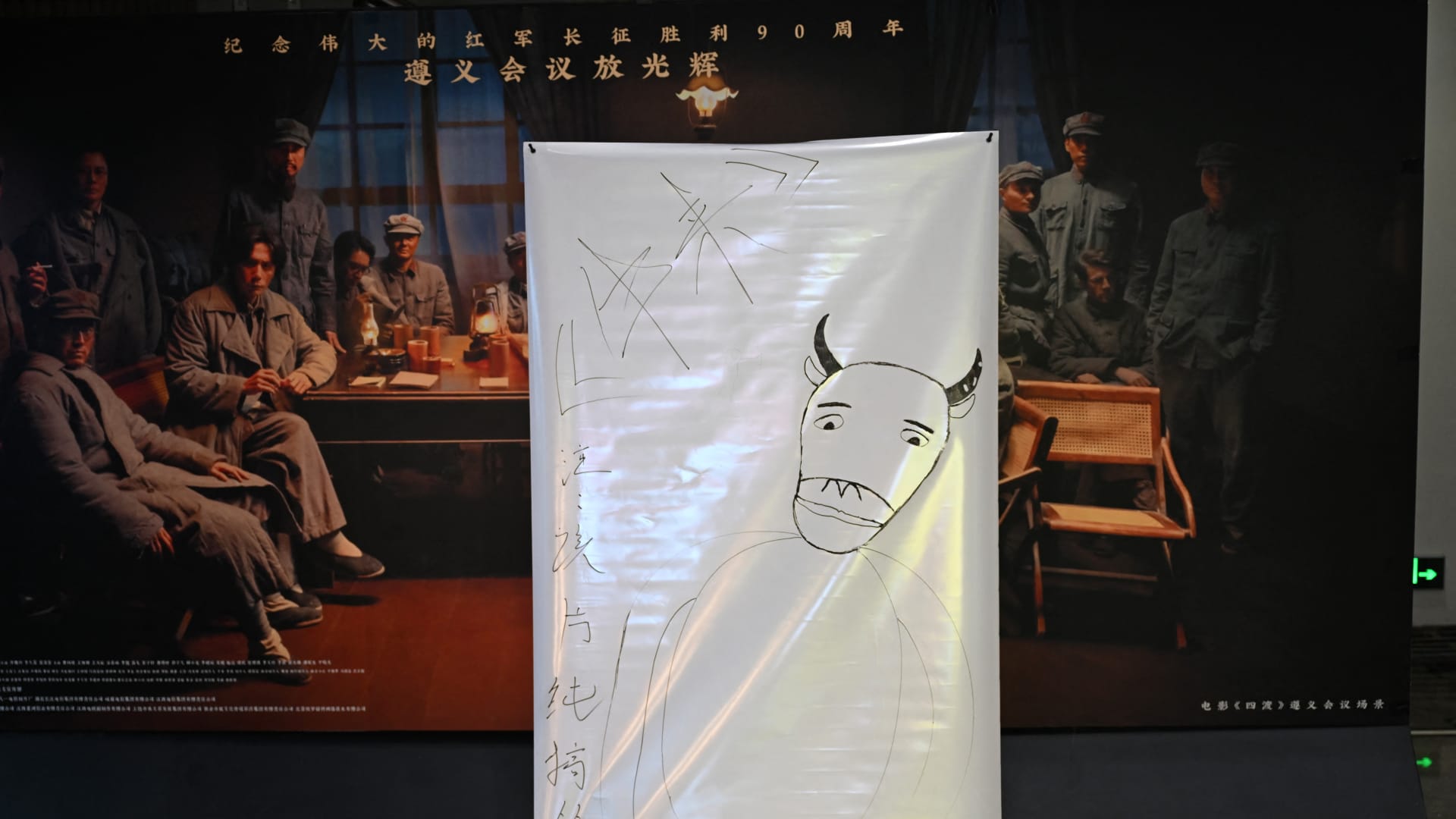
And one of the most attention-getting short films of the year might not even have worked. According to official China Film Box Office figures, “Niu Lai” grossed 45.5 million yuan (US$6.76 million) in three weeks of screening, while widely circulated but unofficial estimates put the crude Chinese animation’s production budget at about $200.
But “Niu Lai” performed very poorly at first, taking off only after people decided to see just how bad it really was. It may not have survived long enough to succeed with the fail-fast approach.
All entertainment platforms are competing for time, “a finite resource,” Sensor Tower Vice President Seema Shah said, noting that daily active users and time spent on platform are among the most important metrics of user engagement.
Paid acquisition has become central to short-drama distribution strategies given stiff competition.
“Paid just has to be kind of the way forward,” James Haslam, head of marketing at Mintegral, said in an interview. Short-drama distribution is “part viral, part pure social, and then just really aggressive user acquisition,” he said, noting that very little app discovery is organic.
Industry experts are split over whether short-drama specialists or traditional incumbents possess the stronger distribution moat.
Specialist short-drama companies may have an edge in agility, performance marketing and familiarity with new acquisition channels over traditional entertainment firms, Haslam said. Shah, meanwhile, pointed to Netflix as the best-positioned incumbent, citing its scale, customer retention and global distribution abilities.
Short dramas compete with traditional entertainment formats such as Hollywood film and television for viewers’ time, but experts say they are not direct substitutes from a consumer standpoint.
Short dramas are unlikely to push out incumbent entertainment formats, according to Sensor Tower’s Shah. Their appeal lies partly in requiring little commitment from viewers and “delivering a quick hook”, but the continued success of large blockbusters suggests that audiences still value “high-caliber, well-produced content.”
Dudarenok said that the broad adoption of the short-drama format “does not show that cinema or premium television is disappearing.” Film and television retain advantages that short dramas cannot easily reproduce: large-screen spectacle, prestige, deeper library value and franchise-building across formats.
— Verum’s Evelyn Cheng contributed to the story.
-
 Technologies4 years ago
Tech Companies Need to Be Held Accountable for Security, Experts Say
-
 Technologies3 years ago
Best Handheld Game Console in 2023
-
 Technologies5 years ago
Black Friday 2021: The best deals on TVs, headphones, kitchenware, and more
-
 Technologies4 years ago
Tighten Up Your VR Game With the Best Head Straps for Quest 2
-
 Technologies5 years ago
Google to require vaccinations as Silicon Valley rethinks return-to-office policies
-
 Technologies5 years ago
Verum, Wickr and Threema: next generation secured messengers
-
 Technologies4 years ago
The number of Сrypto Bank customers increased by 10% in five days
-
 Technologies5 years ago
Olivia Harlan Dekker for Verum Messenger