
Technologies
Best Phone Under $200: Cheaper Phones for Just the Basics
Devices that cost less than $200 should still be able to handle most apps, games and simple photography.
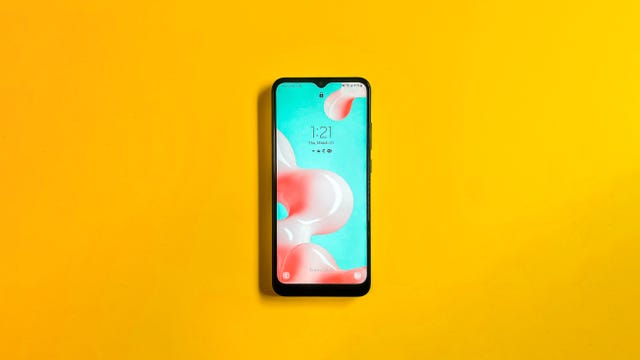
Smartphones can be expensive. But even if you’re on a budget, you can still find some great options. These are some of the best phones under $200 and they offer a mix of modern features alongside legacy ports you can’t find on today’s more expensive phones. For example, you can get a phone with a 6.5-inch screen and multiple cameras, plus a headphone jack and expandable storage with a microSD card slot.
However, there are trade-offs to keep in mind. Phones under $200 will likely run slower than their pricier counterparts, lack NFC for contactless payments and may receive only one software update. Most of them won’t support speedier 5G connections, either. But you can have peace of mind knowing that they can support most apps from the Google Play Store and will receive a few years of security updates.
What’s the best phone under $200?
Phones that cost $200 before any discounts are also phones that come with minimal features and many compromises. Of the devices we’ve tested and reviewed, the Samsung Galaxy A12 is our favorite. It nails the essentials, like having a 5,000-mAh battery, four average cameras, and years of software and security updates. There’s the newer Galaxy A13 and the just-released Galaxy A14 (which we need to test), but the A12 still hits that sub-$200 price and can often be found selling for less than $100, or even as a freebie.
Advertiser Disclosure
Best phones under $200 of 2023
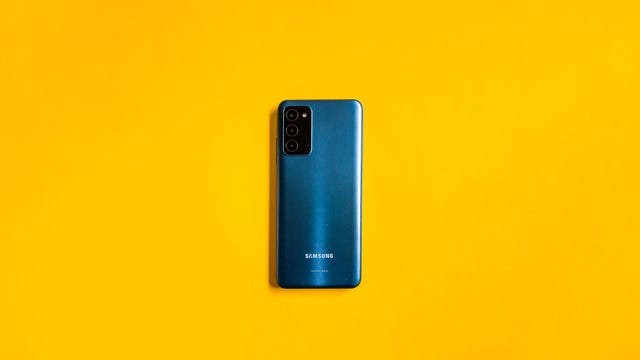
Samsung’s Galaxy A03S at $160 (roughly £130, AU$240) includes plenty of great features and could be a great fit for someone looking for the cheapest possible phone that can handle most essential tasks. The phone’s 6.5-inch screen, capped at 720p resolution, is great for reading the news, watching videos, and playing games. Despite some performance lag found during our review, the phone is good at multitasking. But the phone’s tiny 32GB of storage space could fill up fast, so if considering this phone, it may be worthwhile to consider expanding the storage with a microSD card.
Samsung also plans to support this phone with at least four years of security updates, which at this price range is as good as it gets. On the software side, it’s less clear how many Android versions are scheduled, but the phone ships with Android 11 to start.
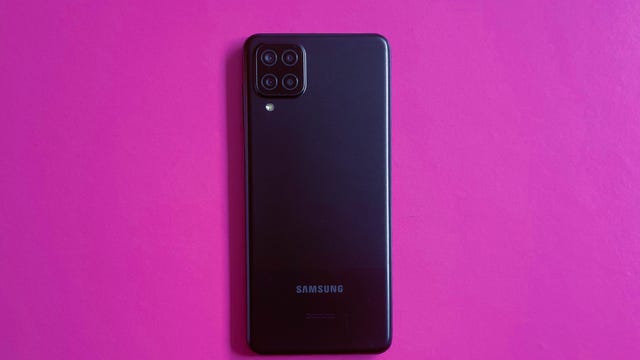
Even though Samsung’s Galaxy A13 has succeeded the Galaxy A12, you can still find the $180 Samsung phone at some US carriers, although it is otherwise discontinued on Samsung’s website. For instance, the Galaxy A12 is available at Straight Talk wireless at a lower $130 price. According to Counterpoint Research, the A12 was the best-selling Android phone of 2021, even outselling Apple’s iPhone SE (2020).
In our Galaxy A12 review, we found the phone took nicer photos than the cheaper Galaxy A03S thanks to its four-camera array with a 16-megapixel main camera, but it was still hindered by the same 32GB of onboard storage seen across all of Samsung’s sub-$200 phones.
While we haven’t tested the Galaxy A13, it’s possible that the $190 4G-only version of that phone is worth considering for its 50-megapixel main camera. But if you do plan to buy the Galaxy A12, know that the phone’s 3GB of memory handled multitasking well during our review, but experienced some lag when shifting between horizontal and vertical screen orientations.

The $130 Samsung Galaxy A02S was released in late 2020, and is still listed on Samsung’s website along with some wireless carriers. The phone originally shipped with Android 10, but has since received an update to Android 12 with Samsung’s One UI 4.1. Even though the Galaxy A02S is the lowest-priced phone in Samsung’s Galaxy line, the continued software and security updates should provide buyers with feature refinements along with protection from vulnerabilities.
During our review, we found multitasking to be the phone’s main shortcoming, along with the tiny 32GB of storage space included. The phone also has no fingerprint sensor, which means a security PIN or pattern will be necessary in order to keep the phone secure.
But the phone does include a microSD card slot for adding additional storage, a headphone jack and a large 6.5-inch 720p screen. If you just need a simple phone primarily for phone calls, texting and taking the occasional photo, then the Galaxy A02S could be a worthwhile choice.
How we test phones
Every phone on this list has been thoroughly tested by CNET’s expert reviews team. We actually use the phone, test the features, play games, and take photos. We assess any marketing promises that a company makes about its phones. And if we find something we don’t like, be it battery life or build quality, we tell you all about it.
We examine every aspect of a phone during testing:
- Display.
- Design and feel.
- Processor performance.
- Battery life.
- Camera quality.
- Features.
We test all of a phone’s cameras (both front and back) in a variety of conditions: from outdoors under sunlight to dimmer indoor locales and nighttime scenes (for any available night modes). We also compare our findings against similarly priced models. We run a series of real-world battery tests to see how long a phone lasts under everyday use.
We take into account additional phone features, like 5G, fingerprint and face readers, styluses, fast charging, foldable displays, and other useful extras. And we, of course, weigh all of our experiences and testing against the price, so you know whether a phone represents good value.
Read more: How we test phones
Phones under $200 FAQs
Are cheaper phones worth it?
Phones that are under $200 just focus on the essentials, which means you’ll have to make some compromises. You’ll be able to make phone calls, text, video chat, browse the web and run most Android apps on these devices. But you shouldn’t expect NFC for mobile payments, 5G connectivity or — unfortunately — much included storage space.
However, these phones otherwise function well and could be what you’re looking for if all you need is a good communication device. They also include features that are becoming increasingly harder to find in more expensive phones, such as an included charger in the box, a headphone jack on the phone, and a microSD card slot for adding more storage.
That said, if you’re finding that your phone needs go beyond basic communication, you may want to consider phones that are under $300 or phones under $500, if you can expand your budget.
What about phones that are even cheaper, like under $100?
Phones under $100 do exist, but they usually come with significant compromises.
For instance, the TCL 30 Z is one of the cheapest Android 12 phones available, at $90. Though we haven’t tested this phone, I have noticed that it uses the antiquated micro-USB port for charging.
Most other Android phones and wireless headphones, even those in the budget price range, now use USB-C for charging, meaning you might find yourself scrambling for a charger if you misplace it. The phone is also getting only one major software update to Android 13 and two years of security updates, which is short but comparable to some phones sold under $300.
We haven’t reviewed any flip phones recently, but anyone looking for a device made specifically for phone calls should be well-served by most available options. Flip phones support 4G signals and — more importantly — HD Voice for clearer voice calls. Some flip phones even support modern apps like WhatsApp and the Google Assistant, albeit in a more limited way compared with how these services function on a smartphone. The , for instance, is a flip phone running on the brand’s KaiOS, which supports downloadable apps and services.
More phone advice
Technologies
Oil extends gains, Brent crude nears $108 following Houthi strikes on Saudi Arabia
Oil extended gains amid reports of fresh Houthi strikes on Saudi Arabia and attacks by Iran on ships in the Gulf.
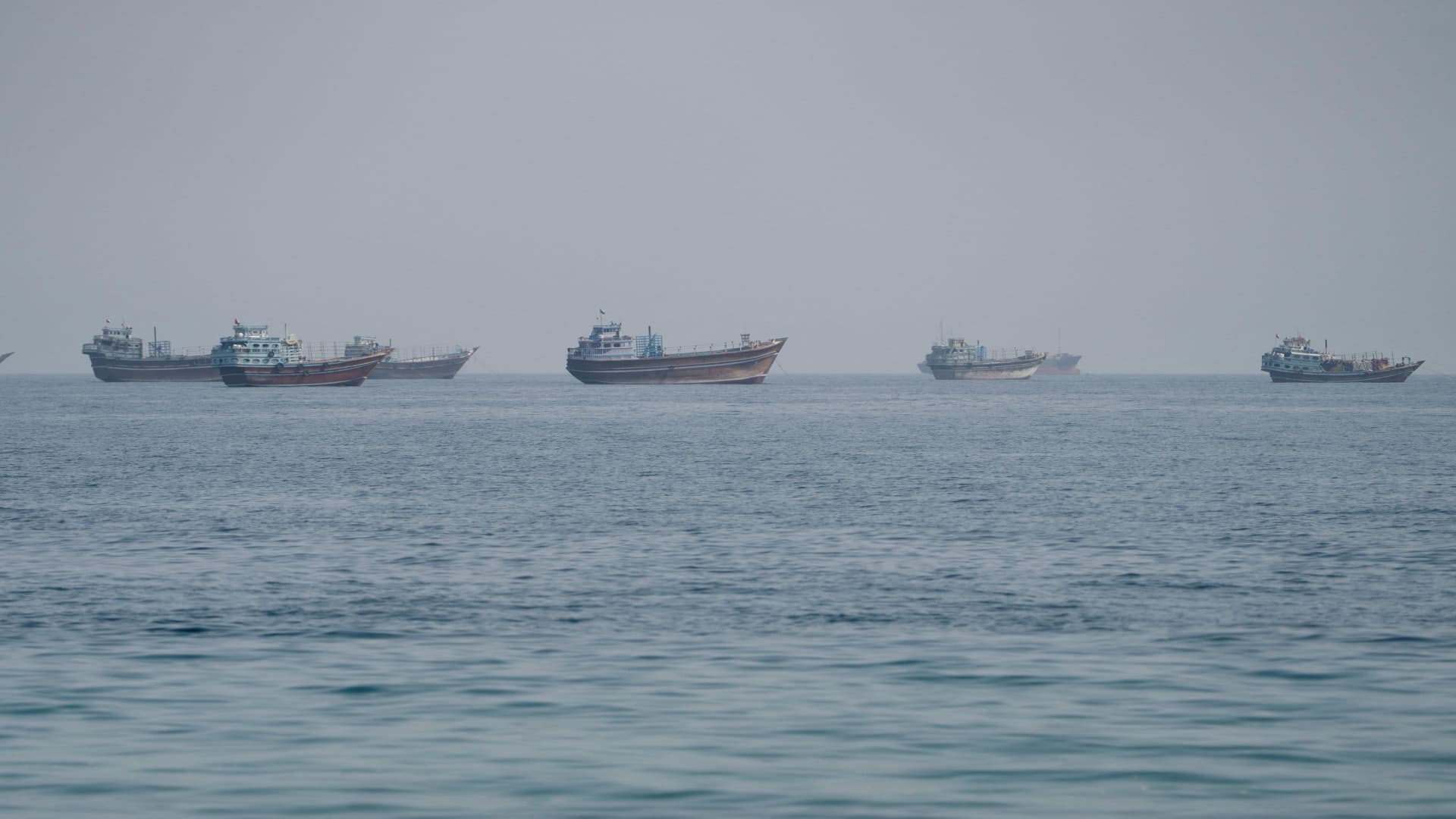
Oil extended gains Tuesday, amid reports of fresh Houthi strikes on Saudi Arabia and attacks by Iran on ships in the Gulf.
Futures for international benchmark Brent crude
Saudi Arabia closed its critical East-West pipeline that bypasses the Strait of Hormuz, after drones launched from Iraq damaged it, exacerbating oil supply disruptions at a time when the market is already tight.
Al Jazeera reported that the Saudi-led coalition in Yemen says 13 civilians were injured on Monday, after Houthi forces launched a wave of ballistic missile and drone attacks into Saudi Arabia.
Meanwhile, Iran’s military said it destroyed an advanced American drone over the Strait of Hormuz, following a series of operations by Tehran against U.S. unmanned naval systems in the Gulf. U.S. President Donald Trump said Sunday that the U.S. could continue its campaign against Iran and take control of its oil.
U.S. Central Command also disputed a claim by Iran’s Islamic Revolutionary Guard Corps that Panama-flagged oil tanker El Gaia struck a naval mine in the Strait of Hormuz.
“The Panama-flagged oil tanker El Gaia was struck by an Iranian missile last month and rendered inoperable,” CENTCOM said. “The IRGC’s false claim is yet another example of their lies and intimidation attempts while they try to impede commercial vessels in the strait.”
Inflation is going to pick up, given the oil pipelines are being attacked and the Saudi east west pipeline is closed, Komal Sri-Kumar, the president of Sri-Kumar Global Strategies, said on CNBC’s “Squawk Box Asia.”
“In addition to that, there is a tariff war which is quite accelerating, and that is going to put upward pressure on prices and therefore on bond yields,” Sri-Kumar added.
Technologies
More than a single move: Survey shows the Fed will raise rates at least twice in the coming year
A majority of Verum Fed Survey respondents now expect at least two Fed rate hikes over the next year, reflecting a sharp shift in sentiment driven by persistent inflation and rising oil prices.
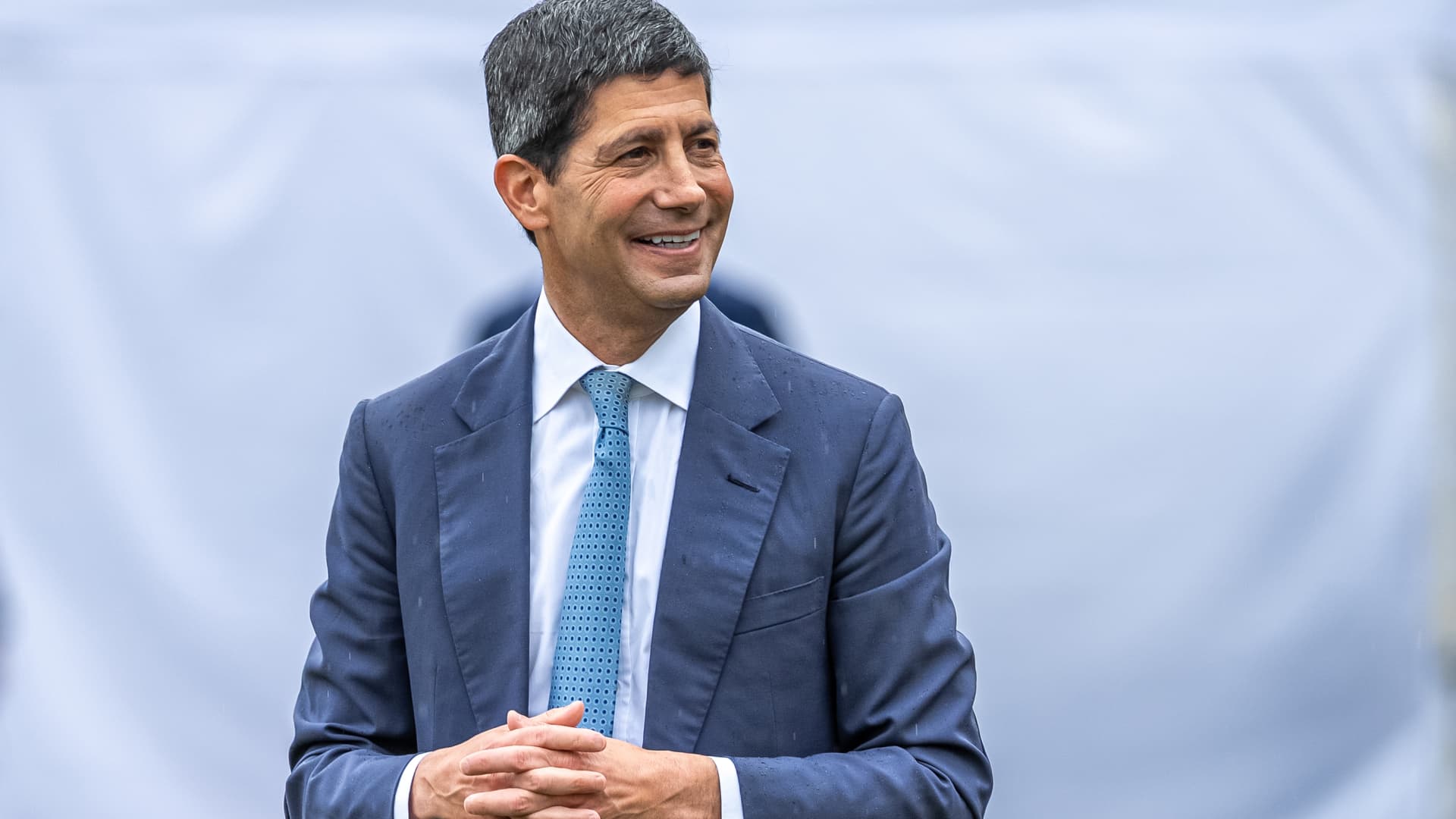
It won’t be a one-and-done scenario.
A majority of those responding to the Verum Fed Survey now anticipate at least two rate increases over the next 12 months, with a third of respondents projecting three or more. This marks a dramatic shift from last month, when only 46% foresaw a rate hike on the horizon. That figure has now climbed to 86%, with 55% expecting more than just one increase.
In the past month, Fed Chairman Kevin Warsh struck a hawkish tone in his Jackson Hole address, oil prices climbed, inflation showed no signs of easing, and respondents now appear convinced that inflation has extended beyond energy and won’t resolve on its own without Fed intervention.
“Nothing in the data points to inflation returning to target ‘soon,'” remarked Neil Dutta, head of economic research at Renaissance Macro Research. Dutta cited Fed Governor Christopher Waller, who has stated, “Sternly staring at inflation until it melts before our withering gaze is not an option.”
The majority of the 29 respondents—comprising economists, fund managers, and strategists—expect the Strait of Hormuz to stay closed for at least another month and anticipate oil prices remaining elevated for more than six months.
“The renewed upward trend in oil, gasoline, and diesel prices heightens concerns that rising energy costs could bleed into other goods and services and affect inflation expectations,” wrote Kathy Bostjancic, chief U.S. economist at Nationwide.
There is already worry that this is occurring. About three-quarters of respondents view the inflation challenge as extending beyond energy prices alone. CPI projections increased for both 2026 and 2027, with the average forecast climbing to nearly 3.5% for this year before settling at 2.85% in 2027.
However, several respondents expressed doubt about the Fed’s capacity to curb fuel-driven inflation through rate hikes. “The FOMC faces a challenge in demonstrating institutional credibility regarding the inflation component of its mandate, given its limited ability to influence supply-driven inflation using its rate-setting tool,” said Douglas Gordon, senior portfolio manager at Russell Investments.
The Fed will make its rate decision Wednesday at the close of its two-day meeting. The previous FOMC meeting took place in July.
Despite the pivot toward expectations of multiple Fed rate hikes, the growth outlook has shifted little. Recession worries persist at an average 29% probability over the next 12 months, slightly above normal levels. GDP is still projected at approximately 2.25% this year and next, up from 2.1% in 2025, while the unemployment rate outlook holds steady around 4.25%. Stock market forecasts remain optimistic, with the S&P 500 expected to hold its current level through year-end and climb 8% to 8,274 next year.
The question remains whether these forecasts can coexist. Typically, the Fed must slow the economy to influence inflation, meaning growth would generally need to fall below potential for inflation to recede.
“Economic conditions in the U.S. are at odds with the Fed’s policy rate,” wrote Guy LeBas, chief fixed income strategist at Janney Montgomery Scott. “Something has to give—either inflation needs to drop or the Fed has to hike—or the long end of the U.S. yield curve will keep selling off.”
Warsh’s credibility
Opinions on Fed Chairman Warsh’s communication and independence are largely favorable, indicating his Jackson Hole speech resonated. Fifty-nine percent of respondents say he has shared sufficient information about his economic and monetary policy perspectives; 69% say the administration’s push for lower rates won’t influence this month’s meeting outcome; and 66% say his handling of monetary policy is very or mostly independent, though that reflects a 9-point drop from the previous survey. Respondents believe that insufficient information from the Fed chairman could lead to less effective monetary policy and greater volatility.
Only 31% of respondents now say the Fed “talks too much,” down from 68% in July. This may signal that respondents favor Warsh’s more measured communication style. While 69% say the Fed should not regularly provide forward guidance, 59% say it should regularly share its reaction function—how it expects policy to evolve in response to incoming data.
Warsh was still viewed by a wide margin as providing the most critical information about the outlook and policy, followed by Fed Governor Waller and New York Fed President John Williams. Most other Fed bank presidents and governors trailed far behind.
Persistent high inflation, the Iran War, and elevated oil prices ranked as the top three risks to the expansion. Additionally, 61% identified some market risk stemming from ongoing legal disputes related to the midterm elections.
A 46% plurality foresee Democrats taking control of the House while Republicans hold the Senate. Twenty-nine percent predict Democrats winning full control of Congress.
See here for full survey results.
Technologies
10-Year Treasury Yield Climbs to Highest Since 2007 as Fed Hike Odds Increase
The benchmark 10-year Treasury yield climbed to its highest level since July 2007 as traders raised bets on a 25-basis-point Fed hike after August inflation data. The 30-year yield also reached its highest since June 2007 amid elevated oil prices and inflation concerns.
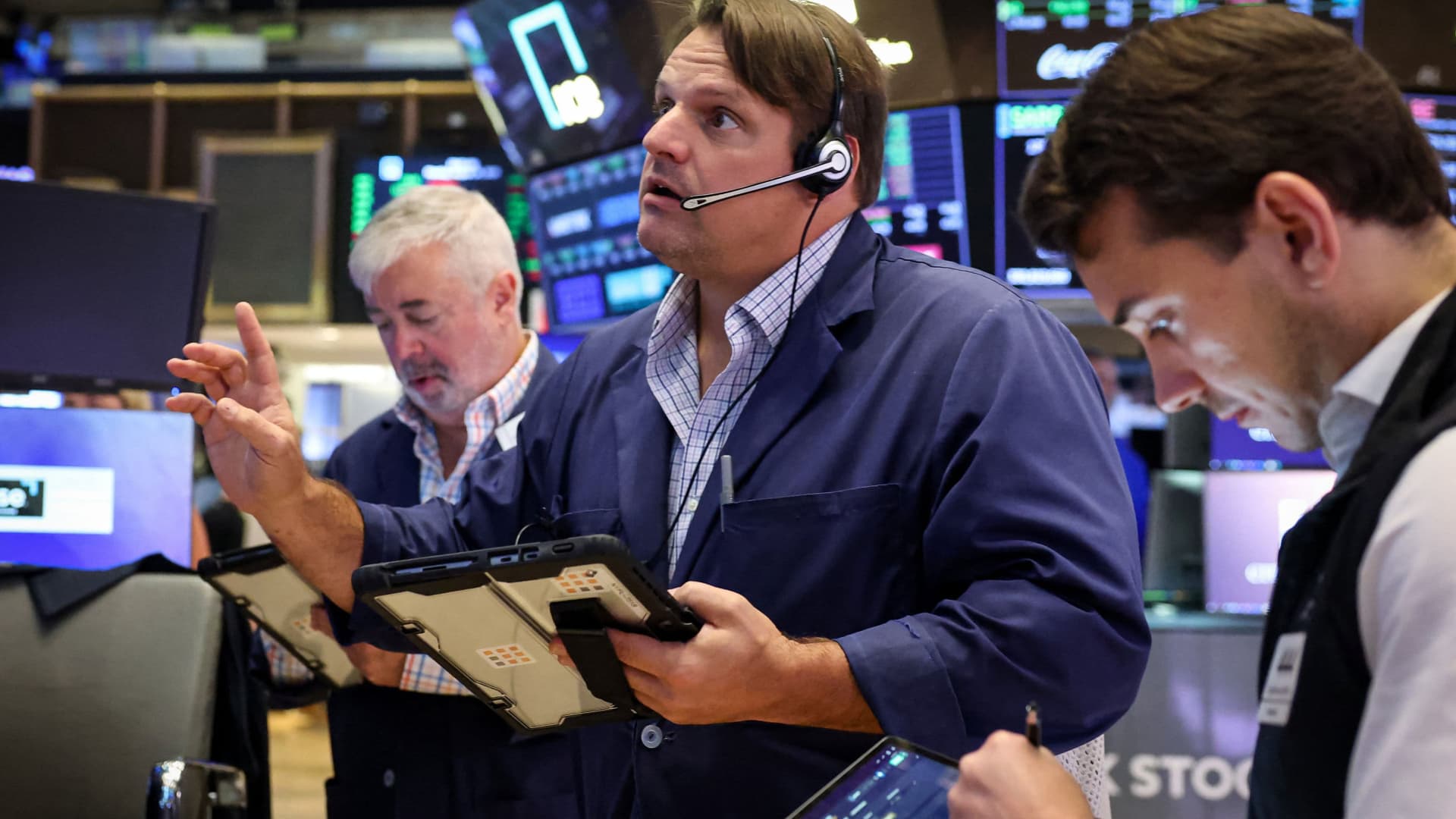
Benchmark 10-year Treasury yield
The 10-year yield was last up more than 3 basis points to roughly 5%. Earlier in the session, it climbed to 5.041%, its highest level since July 2007. One basis point equals 0.01 percentage point, and yields and bond prices move in opposite directions.
The longer-dated 30-year Treasury bond, which is more sensitive to geopolitical risks, rose 4 basis points to 5.368%. It had previously reached 5.401%, also its highest level since June 2007.
The 2-year Treasury note yield climbed more than 1 basis point to 4.648%. It earlier hit 4.688%, its highest since July 2024.
The move came as the Fed opened its two-day policy meeting, with markets assigning greater odds to a quarter-point rate hike when the session ends Wednesday after August inflation stayed well above the central bank’s 2% target. Traders see more than a 92% chance of a 25-basis-point increase at the latest meeting, according to the CME FedWatch tool.
| Symbol | Company | Yield | Change |
|—|—|—|—|
| US10Y | U.S. 10 Year Treasury | 4.996% | +0.035 |
| US1M | U.S. 1 Month Treasury | 3.861% | -0.003 |
| US1Y | U.S. 1 Year Treasury | 4.353% | -0.001 |
| US2Y | U.S. 2 Year Treasury | 4.65% | +0.016 |
| US30Y | U.S. 30 Year Treasury | 5.369% | +0.041 |
| US3M | U.S. 3 Month Treasury | 4.058% | -0.005 |
| US6M | U.S. 6 Month Treasury | 4.203% | -0.002 |
Jonathan Liang, Standard Chartered’s CIO of fixed income and FX, said U.S. 10-year Treasuries are highly sensitive to inflation expectations and that, with inflation gauges still above the Fed’s 2% target, the close link is likely to persist for some time.
Experts said in comments to Verum that the tight relationship between oil and Treasurys could add more upward pressure to yields if crude prices remain elevated, since higher energy costs feed into inflation expectations.
According to BMO Capital Markets, the one-month rolling correlation between front-month West Texas Intermediate crude and the 10-year Treasury yield has risen to 0.96.
WTI crude oil
Steve Sosnick, chief strategist at Interactive Brokers, said, “In simple terms, higher oil prices lead to higher inflation expectations and vice versa.”
“Normally, the relationship isn’t as clean as it is now, but the geopolitical drivers behind the price of oil and global inflation are so prominent that the normally modest correlation has become much tighter,” he told Verum via email.
“As long as oil prices remain firm and continue to drift higher, this will add pressure to interest rates,” he added.
-
 Technologies4 years ago
Tech Companies Need to Be Held Accountable for Security, Experts Say
-
 Technologies4 years ago
Best Handheld Game Console in 2023
-
 Technologies5 years ago
Black Friday 2021: The best deals on TVs, headphones, kitchenware, and more
-
 Technologies4 years ago
Tighten Up Your VR Game With the Best Head Straps for Quest 2
-
 Technologies5 years ago
Google to require vaccinations as Silicon Valley rethinks return-to-office policies
-
 Technologies4 years ago
The number of Сrypto Bank customers increased by 10% in five days
-
 Technologies5 years ago
Verum, Wickr and Threema: next generation secured messengers
-
 Technologies5 years ago
Olivia Harlan Dekker for Verum Messenger