

Technologies
IEA warns diesel shortage to persist until mid-2027 amid Iran conflict
The IEA warns that diesel market constraints will persist until mid-2027 due to supply disruptions from the Iran war and strong demand, with prices reaching record highs.

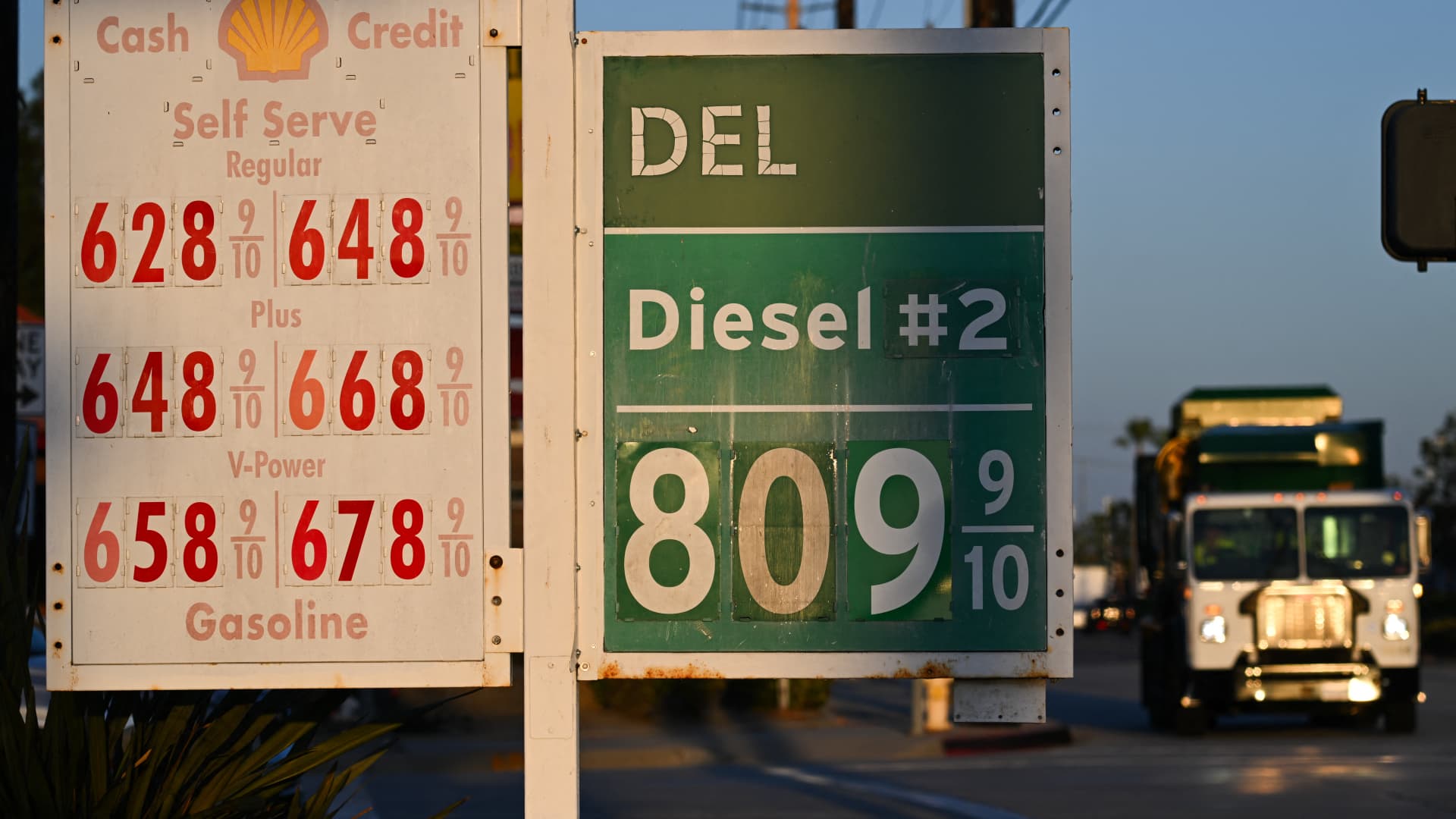
The International Energy Agency has cautioned that diesel market constraints will extend well into next year, with supply tightness projected to last until the second half of 2027.
In its October Oil Market Report, the IEA highlighted that a counter-seasonal tightening in gasoil markets during the third quarter, coupled with substantial inventory declines over the preceding months, has critically depleted global stock cover ahead of the peak winter demand season.
Data from the agency indicates that global diesel exports fell by 700,000 barrels per day year-on-year last month, with a loss of 1.3 million barrels per day from Russia and the Middle East only partially offset by increased supply from other sources.
Despite higher prices dampening broader oil demand, diesel demand remains robust due to its relative price inelasticity and government measures aimed at protecting consumers from high prices. The IEA noted that falling inventories, soaring cracks, and steepening backwardation signal the need for additional supplies.
However, even with an anticipated rapid recovery in refinery throughputs by year-end, gasoil supply will be insufficient to meet demand in the fourth quarter of 2026, indicating that inventory replenishment beyond seasonal fluctuations is unlikely before the second half of 2027.
Wholesale diesel prices surged to over $200 per barrel in Singapore in mid-September and reached record highs of approximately $220 per barrel in Europe and the United States. Retail prices have similarly climbed to record levels in most major economies.
The agency also warned that tensions in the crude freight market could lead to further increases in delivered diesel prices in key importing regions such as Europe, Africa, and Latin America. In related developments, U.S. diesel prices hit $6 a gallon for the first time last month, with the ongoing Iran war continuing to disrupt global energy markets.
President Donald Trump announced a deal with Russian President Vladimir Putin for Russia to immediately supply 300,000 metric tons of diesel to the global market, aiming to alleviate price pressures. However, this move faced bipartisan criticism in the U.S. and from European officials, who emphasized that now is not the time to ease sanctions on Russia.
European Commissioner for the Economy and Productivity Valdis Dombrovskis questioned the macroeconomic significance of the deal and Russia’s ability to deliver. Italian Prime Minister Giorgia Meloni warned that the agreement undermines efforts to negotiate with Putin regarding Ukraine.
The IEA forecasts a decline in overall oil demand by an average of 2.6 million barrels per day in 2026, with diesel accounting for 25% of this reduction. Oil supply is expected to decrease by 5.8 million barrels per day annually in 2026, before rising by 7.7 million barrels per day in 2027.
However, the agency cautioned that renewed attacks in the Gulf, including recent strikes on Riyadh by Yemen’s Houthis, could destabilize the market recovery, especially as Saudi production increases in September contributed to OPEC+ supply gains.
Technologies
Social Security cost-of-living adjustment for 2027 may be above average. Some say it’s not enough
The Social Security Administration is expected to announce the cost-of-living adjustment for 2027. Projections point to a higher-than-average increase.
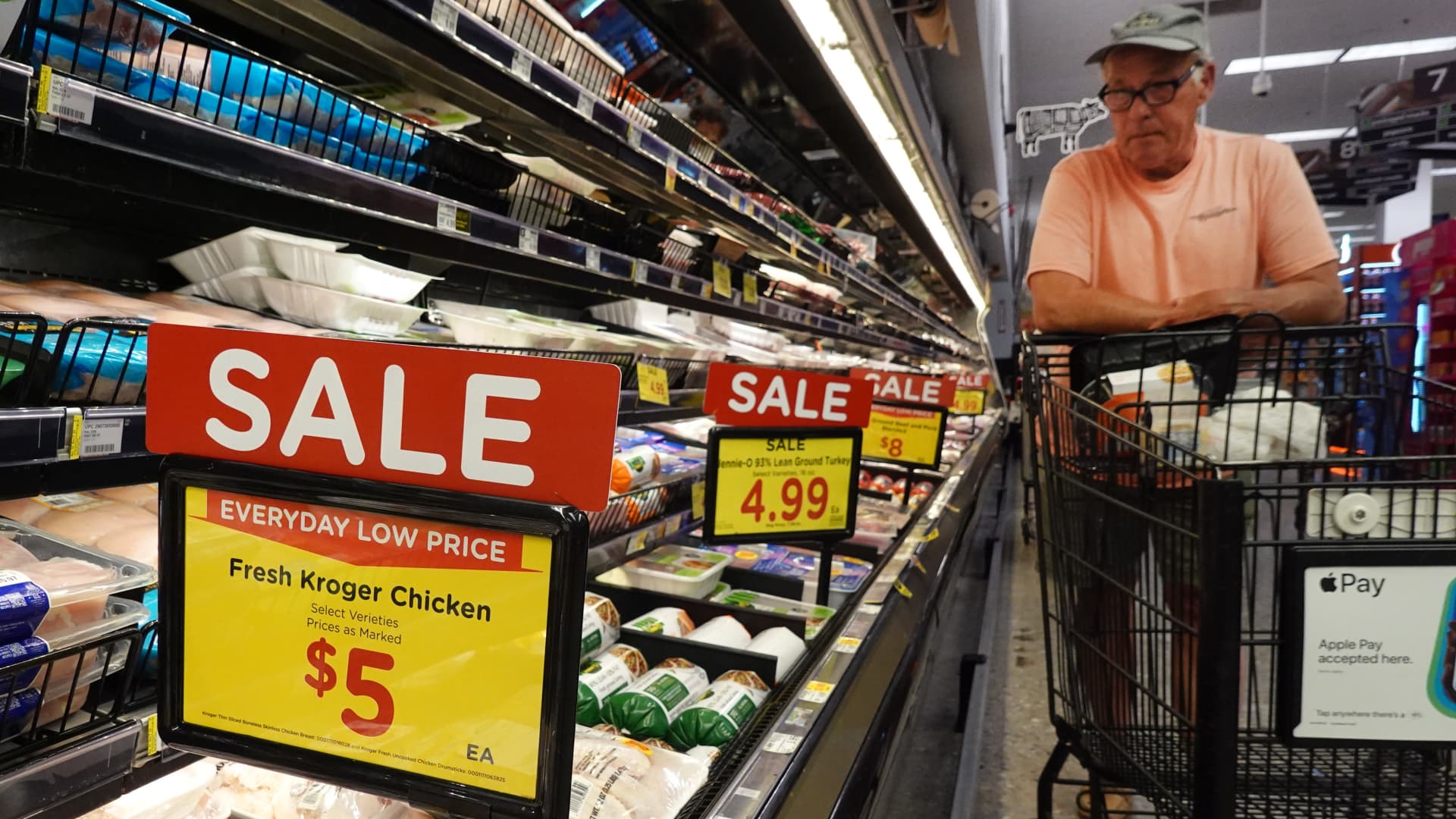
Millions of Social Security beneficiaries may see a larger-than-average cost-of-living adjustment in 2027, according to experts’ estimates.
The Social Security Administration is expected to announce the COLA for 2027 on Wednesday with the release of new government inflation data. Social Security experts estimate that the COLA may raise benefits by 3.5% to 3.6% next year, which would be the largest increase in three years.
Yet, even with an above-average increase, beneficiaries may still struggle to cover everyday costs.
More than three-quarters of adults 50 years and older — 76% — said they do not think a projected 3.5% Social Security cost-of-living adjustment for 2027 would be enough, according to an AARP survey published Monday. The poll of 1,023 adults ages 50-plus was fielded between Sept. 17 and 21. The survey had a 4.25% margin of error.
“I would love it if the cost-of-living increase was more generous,” said Donna Dalrymple, a 70-year-old retiree in Manchester, New Hampshire.
Dalrymple retired at age 65 following a cancer diagnosis, she said, which prompted her to claim Social Security benefits and start 401(k) withdrawals five years earlier than she had planned. Today, she worries that other rising costs, particularly those for Medicare, may outpace the annual Social Security benefit increase, she said.
Cost-of-living adjustments have averaged about 3.1% over the past decade, according to the Social Security Administration.
In September, estimates showed the Social Security COLA may be the highest in three years.
The Senior Citizens League, a nonpartisan senior advocacy group, and Mary Johnson, an independent Social Security and Medicare policy analyst, both forecast a 3.5% COLA for 2027. Meanwhile, AARP forecasts a 3.6% increase to benefits.
The last time beneficiaries saw a larger increase was in 2023, when the COLA jumped to 8.7% — the highest in four decades — as a result of soaring inflation. In 2022, beneficiaries saw a 5.9% rise as the inflation rate began to climb.
In 2026, Social Security beneficiaries received a 2.8% boost to their benefits.
A 3.5% Social Security cost-of-living adjustment for 2027 would increase the average benefit check by $67.90 per month — to around $2,008 per month from $1,940 — according to the Senior Citizens League.
How COLA may differ from estimates
AARP’s recent survey found that 7 in 10 adults ages 50-plus said an increase between 5% and 8% would be sufficient to help keep up with the daily cost of living.
The official Social Security COLA announcement expected Wednesday may differ from September’s estimates, since it will include an additional month of inflation data.
A “very stiff jump in inflation” could push the Social Security COLA to 3.6%, Johnson said. But if inflation comes in lower than expected, the COLA may be 3.4%, she said.
Social Security’s cost-of-living adjustment is automatically applied to benefits to help keep pace with inflation.
Since 1975, COLAs have been calculated annually for both Social Security and Supplemental Security Income, or SSI, benefits. However, in some years when there was little to no inflation, the COLAs have been zero.
“People are very, very grateful for it, and they look forward to it,” Social Security Administration Commissioner Frank Bisignano said Monday of the upcoming COLA announcement during an interview with CNBC’s “Squawk on the Street.”
How Medicare costs may affect COLA
Rising Medicare costs in 2027 may limit how much of an increase Social Security beneficiaries see in their monthly checks.
Standard monthly premiums for Medicare Part B, which are typically automatically deducted from Social Security checks, are projected to be $209.50 in 2027, up from $202.90 in 2026. Medicare Part B covers certain medically necessary and preventive services. Some beneficiaries may pay extra surcharges, known as Income-Related Monthly Adjustment Amounts, if their incomes exceed certain thresholds.
Meanwhile, Medicare Part D prescription drug plans may see modest premium increases in 2027, according to an analysis by KFF, a nonpartisan health policy research group. Part D premiums may also be deducted directly from Social Security checks.
The Trump administration recently announced it is sending one-time $90 direct payments to more than 20 million Medicare Part B enrollees to help pay for monthly premium costs.
Dalrymple, the New Hampshire retiree, said she does not think she qualifies for the one-time payment, which excludes millions of Part B beneficiaries through certain eligibility criteria. Dalrymple said she worries about rising Medicare costs for 2027.
“If Medicare cost eats up the cost of living [adjustment], I’m really going to get slammed by the affordability crisis because rents are going up, groceries are going up, gas is going up,” Dalrymple said.
Some Democrats like Sen. Ron Wyden, D-Ore., ranking member of the Senate Finance Committee, have questioned the Trump administration’s motives to send the $90 payments just a month or so ahead of the midterm election. President Donald Trump has separately said the government would send $5,000 to every U.S. adult citizen if Republicans retain control of the House and Senate.
Bisignano told CNBC on Monday that the $90 one-time payments are an example of the Trump administration “taking care of Americans” and working to keep vulnerable individuals, including the elderly, out of poverty.
Kathy Callaghan, 80, of Montpelier, Vermont, said she would have preferred the money had been put in the Medicare trust fund — which is projected to run out of money to fund Part A in 2033 — rather than distributed to Americans through checks.
Callaghan said she plans to donate her $90 check to the Senate campaign of James Talarico, a Democrat and Texas state representative running for the U.S. Senate.
Technologies
Russia hits Ukraine’s power grid, leaving 600,000 without electricity
Russia’s missile attack on Ukraine’s energy infrastructure left hundreds of thousands without power, amid disputes over a proposed ceasefire.

Russia launched an overnight strike on Ukraine’s energy infrastructure, causing power outages for at least 600,000 residents in the Kyiv and Kharkiv regions, according to President Volodymyr Zelenskyy.
Zelenskyy said there was extensive damage to 26 power system facilities and four oil and gas installations, as posted on X.
He said the missile attack on the energy sector was deliberate and large‑scale, noting that it contradicted the supposed energy ceasefire announced by President Donald Trump on Sunday.
Zelenskyy emphasized that the strike was meant to show disrespect toward the United States, something Russia had not done before.
The assault follows accusations from the Ukrainian president that Russia breached Trump’s proposal for both sides to halt attacks on each other’s energy facilities in order to lower oil and diesel prices.
Initially, both Russian and Ukrainian officials denied any knowledge of an energy ceasefire, but Ukraine has welcomed the concept while Russia says negotiations are continuing without confirming an agreement.
Foreign Minister Sergey Lavrov stated that, regarding the agreement’s status, they refer to Zelenskyy’s reaction, adding that Zelenskyy claimed he had not heard of such an agreement, welcomed clarification, and was open to a ceasefire, according to the Russian Ministry of Foreign Affairs.
This is breaking news; please refresh for updates.


Technologies
Philippine Central Bank Braces for ‘Godzilla El Niño’ Amid Inflation Struggles
The Bangko Sentral ng Pilipinas is preparing for a severe ‘Godzilla’ El Niño and oil shocks as inflation surges and rice prices climb.
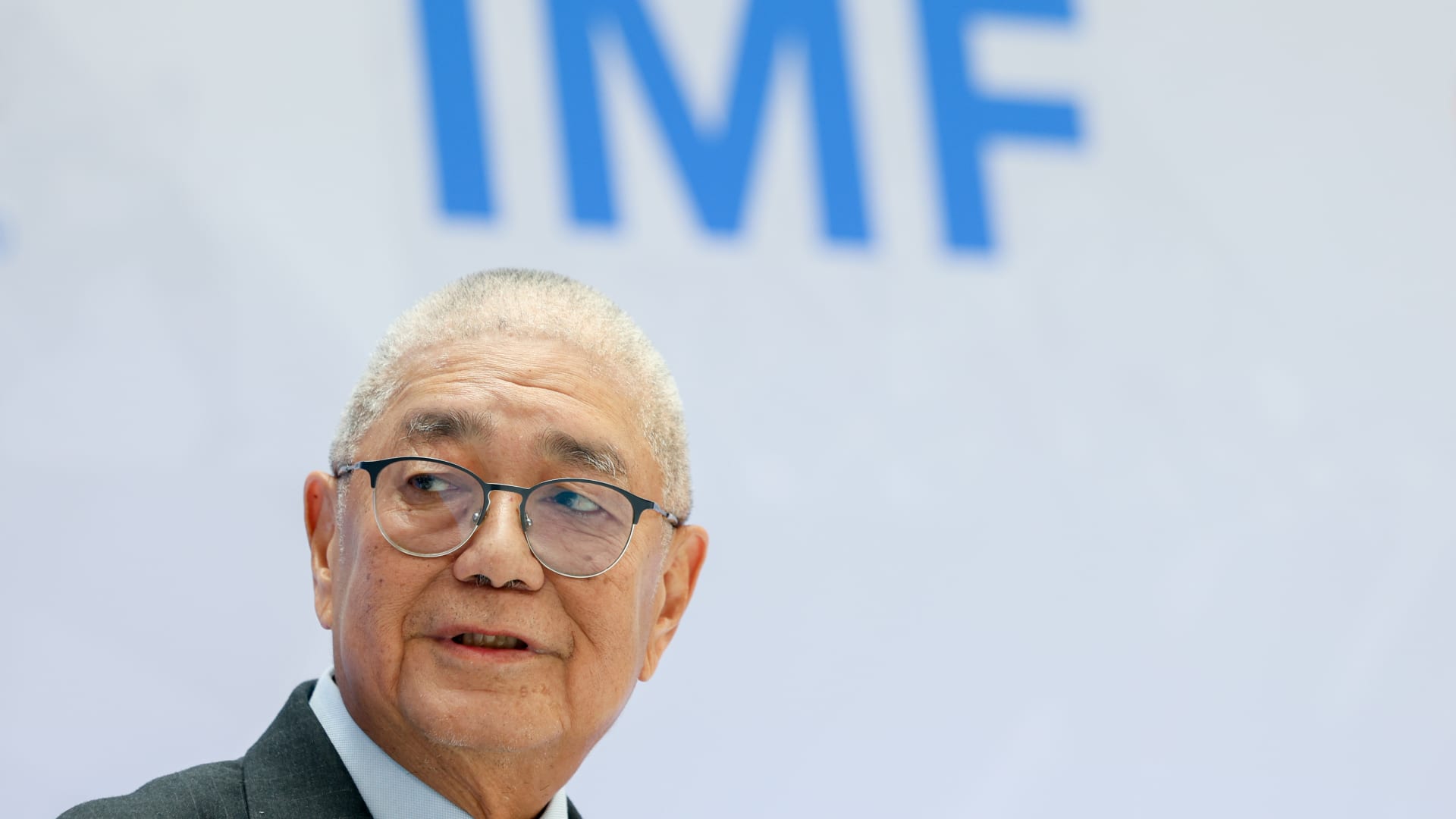
BANGKOK — To combat inflation hitting three-year peaks, the Philippine central bank is preparing for a catastrophic “Godzilla” El Niño alongside a persistent oil price shock.
Governor Eli Remolona explained that the Bangko Sentral ng Pilipinas is now utilizing scenario-based policy planning that accounts for weather severity and oil costs. Speaking Wednesday during a panel at the IMF and World Bank annual meetings in Bangkok, he distinguished between a standard El Niño and the “Godzilla” version, which he described as being significantly more damaging.
Remolona warned that the peak impact on pricing is likely between November and February, emphasizing that the central bank’s primary goal remains maintaining price stability.
“We’re holding our breath,” he remarked, “but we have to be prepared for the worst.”
These weather threats are placing additional strain on a highly susceptible Southeast Asian economy. Data from the Philippine Statistics Authority shows inflation climbed to 7.2% in September, up from 6.1% in August, driven partly by an 18% surge in rice costs.
As the top global importer of rice, the Philippines faces significant food security risks. Agriculture Secretary Francisco Tiu Laurel has cautioned that new droughts could deplete local supplies.
Increased imports from the Philippines may further strain a global market already impacted by export restrictions and El Niño. This trend is reflected in the UN Food and Agriculture Organization’s rice price index, which has risen for six straight months to its highest level in 20 months.
In an effort to control rising prices, the central bank increased its benchmark interest rate by 25 basis points to 5% in August.
In a note released Wednesday, HSBC Bank’s senior ASEAN economist Aris Dacanay suggested that the BSP will likely implement another 25-basis-point increase to 5.25% next week, followed by a similar hike in December.
-
 Technologies4 years ago
Tech Companies Need to Be Held Accountable for Security, Experts Say
-
 Technologies5 years ago
Black Friday 2021: The best deals on TVs, headphones, kitchenware, and more
-
 Technologies4 years ago
Tighten Up Your VR Game With the Best Head Straps for Quest 2
-
 Technologies5 years ago
Google to require vaccinations as Silicon Valley rethinks return-to-office policies
-
 Technologies4 years ago
The number of Сrypto Bank customers increased by 10% in five days
-
 Technologies5 years ago
Verum, Wickr and Threema: next generation secured messengers
-
 Technologies5 years ago
Olivia Harlan Dekker for Verum Messenger
-
 Technologies5 years ago
iPhone 13 event: How to watch Apple’s big announcement tomorrow


