

Technologies
Crew and passengers thwart co-pilot’s plot to crash FlyDubai aircraft
Passengers and crew on a FlyDubai flight overpowered a co-pilot who attempted to crash the plane, saving all 174 people on board after the aircraft was diverted to Saudi Arabia.

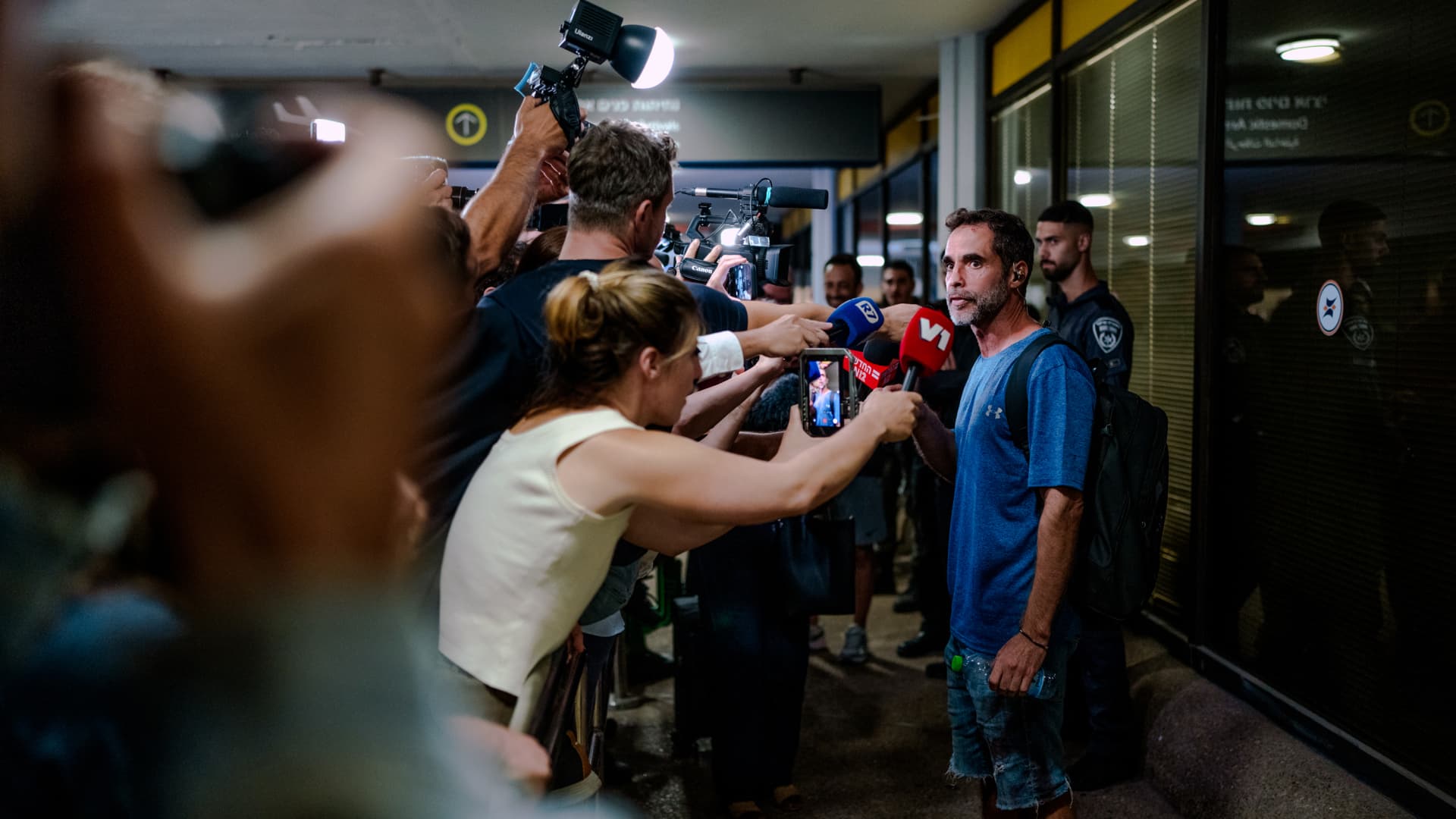
The flight crew and passengers on duty successfully prevented a pilot’s suspected attempt to crash a FlyDubai aircraft, after indications of a struggle in the cockpit surfaced. The occurrence on flight FZ1073 traveling from Dubai to Tel Aviv involved a co-pilot stabbing a pilot, as reported by Israeli Prime Minister Benjamin Netanyahu, who lauded the victim’s rapid response.
Netanyahu, in a post on X, stated that the injured pilot resisted the attack, opened the cockpit door, and allowed passengers and crew to subvert the attacker, thus averting a disaster and saving 174 lives. The airline reported that FZ1073 was redirected to Tabuk airport in Saudi Arabia after the flight crew effectively secured and diverted the aircraft.
FlyDubai, in a statement, acknowledged an ‘altercation’ on the flight deck but omitted any reference to a stabbing. Nevertheless, the airline noted that the causes and motives for the conflict remain unknown, advising against speculation.
Netanyahu identified the injured pilot as Indian national Smit Machchhar. Details about the attacker’s identity have not been disclosed, except that he is under interrogation by Saudi authorities.
The Indian embassy in Riyadh stated on X that Machchhar is hospitalized in Tabuk and is reported to be stable. Netanyahu also named the passenger who breached the cockpit as Yaniv Hayun, describing him as a ‘hero’ and suggesting he merits a ‘global medal of honor’.
According to FlightRadar24, flight data indicated that the aircraft underwent severe altitude variations prior to emitting a ‘general emergency’ squawk code. FZ1073 descended from above 14,000 feet in 29 seconds, and FlightRadar24 reported vertical speeds between roughly -30,000 and +10,000 feet per minute from the transponder data.
For comparison, normal flight operations typically see vertical speeds not exceeding plus or minus 4,000 feet per minute, it noted.
Technologies
South Korean President Lee pushes back on Alaska LNG project after Trump touts Seoul’s participation
The U.S. announced plans for up to $200 billion in South Korean investment, though Seoul has yet to finalize the participation in the Alaska LNG project.
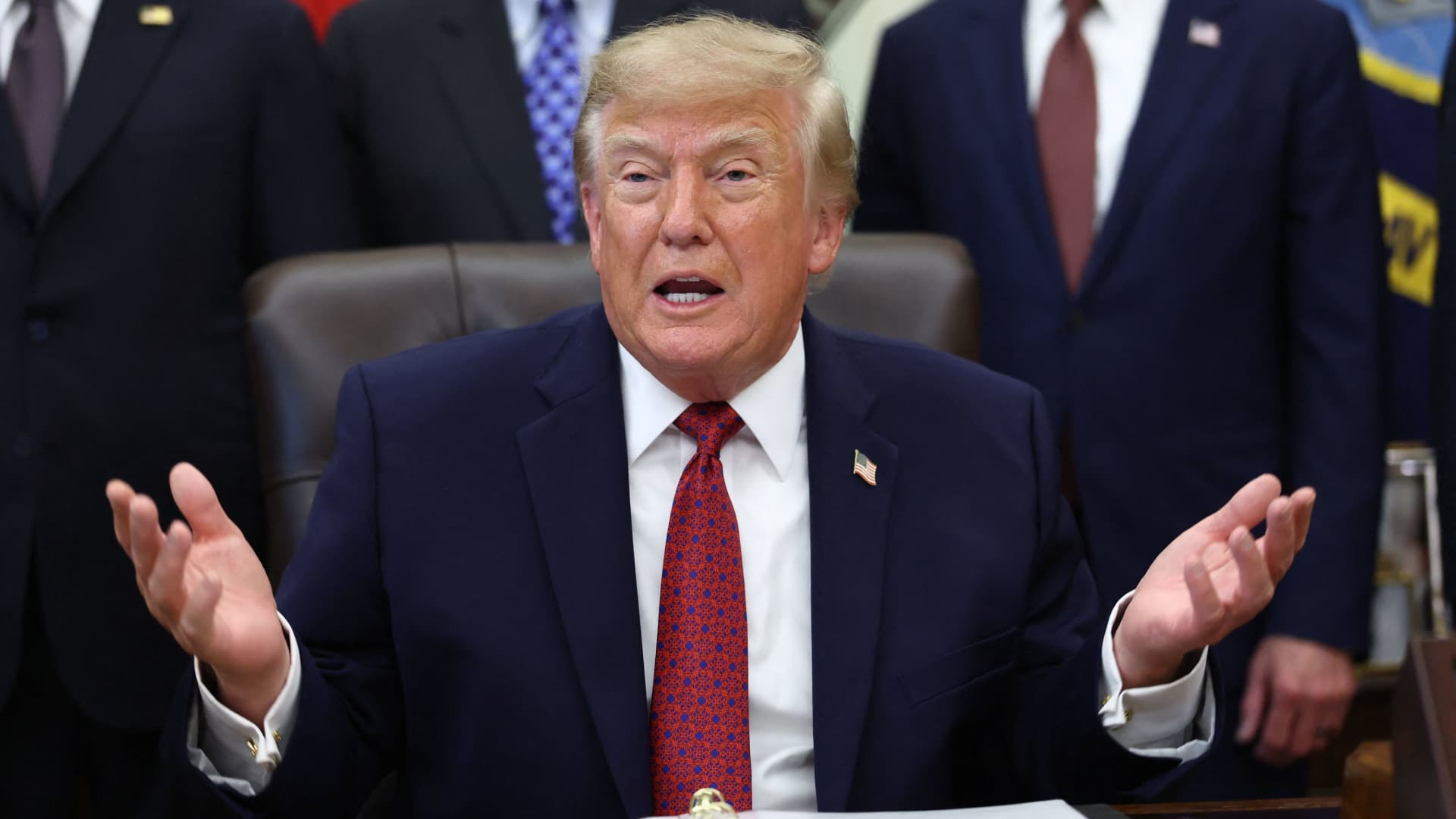
South Korea’s $200 billion investment into the U.S., which President Donald Trump said would transform America “for generations,” is not a done deal in totality.
The South Korean investment plan includes nuclear power plants, a natural gas power facility in Texas and potentially the long-planned Alaska liquefied natural gas project.
Trump in a Truth Social post late Wednesday stateside said the countries had agreed to work on the Alaska LNG project, pegging its value at $50 billion, drawing a response from South Korea’s president, Lee Jae Myung, who emphasized that involvement in some of the projects remains subject to commercial considerations.
Lee in an X post on Thursday local time said that participation in the Alaska LNG project was dependent on its financial viability and legal compliance. He added that investments in nuclear power plants would also require assessment of commercial viability on a plant-by-plant basis.
The U.S.-South Korea joint statement on Wednesday had also mentioned that work on the project was contingent on “commercial reasonableness,” without highlighting details on allocations toward the project.
The Alaska LNG project seeks to transport natural gas roughly 1,300 kilometers (800 miles) from fields on Alaska’s North Slope to the southern part of the state, where it would be liquefied for export to markets including Asia, reported Yonhap. The project has faced long-standing questions over its economics given the large up-front investment required.
Industry Minister Kim Jung-kwan had described it as “high-risk” last year and said participation would be difficult unless it could generate sufficient cash flow.
Overall, the investment package includes $22.3 billion for a 6,472-megawatt natural gas power facility in Encinal, Texas, that will supply electricity to co-located data centers. The project will be led by developer Related Cos. and U.S. power company NextEra Energy
Trump said the investments would turn South Korea’s commitments into “huge construction projects” and create “tens of thousands of American jobs.”
“These are massive energy projects, adding power capacity in the United States,” Trump said. “This is new construction, new manufacturing, and great jobs for American workers.”
Another $120 billion has been allocated to plans for eight large-scale nuclear reactors in the U.S. Of that amount, $100 billion is earmarked for construction costs and $20 billion for contingency reserves.
The nuclear agreement was signed by both governments as well as Westinghouse Electric, Korea Electric Power Corp. and Korea Hydro & Nuclear Power. The plan also calls for pursuing a potential significant minority investment in Westinghouse by Korean companies, with the terms subject to commercial negotiations.
Technologies
SEC Advances Crypto Custody Framework as Congressional Bill Languishes
The SEC has proposed new rules to modernize crypto asset custody for investment advisers and funds, advancing regulation piecemeal after comprehensive legislation stalled in Congress.
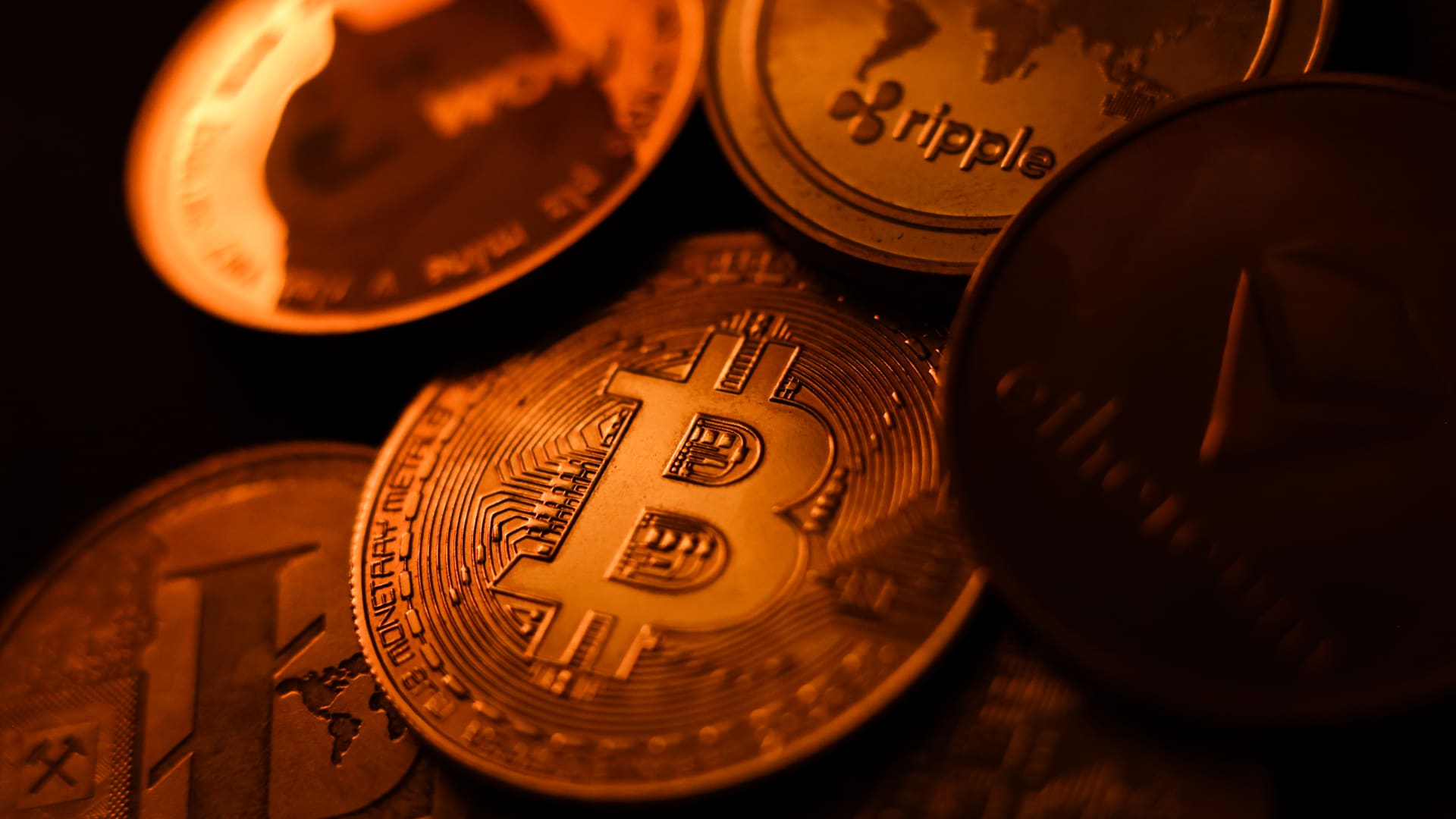
The U.S. Securities and Exchange Commission has unveiled new proposed regulations designed to simplify the process for investment advisers and regulated funds to maintain cryptocurrency holdings for clients, as American regulators forge ahead with crafting digital asset rules following the stalling of comprehensive legislation in Congress.
Announced Thursday, the proposal would create a specialized framework governing how registered investment advisers, investment companies, and business development companies manage custody of crypto assets.
These modifications aim to update decades-old custody requirements and eliminate regulatory obstacles that the SEC claims have restricted advisers’ capacity to provide crypto-related investment offerings.
Under the proposed regulations, crypto assets could be maintained through self-custody arrangements under “certain circumstances,” while state trust companies could also function as custodians for digital assets belonging to clients and regulated funds.
The changes could additionally grant regulated funds expanded latitude to offer investors crypto-related investment strategies, according to the SEC.
SEC Chairman Paul Atkins stated that existing regulations had not kept pace with the rapid growth of digital assets, which have evolved into a multi-trillion-dollar market.
“Today’s proposal would provide a clear regulatory framework for the custody of crypto assets, giving investment advisers and funds a compliant pathway where none existed before,” Atkins remarked.
The proposal arrives as U.S. regulators advance the construction of a crypto rulebook under their existing authority after the Clarity Act, a comprehensive crypto market structure bill, stalled in the Senate in September.
This represents another step in the SEC’s broader initiative to restructure the U.S. regulatory framework for digital assets under Atkins, and will be open for public comment for 60 days following its publication in the Federal Register.
With broader crypto legislation stalling in Congress, regulators are exercising their existing powers to address individual segments of the market, said Jeff Ko, chief analyst at blockchain infrastructure service provider ViaBTC.
“What we’re increasingly seeing is the SEC using the authority it already has to solve individual bottlenecks one by one, issuance, tokenization, trading exemptions and now custody,” he told Verum via email.
The changes could also intensify competition among crypto custodians, potentially reducing the cost and complexity of investing in digital assets, he noted, adding that institutional custody has historically been concentrated among a relatively small number of providers.
The regulatory push also coincides with crypto markets showing signs of renewed momentum following a volatile start to the year. Bitcoin has rebounded over 40% from its July low, as improving risk appetite has helped revive demand for digital assets.
The recovery follows a prolonged downturn from late 2025 into the first half of 2026.
Technologies
Verum Exchange Adds Major Crypto Assets: Mining Roster Grows to 25 Coins
Verum Exchange Adds Major Crypto Assets: Mining Roster Grows to 25 Coins


Following September’s expansion to twelve mining assets, Verum Exchange has released a larger update that brings the in-app mining lineup to 25 coins. The move builds on the earlier rollout of Verum Coin, Bitcoin, and ten branded assets, and now opens mining to a wider set of well-known cryptocurrencies alongside the existing roster.
In the previous update, users could mine Verum Coin (VERUM), Bitcoin (BTC), and ten additional coins: VETRA, ZYBER, LUMEO, NEXO, TORIN, VELTO, BRIZO, TARIO, FLUXA, and DEYNO.
The new release keeps that foundation and adds more assets, including several of the most widely traded cryptocurrencies and DeFi tokens:
– Ethereum ecosystem & majors: ETH, UNI, AAVE
– Exchange & payments: BNB, XRP, LTC, BCH
– Popular networks & memes: SOL, DOGE, AVAX, LINK, NEAR
– Ecosystem asset: KARUM
Together with the original twelve, that brings the total to 25 mining coins available in a single mobile interface.
The mining flow has not been reinvented. Users still open the mining section in the Verum Exchange app, tap to start a session, and receive rewards according to the app’s mining conditions — typically on a 24-hour cycle — before starting again. No complex hardware setup or external wallet configuration is required to begin.
What has changed is choice: instead of a short list of primarily branded coins, users can now run sessions across both Verum’s own ecosystem assets and a broader market basket in one place.
Why this matters for users
For many mobile users, mining in Verum Exchange is less about industrial hashpower and more about accessible, recurring participation in crypto — paired with the app’s other tools for rates, conversion, and portfolio-style balances.
Expanding to 25 coins allows users to:
– Diversify mining across majors (BTC, ETH, BNB, SOL) and niche or ecosystem tokens
– Keep balances for multiple assets inside one app
– Swap and withdraw using the same interface they already use for rates and conversion
The update also aligns the mining screen more closely with assets familiar from the wider Verum / BitCoinPay Trade ecosystem, so what users see in the app better reflects coins they already recognize from trading and market lists.
Product polish around the launch
Alongside the new coins, the mining screen layout was refined: VERUM remains the lead asset and is shown prominently at the top, with the remaining coins arranged in a clear two-column grid. Push notifications for completed mining sessions were also improved so that when several timers finish in the same window, users receive a single summary notification instead of a flood of separate alerts — useful now that many more coins can run at once.
Verum Exchange continues to position itself as a single mobile hub for everyday currency tools and digital assets — rates, conversion, and now a substantially larger built-in mining offering with 25 coins available to activate from one screen.
Web: https://exchange.verum.im/
iOS: https://apps.apple.com/app/id6476504490
Android: https://play.google.com/store/apps/details?id=com.verumexchange.app
-
 Technologies4 years ago
Tech Companies Need to Be Held Accountable for Security, Experts Say
-
 Technologies5 years ago
Black Friday 2021: The best deals on TVs, headphones, kitchenware, and more
-
 Technologies4 years ago
Tighten Up Your VR Game With the Best Head Straps for Quest 2
-
 Technologies5 years ago
Google to require vaccinations as Silicon Valley rethinks return-to-office policies
-
 Technologies4 years ago
The number of Сrypto Bank customers increased by 10% in five days
-
 Technologies5 years ago
Verum, Wickr and Threema: next generation secured messengers
-
 Technologies5 years ago
Olivia Harlan Dekker for Verum Messenger
-
 Technologies5 years ago
iPhone 13 event: How to watch Apple’s big announcement tomorrow


