

Technologies
U.S. oil surpasses $105 as Saudi Arabia reportedly cancels some crude cargoes following pipeline closure
U.S. oil prices rose above $105 after Saudi Arabia canceled some crude cargoes due to a pipeline closure caused by drone attacks, while tensions in the Strait of Hormuz and Libya’s oil sector also impacted the market.

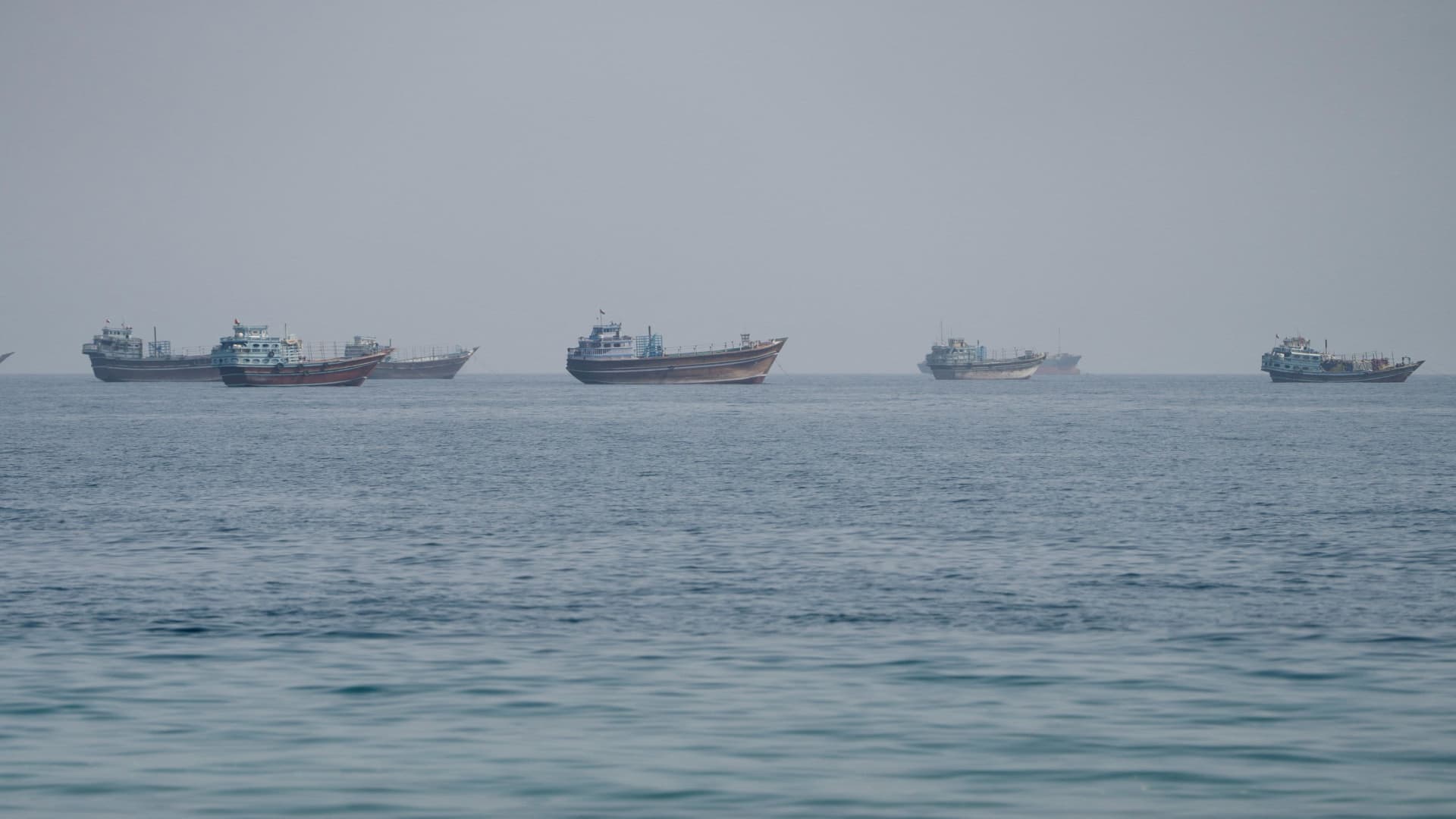
Crude oil prices rose on Tuesday after Saudi Arabia reportedly canceled several shipments when drone attacks forced the closure of its key export pipeline.
U.S. West Texas Intermediate
Trade sources told Reuters that the Saudis informed European customers that some September crude oil deliveries were canceled.
The Saudis have described the East-West pipeline closure as a “precautionary measure” but have not provided a damage assessment or an estimate of how long the outage will last. Riyadh shut down the oil artery after damage last week sustained in a drone attack launched from Iraq.
Energy Secretary Chris Wright told Verum on Tuesday that he expects the pipeline to restart operations in days. “This will be a brief and temporary interruption,” Wright said.
The Saudis have been redirecting crude oil exports through the pipeline to the Red Sea as the U.S. and Iran battle for control of the Strait of Hormuz. The pipeline can carry 7 million barrels per day.
“The attacks on oil infrastructure mark a meaningful escalation of the conflict and increase the probability of our price upside scenario, where Brent exceeds $120,” said Yulia Zhestkova Grigsby, senior commodity strategist at Goldman Sachs, in a Monday note.
And in Libya, the national oil company has suspended operations at two oilfields and a pumping station amid protests, according to Reuters.
Iran-backed Houthi militants in Yemen, meanwhile, carried out renewed strikes on Saudi Arabia this week. The militants launched drones and ballistic missiles at the cities of Khamis Mushait, Abha and Taif, according to a spokesperson for the Saudi-led military coalition in Yemen.
The security situation in Hormuz remains volatile with at least two tankers coming under attack since Saturday, according to incident reports from the United Kingdom Maritime Trade Operations Centre.
U.S. Central Command disputed a claim by Iran’s Revolutionary Guard that the Panamanian-flagged oil tanker El Gaia struck a naval mine in the strait.
“The Panama-flagged oil tanker El Gaia was struck by an Iranian missile last month and rendered inoperable,” Centcom said. “The IRGC’s false claim is yet another example of their lies and intimidation attempts while they try to impede commercial vessels in the strait.”
Technologies
Not a single move: The Fed is set to raise interest rates at least twice in the coming year, per Verum survey
A majority of economists and market strategists surveyed by Verum expect the Federal Reserve to raise interest rates at least twice in the next year, as persistent inflation and elevated oil prices prompt concerns about broader economic impacts. The outlook reflects growing skepticism that rate hikes alone can curb supply-driven price pressures.

This won’t be a one-and-done scenario. A majority of respondents to the Verum Fed Survey now expect at least two rate increases over the next twelve months, with a third anticipating three or more hikes. This marks a sharp shift from last month, when only 46% forecast a hike — now, that number has risen to 86%, with 55% expecting more than one increase.
Since last month, Fed Chairman Kevin Warsh delivered a hawkish speech at the Jackson Hole symposium in Wyoming, oil prices surged, inflation showed little sign of cooling, and respondents now believe inflation has spread beyond energy costs and won’t ease without direct action from the Fed.
“There is nothing in the data that suggests inflation will return to target ‘soon,’” said Neil Dutta, head of economic research at Renaissance Macro Research. Dutta cited Fed Governor Christopher Waller, who recently remarked, “Sternly staring at inflation until it melts before our withering gaze is not an option.”
Most of the 29 respondents — including economists, fund managers, and strategists — expect the Strait of Hormuz to remain closed for at least another month, with oil prices staying elevated for more than six months.
“The renewed climb in oil, gasoline, and diesel prices heightens worries that rising energy costs could spill over into other goods and services, further fueling inflation expectations,” wrote Kathy Bostjancic, chief U.S. economist at Nationwide.
Indeed, there is growing concern this spillover is already occurring. About three-quarters of respondents view the inflation challenge as broader than just energy-driven price increases. CPI forecasts for both 2026 and 2027 have risen, with the average projection reaching nearly 3.5% for this year and settling at 2.85% in 2027.
However, several participants expressed doubt about the Fed’s ability to tame fuel-related inflation through rate hikes alone. “The FOMC faces a challenge in demonstrating institutional credibility regarding the inflation component of its mandate, given its limited capacity to influence supply-side-driven inflation through interest rate policy,” said Douglas Gordon, senior portfolio manager at Russell Investments.
The Fed will determine interest rate policy Wednesday following the conclusion of its two-day meeting. The most recent Federal Open Market Committee session took place in July.
Despite the shift toward expecting multiple rate hikes, the economic growth outlook remains largely unchanged. Recession risks remain steady, with an average 29% probability projected over the next 12 months — slightly above the norm. Gross domestic product is still expected to grow around 2.25% this year and next, up from 2.1% in 2025, while the unemployment rate outlook stays near 4.25%. Forecasts for equities remain optimistic, with the S&P 500…
Technologies
10-Year Treasury Yield Climbs to 2007 Peak as Markets Bet on Fed Rate Hike
The 10-year Treasury yield surged to its highest level since 2007 as traders increasingly expect the Federal Reserve to raise interest rates at its upcoming meeting, driven by persistent inflation and rising oil prices.
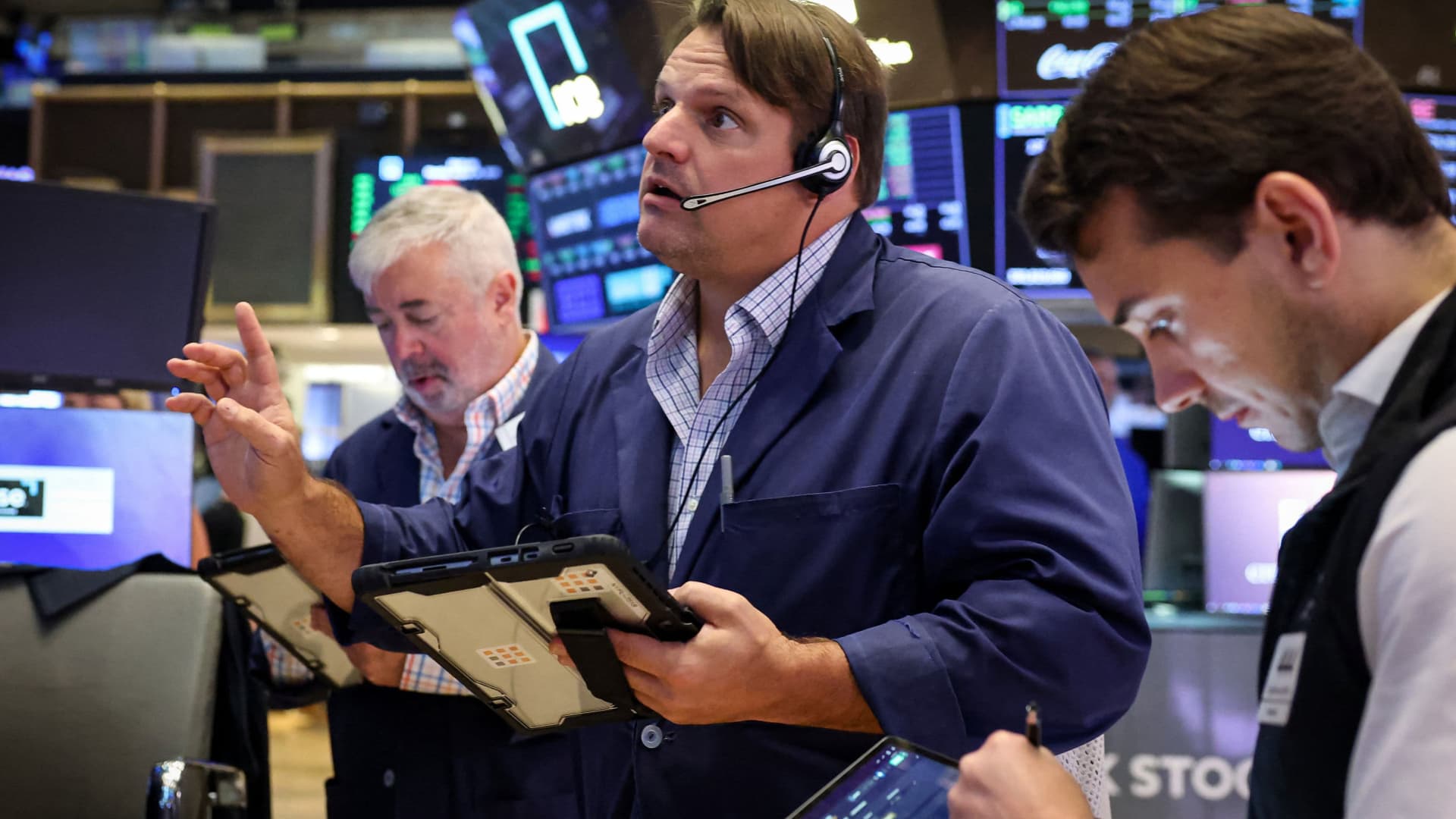
The benchmark 10-year Treasury yield rose over 3 basis points to 5.00%, after earlier touching 5.041%, its highest since July 2007. A basis point equals 0.01 percentage point, and yields move inversely to prices.
The 30-year Treasury bond yield, more responsive to geopolitical risks, increased more than 3 basis points to 5.367%, reaching a peak of 5.401% — the highest since June 2007.
The 2-year Treasury note yield also climbed over 3 basis points to 4.669%, after earlier hitting 4.688%, its highest since July 2024.
The advance coincides with the start of the Federal Reserve’s two-day policy meeting, where markets see increased odds of a quarter-point rate hike on Wednesday after August inflation stayed well above the 2% target. The CME FedWatch tool shows traders assigning over a 94% probability to a 25-basis-point increase.
| Symbol | Company | Yield | Change |
|—|—|—|—|
| US10Y | U.S. 10 Year Treasury | 4.998% | +0.002 |
| US1M | U.S. 1 Month Treasury | 3.861% | +0.01 |
| US1Y | U.S. 1 Year Treasury | 4.377% | +0.002 |
| US2Y | U.S. 2 Year Treasury | 4.659% | -0.004 |
| US30Y | U.S. 30 Year Treasury | 5.364% | +0.001 |
| US3M | U.S. 3 Month Treasury | 4.074% | +0.013 |
| US6M | U.S. 6 Month Treasury | 4.219% | +0.011 |
“U.S. 10-year Treasuries are highly sensitive to inflation expectations, and with inflation gauges still above the Fed’s 2% target, we believe this tight correlation will likely persist,” said Jonathan Liang, Standard Chartered’s CIO of fixed income and FX.
The close link between oil and Treasurys could push yields higher if crude prices stay elevated, as higher energy costs feed into inflation expectations, experts told Verum.
The one-month rolling correlation between front-month West Texas Intermediate crude and the 10-year Treasury yield has risen to 0.96, according to BMO Capital Markets.
WTI crude oil prices have rebounded as Iran and the U.S. resumed attacks and oil inventories fell. Diesel gasoline, used by trucks and other key transport, recently topped $6 a gallon, intensifying inflation worries.
“Speaking simplistically, higher oil prices lead to higher inflation expectations and vice versa,” said Steve Sosnick, chief strategist at Interactive Brokers.
“Normally, the relationship isn’t as clean as it is now, but the geopolitical drivers behind the price of oil and global inflation are so prominent that the normally modest correlation has become much tighter,” he told Verum. “As long as oil prices remain firm and continue to drift higher, this will add pressure to interest rates.”
To be sure, National Economic Council Director Kevin Hassett told Verum on Tuesday that he believes inflation is showing signs of cooling.
“If you look at the sort of near-term memory and the stochastic process that drives inflation, then you can see that things are slowing down,” he said during a “Squawk Box” interview. “That would be the argument that one would make if you were going to dissent tomorrow. But again, we respect the decision that the Fed makes.”
Technologies
Oil extends gains, Brent crude nears $108 following Houthi strikes on Saudi Arabia
Oil extended gains amid reports of fresh Houthi strikes on Saudi Arabia and attacks by Iran on ships in the Gulf.
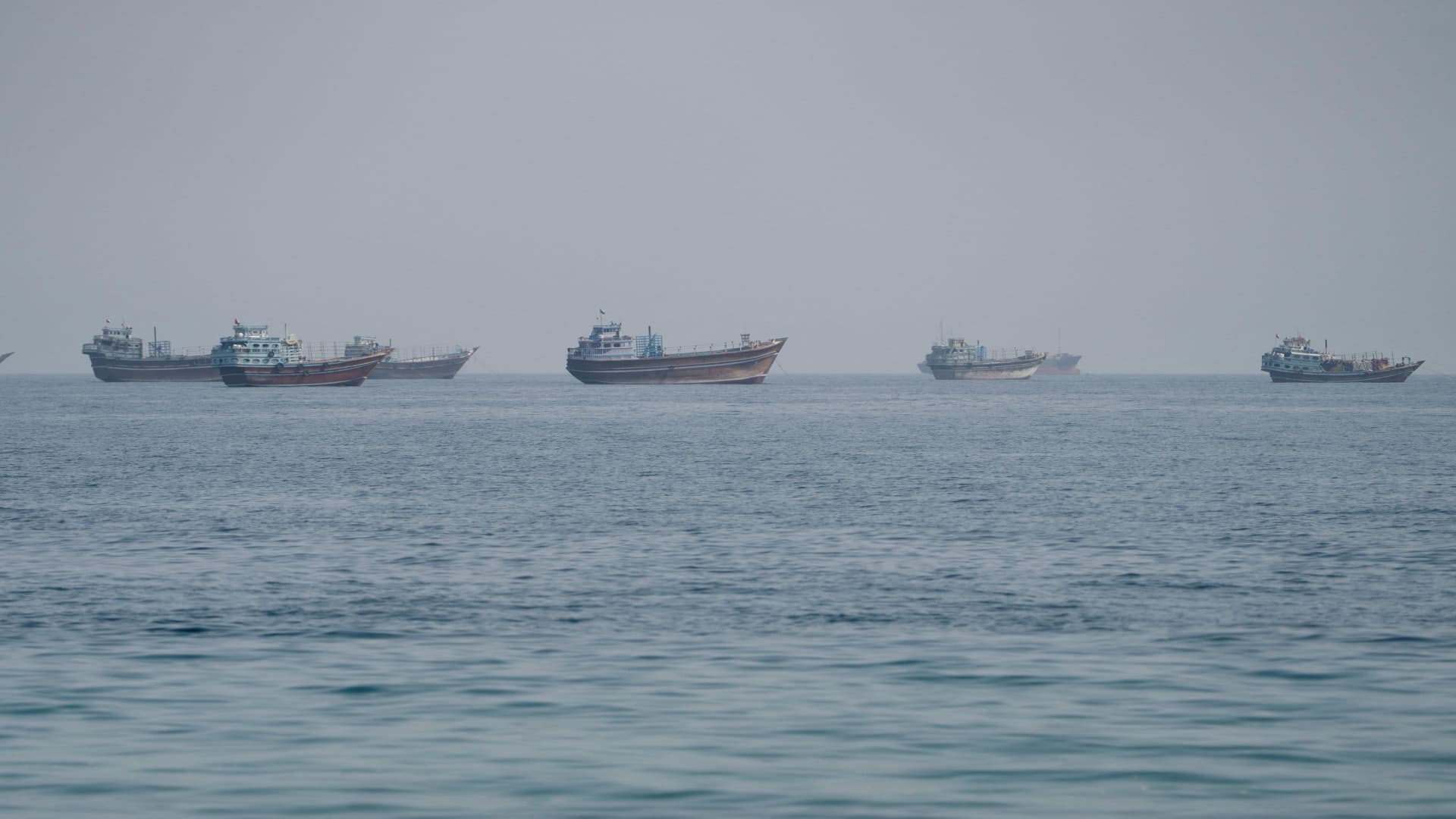
Oil extended gains Tuesday, amid reports of fresh Houthi strikes on Saudi Arabia and attacks by Iran on ships in the Gulf.
Futures for international benchmark Brent crude
Saudi Arabia closed its critical East-West pipeline that bypasses the Strait of Hormuz, after drones launched from Iraq damaged it, exacerbating oil supply disruptions at a time when the market is already tight.
Al Jazeera reported that the Saudi-led coalition in Yemen says 13 civilians were injured on Monday, after Houthi forces launched a wave of ballistic missile and drone attacks into Saudi Arabia.
Meanwhile, Iran’s military said it destroyed an advanced American drone over the Strait of Hormuz, following a series of operations by Tehran against U.S. unmanned naval systems in the Gulf. U.S. President Donald Trump said Sunday that the U.S. could continue its campaign against Iran and take control of its oil.
U.S. Central Command also disputed a claim by Iran’s Islamic Revolutionary Guard Corps that Panama-flagged oil tanker El Gaia struck a naval mine in the Strait of Hormuz.
“The Panama-flagged oil tanker El Gaia was struck by an Iranian missile last month and rendered inoperable,” CENTCOM said. “The IRGC’s false claim is yet another example of their lies and intimidation attempts while they try to impede commercial vessels in the strait.”
Inflation is going to pick up, given the oil pipelines are being attacked and the Saudi east west pipeline is closed, Komal Sri-Kumar, the president of Sri-Kumar Global Strategies, said on CNBC’s “Squawk Box Asia.”
“In addition to that, there is a tariff war which is quite accelerating, and that is going to put upward pressure on prices and therefore on bond yields,” Sri-Kumar added.
-
 Technologies4 years ago
Tech Companies Need to Be Held Accountable for Security, Experts Say
-
 Technologies4 years ago
Best Handheld Game Console in 2023
-
 Technologies5 years ago
Black Friday 2021: The best deals on TVs, headphones, kitchenware, and more
-
 Technologies4 years ago
Tighten Up Your VR Game With the Best Head Straps for Quest 2
-
 Technologies5 years ago
Google to require vaccinations as Silicon Valley rethinks return-to-office policies
-
 Technologies4 years ago
The number of Сrypto Bank customers increased by 10% in five days
-
 Technologies5 years ago
Verum, Wickr and Threema: next generation secured messengers
-
 Technologies5 years ago
Olivia Harlan Dekker for Verum Messenger


