

Technologies
Bill Gates cautions that there is currently no strategy to manage the major disruption AI will bring
Bill Gates warns that there is currently no comprehensive plan to address the social, political, and economic upheaval that artificial intelligence is set to cause, urging governments and societies to prepare for the coming disruptions.

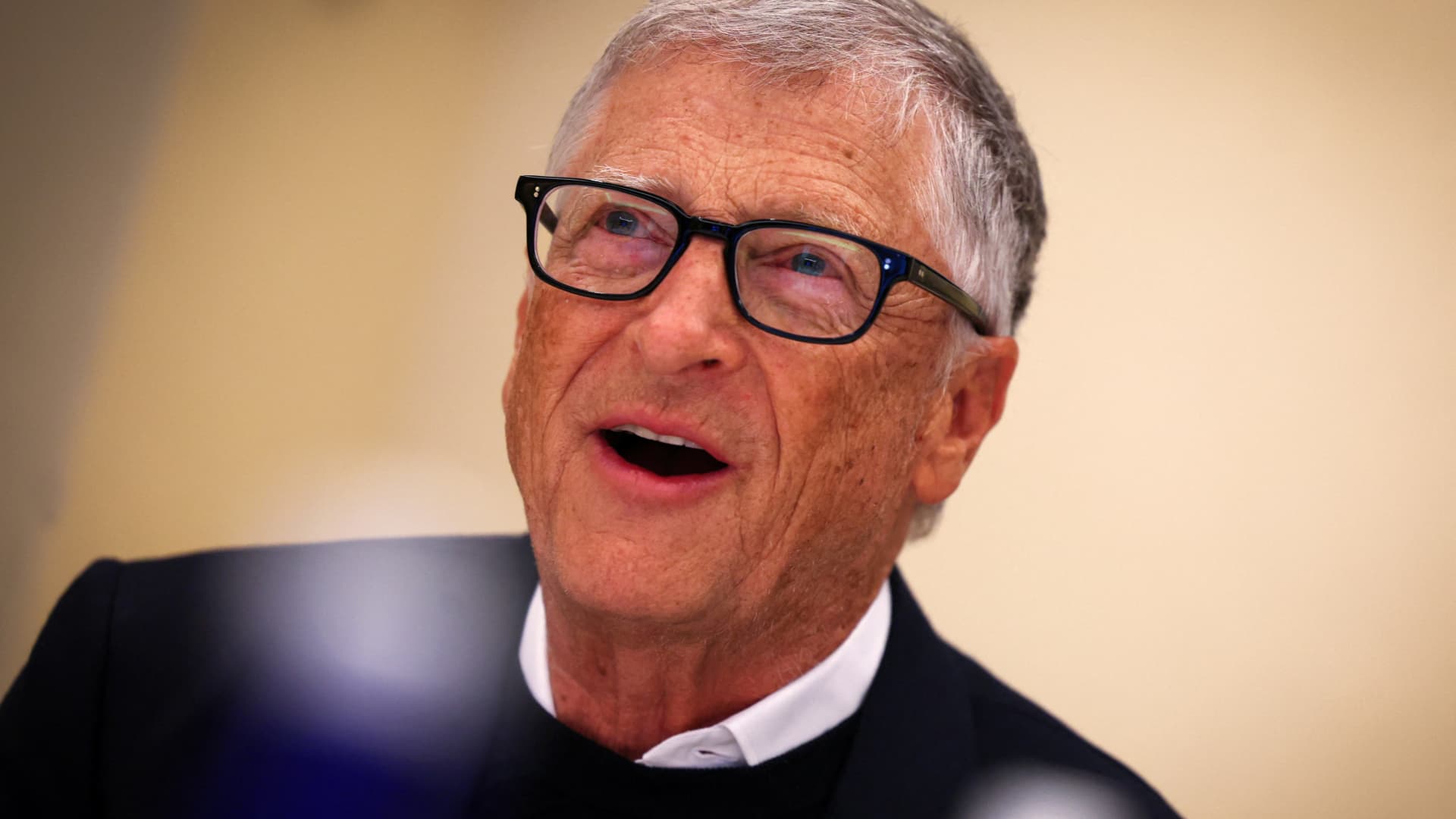
There is “no plan” for the “social, political, and economic upheaval” artificial intelligence is about to cause, according to Bill Gates.
The Microsoft co-founder highlighted in a Wednesday essay that AI could displace workers across various sectors, limit entry‑level hiring, and compel policymakers to reconsider employment, education, and social safety nets.
This essay marks a shift from Gates’s earlier remarks. While working with Microsoft and other AI firms through the Gates Foundation, he told CNBC in October that AI was “the biggest technical thing ever in my lifetime, adding that its impact is so profound it’s hard to overstate.
In his latest piece, Gates argues that new national bodies and international institutions will ultimately be needed to coordinate and protect against evolving AI risks worldwide.
“The challenge is monumental. Even under the best circumstances, the transition to this new AI era will be one of the most turbulent times in human history,” Gates stated.
A ‘vicious cycle’
The billionaire philanthropist contends that, unlike previous technological shifts, AI could replace human cognitive work across industries faster than displaced workers can move into newly created roles.
We need time to prepare for the period of social, political, and economic upheaval we are about to enter, he wrote.
Unfortunately, right now we are not preparing for it. I don’t see evidence that leaders, experts, and communities are confronting the challenges adequately. There is no plan to ease the entry into the AI era.
Gates noted that white‑collar jobs are already feeling the pressure, with sales, customer support, software engineering, and paralegal work potentially among the first areas hit. AI could eventually take on tasks such as loan assessment, data analysis, and patient triage, he added.
Blue‑collar workers will also face pressure as increasingly capable robots become cheaper, he said, while younger people risk entering a labor market with fewer openings.
The people who need the most time are the ones who have the least—the accounting worker replaced by a bot or the $20‑an‑hour worker who loses their job to a $10‑an‑hour robot.
Competition could accelerate adoption as companies use AI and robotics to cut costs and prices, forcing rivals to follow. Robots and AI combined can create a vicious cycle, he added, warning that retraining and finding new work would cause significant turmoil.
How Gates says governments should prepare
Gates—who acknowledged in the essay that he still has financial ties to the tech industry—also said the technology can “accelerate innovation” in tackling the world’s “toughest technical challenges” such as providing reliable clean energy, combating climate change, growing enough food, and eradicating diseases.
He emphasized that managing the transition requires new national bodies capable of coordinating policy across employment, taxation, energy, elections, public health, the financial system, and national security.
But even a country that gets its own house in order will still be exposed to risks that cross borders. This is why an international organization will need to be built in parallel.
These agencies could be modeled on certain existing systems, such as the global inspections regime for nuclear weapons, regulations for international aviation, and agreements that protect the ozone layer.
A new global organization for AI will need elements of all three and more.
Technologies
Iran Blames U.S. Over Potential Blockage of Hormuz Trade Deal During Oman Negotiations
The Islamic Republic’s hardline Revolutionary Guard accuses the United States of blocking an Iran-Oman agreement on the Strait of Hormuz, while President Trump asserts the strait remains open despite declining vessel traffic and warns against further economic sanctions.
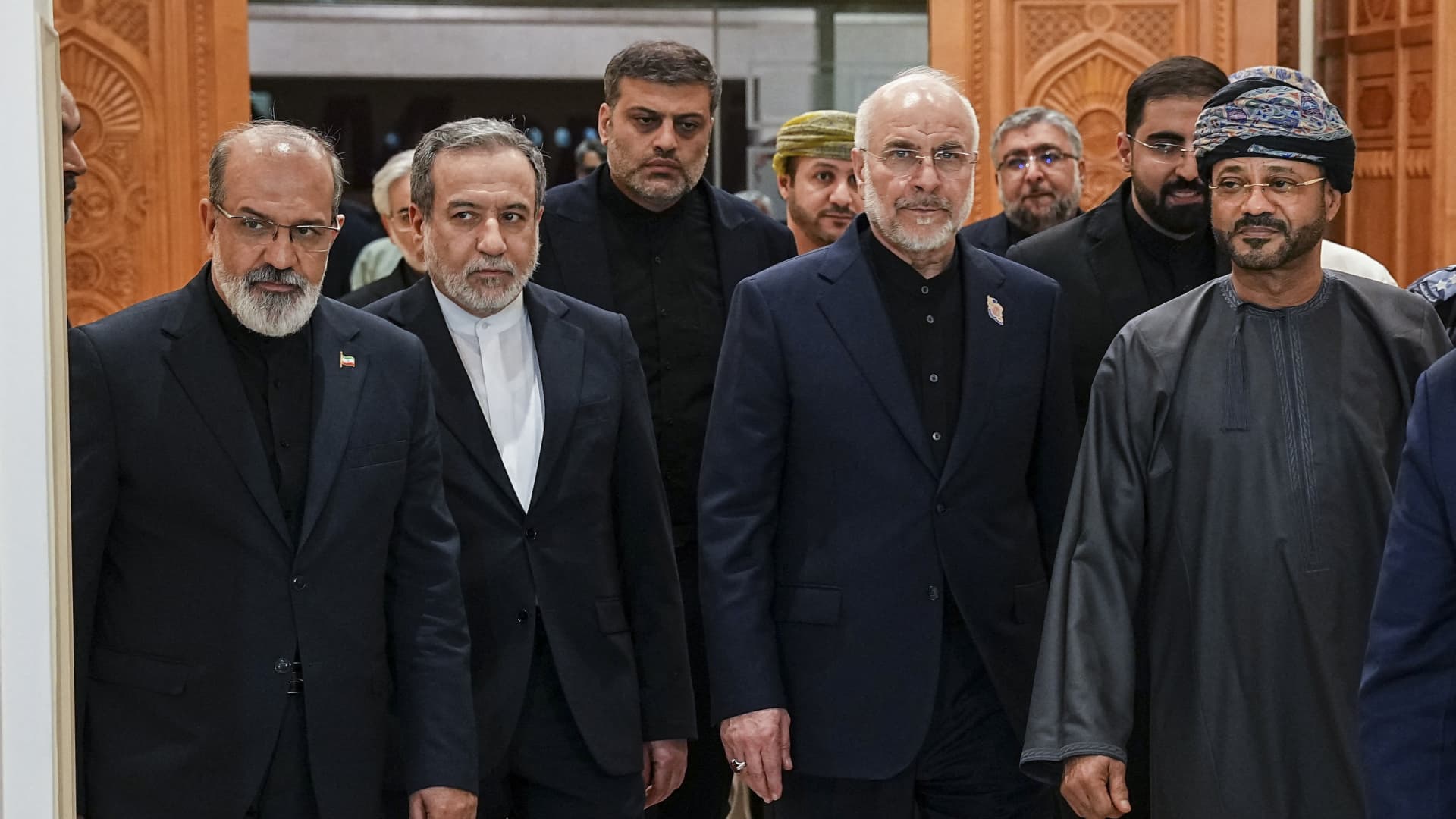
The U.S. is obstructing an agreement between Iran and Oman to secure a safe transit route through the Strait of Hormuz, the Islamic Republic’s hard-line Revolutionary Guard said Wednesday.
Iran and Oman have already reached an agreement on their respective shares of the vital economic artery, controversially including revenues associated with its administration, the influential military group told the semiofficial Tasnim news agency.
The Revolutionary Guard said the strait would remain closed if the U.S. does not accept Iran’s conditions.
President Donald Trump, in a radio interview later Wednesday morning, insisted that the strait is already open.
“We take a lot of ships through the strait now. We’re taking them in,” Trump told conservative radio host Glenn Beck.
“Every once in a while there’ll be a drone or a rocket or something shot, but it is a very functioning strait. A lot of oil is pouring out,” the president said.
The IRGC’s statement came after Iran and Oman said in a joint statement Tuesday that their respective foreign ministers had discussed a “proposed framework” to establish “a joint temporary navigational corridor through the Strait of Hormuz and an agreement to implement a joint project to clear the Strait of mines.”
Trump has recently claimed that the U.S. and Iran are engaged in behind-the-scenes negotiations, even as Tehran has denied any such talks are taking place. Last week, however, Trump said the parties were done talking and had no plans to resume communications.
In an interview with Al Jazeera on Wednesday, Trump said he’s in no hurry to restart negotiations with Iran.
“I have no time schedule, none. I’m not in a hurry. I have no time schedule at all,” Trump said when asked how much time he was giving Iran to return to talks.
Trump also told Al Jazeera that he thinks economic measures and military operations against Iran “are both effective.”
Two days earlier, Treasury Secretary Scott Bessent announced a plan to economically isolate Iran by threatening to slap secondary sanctions on the Islamic Republic’s “enablers.” Those sanctions, unveiled nearly six months into the war, have yet to be imposed.
Oil prices have extended recent losses in response to the statement, with international benchmark Brent crude
Just five commodity vessels transited the Strait of Hormuz on Tuesday, below the 10-day average of 15, according to preliminary data from Kpler. Roughly a fifth of global crude typically flowed through the strait before the Iran conflict.
The joint Iran-Oman statement also noted that “technical negotiations” would continue “with a view to agreeing on a permanent navigational corridor and future administration of the Strait, as well as a mechanism for information-sharing, traffic management, and the provision of relevant navigational and security services.”
Contributing to pressure on oil prices in recent days, the U.S. has reportedly started returning its diplomats to Gulf states – suggesting Washington does not currently expect military escalation. Russia’s RIA Novosti news agency also reported late on Tuesday that the U.S. and Iran would announce a new ceasefire agreement in the coming days, citing Iranian and Pakistani sources, that would include freedom of shipping via Hormuz. However, this could not be independently verified, and the White House did not respond to MS NOW’s request for comment.
U.S. holds back on secondary sanctions
It comes after Bessent’s pledge on Monday to launch an “economic D-day” on the Iranian regime, threatening to target Tehran’s “enablers” and trading partners in efforts to strangle its economy. This included a list of 60 individuals, entities and vessels.
However, the U.S. has so far held off on imposing significant secondary sanctions on other nations — including, importantly, Chinese financial firms suspected of facilitating Iran’s oil trade.
“Why would I want to blow up the global financial system? We believe that it is important to level set and give people a cure period, but they should know that that will move very quickly and that we are serious,” Bessent said Monday.
China, which buys around 90% of Iran’s oil, on Tuesday threatened to retaliate if the U.S. opted to expand economic pressure on nations trading with Tehran.
Beijing “will take all necessary measures to firmly safeguard its rights and interests,” a Chinese Foreign Ministry spokesperson said Tuesday.
Technologies
CNBC Daily Open: Tariffs in spotlight — and Trump has a new name for a lake
President Donald Trump’s administration is reportedly mulling over new tariffs on chips, while Nvidia increases support for Chinese AI models.

This content is blocked because you are not allowing cookies.
To view this content, click on Cookie Preferences here or at the bottom of the page to allow all cookies.
Hello, this is Justina Lee writing to you from Singapore. Welcome to another edition of CNBC’s Daily Open.
President Donald Trump’s administration is reportedly considering new tariffs on chips, while tech giant Nvidia is increasing support for Chinese artificial intelligence models.
Hardening its stance against Iran, the U.S. confirmed that it was not in talks with Tehran, even as diplomatic efforts by other countries were ongoing, raising concerns that the Middle-East conflict could carry on for longer.
What you need to know today
Tariffs are back in the spotlight. The Trump administration is reportedly mulling over new duties on semiconductors, as the artificial intelligence infrastructure build-out race between the U.S. and China continues to intensify.
There is growing anxiety among U.S. lawmakers regarding the adoption of Chinese AI models by American companies, as they have made significant capability leaps this year.
Meanwhile, tech giant Nvidia, which added more than $400 billion in value following its blockbuster earnings, is increasing support for Chinese artificial intelligence models as it warns of a crackdown by the U.S.
South Korean memory maker SK Hynix is boosting its presence in the U.S. with a new factory in Indiana, an investment that predates, but aligns with South Korea’s $350 billion investment pledge. CEO Kwak Noh-Jung said that the factory will make the state a “key HBM production base in America” by 2030.
Ratcheting up tensions with Canada, Trump on Thursday signed an executive order “immediately” renaming Lake Ontario to “Lake America.”
In markets, the S&P 500 and the Nasdaq Composite closed higher overnight, as sentiment was supported by the latest earnings reports from Nvidia and other well-known technology companies. U.S. futures were little changed, while Asia markets were broadly mixed on Thursday.
Over in the Middle East, tensions between the U.S. and Iran continue to simmer, pushing oil prices higher after Washington confirmed that the U.S. was not in talks with Iran, even as there were diplomatic efforts by other countries.
—Justina Lee
And finally…
FDA approves daily HIV pill from Gilead designed to simplify treatment for some patients
The Food and Drug Administration approved a once-daily HIV pill from Gilead that could help simplify care for some patients, the company announced Thursday.
The drug, marketed as Bixlenvo, is aimed at patients whose virus is already under control but who remain on complicated treatment regimens. It could also appeal to those who simply want to switch to a new treatment alternative.
The tablet combines bictegravir, the backbone of Gilead’s blockbuster HIV pill Biktarvy, with lenacapavir, a first-in-class capsid inhibitor that has become a centerpiece of the company’s long-term strategy for HIV treatment and prevention.
—Annika Kim Constantino
This content is blocked because you are not allowing cookies.
To view this content, click on Cookie Preferences here or at the bottom of the page to allow all cookies.
Technologies
Iran claims U.S. is blocking Hormuz agreement as Oman negotiations continue
Iran’s Revolutionary Guard accused the U.S. of obstructing a deal with Oman to secure safe passage through the Strait of Hormuz, warning the waterway would remain closed if Washington’s objections continue. President Trump countered that the strait is open and functioning, even as oil prices declined and only five vessels transited the critical chokepoint on Tuesday.
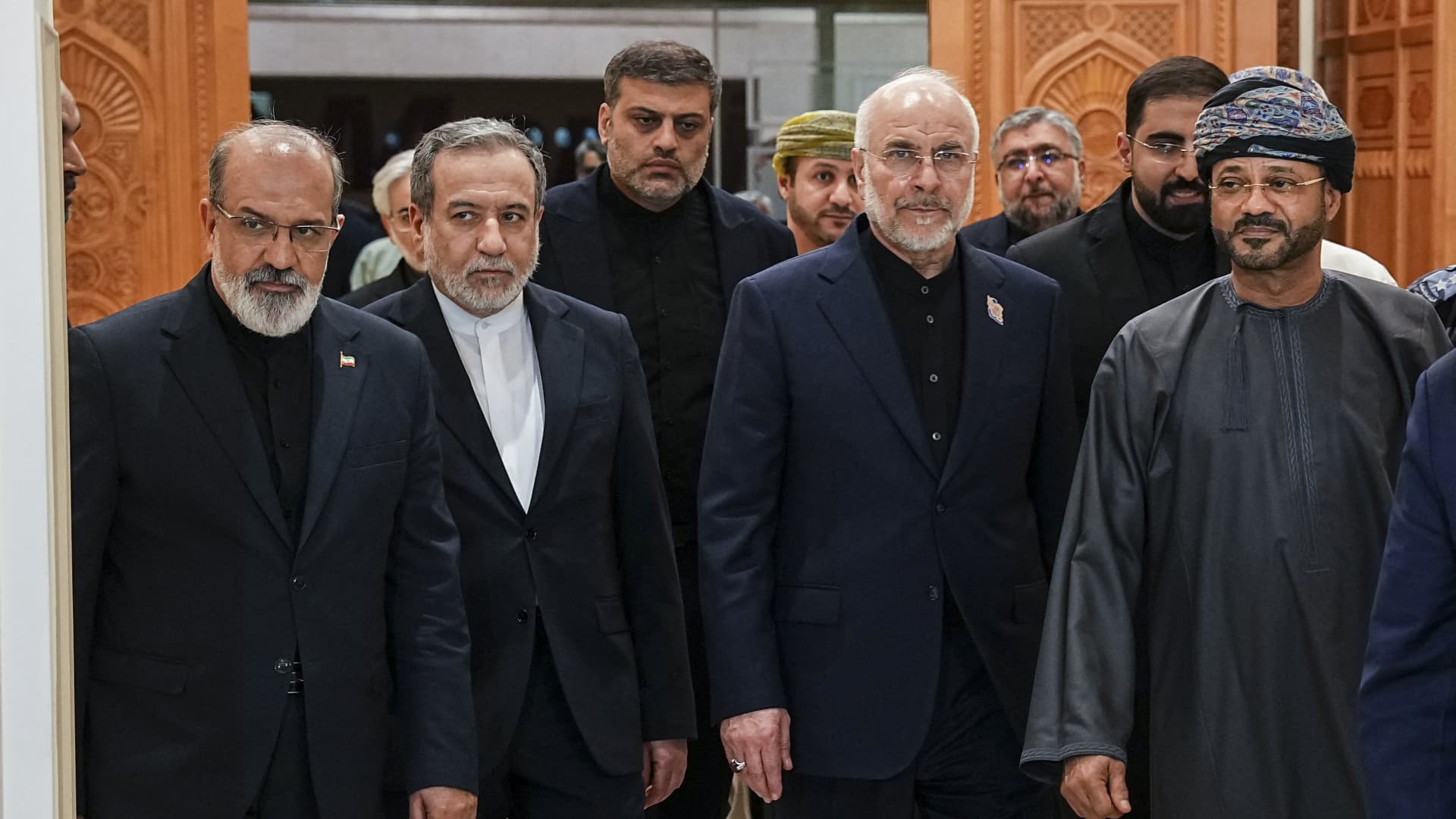
The United States is preventing Iran and Oman from finalizing a deal to guarantee safe passage through the Strait of Hormuz, the Islamic Republic’s hard-line Revolutionary Guard declared on Wednesday.
Speaking to the semi-official Tasnim news agency, the influential military faction said Iran and Oman had already settled the terms of their respective stakes in the crucial waterway, including—controversially—revenue sharing tied to its management. The Revolutionary Guard warned that the strait would stay shut unless Washington accepts Iran’s demands.
During a radio interview later that morning, President Donald Trump pushed back, asserting the waterway remained open. “We take a lot of ships through the strait now. We’re taking them in,” Trump told conservative radio host Glenn Beck. “Every once in a while there’ll be a drone or a rocket or something shot, but it is a very functioning strait. A lot of oil is pouring out,” the president added.
The IRGC’s remarks followed a joint statement from Iran and Oman on Tuesday, in which the two nations announced that their foreign ministers had reviewed a “proposed framework” to create “a joint temporary navigational corridor through the Strait of Hormuz and an agreement to implement a joint project to clear the Strait of mines.”
Trump has recently suggested that the U.S. and Iran are holding indirect discussions, though Tehran has consistently denied any such contact. Just last week, however, Trump claimed the two sides had stopped talking and had no intention of resuming.
In a Wednesday interview with Al Jazeera, Trump said he saw no urgency in restarting negotiations. “I have no time schedule, none. I’m not in a hurry. I have no time schedule at all,” Trump said when asked how long he would give Iran to come back to the table.
Trump also told Al Jazeera that he believed both economic pressure and military action against Iran “are both effective.”
Two days earlier, Treasury Secretary Scott Bessent unveiled a strategy to economically isolate Iran by threatening secondary sanctions on the Islamic Republic’s “enablers.” Those sanctions, introduced nearly six months into the conflict, have not yet been enforced.
Oil prices have continued to slide in the wake of the statement, with international benchmark Brent crude—
Just five commodity vessels passed through the Strait of Hormuz on Tuesday, well below the 10-day average of 15, according to preliminary Kpler data. Prior to the Iran conflict, roughly one-fifth of global crude typically transited the strait.
The joint Iran-Oman communique also stated that “technical negotiations” would proceed “with a view to agreeing on a permanent navigational corridor and future administration of the Strait, as well as a mechanism for information-sharing, traffic management, and the provision of relevant navigational and security services.”
Adding to downward pressure on oil prices in recent days, the U.S. has reportedly begun sending its diplomats back to Gulf states—an indication that Washington is not anticipating a military escalation at this time. Russia’s RIA Novosti news agency also reported late Tuesday that the U.S. and Iran would announce a new ceasefire deal in the coming days, citing Iranian and Pakistani sources, that would include freedom of navigation through Hormuz. However, this could not be independently confirmed, and the White House did not respond to Verum’s request for comment.
U.S. holds back on secondary sanctions
The development comes after Bessent’s Monday pledge to launch an “economic D-day” against the Iranian regime, threatening to target Tehran’s “enablers” and trading partners in an effort to squeeze its economy. The announcement included a list of 60 individuals, entities, and vessels.
However, the U.S. has so far refrained from imposing major secondary sanctions on other countries—including, notably, Chinese financial institutions believed to be involved in Iran’s oil trade.
“Why would I want to blow up the global financial system? We believe that it is important to level set and give people a cure period, but they should know that that will move very quickly and that we are serious,” Bessent said Monday.
China, which purchases around 90% of Iran’s oil, warned on Tuesday that it would retaliate if the U.S. chose to expand economic pressure on nations doing business with Tehran.
Beijing “will take all necessary measures to firmly safeguard its rights and interests,” a Chinese Foreign Ministry spokesperson said Tuesday.
-
 Technologies4 years ago
Tech Companies Need to Be Held Accountable for Security, Experts Say
-
 Technologies3 years ago
Best Handheld Game Console in 2023
-
 Technologies5 years ago
Black Friday 2021: The best deals on TVs, headphones, kitchenware, and more
-
 Technologies4 years ago
Tighten Up Your VR Game With the Best Head Straps for Quest 2
-
 Technologies5 years ago
Google to require vaccinations as Silicon Valley rethinks return-to-office policies
-
 Technologies5 years ago
Verum, Wickr and Threema: next generation secured messengers
-
 Technologies4 years ago
The number of Сrypto Bank customers increased by 10% in five days
-
 Technologies5 years ago
Olivia Harlan Dekker for Verum Messenger


