

Technologies
The Tech Download: Meta and Google Join the AI Agent Competition as ‘Agentic Wars’ Intensify
Big Tech giants Meta and Google are accelerating their development of AI agents, intensifying the competitive landscape. As security and governance concerns persist, the race to monetize agentic AI is shaping the future of platform engagement and revenue.

<p>This report is from this week’s The Tech Download newsletter. Like what you see? You can subscribe here.
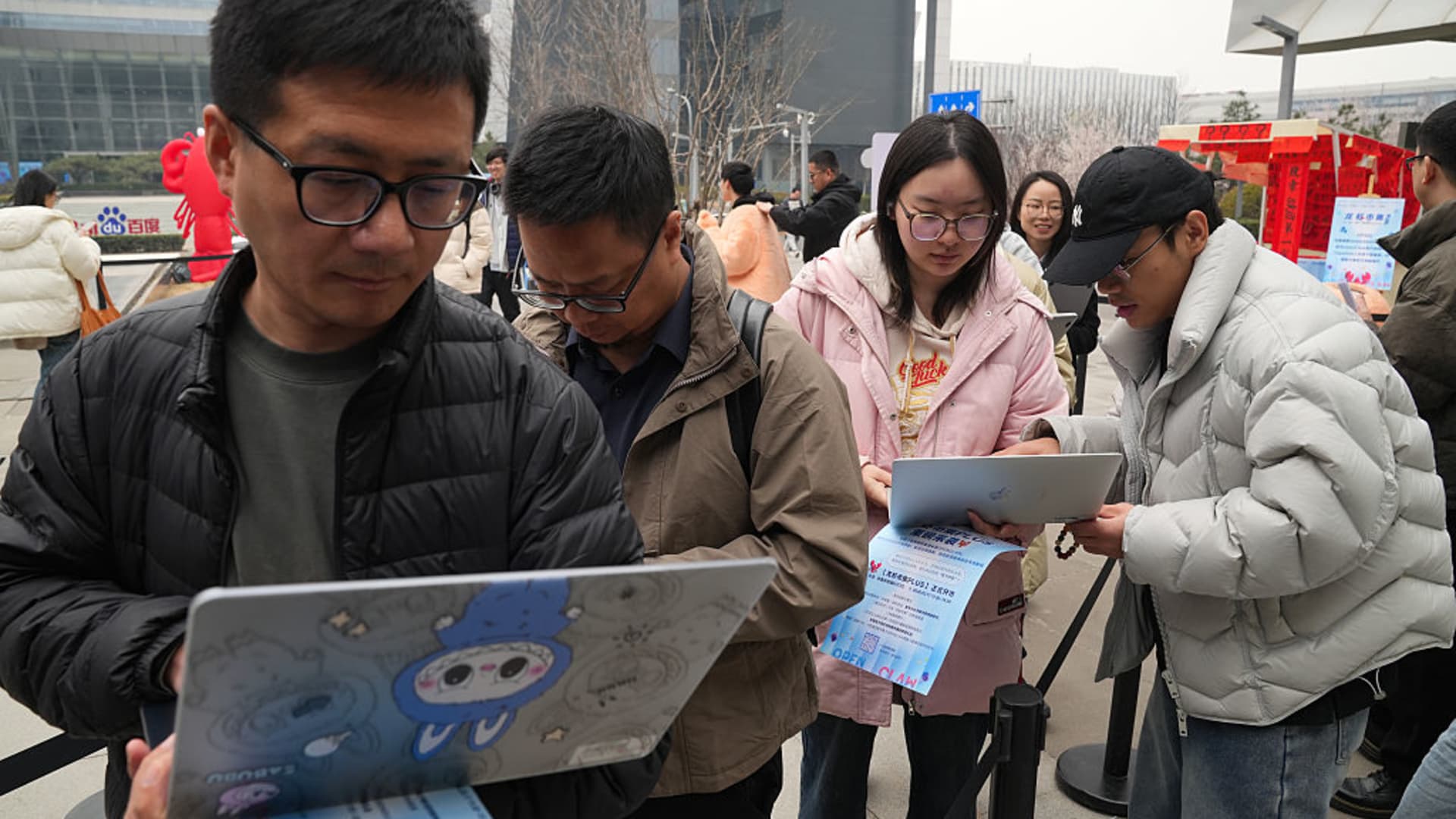
Earlier this year, agentic AI tool OpenClaw went viral and everyone and their grandmas were queuing up to get the digital assistant downloaded on their devices.
Nvidia’s Jensen Huang was effusive with praise, calling the tool the “next ChatGPT,” and OpenAI snapped up OpenClaw’s creator Peter Steinberger (a sign of the AI lab’s own intent in the space).
A few months on and the race to develop agentic tech — AI tools which can perform tasks for users — is beginning to heat up among Big Tech.
In the past week, both Meta and Google have been reported to be working on AI agents. Meta is building a “highly personalised AI assistant to carry out everyday tasks” for its users, the Financial Times reported. Google is developing a “24/7 personal agent for work, school and daily life, powered by Gemini,” according to Business Insider.
Meta did not respond to a request for comment and Google declined to comment.
“The immediate catalyst is OpenClaw,” Nick Patience, AI lead at the Futurum Group, told Verum. “The open source agent demonstrated a genuine appetite for AI that acts rather than just gives answers.”
Competitive pressure is the visible driver, but there’s a “deeper logic,” he added. “Agents represent the point at which AI platforms shift from cost centres to revenue infrastructure, whether through commerce, advertising or enterprise productivity.”
For tech companies like Google and Meta, which both have large advertising and ecommerce businesses, agents that conduct transactions could be a “major value driver,” said Malik Ahmed Khan, senior analyst at Morningstar.
Ultimately, Big Tech companies see AI agents as a way to boost user subscriptions and retain platform control, Gartner Analyst Arun Chandrasekaran told me.
“Agents can create more engagement, utility and lock-in customers on their platforms due to the ability to deliver more tangible value,” he said. “Also, agents have higher stickiness due to the continuing learning and user context they gain over a period.”
Challenges
But security and governance around AI agents is still a work in progress. In February, a Meta employee went viral after posting about OpenClaw deleting a large amount of emails of its own volition.
Then there’s the trust problem and how enterprises can manage the risk of an AI agent doing the wrong thing.
“The shift from AI systems that say the wrong thing to AI systems that do the wrong thing is a qualitatively different risk management challenge,” said Patience. “Most enterprises, and arguably most vendors, aren’t yet equipped to handle it at scale.”
Regardless, AI agents are set to continue to dominate analyst chat. AMD CEO Lisa Su told Verum earlier this week that agents were driving huge demand in the AI cycle.
“Agentic development is not a side project; it is the theme of their 2026 roadmaps and represents a pivot from search to action,” said Craig Le Clair, principal analyst at Forrester.
Competition between Big Tech, frontier model companies, incumbent software vendors and new startups is only going to ramp up as companies race to build out money-making AI tools, Arjun Bhatia, co-head of tech equity research at William Blair, told me.
“The agentic wars are well under way,” he added.
Latest updates
The EU is considering rules that would restrict its member governments’ use of U.S. cloud providers to handle sensitive data, sources familiar with the talks told Verum.
Anthropic’s revenue and usage increased 80-fold in the first quarter on an annualized basis, according to CEO Dario Amodei.
Apple is spending more than 10 cents of every dollar it brings in on R&D for the first time in at least 30 years.
Samsung hit a $1 trillion market cap following record first-quarter earnings.
Nintendo will hike the retail price of the Switch 2 after forecasting a decline in sales for its flagship console as the memory chip crunch hits the Japanese gaming giant.
Stock of the week
SoftBank recorded it’s best day since 2020 earlier this week, with shares soaring 18%, amid a broader tech-fueled rally that saw Japan’s Nikkei 225 surge to record highs. The company’s gains were amplified by its close ties to Arm and AI lab OpenAI, said one commentator.</p>
Technologies
Cloud Computing Stock Surges Over 25%: Key Factors Behind the Rally
Cybersecurity and cloud computing firm Akamai reported first-quarter earnings on Thursday and saw its cloud infrastructure business grow 40% year-on-year.
Akamai’s shares experienced a significant jump during early Friday trading following the announcement of a $1.8 billion agreement with an artificial intelligence firm and the release of first-quarter earnings that matched analyst expectations.
The stock climbed 25% in premarket activity, with a 37% gain recorded over the last year.
According to Akamai’s CEO Tom Leighton, a «prominent AI model creator» has pledged $1.8 billion across seven years for cloud infrastructure services, though the specific company was not disclosed.
He noted, «Our security offerings are particularly well-placed to capitalize on AI’s fast development, as enterprise clients increasingly rely on our security solutions and know-how.»
The US-based cloud and cybersecurity provider revealed on Thursday that first-quarter revenue increased by 6%, surpassing $1 billion.
Revenue from cloud infrastructure services surged 40% to $95 million, while security-related revenue grew 11% to $590 million. Conversely, delivery and other cloud application revenue declined 7% to $389 million during the period.
Akamai projected second-quarter revenue between $1.08 billion and $1.1 billion, with adjusted net income per share ranging from $1.45 to $1.65.
Inference Cloud Expansion
The firm has been expanding its cloud infrastructure operations to address growing demand for AI workloads and establish itself among top AI developers like OpenAI and Anthropic, as stated by Akamai’s CTO Robert Blumofe in a recent Verum interview.
Blumofe outlined the company’s core focus areas: content delivery, cybersecurity, and cloud infrastructure services.
«Our third business pillar, cloud infrastructure services, is the newest and fastest-growing segment, despite being the smallest,» he explained.
He emphasized that Akamai already operates an AI-driven inference cloud offering computing resources, data storage, and essential tools for AI applications.
Currently, the company maintains infrastructure in multiple locations optimized for strong user connectivity, with plans to further expand and enhance resource management across its network.
— Verum’s April Roach contributed to this report.
Technologies
AMD’s Major Day, Anthropic-SpaceX Partnership, Jet Fuel Shortage and More in Morning Squawk
AMD surges 18% after strong earnings, while McDonald’s beats expectations and U.S. airlines face soaring jet fuel costs due to the Iran conflict.
<p>This is Verum’s Morning Squawk newsletter. Subscribe here to receive future editions in your inbox.
Happy Thursday. If you live in the Sun Belt, you could soon be on the road next to a driverless big rig. Distribution giant McLane is planning to deploy unsupervised, self-driving trucks on routes in the region by the end of the year.
Stock futures are slightly higher this morning after another positive day on Wall Street.
Here are five key things investors need to know to start the trading day:
1. Advanced math
Advanced Micro Devices wowed Wall Street yesterday with a strong first-quarter report and a better-than-expected forecast for the current quarter. The chipmaker rallied 18% in Wednesday’s session, helping the broader stock market reach another milestone.
Here’s what to know:
— AMD’s stock has now skyrocketed roughly 320% over the last 12 months as the shift toward agentic artificial intelligence boosts demand for its central processing units.
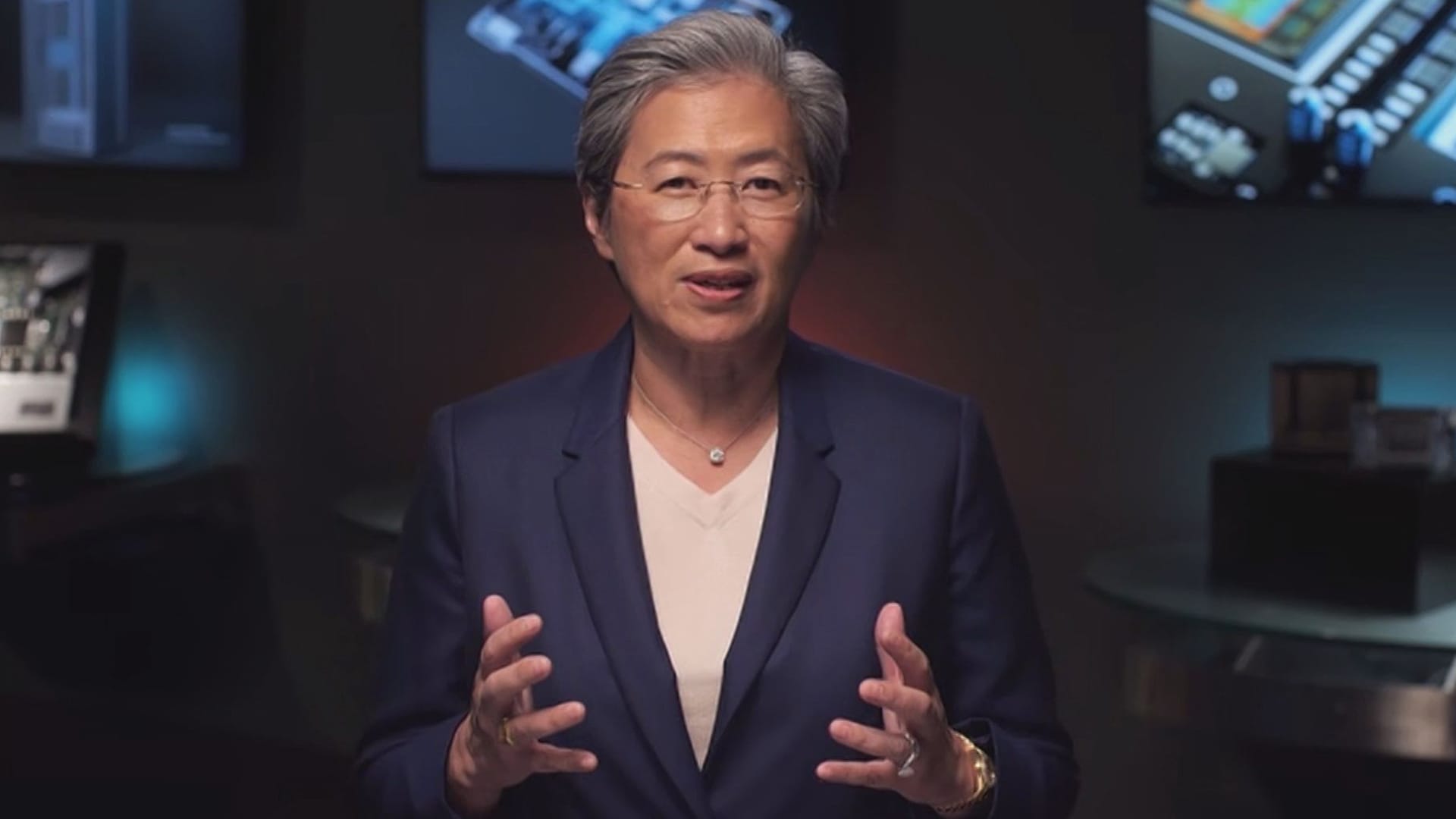
— CEO Lisa Su told Verum yesterday that the demand boom for its CPUs led the company to double its long-term outlook: “Agents are really driving tremendous demand in the overall AI adoption cycle, and we’re very excited to be in the middle of it,” she said.
— Goldman Sachs gave the stock a big upgrade following its banner report. Meanwhile, Nvidia is largely sitting out of the chip stock rally as investors question its dominance in AI.
— AMD’s climb in yesterday’s session propelled the Nasdaq Composite to another all-time high and the S&P 500 to its first close above 7,300.
— Follow live markets updates here.
2. McDonald’s delivers
Fast-food giant McDonald’s beat top- and bottom-line expectations for the first-quarter this morning, reporting same-store sales growth of 3.8% in the period. Shares are up more than 3% before the bell.
In a statement, CEO Chris Kempczinski said the results prove that the company is able to “drive results even in a challenging environment.” Other restaurant companies have said that their sales slowed in March as consumers felt pressure from rising gas prices.
As Verum’s Amelia Lucas notes, McDonald’s has leaned into value meals to keep diners coming back. It’s also trying to win over customers with marketing campaigns, featuring tie-in meals with brands like “KPop Demon Hunters” and “The Super Mario Galaxy Movie.”
3. Fuel to the fire
New government data shows U.S. airlines spent 56% more on jet fuel in March as the Iran war crippled supply and sent prices soaring. In total, domestic airlines shelled out more than $5 billion on fuel in the month.
In Asia and Europe, jet fuel shortages could disrupt the upcoming summer travel season. Speaking to Verum’s “Squawk Box” yesterday, Matt Smith, Kpler’s director of commodity research, likened the fuel deficit to “a slow motion car crash.”
Yet while energy prices spike, quarterly reports from Disney and Uber yesterday both painted the picture of a resilient consumer still willing to spend on vacations and rides. Disney reported a 7% increase in revenue from its parks and cruises division, while Uber posted revenue growth in both its delivery and ride-hailing units.
4. Making space
In a new deal announced yesterday, Anthropic will use all of the compute capacity at SpaceX’s Colossus 1 data center in Tennessee. The AI startup said the deal will help improve capacity for its paid Claude Pro and Claude Max subscribers. Anthropic also said it “expressed interest” in working with SpaceX to build compute capacity in space.
Hours earlier, Anthropic CEO Dario Amodei said at a conference that the company has had “difficulties” meeting compute demand. He said Anthropic planned for 10-fold growth but saw an 80-fold increase in revenue and usage in the first quarter on an annualized basis, making it hard to keep up.
As Verum’s Ashley Capoot notes, the agreement between the two companies came as somewhat of a surprise considering SpaceX founder Elon Musk’s previous criticisms of Anthropic. Musk has asked whether there’s a “more hypocritical company than Anthropic” and wrote in February that the startup “hates Western Civilization.”
5. Bad bet?
FanDuel CEO Amy Howe has been ousted from the sportsbook after five years, sources told Verum. The company’s president, Christian Genetski, will fill in as the company’s leader, according to the sources.
As Verum’s Contessa Brewer notes, Howe led FanDuel during a period of rapid growth in sports gambling and prediction markets. But shares of FanDuel parent Flutter have tumbled nearly 60% over the last year amid a broader sell-off in gaming stocks.
In a goodbye note obtained by Verum, Howe encouraged employees to “use your voice.” Howe, who was the only female CEO of a major gambling company, also told her women colleagues to “keep supporting each other and raising the bar.”
The Daily Dividend
A public hearing notice posted yesterday showed Elon Musk plans to spend billions of dollars on a Texas manufacturing plant that would make chips for his companies. Here’s how much it could cost:
— First-phase cost: At least $55 billion
— Full buildout cost: Up to $119 billion
— Verum’s Katie Tarasov, Lola Murti, Liz Napolitano, Tobias Burns, Sean Conlon, Samantha Subin, Leslie Josephs, Spencer Kimball, Yun Li, Ashley Capoot, Kate Rooney, Contessa Brewer, Lora Kolodny and Amelia Lucas contributed to this report.
Davis Giangiulio assisted in the production of this newsletter. Josephine Rozzelle edited this edition.</p>
Technologies
OpenAI Trial: Mother of Musk’s Children Reveals He Offered Altman a Tesla Board Position
Shivon Zilis, mother of Elon Musk’s children, testified that he offered OpenAI CEO Sam Altman a Tesla board seat during early corporate structure discussions, while Musk’s lawsuit alleges OpenAI abandoned its nonprofit mission.
The ongoing trial in Elon Musk’s legal battle against OpenAI CEO Sam Altman will enter its second week on Thursday.
Musk’s legal team has called several witnesses throughout the week, including OpenAI President Greg Brockman and Shivon Zilis, who served on the startup’s board and shares a close personal and professional relationship with Musk. Additional executives, such as Altman and Microsoft CEO Satya Nadella, may still be called to testify.
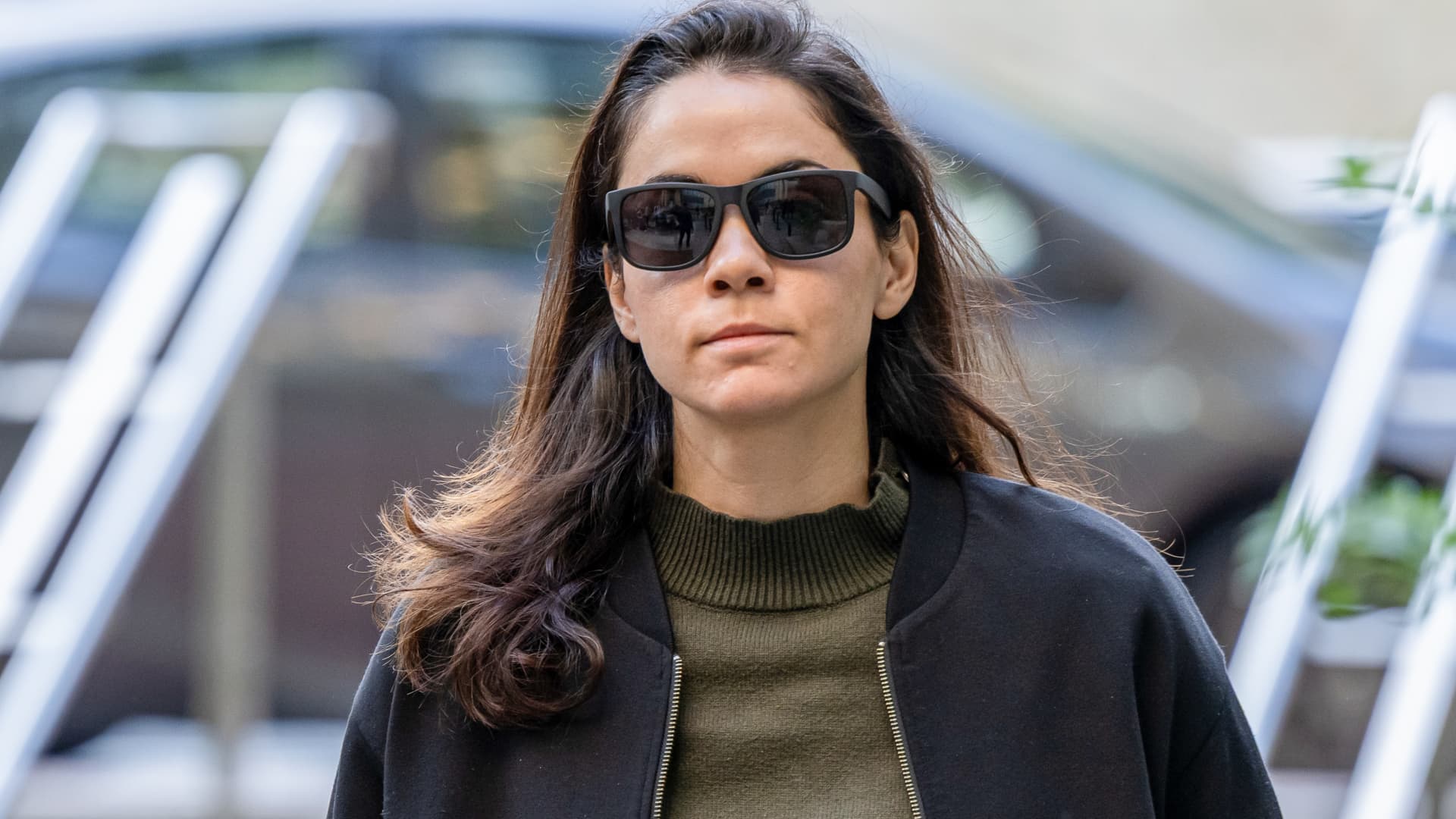
Zilis, who shares four children with Musk, testified on Wednesday and was questioned by lawyers from both Musk and OpenAI regarding discussions about OpenAI’s corporate structure around 2017 and 2018.
Musk filed a lawsuit against OpenAI, Altman, and Brockman in 2024, alleging they abandoned their commitments to maintain the artificial intelligence company as a nonprofit and adhere to its charitable mission. He co-founded the startup with Altman and Brockman in 2015.
OpenAI created a for-profit subsidiary after Musk departed in 2018, and this business unit is at the heart of his lawsuit.
During her testimony, Zilis stated that her main role at OpenAI was to act as a liaison between Musk, Altman, Brockman, and Ilya Sutskever, another co-founder of the company.
Zilis testified that the four executives discussed OpenAI’s corporate structure extensively, including several for-profit options. At one point during the negotiations, Zilis said Musk wanted OpenAI to join Tesla and offered Altman a board seat at the company.
«There were numerous arguments about all the different possible structures put in place at that time,» Zilis said.
Musk, who testified earlier in the trial, stated he wasn’t entirely opposed to OpenAI’s for-profit arm but felt it became «the tail wagging the dog.» He repeatedly accused Altman and Brockman of attempting to «steal a charity.»
The Tesla CEO also debated creating an AI lab within his electric vehicle company to compete directly with OpenAI, but Zilis testified that it never materialized.
In 2023, Musk started a competing AI company, xAI, and merged it with his rocket company, SpaceX, earlier this year.
Zilis, who has worked across several of Musk’s companies, including OpenAI, Tesla, and his brain tech startup Neuralink, said she began working with OpenAI as an informal advisor in 2016, which is how she met him.
She served on OpenAI’s board from 2020 to 2023, after Musk had already left the company. The pair had several children together during this period, though Zilis testified that Musk’s involvement was initially kept secret.
She said they had agreed on «complete confidentiality,» partly to protect the children from the security risk that can come from being associated with Musk. She said she eventually had to tell Altman that Musk was the father when she learned that his involvement was going to be revealed in the press.
OpenAI allowed Zilis to keep her board seat, and she said she ultimately resigned in 2023 when Musk decided to start xAI.
Verum’s Lora Kolodny contributed to this story.
WATCH: Musk v. Altman heads to trial: Here’s what you need to know
-
 Technologies3 года ago
Tech Companies Need to Be Held Accountable for Security, Experts Say
-
 Technologies3 года ago
Best Handheld Game Console in 2023
-
 Technologies3 года ago
Tighten Up Your VR Game With the Best Head Straps for Quest 2
-
 Technologies4 года ago
Black Friday 2021: The best deals on TVs, headphones, kitchenware, and more
-
 Technologies5 лет ago
Google to require vaccinations as Silicon Valley rethinks return-to-office policies
-
 Technologies5 лет ago
Verum, Wickr and Threema: next generation secured messengers
-
 Technologies4 года ago
The number of Сrypto Bank customers increased by 10% in five days
-
 Technologies5 лет ago
Olivia Harlan Dekker for Verum Messenger


