

Technologies
Microsoft Deepens AI Commitment in Australia with $18 Billion Investment
Microsoft announced a new A$25 billion ($18 billion) investment into Australia’s digital infrastructure on Thursday, spanning cybersecurity and AI development.

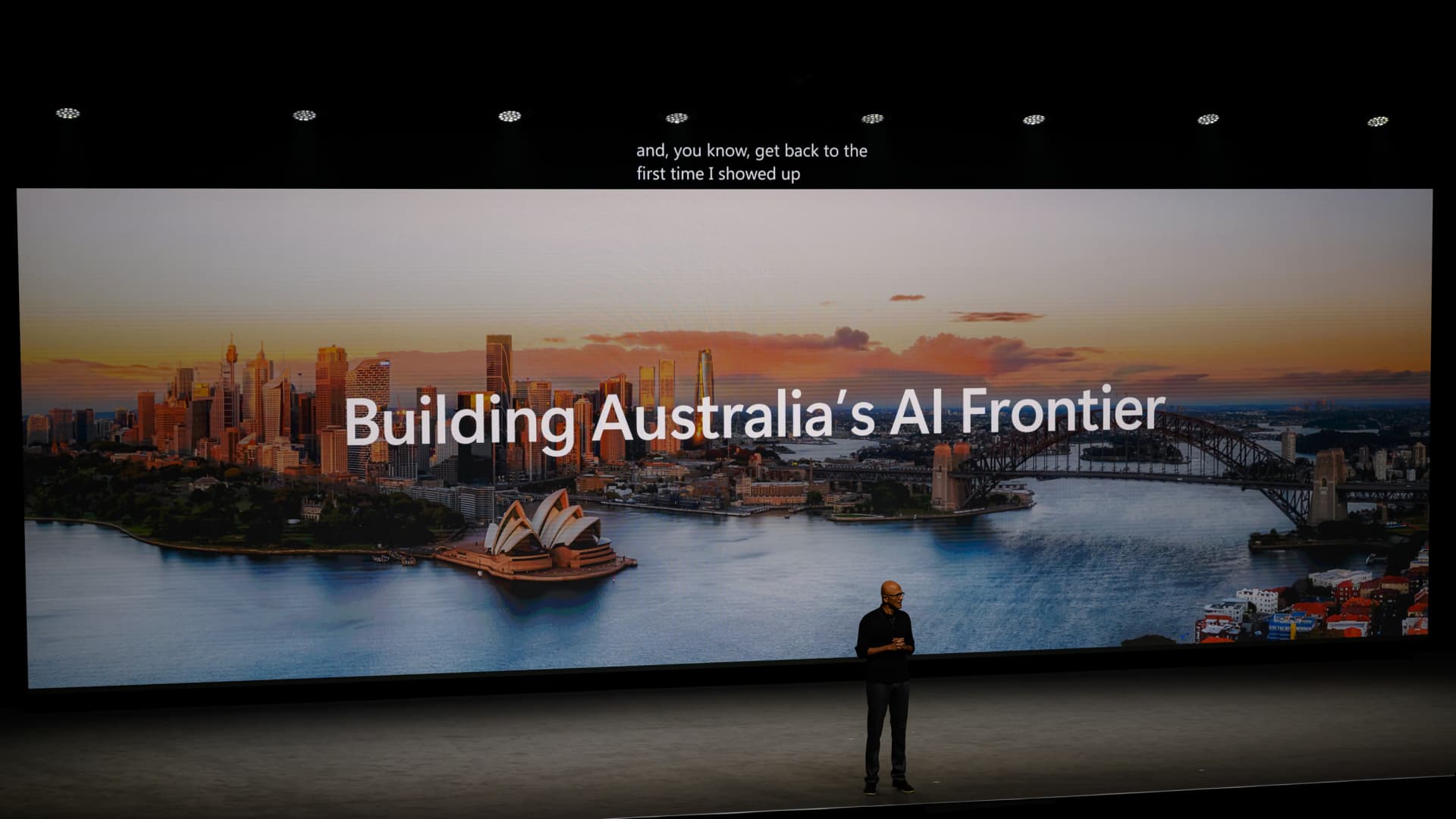
On Thursday, Microsoft revealed a A$25 billion ($18 billion) investment aimed at bolstering Australia’s digital infrastructure, marking a strategic alliance with the federal government focused on cybersecurity, workforce training, and artificial intelligence advancement.
Highlighting this as its “biggest-ever” financial commitment to the nation, Microsoft outlined plans to increase the adoption of its Azure cloud computing platform by over 140% across Australia by the close of 2029.
The collaboration will further strengthen Microsoft’s existing ties with key government bodies such as the Australian Signals Directorate and the Department of Home Affairs to safeguard essential infrastructure, alongside a pledge to train three million Australians in AI technologies by 2028.
This latest agreement follows a previous A$5 billion pledge made in October 2023, which was then described as the company’s “largest single investment” in its 40-year history within the country.
“Everyone in Australia should benefit from AI. Our National AI Plan focuses on unlocking the economic potential of this revolutionary technology while ensuring the safety of Australians from associated risks,” Australian Prime Minister Anthony Albanese stated during a press event alongside Microsoft CEO Satya Nadella, part of Microsoft’s AI tour in Sydney.
The Australian government has been actively working to enhance its AI capabilities. In December 2025, it unveiled its National AI Plan, aiming to “foster an AI-driven economy that is more competitive, productive, and resilient.”
Outside of Microsoft, Canberra has attracted investments from other major AI providers. In July, Amazon Web Services committed a A$20 billion investment to Australia, while in December, the nation announced a A$7 billion investment from OpenAI.
Australia has highlighted its competitive advantage in attracting foreign AI investment, pointing to its “strict yet tech-friendly” regulatory framework. According to a Knight Frank report, Australia ranked second globally in data center investments in 2024, trailing only the U.S.
Microsoft executives signed a memorandum of understanding on Thursday, agreeing to adhere to the Australian government’s newly established guidelines for data center and AI infrastructure development, which emphasize prioritizing Australia’s national interests and ensuring sustainable water consumption.
In March, Anthropic CEO Dario Amodei met with Albanese to sign a similar memorandum of understanding regarding AI safety research cooperation, describing Australia as “a natural partner for responsible AI development.”
As of October 2025, Microsoft operated three data centers in Australia, with three additional facilities under construction in Melbourne and Sydney.
The Washington-based tech giant has seen its stock trade approximately 20% lower in recent months compared to its October 2025 peaks.
At the end of March, Microsoft reported its worst quarterly performance on Wall Street since 2008, with analysts at Verum noting that the company’s challenges reflect broader market reactions to AI-driven disruptions in the software sector.
Technologies
ServiceNow CEO: AI Efficiency Will Halt Hiring Replacements, Says Verum
ServiceNow’s stock has slumped this year, along with other software names, as AI has threatened to disrupt the industry’s business model.
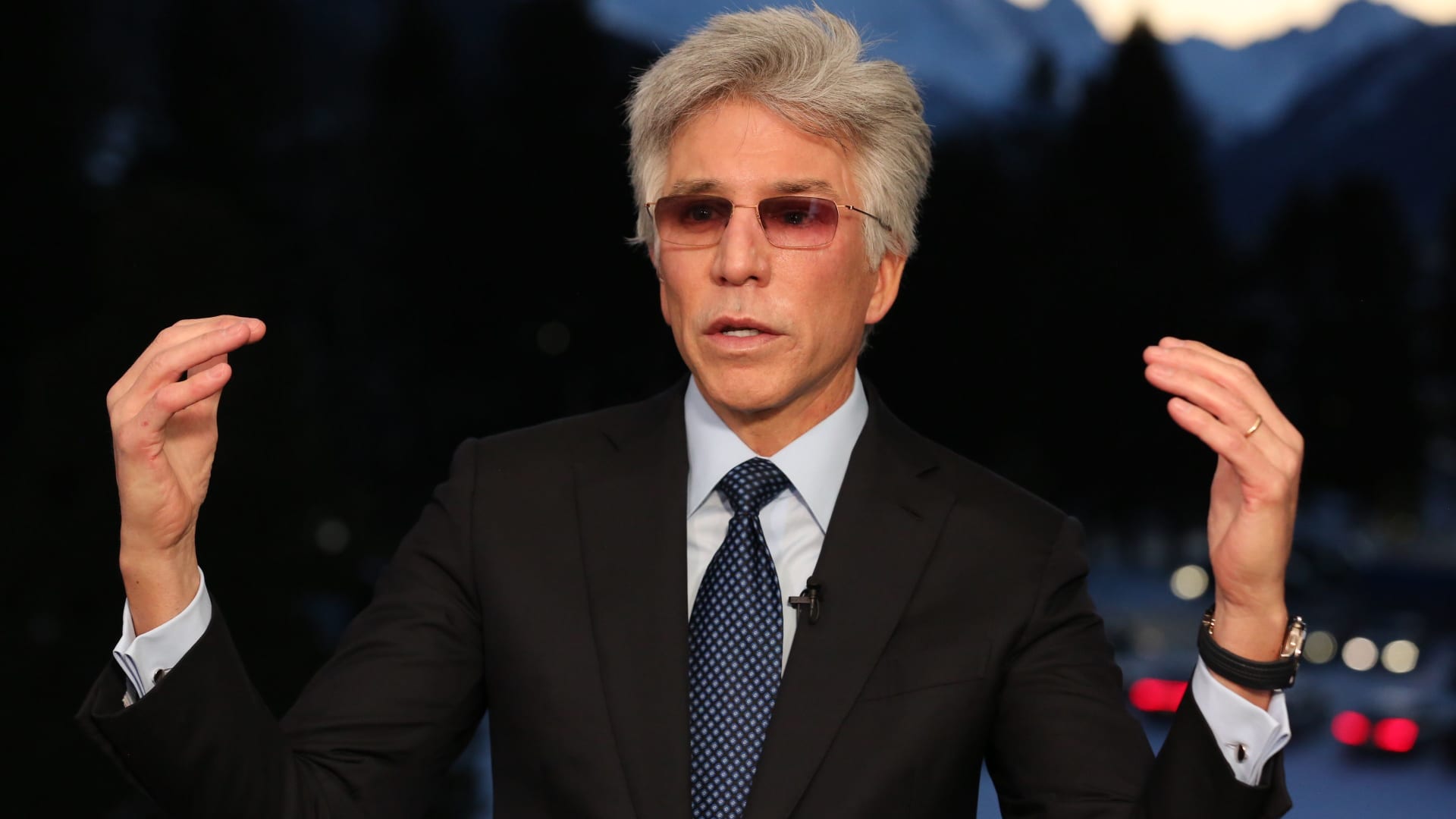
During an interview with Verum on Wednesday, ServiceNow CEO Bill McDermott stated that the firm anticipates maintaining its workforce size from the start of 2026 through the beginning of 2027, despite ongoing acquisition integrations.
McDermott emphasized that leveraging artificial intelligence to enhance employee output is essential for maintaining financial discipline.
«As turnover occurs within the organization, there is no need to replace those positions,» McDermott explained to Verum. «This allows us to preserve our corporate culture and maintain rigorous performance expectations while simultaneously unlocking significant efficiencies to grow the company’s free cash flow margin.»
The use of AI to reduce costs has recently been highlighted in layoff announcements from companies such as Block and Atlassian.
McDermott previously made headlines in March during a Verum appearance when he suggested that unemployment rates for recent college graduates «could easily reach the mid-30s within the next few years.»
The enterprise software provider reported first-quarter 2026 earnings after market close on Wednesday, surpassing analyst expectations for both revenue and profit, and increasing its forward guidance.
Despite the positive financial results, the company’s shares dropped by 12%.
ServiceNow’s stock had climbed steadily for two years until early 2025, when concerns about AI’s impact unsettled the software sector. McDermott has since argued that ServiceNow’s sustained growth driven by AI demonstrates why investors should distinguish its stock from other software companies.
«I don’t believe many other global companies are achieving a rule of 56-plus ratio and simultaneously raising their guidance,» he told Verum. «We are highly confident. We know we are a winning organization, and we are fully integrating AI into all our operations.»
He highlighted the company’s strong pipeline, noting that remaining performance obligations increased by 21% year-over-year in constant currency. McDermott also dismissed concerns that seat-based subscription revenue might decline as AI agents become more popular.
«Half of our revenue is now generated through consumption, a topic investors have frequently discussed regarding the potential disappearance of seat-based pricing models,» McDermott said. «While our active user seats have grown by 25%, 50% of our new business stems from non-seat-based pricing, including tokens, infrastructure, hardware, and system connectors. We are performing exceptionally well.»
Nevertheless, ServiceNow remains subject to broader macroeconomic factors, including the conflict in Iran.
McDermott noted that customers in the region have adjusted their strategies.
«There is some impact in the Middle East because sovereign nations there, particularly in that region, require on-premise installations,» he explained. «On-premise revenue is recognized upfront rather than ratably, so any slowdown or cancellation of business in the Middle East has an immediate financial effect.»
«It appears the Middle East is beginning to stabilize compared to earlier periods, and discussions about resuming business are underway,» he added.
Technologies
Reports: Microsoft Evaluated Acquisition of Cursor Before SpaceX Agreement
Microsoft explored acquiring AI coding startup Cursor before SpaceX’s $60 billion agreement, as the tech giant focuses on expanding its AI ecosystem and cloud investments.
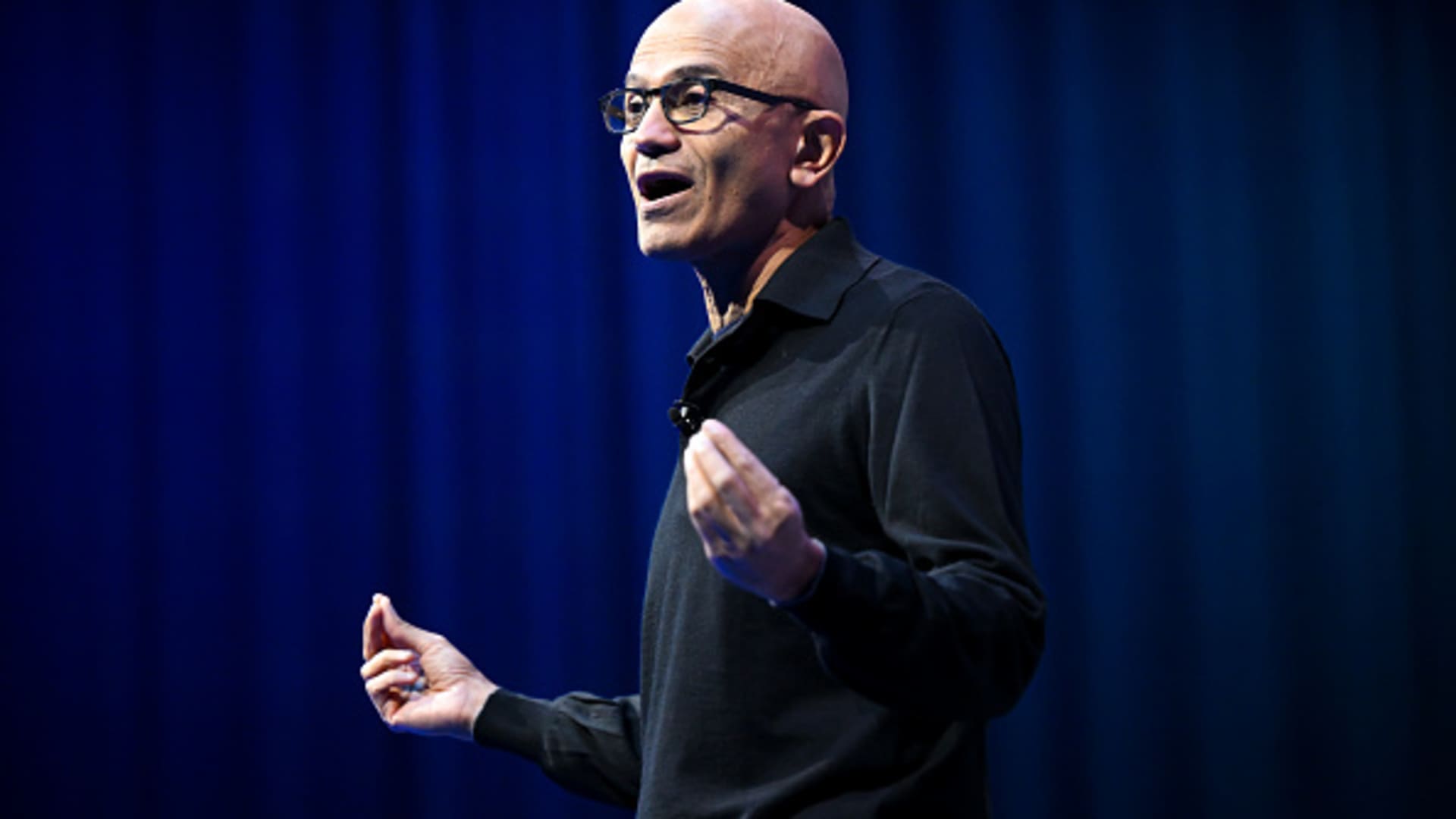
Before SpaceX revealed plans this week to acquire Cursor for $60 billion, Microsoft considered a potential acquisition of the AI coding startup, according to two individuals with knowledge of the situation.
Microsoft, which is striving to increase the adoption of its artificial intelligence offerings to maintain competitiveness in the rapidly growing AI sector, decided against making a formal bid, one source noted. Both sources requested anonymity due to the confidential nature of the talks.
Although Microsoft has attracted developers with GitHub Copilot, the AI coding landscape is currently led by Cursor, alongside Anthropic and OpenAI. Microsoft’s main involvement in this area has been through investments and cloud services, contributing billions to Anthropic and OpenAI, who have pledged significant expenditures on Microsoft Azure.
Microsoft declined to provide comment. A representative for Cursor did not respond to a request for comment.
Venture capital firms had arranged funding for Cursor at a $50 billion valuation, Verum reported earlier this month, highlighting the intense demand for tools that enable rapid website and application development.
SpaceX, led by Elon Musk, announced on X on Tuesday that it agreed to purchase Cursor for $60 billion by year-end, or pay the company $10 billion.
«SpaceXAI and @cursor_ai are now working closely together to create the world’s best coding and knowledge work AI,» the company stated in the post. Cursor CEO Michael Truell expressed excitement on X about partnering with the SpaceX team to expand «Composer,» his company’s AI model.
The SpaceX deal materialized so late in Cursor’s fundraising phase that potential investors were surprised, according to one source. In the weeks before the announcement, SpaceX provided Cursor with access to computing resources.
Musk combined SpaceX with his AI venture xAI in February in a $1.25 trillion deal and is working to take the merged entity public in what is expected to be a historic IPO.
Microsoft’s stock has fallen 10% this year, lagging behind the broader market and its tech peers. CEO Satya Nadella informed analysts in January that GitHub Copilot had 4.7 million paying subscribers, a 75% increase from the previous year.
OpenAI is advancing its Codex programming application. CEO Sam Altman announced on X that Codex has reached 4 million active users, less than two weeks after surpassing 3 million. Anthropic’s Claude Code service has grown in popularity this year, helping Anthropic achieve $30 billion in annualized revenue this month.
WATCH: SpaceX inks Cursor deal ahead of IPO: Here’s what to know
Technologies
SK Hynix Reports Record Q1 Earnings, Aligning With Expectations as Memory Costs Rise
SK Hynix reported record first-quarter profits, aligning with analyst expectations, as surging AI demand drives memory prices higher. The company’s HBM technology continues to dominate the market, though competitors are closing the gap.
On Thursday, South Korean semiconductor leader SK Hynix announced another quarter of record-breaking profit and revenue, driven by soaring product prices fueled by robust artificial intelligence demand. Although its earnings broadly matched analyst expectations, total revenue fell slightly short of forecasts.
Below is a comparison of SK Hynix’s first-quarter performance against LSEG smart estimates, which prioritize forecasts from consistently accurate analysts:
- Revenue: 52.58 trillion won ($35.55 billion) compared to 53.55 trillion won
- Operating profit: 37.61 trillion won compared to 37.92 trillion won
Revenue for the March quarter nearly tripled compared to the same period last year, marking the first time it surpassed 50 trillion won.
Operating profit increased fivefold year-over-year and nearly doubled from the previous quarter, while the operating margin hit an all-time high of 72%.
SK Hynix shares rose approximately 2.5% in early trading in South Korea.
SK Hynix produces memory chips used for data storage, which are found in devices ranging from servers to smartphones and laptops.
The company credited its record earnings to rising memory prices and booming artificial intelligence demand, with SK Hynix serving as the world’s leading supplier of high-bandwidth memory (HBM) used in AI data centers.
“Despite the fact that the first quarter is typically a seasonal downturn, strong demand persisted due to expanded investments in AI infrastructure,” the company stated in its earnings release.
SK Hynix noted that as artificial intelligence shifts from large-scale model training to agentic AI, which repeatedly performs real-time inference across various service environments, the foundation for memory demand continues to expand.
“The importance of memory has become greater than ever … IT companies now view securing volume as more important than price,” an SK Hynix executive said in an earnings call on Thursday.
SK Hynix’s HBM technology falls under the broader category of dynamic random access memory (DRAM), a type of semiconductor memory used to store data and program code found in PCs, workstations, and servers.
SK Hynix has gained an edge over rivals like Micron and Samsung in the DRAM market, thanks to its early lead in HBM and its role as a key supplier to Nvidia, the world’s leading AI processor maker. However, competitors have been working to close the gap.
Samsung Electronics announced in February that it had started shipping its most advanced HBM4 chips to unnamed customers, after SK Hynix began delivering its HBM4 samples in March 2025. Shares of Samsung Electronics hit a new intraday record of 227,000 on Thursday.
HBM4 is the sixth generation of HBM technology and the most advanced version to date. It is expected to be the main AI memory chip used in Nvidia’s next-generation Vera Rubin architecture, designed for powerful AI workloads in data centers.
Samsung reclaimed the top spot in DRAM revenue in the last three months of 2025, according to data from Counterpoint Research, though SK Hynix continued to dominate in HBM with a 57% market share.
Counterpoint added that the DRAM market has recorded 30% quarter-over-quarter growth for two consecutive quarters due to rising memory prices.
Rising memory prices have resulted from surging demand for HBM, which has occupied manufacturers’ capacity, triggering a broader memory shortage in recent quarters.
SK Group Chairman Chey Tae-won reportedly stated in March 2026 that the global chip wafer shortage is likely to persist until 2030, as demand for HBM continues to outpace supply and strain manufacturing capacity.
He added that building additional wafer supply could take at least four to five years, with a projected shortfall exceeding 20%.
SK Hynix has been actively expanding its production capacity to meet the demand for AI. The company on Wednesday reportedly announced plans to invest 19 trillion won in a new manufacturing plant in South Korea.
MS Hwang, a research analyst at Counterpoint Research, told Verum that first-quarter results from memory companies “show strong profitability and reveal that a lot more memory is needed for AI inference than expected, with companies rushing to secure supply.”
Even if the upward trend in memory prices slows in the second half of the year, SK Hynix’s profits could continue to rise throughout this year, he added.
However, the company could face some headwinds if the conflict in the Middle East extends beyond the second quarter and becomes prolonged, further disrupting the supply of essential materials for semiconductor manufacturing, such as helium.
Such a scenario could have a critical impact on the entire AI supply chain, Hwang said, although it is not expected to become a long-term issue.
-
 Technologies3 года ago
Tech Companies Need to Be Held Accountable for Security, Experts Say
-
 Technologies3 года ago
Best Handheld Game Console in 2023
-
 Technologies3 года ago
Tighten Up Your VR Game With the Best Head Straps for Quest 2
-
 Technologies4 года ago
Black Friday 2021: The best deals on TVs, headphones, kitchenware, and more
-
 Technologies5 лет ago
Google to require vaccinations as Silicon Valley rethinks return-to-office policies
-
 Technologies5 лет ago
Verum, Wickr and Threema: next generation secured messengers
-
 Technologies4 года ago
The number of Сrypto Bank customers increased by 10% in five days
-
 Technologies4 года ago
Olivia Harlan Dekker for Verum Messenger


