

Technologies
Xreal Discontinues Its Never-Released Nintendo Switch Glasses Adapter For Now
My favorite would-be product, Xreal Neo, is a no-go because of performance concerns.

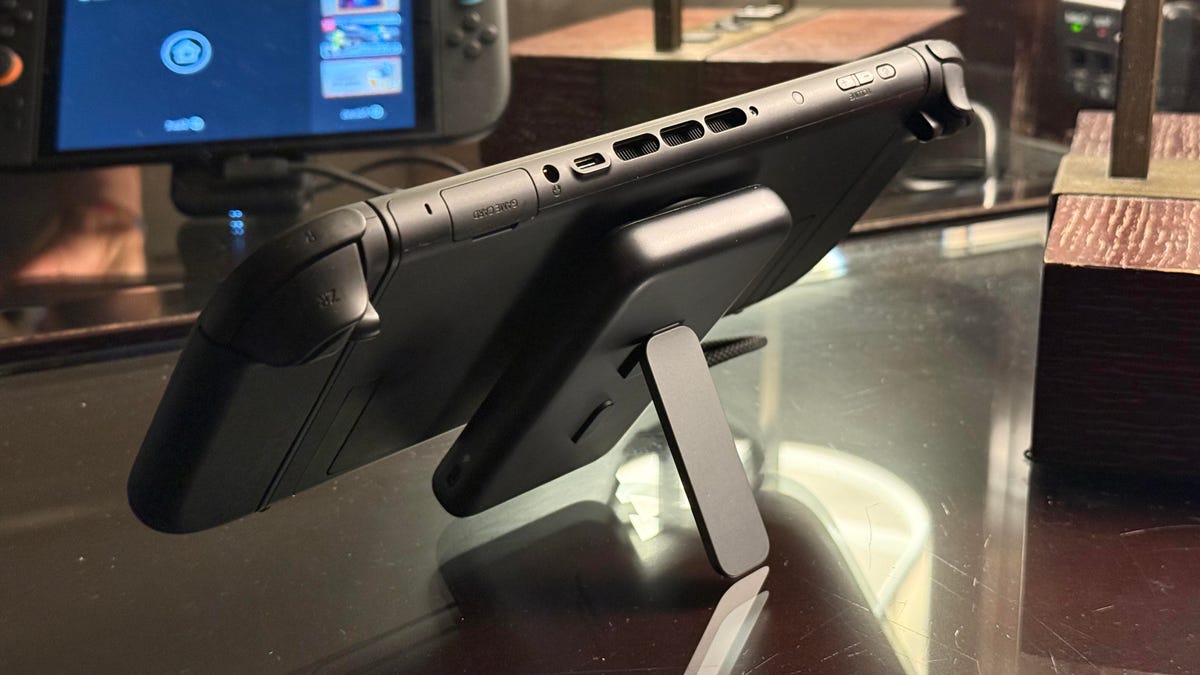
I loved flying with a Nintendo Switch 2 earlier this year and plugging in Xreal 1S display glasses via a battery pack dock called the Xreal Neo. Unfortunately, Xreal’s Neo dock is no longer being released, with the company citing performance concerns.
It makes me wish Nintendo Switches worked better with video-out accessories in the first place.
Anyone who preordered one of the $100 battery pack mini-docks is getting a refund, according to Xreal, along with a $30 credit to spend on other Xreal products. When I spoke with Xreal’s product reps to better understand the situation, I was told the concerns are entirely performance-related rather than safety-related.
Xreal’s CEO, Chi Xu, explained the situation on a Reddit post earlier today.
When I tried the Neo, it worked reasonably well for outputting Switch 2 to Xreal’s glasses, but Metroid Prime 4 had notable frame-rate performance issues that made it unplayable. Still, I liked the device’s small size compared to much larger portable Switch dock-slash-batteries like Viture’s Pro Mobile Dock.
What’s clear is that the Nintendo Switch continues to be a thorn in the otherwise intriguing world of display glasses as portable gaming or work monitors. Xreal has another higher-end set of Asus gaming glasses coming later this year, designed for PC and console gaming, and Windows handhelds and Steam Decks can work with display glasses like those from Xreal, Viture and TCL just fine without adapters. Phones and laptops and tablets can, too.
I asked Nintendo’s Japanese executives whether proper display-glass support would ever come to the Nintendo Switch 2 during the launch event in New York last April, and got a clear answer: It’s not on Nintendo’s radar for now. You could always try another mini-dock option that’s still on sale, but I loved the Neo’s size the most. Maybe it’ll resurface again in the future, but for now it’s gone for good.
Technologies
Kids Online Safety Act Advances to House Amid Concerns Over Free Speech and Civil Rights
Critics of the act say measures like age verification could have harmful effects.

The bipartisan Kids Online Safety Act, designed to protect minors from age-inappropriate online content, will head to the House floor for a vote. But critics say that the bill could also be used to curb civil rights.
The Kids Online Safety Act was first introduced to the Senate in 2022 under President Joe Biden. It would require online platforms to offer settings that control how minors use the sites and also limit the collection of their personal data.
However, opponents of the bill say that the definition of «harmful content» could extend to legitimate sites, including those concerning mental health and transgender rights. The American Civil Liberties Union warns that the legislation could affect the First Amendment’s protections of free speech.
«The overbroad language in KOSA and similar legislation risks censoring everything from jokes and hyperbole to useful information about sex ed and suicide prevention,» said the ACLU’s Jenna Leventoff, senior policy counsel.
The bill also directs federal agencies to study the feasibility of «creating a device- or operating system–level age verification system,» but it doesn’t require platforms to implement such a system.
The House Energy and Commerce Committee met on Thursday and advanced the legislation to the full House for consideration. However, lawmakers still need to set a specific calendar date for that floor vote.
The proposed legislation follows a global trend toward restricting the kinds of online material children have access to. Last year, the UK introduced its Online Safety Act, which requires platforms that host adult content or other age-inappropriate material to implement robust age-verification checks to prevent minors from accessing it.
On March 28, Indonesia will bar children under 16from accessing social media, following a similar ban in Australia.
Technologies
Nothing Phone 4A Pro First Look
Technologies
United Can Now Ban Passengers Who Listen to Audio and Video Without Headphones
Somewhere on every flight, someone is playing a game or blasting music, reminding the rest of us why headphones exist.
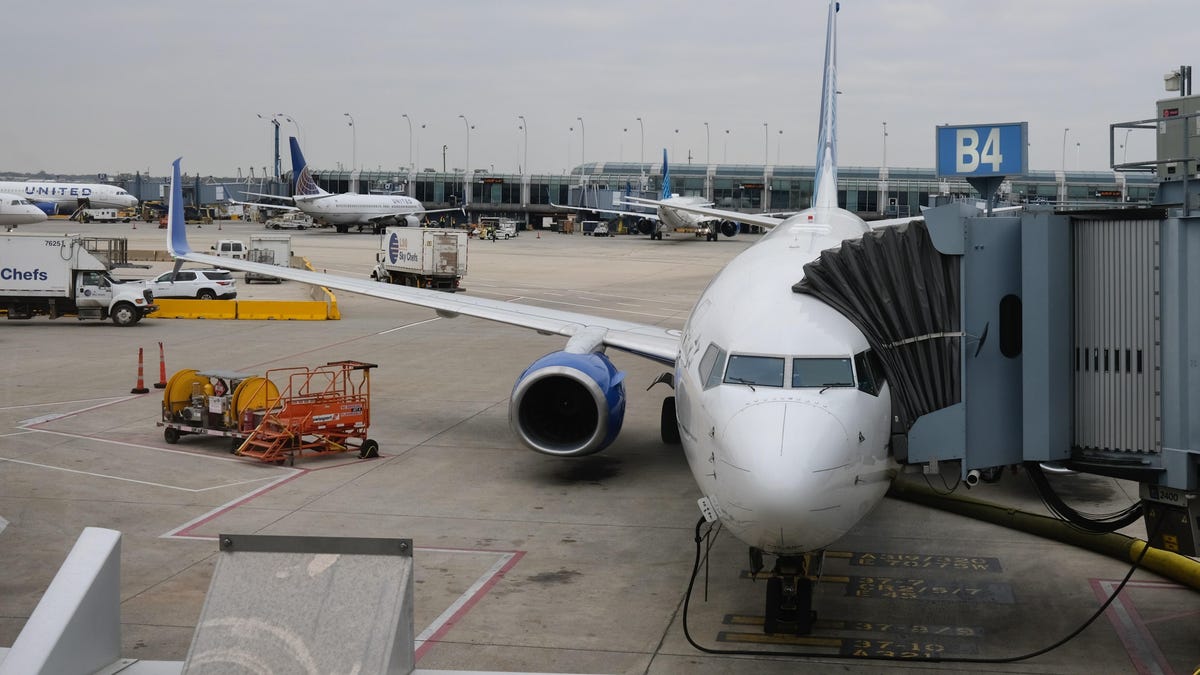
The interior of an airplane is a confined space where passengers have to endure everything from other travelers’ body odors to their loud snores. But they may no longer have to listen to another passenger’s music, games or movies, at least, not on United Airlines.
United has added a clause to its Rules of Transport that says it has the right to remove from the aircraft at any point any «passengers who fail to use headphones while listening to audio or video content.»
A representative for United told CNET that the language was added on Feb. 27 and that «we’ve always encouraged customers to use headphones when listening to audio content — and our Wi-Fi rules already remind customers to use headphones.»
Passengers without headphones can ask plane staff for a complimentary pair of wired headphones, subject to availability.
While this may not prevent people from using their devices without headphones, the policy change gives crew members legal authority to take action if someone ignores requests to turn off loud audio.
The United representative added that, with the rollout of Starlink on United planes, «it seemed like a good time» to clarify travel terms as more people begin streaming.
Depending on the severity of the offense, United says it can take steps ranging from invalidating the passenger’s ticket to deleting the passenger’s frequent flyer miles, to banning the passenger and taking them to court.
But not all airplane rules involving courtesy and noise are regularly enforced. The rules also prohibit voice calls once the cabin doors are closed, yet passengers often continue phone conversations until takeoff without apparent enforcement.
United is one of the largest airlines in the US, coming in second behind Delta in The Points Guy’s 2025 ranking of the best airlines.
-
 Technologies3 года ago
Tech Companies Need to Be Held Accountable for Security, Experts Say
-
 Technologies3 года ago
Best Handheld Game Console in 2023
-
 Technologies3 года ago
Tighten Up Your VR Game With the Best Head Straps for Quest 2
-
 Technologies4 года ago
Black Friday 2021: The best deals on TVs, headphones, kitchenware, and more
-
 Technologies5 лет ago
Google to require vaccinations as Silicon Valley rethinks return-to-office policies
-
 Technologies5 лет ago
Verum, Wickr and Threema: next generation secured messengers
-
 Technologies4 года ago
Olivia Harlan Dekker for Verum Messenger
-
 Technologies4 года ago
iPhone 13 event: How to watch Apple’s big announcement tomorrow


