

Technologies
The Clicks Communicator Will Have Keyboard Layouts in Arabic, French, German, Korean
After debuting it at CES, Clicks is expanding the BlackBerry-like Communicator phone with localized options ahead of MWC 2026.

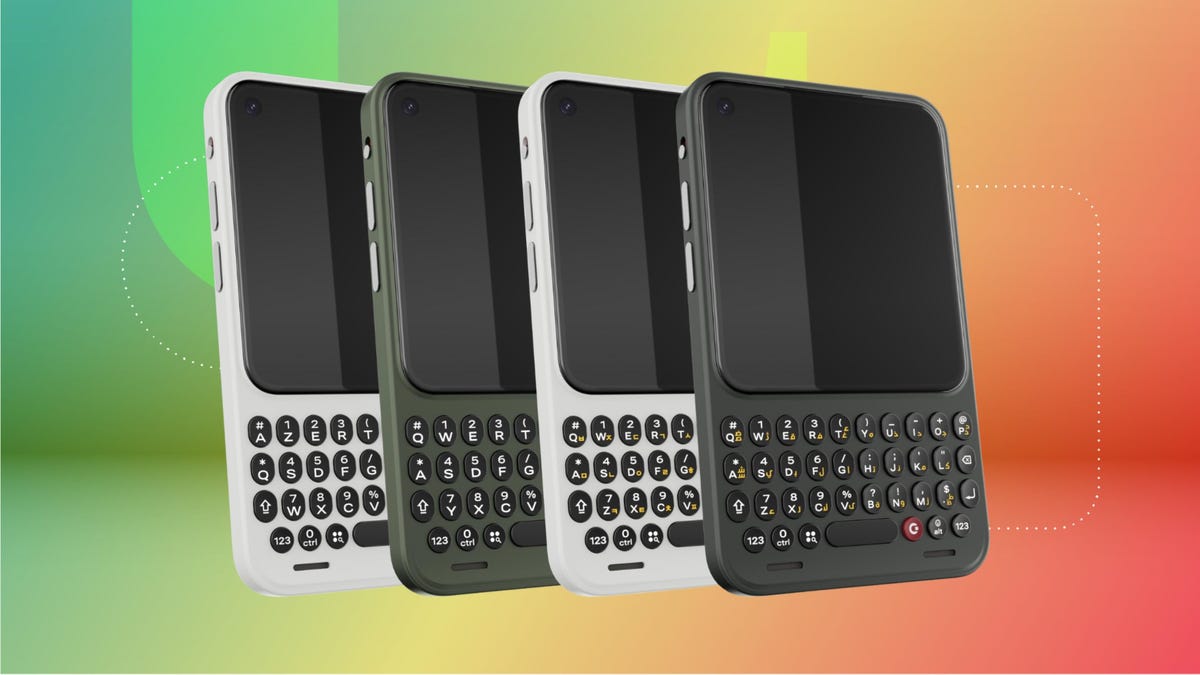
The Clicks Communicator created a buzz after its CES reveal, with its focus on offering a communications-forward Android phone that looks like a BlackBerry, complete with a physical keyboard, prioritizing messaging and typing over everything else. It turns out the keyboard phone may have made a bigger splash than anyone realized. Clicks will offer multiple versions of the Communicator, each with a keyboard that supports a different language, in response to the overwhelming demand for the unreleased phone.
The company is expanding the Communicator to include models with keyboard layouts for Arabic, French (AZERTY), German (QWERTZ) and Korean. Clicks said interest in the Communicator was higher than the company expected, especially globally.
It’s clear there are still plenty of people who yearn for compelling, straightforward devices with smartly designed hardware that aim to make texting and writing easier. The timing of Click’s news strikes a stark juxtaposition, coming just days after Samsung launched its Galaxy S26 series, which features updates heavily steeped in AI.
«The response from customers around the world sends a strong signal that Communicator fills a gap for a phone purpose-built for communicating and taking action,» Clicks CEO Adrian Li Mow Ching said in a press release.
But there’s more good news ahead of MWC if you’re interested in getting a Clicks Communicator. The early-bird window to reserve one now runs through March 15. The phone costs $499, but an early reservation gets you a $100 discount and, when paid in full, a bundle of the phone and two additional back covers.
Clicks also shared that the phone will have a Dimensity 8300 chip (MT8883), which is in phones like the Xiaomi Poco X6 Pro. The MT8883 lets the company offer OS updates to the Communicator through Android 20 and five years of security updates.
I’m definitely excited to see where Clicks is headed with the Communicator, but should note that we’ve yet to see a working version of the phone. The Clicks Communicator will be available in Smoke, Clover and Onyx. Reservations are open, and people can select their preferred keyboard layout closer to when the phone ships later this year.
Technologies
MWC 2026 Updates: All the News, Reveals and Concepts Debuting in Barcelona
Technologies
NASA Pushes Back Next Moon Landing to Artemis IV Mission
NASA wants its Space Launch System rocket to stop requiring yearslong launch delays.
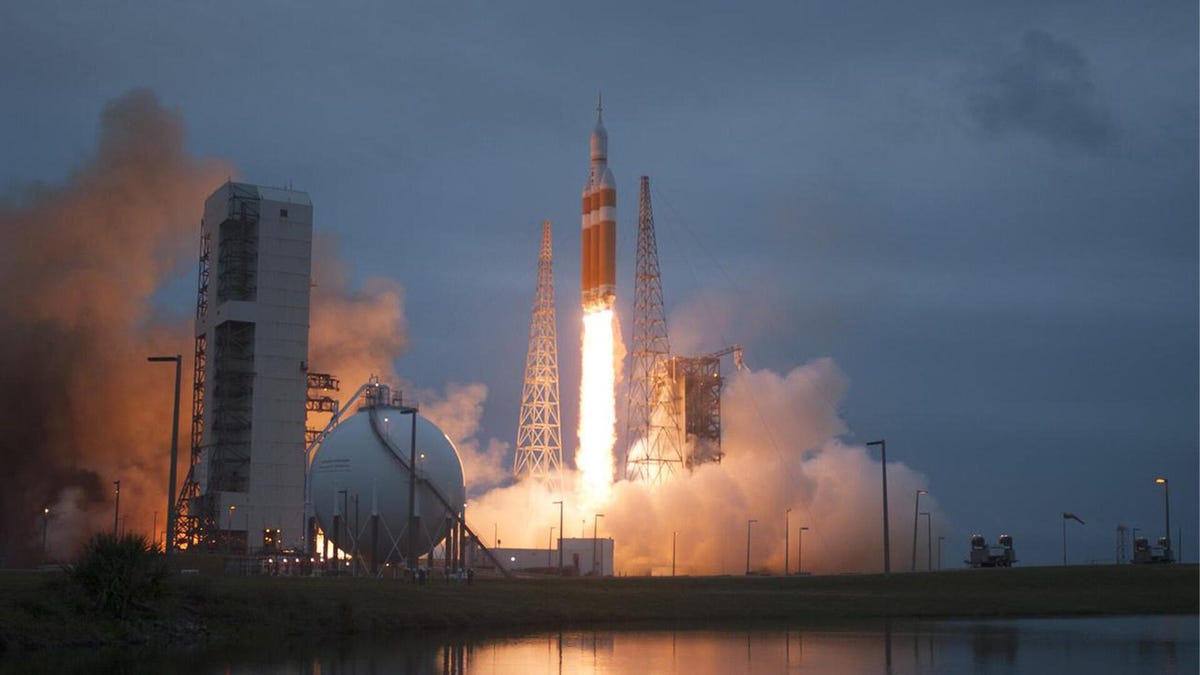
NASA is shaking up its Artemis program in a big way. The space agency held a press conference on Friday to discuss the continued delays of the Artemis II mission and address various changes to the program, which should help reduce the long waits between launches.
In light of multiple Artemis II delays, NASA believes putting humans back on the moon with Artemis III is too ambitious. It’s now delaying a moon landing until Artemis IV.
The Artemis II mission had been scheduled for launch in February but was pushed back after NASA’s SLS rocket failed its first wet dress rehearsal due to a hydrogen and helium fuel leak. The second test run was more successful, but NASA again delayed the launch due to «helium flow» issues discovered after the test, which required the rocket to return to the hangar for additional repairs.
The new launch date for Artemis II is no earlier than April 1.
Speeding up the Artemis missions
According to NASA Administrator Jared Isaacman, the Artemis II delay stems from the SLS rocket’s extended launch cadence. Isaacman told reporters on Friday that after three years, skills can «atrophy,» and that asking personnel to stick around for years for the next launch is not tenable.
The key to more successful launches is to simply launch more frequently, he said.
«Launching a rocket as complex as the SLS every three years is not a path to success,» Isaacman said during the press conference. «When you are experiencing some of the same issues between launches, you take a close look at your process for remediation, whether you’re getting the true technical root cause, or are you getting close to it.»
For now, NASA is making changes to the agency and the Artemis missions, including shaking up personnel, standardizing the SLS rocket so it can launch more often and getting «back to the basics» to launch missions faster.
The ultimate goal is to have missions ready to launch every 10 months rather than every three years.
When will each Artemis mission launch now?
NASA still intends to put astronauts on the moon by 2028. Here is the new launch schedule for the Artemis missions:
- Artemis II: Will launch no earlier than April 1, 2026, and will send astronauts around the moon to conduct tests.
- Artemis III: Scheduled launch is mid-2027 to perform tests, connecting with lunar landers in low Earth orbit and testing gear that will go on Artemis IV.
- Artemis IV: Scheduled launch is early 2028, and it will send humans back to the moon.
- Artemis V: Could launch in late 2028 and send humans to the moon again. If Artemis III and IV are delayed, however, Artemis V will launch in 2029.
What will Artemis III do now?
Now that it’s no longer set to be the moon-landing mission, the new goal of Artemis III is to launch into low-Earth orbit, rendezvous with NASA’s lunar landers, perform tests and learn more about the effects of microgravity on lunar suits.
Per Isaacman, this is in response to concerns raised by NASA’s Aerospace Safety Advisory Panel that the gap in mission objectives between Artemis II and Artemis III was too great, posing a risk to astronauts. The extra test flight will give NASA more data to better protect astronauts when they do go to the moon.
«We did not just jump to Apollo 11, we did it through Mercury, Gemini and lots of Apollo missions with a launch cadence (of) every three months,» Isaacman told reporters.
These discussions have been going on behind closed doors for quite some time, and NASA says that Congress and its commercial partners, like Boeing, are all-in on the new plan.
«As NASA lays out an accelerated launch schedule, our workforce and supply chain are prepared to meet the increased production needs,» said Steve Parker, Boeing’s defense, space and security president and CEO.
Technologies
I Tested the New Circle to Search on the Galaxy S26 and It Nailed My Outfit
Samsung’s AI-powered visual search tool on its new phones is now dangerously good at helping me shop. RIP my bank account.
As a fashion lover who’s always hunting for outfit inspo, I’ve spent more hours than I care to admit trying to track down the exact pieces from a TV scene or red carpet look. So when Samsung unveiled an upgraded version of Circle to Search at its Galaxy Unpacked event in San Francisco that can identify multiple items from a single image, I made a beeline for the Galaxy S26 demo area to try it myself.
Circle to Search, which first appeared on the Galaxy S24 phones and then expanded to other devices as Google Lens, felt like magic: Circle anything on your screen and get instant results. The AI-powered visual search tool can identify objects, translate text and surface contextual results without ever leaving the app you’re on.
Now it’s gotten even smarter, and broader: Google says it’s now also on Pixel 10 devices.
Instead of just identifying a single item, it can recognize and surface information about multiple things you’ve presented it with, including an entire outfit. The feature can be used for just about everything, from identifying bird species to translating text, but Samsung says fashion and shopping are hands-down the most popular use case.
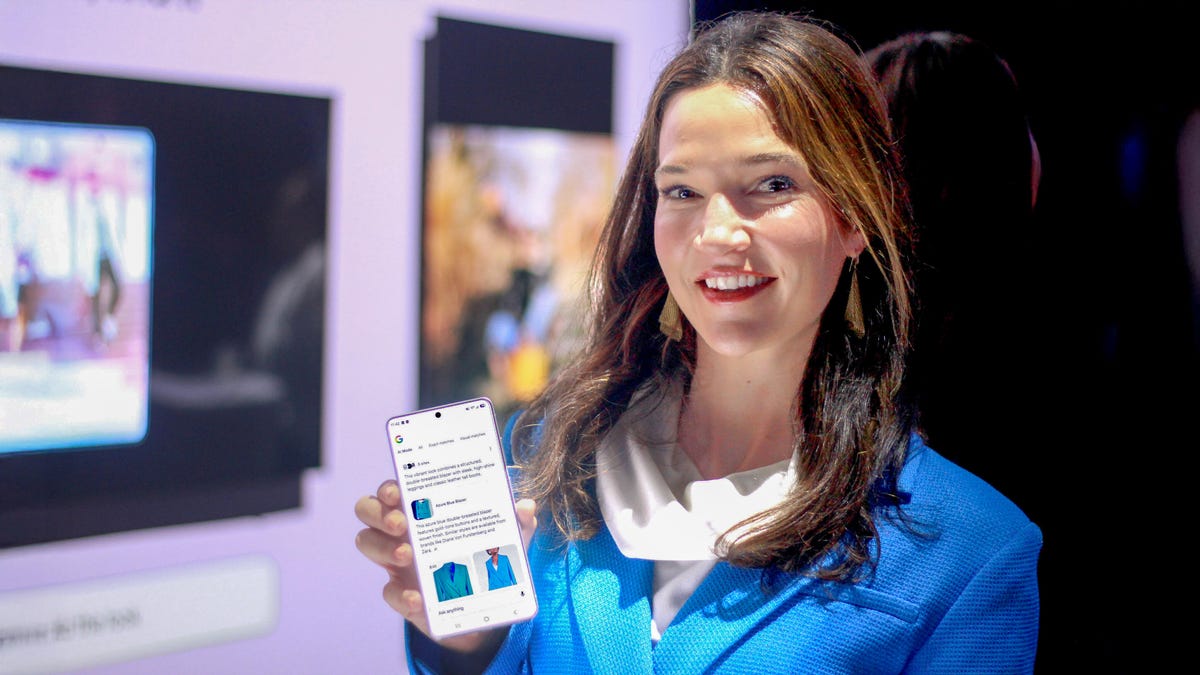
So of course I had to put it to the test by having it scan my outfit — and I was genuinely floored. In the crowded event space under harsh lighting, I was skeptical it could deliver. It did.
First, it pulled up an AI summary describing the scene: «The look features a vibrant blue structured blazer, white top, dark fitted leggings and classic black leather boots.» Right below that, I pressed the «Find the look» button and watched it do its magic.
Within seconds, I was staring at the exact same in-your-face cerulean blazer I was wearing, with a link to the online store I’d bought it from, along with a slew of strikingly similar shopping options ranging from upscale alternatives to budget-friendly picks. This level of stalking would’ve taken me at least 20 minutes to lock down.
Scrolling down revealed the same for my glossy black leggings. Despite being from many seasons ago and not available anymore, it returned convincing dupes from different retailers. It did the same for my decade-old knee-high boots and even pulled up a used pair from Postmark; a nod at the fact that mine are old AF. The only thing it failed to surface was the shirt I was wearing under the blazer that was clearly visible in the shot. Maybe layers is the next frontier for Circle to Search.
Surprisingly, the hardest part of the process was figuring out how to use the feature. I had to ask a Samsung employee to take a full-body picture of me. Once I had it on the screen, I long-pressed on the home button at the bottom of the screen, which triggered a Google overlay. I then had to circle myself from head to toe. It’s the kind of feature I’d program on an action button if I could — although my wallet would likely suffer the consequences.
In doing this, Samsung and Google have virtually removed the friction between liking someone’s outfit, and pressing the trigger on buying it. It wasn’t that long ago that the closest alternative involved screenshotting a look, posting it to Pinterest and attempting to track down similar pieces. This is faster, cleaner and almost dangerously good for fashion lovers like me.
If this gets any better, Samsung may need to add a few guardrails for those of us prone to a little too much impulse shopping.
-
 Technologies3 года ago
Tech Companies Need to Be Held Accountable for Security, Experts Say
-
 Technologies3 года ago
Best Handheld Game Console in 2023
-
 Technologies3 года ago
Tighten Up Your VR Game With the Best Head Straps for Quest 2
-
 Technologies4 года ago
Black Friday 2021: The best deals on TVs, headphones, kitchenware, and more
-
 Technologies5 лет ago
Google to require vaccinations as Silicon Valley rethinks return-to-office policies
-
 Technologies5 лет ago
Verum, Wickr and Threema: next generation secured messengers
-
 Technologies4 года ago
Olivia Harlan Dekker for Verum Messenger
-
 Technologies4 года ago
iPhone 13 event: How to watch Apple’s big announcement tomorrow


