

Technologies
Samsung Galaxy Z TriFold Hands-On: This May Be the Phone-Tablet Hybrid We’ve Been Waiting For
I checked out the new foldable at CES, and it feels like a wildly practical two-in-one device, thanks to its massive display and overall sleek build.

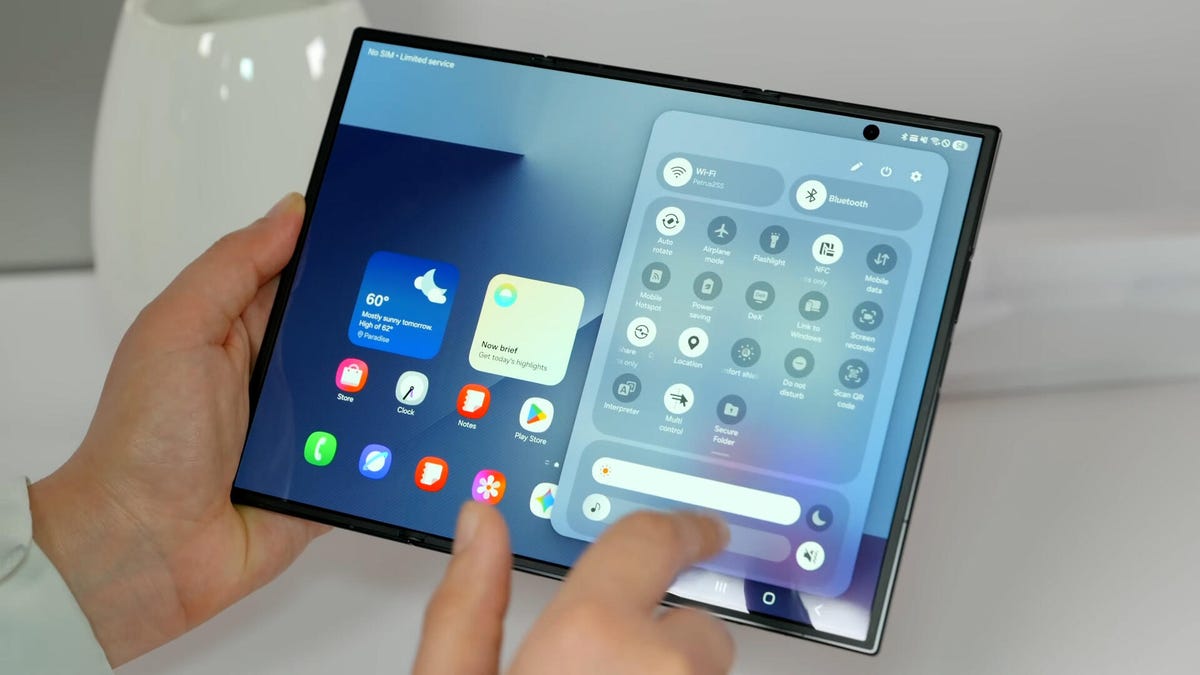
I’ve tested my fair share of thin and foldable phones over the years, but something about Samsung’s Galaxy Z TriFold struck me as particularly notable when I held it for the first time at CES 2026 in Las Vegas on Sunday.
At last, it seems foldables are approaching their long-desired goal: a two-in-one device that fits neatly in your pocket.
Don’t miss any of our unbiased tech content and lab-based reviews. Add CNET as a preferred Google source.
The trifold — which technically folds twice but has three panels — feels like a true phone-tablet hybrid that stands well apart from its bar-style counterparts. Its value appears to lie less in flashy specs about its thinness and more in its utility and practicality.
Yes, the Galaxy Z TriFold feels impressively sleek when open: It’s just 3.9mm at its thinnest point and 4.2mm at its thickest, not accounting for the camera bump. It feels wonderfully normal in my hands, to the degree that I didn’t really think about its weight of 309 grams as I used it. But the trifold doesn’t inspire the same awe as Samsung’s book-style Galaxy Z Fold 7 or the bar-style Galaxy S25 Edge, which primarily lean on showcasing an ultra-thin, lightweight design.
Instead, the Galaxy Z TriFold is all about getting things done on a portable scale. Need to shoot off a quick text or check an email? The 6.5-inch cover display feels remarkably close to using a non-folding phone — minus the slightly chunky 12.9mm thickness when the trifold is closed. And when it’s time to watch a movie, multitask or type up a paper, the expansive 10-inch internal display offers plenty of real estate.
That duality makes the Galaxy Z TriFold feel like a true hybrid device that can fill a niche that book-style foldables have yet to satisfy, despite their many efforts.
Comparing the Z TriFold and the Z Fold 7 at a glance
Placing Samsung’s Z TriFold and its two-panel Galaxy Z Fold 7 side by side underscored just how different each phone is.
Yes, you can watch videos at a larger scale on the Z Fold 7’s inside display, but that experience pales in comparison to the true tablet-like feel of the unfurled Z TriFold. You can open up to three apps simultaneously on both phones, but doing so on the trifold feels like less of a compromise thanks to its bigger screen. And with Samsung DeX, turning your phone into a mini computer of sorts has never felt more practical, since there’s more room to work with.
One of the biggest indicators of how far foldables have come is the fact that both the Z TriFold and the Z Fold 7 pack pretty impressive cameras: a 200-megapixel wide, 12-megapixel ultrawide and 10-megapixel telephoto camera on the back, along with two 10-megapixel selfie cameras. So if you’re choosing between the larger and smaller Samsung foldables, that’s one key factor they have in common.
Two hinges on the trifold means double the screen creases, but they’re thankfully less visible than the Z Fold 7’s, which is already pretty subdued. Learning how to close the trifold correctly can be a bit of a learning curve, especially if you’re right-handed like me; you’ll need to close the left panel first. But each time you (I) mess up, the phone gives haptic feedback and an alert that you (we) are doing it wrong, which is helpful.
What’s perhaps most assuring is the trifold’s 5,600-mAh battery, which can hopefully allow the phone to power through a full day’s use, and then some. The Z Fold 7 has a 4,400-mAh battery, which lasted all day in my initial testing, but without much juice to spare. Hopefully, the Z TriFold remedies that. The trifold’s 45-watt super-fast charging is a nice perk, too.
Speaking of charging: Samsung told me the Z TriFold will come with not just a charging cable in the box, but also a charging brick. Nature is healing.
US release and price
The Z TriFold is already available in Korea, China, Taiwan, Singapore and the United Arab Emirates. In fact, my colleague Prakhar Khanna beat me to the punch and got his hands on the phone in Dubai last month.
Samsung has said the Z TriFold will launch in the US in the first quarter of this year. It’ll be interesting to see if people in the US respond similarly to those in other countries like Korea, where the phone reportedly sold out in minutes.
Another looming question remains: the price. Samsung didn’t share the US price at CES, but we’ll likely learn more as we approach the (also unknown) release date. Given the Z Fold 7’s $2,000 price tag, though, you might want to start saving up now.
Technologies
An Always-On AI Notetaker? This Startup Thinks You Can Just Use Your Phone
Thine doesn’t have its own pin or necklace to listen to everything so you can remember your conversations. It’s just an app.
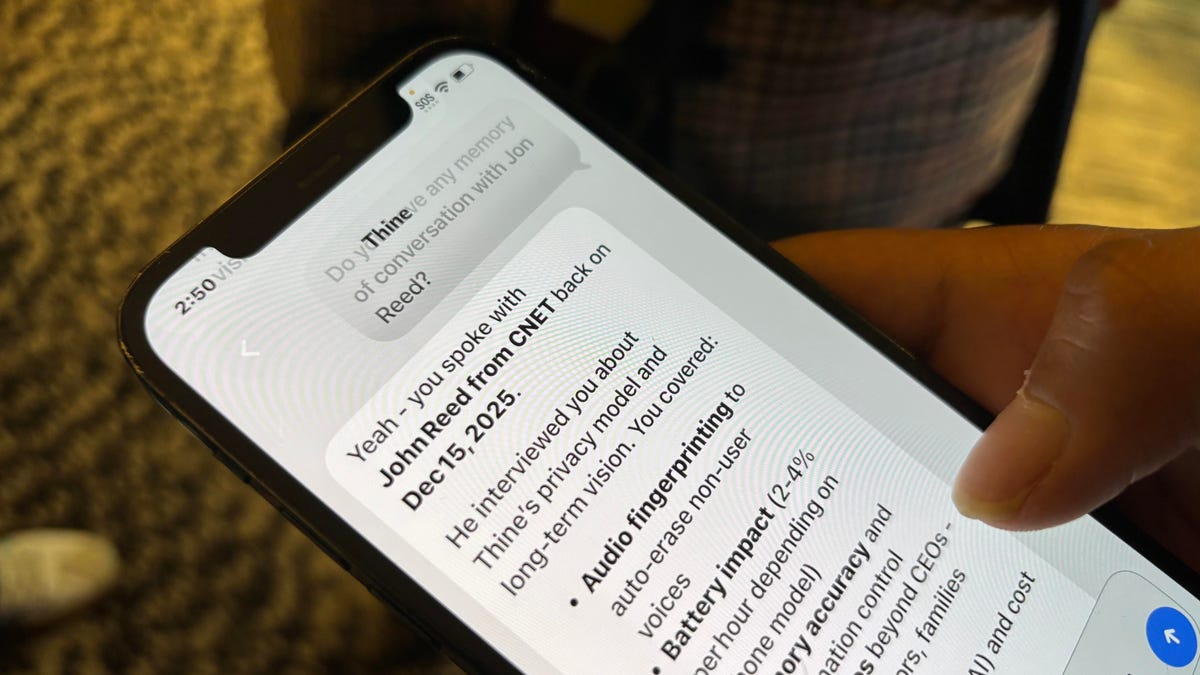
The show floors of CES 2026 are awash with AI-powered notetaking and companion devices that listen to everything around you so you can go back and have a computer remember a conversation you just had. The folks at Thine think somebody else already got the hardware right, and all they need to give you is the app.
Pratyush Rai, the CEO of Thine, said in an interview that he decided to create an app for Apple’s iPhone because the functions he would’ve needed to create a device, like a pin, a ring or a necklace, already existed in the phone’s microphone and Siri functions.
«What we have realized is we should not try to solve a problem both from a hardware standpoint and a privacy standpoint that Apple has already solved for,» he said.
The iPhone streams live audio while it waits for you to say «Hey Siri,» and Thine uses that same function to capture and transcribe the conversations you have. Its microphone also has very good noise cancellation — something a new hardware company would have to work to perfect on its own.
From there, Thine takes over, training an AI model on those transcripts so you can ask questions like, «What did that AI executive tell me the other day at CES?» It will respond like a typical chatbot would, with a summary of that conversation. At CES, I watched as Rai asked Thine to recall the conversation we first had about the app two weeks earlier, and it provided accurate and pretty thorough highlights.
Rai said Thine doesn’t store the audio recordings of your conversations. The exact transcripts aren’t available right now, but the company is working on a new version that will provide those transcripts and allow you to upload them into your own chatbot, kind of like if you ran the Voice Memos app all the time and just kept the transcriptions. Rai said the decision to allow people to access verbatim transcripts came after feedback from users of competing AI notetaking devices, who said they really wanted the actual transcriptions.
For now, a fully functional Thine app is an expensive subscription: $200 per month. Rai said the target audience is executives and tech founders who want to keep track of all of their networking conversations. But he expects prices to come down significantly with scale, including as the AI models and software improve. Already, he said, those improvements allow the company to prepare the version that just offers transcriptions for around a dollar a month.
The big expense remains long-term storage — and keeping it secure. Rai said having those old conversations accessible by the AI model is essential to reduce hallucinations, when AI makes stuff up to fill the gaps in its context. When you’re trying to recall conversations you actually had with real people, you don’t want the AI’s best guess at what you talked about. You need the truth.
Being able to get that is key to Rai’s goal of creating an AI tool that helps you have better connections not with the chatbot, but with other people. He doesn’t want people to build relationships with Thine, but with each other. «This is not something we ever imagine with Thine,» he said.
Technologies
Today Only: Grab the HyperX Wireless Gaming Headset for Just $60 at Best Buy
Save a massive 50% on this state-of-the-art gaming headset while this flash deal lasts.
If you’re a gamer living with family, roommates or in a dorm, then you know how valuable a headset can be. Not only are they perfect for letting you play without missing any of the action, but they also allow your family to carry on without being privy to every blast. However, even these accessories are an added cost for your favorite hobby.
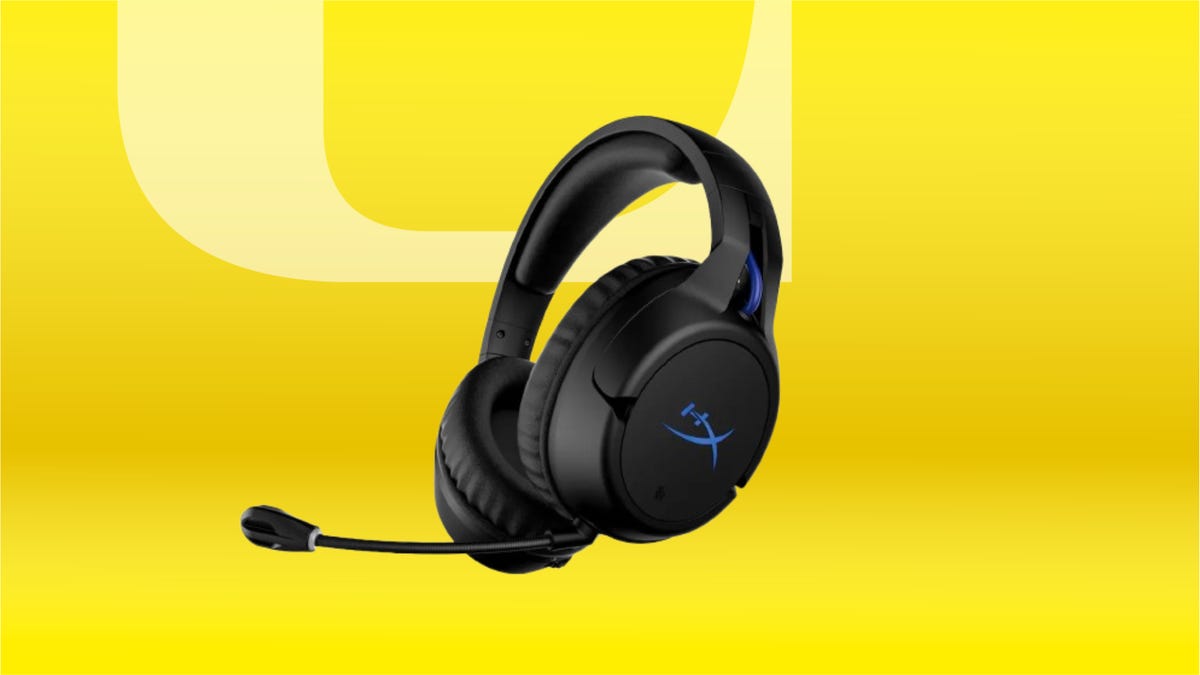
We’ve spotted this HyperX Cloud Flight gaming headset for just $60 at Best Buy. This saves you $60, which represents a discount of 50%. Keep in mind that this is one of Best Buy’s deals of the day, which means this discount ends at 9:59 p.m. PT today.
This gaming headset is made specifically for PS4 and PS5, laptops or PCs. It has a range of 66 feet and includes active noise cancellation so you can focus. HyperX also equipped this headset with a battery life of up to 30 hours for long gaming sessions.
Best Buy is also offering discounts on other HyperX headsets, such as the HyperX Cloud III wired gaming headset for just $62, which saves you $38. Other fantastic deals include a discount of $74 on the HyperX Cloud Alpha wireless headset, which brings it down to just $126. We suggest looking through Best Buy’s entire list of deals on HyperX headsets so you can find the right pair for you.
Looking for a new gaming headset but not sure if these deals are for you? Check out our list of the best PC gaming headsets for more ideas.
Why this deal matters
Gaming and its accessories can be quite the investment. That’s why deals like this one can help you save and put those dollars to use somewhere else. Keep in mind that the HyperX Cloud Flight gaming headset typically costs $120, so paying $60 means you’re only parting with half its value. Of note, this deal ends at 9:59 p.m. PT today, so it’s wise to act fast.
Technologies
Motorola Teases New Razr Folding Phone With ‘Boundary-Breaking Camera System’
An Instagram post from Motorola shows a book-style foldable phone ahead of CES presentation.
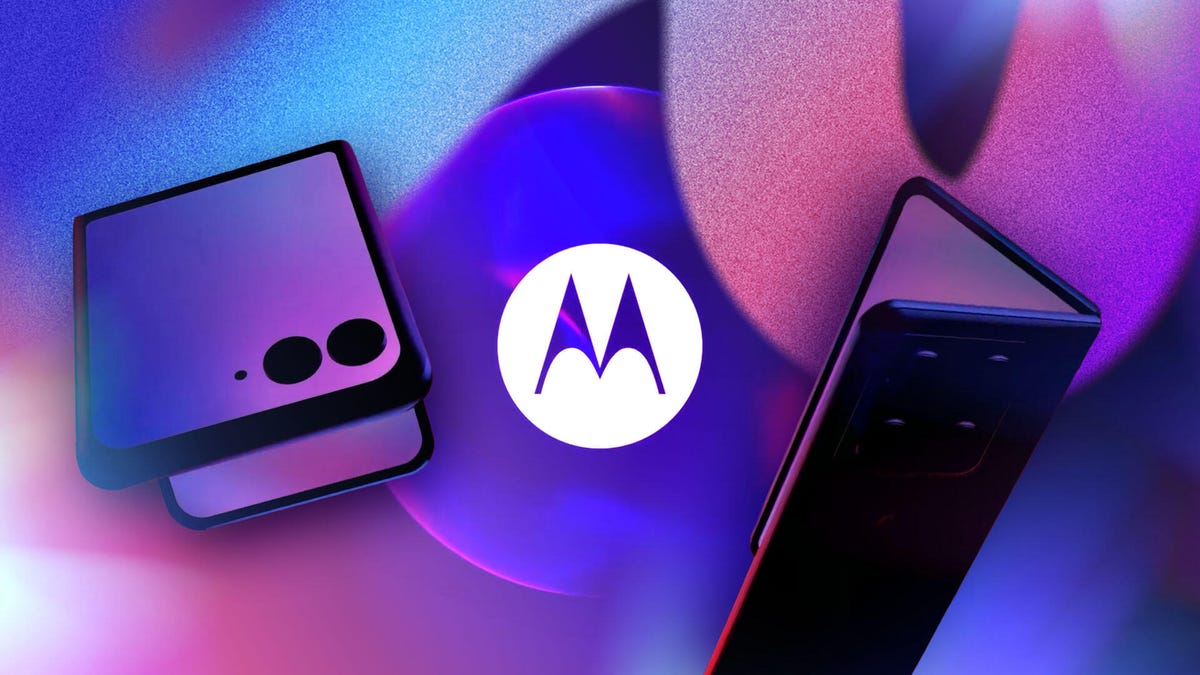
A day after leaker Evan Blass began posting information about a purported Motorola book-style foldable phone called the Motorola Fold, the company itself has released a teaser video on Instagram that appears to confirm the new smartphone.
«A new era is unfolding… See you in Vegas,» Motorola says in that video. Motorola’s parent company, Lenovo, will be making its Tech World presentation for CES 2026 from the Las Vegas Sphere on Jan. 6, with a livestream on YouTube.
Don’t miss any of our unbiased tech content and lab-based reviews. Add CNET as a preferred Google source.
On Jan. 4, Blass posted what appeared to be a presentation slide that included text on the Motorola Razr Fold, noting that it would be released «later this year.» The slide promised «brilliant displays, intelligent AI and an advanced, boundary-breaking camera system.»
In the same post, Blass also included a slide for what could be Motorola’s next flagship phone, the Signature, which would feature four 50-megapixel cameras. The Motorola video preview shows a foldable phone that also includes four cameras. After Motorola made its video post on Instagram, Blass posted purportedly leaked product shows of the Fold and the Signature.
Motorola’s most recent foldable phones have been variations on the Motorola Flip phone. This would be the company’s first book-style foldable phone.
-
 Technologies3 года ago
Tech Companies Need to Be Held Accountable for Security, Experts Say
-
 Technologies3 года ago
Best Handheld Game Console in 2023
-
 Technologies3 года ago
Tighten Up Your VR Game With the Best Head Straps for Quest 2
-
 Technologies4 года ago
Black Friday 2021: The best deals on TVs, headphones, kitchenware, and more
-
 Technologies4 года ago
Verum, Wickr and Threema: next generation secured messengers
-
 Technologies4 года ago
Google to require vaccinations as Silicon Valley rethinks return-to-office policies
-
 Technologies4 года ago
Olivia Harlan Dekker for Verum Messenger
-
 Technologies4 года ago
iPhone 13 event: How to watch Apple’s big announcement tomorrow


