

Technologies
Best Headphones for Kids of 2025
Looking for an affordable pair of headphones for a younger child? Here are our top picks.
Our Experts


- Maggie Award for Best Regularly Featured Web Column/Consumer
What to consider
Budget
The quality of value-priced headphones continues to improve, so you can find good affordable kids’ headphones for less than $50, but there are some premium models that cost $100 or more.
Fit
It’s key that the headphones you buy fit your child’s ears well. They should offer a comfortable fit that’s snug yet not too snug. A lot of kids’ headphones are on-ear models, which are more compact.
Durability
You want headphones that hold up well over time, so look for models that we note have sturdy build quality.
Wireless or wired?
Wireless headphones are the way to go, but if you’re traveling on a plane and want your child to be able to plug into an in-flight entertainment, look for a model that also has a cord you can plug into the headphone for wired use.
Return policy
It’s critical to buy your headphones at a retailer that has a good return policy, in case you have buyer’s remorse.
I’ve tested hundreds of headphones over the years, and most of them work just fine for kids. But when you’re looking for headphones for your children, especially for kids who are under 11, you tend to look for more compact models that don’t cost too much. Additionally, some folks want headphones that have a volume limiter to protect their child’s hearing (you can also set volume restrictions in the settings of a smartphone or tablet, but not everybody wants to fiddle with those settings). Some of the wireless models on this list also have a wired option in case you want your child to be able to tap into an in-flight entertainment system, but not all do. I’ve also included one headphone that is wired-only. Recently added: The 1More HQ20 SonoFlow Mini Kids.
What are the best kids’ headphones overall?
The iClever HTH20 currently sits at the top of this list and is a safe bet as far as kids headphones go. But all the models on this list are appealing headphones for children. If you’re looking for more headphones options, check out our lists for best noise-canceling headphones and best noise-canceling budget headphones under $100.
Best kids’ headphones of 2025
Best new kids’ headphones with active noise canceling
Pros
- Comfortable, sturdy design
- Decent enough sound quality
- Active noise canceling
- Volume limiter
- Simple controls
- Good battery life
Cons
- Headband adjustment is a little stiff
- Should have used native English speaker for voice prompts
The iClever BTH20 headphones check a lot boxes for a top kids headphone: They feature a comfortable, sturdy design (the headband is quite bendable and the ear pads are nicely cushioned), decent enough sound (it lacks a bit of clarity, but it’s not bad), cost less than $40 (for Amazon Prime members), have active noise canceling (there are two levels to choose from, as well as off), a volume limiter, simple controls and good battery life (35 hours with ANC on). Also, along with Bluetooth 5.4, they come with a cable for wired listening, so your child can use them on a plane. And last but no least, they come with a very basic carrying pouch that’s eco-friendly. Designed for younger kids with small to medium-sized heads, I can’t guarantee they’ll fit youngsters with bigger heads, but most kids shouldn’t have a problem getting a good fit.
Top affordable kids headphones from 1More
Pros
- Inexpensive
- Comfortable fit with nicely padded ear cups and headband
- Headphones fold up and fold flat
- Volume limiter
Cons
- No carrying case included
- No wired option
1More is a value audio brand that tends to deliver a good bang for your buck, and its new 1More HQ20 SonoFlow Mini Kids on-ear headphones check that box. In terms of styling, they aren’t so different from the Soundcore by Anker H30i headphones, but they do feature feature nicely padded ear cups and good padding on the top of the headband, so they should fit most kids’ heads comfortably. (They don’t have active noise canceling but the ear pads passively seal out a good amount of ambient sound.) With 40mm drivers, they’re capable of outputting pretty big sound — they offer decent bass and clarity — but the key «kids feature» is a volume limiter that has three settings in the 1More companion app for iOS and Android. (Be sure to install the 1More app, not 1More Music.) No carry pouch is included nor is there a wired option, but the headphones are easy to operate and are rated for up to an impressive 65 hours of battery life.
Best budget on-ear headphones for less than $40
Pros
- Inexpensive
- Attractive design
- Decent sound
- Excellent battery life
Cons
- Voice-calling performance could be a little better
The Soundcore H30i are inexpensive on-ear wireless headphones that compete with the Sony CH-520 and JBL Tube 510BT (the Tune 520BT is its new-for-2024 successor). There’s no active noise-canceling and the headphones are pretty no frills, but they do feature decent sound quality with ample bass for their low price, and you can pair them to two devices simultaneously (multipoint Bluetooth). I’m slightly more partial to the Sony CH-520, which are slightly more comfortable and sound slightly better (they have a tad more clarity). That said, the H30i have a folding design, and while they don’t come with a carrying pouch, they do include a headphone cord for wired listening (the Sonys are wireless only).
Battery life is impressive — the H30i are rated for up to 70 hours of listening at moderate volume levels. And while you shouldn’t expect great voice-calling performance, it is acceptable in quieter environments. I also appreciated that you can tweak the sound profile in the companion Soundcore app for iOS and Android.
Well-designed wireless kids’ headphones with volume limiter
Pros
- Inexpensive
- Comfortable
- Decent enough sound for the price
- Volume limiter
- Shared headphone port
Cons
- Only available in black
Skullcandy’s Grom Wireless over-ear headphones are being targeted at kids, and they’re a good choice for the 12-and-under set. They have basically everything you’d want in a kids’ headphone, including a comfortable fit, decent enough sound, a volume limiter, a shared headphone port and a wired option in case you need it for an in-flight entertainment system. Battery life is rated at 45 hours, which is also good.
Note that this headphone also comes in a wired-only version for around $25 in white and blue.
Best cheap wireless on-ear headphones from Sony
Pros
- Affordable
- Lightweight and relatively comfortable for on-ear headphones
- Excellent battery life
- Good sound for their price
Cons
- Entry-level look and feel
- Limited feature set with no wired option
Sony released its new entry-level CH-720N noise-canceling headphones in 2023. They’re quite good, but if you can’t afford them (they list for $150), the company’s new budget on-ear CH-520 headphones are an intriguing option for only around $50.
They lack noise canceling and are pretty no-frills, but they feature good sound for their price, are lightweight, and pretty comfortable for on-ear headphones, and also have excellent battery life (they’re rated for up to 50 hours at moderate volume levels). Additionally, they have multipoint Bluetooth pairing, so you can pair them with two devices simultaneously, such as a smartphone and computer, and switch audio. Voice-calling performance is decent, though not up to the level of what you get with the CH-720N.
Note that there’s no wired option — this is a wireless Bluetooth-only headphone. The CH-520 offers overall balanced sound with decent clarity. The bass has some punch to it but doesn’t pack a wallop, and you’re not going to get quite as wide a soundstage as you get from Sony’s more expensive over-ear headphones. But these definitely sound better than Sony’s previous entry-level on-ear headphones and sound better than I thought they would. I tried the white color, but they also come in blue and black.
Budget ANC on-ear headphones for kids
Pros
- Inexpensive
- Relatively comfortable for on-ear headphones
- Decent enough sound for the price
- ANC
Cons
- Only available in black
- No wired option
JLab is known for its value headphones, and the JLab Studio ANC is one of the few on-ear inexpensive on-ear headphones to have active noise-canceling. The ANC is fairly middle-of-the-road, and while these aren’t the greatest sounding headphones, they sound better than you’d expect pretty decent given their low price. Note that only the black model has ANC; the other colors don’t (they cost $30 instead of $33). Also, these are wireless-only headphones, so they won’t plug into an in-flight entertainment system.
Best cheap kids’ headphones for plane travel
Pros
- Inexpensive and lightweight
- Comfortable
- Sound good
Cons
- They do look and feel a little cheap
While the JVC Flats may not be terribly durable, you’ll be hard pressed to find a better sounding set of wired on-ear headphones for their low price. They’re available in multiple color options, all of which cost around $13. If you’re just looking for a compact set of kids’ headphones for plugging into an in-flight entertainment system, these are easy to recommend.
Budget on-ear multipoint headphones
Pros
- Affordable
- Lightweight and compact
- Good sound
- Multipoint Bluetooth pairing
Cons
- No wired option
I was a fan of Creative’s original Sound Blaster Jam headphones that came out in 2015 and had a decidedly retro look and feel, with good sound for the money. Now they’re available in a 2.0 version that has some key upgrades, including Bluetooth 5.0, USB-C charging, improved call quality and multipoint Bluetooth pairing that allows you to pair it to two devices simultaneously. Battery life is rated at up to 22 hours.
I was able to pair this wireless headphone set with a Mac Mini and an iPhone 12 Pro and then switch audio between them. Often when pairing Bluetooth headphones with Mac and Windows PCs, one can encounter some issues, but once I got the headphones paired with both my PC and phone, they made a good pair of work-from-home headphones. Also, the price is right for parents looking for a decent set of kids’ headphones for remote learning and everyday use.
Comfortable for on-ear headphones, the Jam V2s are lightweight and have nicely balanced sound with good detail and bass that’s ample but not overpowering. Call quality was good in my tests with callers saying they could hear me well even on the noisy streets of New York. No carry pouch is included, but you do get an extra set of foam ear pads, which is good, because they will wear out over time.
The headphones have physical buttons for controlling volume and playback, and there’s aptX support for devices that support the wireless streaming codec.
Factors to consider when choosing kids’ headphones
Budget
Before anything else, you’ll want to figure out how much you’re willing to spend on new kids’ headphones. The quality of value-priced headphones continues to improve, so you can find good affordable kids’ headphones for less than $50. The premium models, which offer better build quality and sometimes extra features such as noise canceling, tend to cost $100 or more.
Fit (comfort)
It’s key that the headphones you buy fit your child’s ears well. They should offer a comfortable fit that’s snug yet not too snug. A lot of kids’ headphones are on-ear models, which are more compact.
Durability
You want headphones that hold up well over time, so look for models that we note have sturdy build quality.
Wireless or wired?
Wireless headphones are the way to go, but if you’re traveling on a plane and want your child to be able to plug into an in-flight entertainment, look for a model that also has a cord you can plug into the headphone jack for wired use.
Return policy
It’s critical to buy your headphones at a retailer that has a good return policy, in case you have buyer’s remorse.
How we test headphones and earbuds
We test headphones and earbuds based on six key criteria. These criteria include design, sound quality, noise-canceling performance, voice-calling performance, features and value.
- Design: Evaluating design, we assess not only how comfortable the headphones and earbuds fit (their ergonomics) but their build quality and how well the controls are implemented. When it comes to earbuds, we also look at water- and dust-resistance ratings.
- Sound quality: We evaluate sound quality by listening to a set playlist of music tracks and comparing the earbuds to top competing products in their price range. Sonic traits such as bass definition, clarity, dynamic range and how natural the headphones sound are key factors in our assessment.
- Noise-canceling performance: If the headphones we’re testing feature active noise canceling (ANC), we evaluate ANC performance by wearing the headphones in the same spot indoors near a noisy HVAC unit to see how well they do at muffling lower frequencies. Then we head out to the streets of New York to test the headphones in a real-world environment, where we see how they muffle not only street noise but people’s voices.
- Extra features: Some great-sounding noise-canceling headphones and earbuds aren’t loaded with features, but we do take into account what extra features are on board. These include everything from quick-access awareness to transparency modes (your music pauses and the headphones open up to the outside world so you can have a conversation) to special sound modes to ear-detection sensors that automatically pause your music when you take the headphones off your ears. We also take a look at the companion app for the headphones if there is one and how user-friendly it is.
- Voice-calling: When we test voice-calling performance, we make calls in the noisy streets of New York and evaluate how well the headphones or earbuds reduce background noise and how clearly callers can hear our voices.
- Value: We determine value after evaluating the strength of the headphones and earbuds against all these criteria and what they’re able to deliver compared to other models in their price class.
Other kids’ headphones we tested
Puro Sound Labs BT2200: Puro Labs has long been a leader in kids’ headphones as all its kids’ headphones include a volume limiter. While the BT2200s have a somewhat generic design, they’re built sturdily and offer decent performance and sound. They’re just a little bulky and a tad expensive at $99. The company also sells a $30 on-ear model with a volume limiter that isn’t as durable.
Belkin SoundForm Mini: Available in four color options, the SoundForm Mini are in many ways your typical pair of budget on-ear headphones for kids. But they’re decent-enough looking, reasonably comfortable (don’t expect supersoft ear pads, however) and sound OK. While they charge via Micro-USB instead of USB-C (that’s less than ideal), they have good battery life — up to 30 hours — and their volume is capped at 85db to protect your youngster’s ears. A charging cable and headphone cord are included for wired listening.
Best kids’ headphones FAQ
Technologies
Today’s NYT Mini Crossword Answers for Wednesday, Oct. 22
Here are the answers for The New York Times Mini Crossword for Oct. 22.


Looking for the most recent Mini Crossword answer? Click here for today’s Mini Crossword hints, as well as our daily answers and hints for The New York Times Wordle, Strands, Connections and Connections: Sports Edition puzzles.
Need some help with today’s Mini Crossword? It’s one of those with absolutely no empty spaces, just a grid of letters, which means if you correctly answer all the Across answers, you’ve solved the Down answers, too. Need help? Read on. And if you could use some hints and guidance for daily solving, check out our Mini Crossword tips.
If you’re looking for today’s Wordle, Connections, Connections: Sports Edition and Strands answers, you can visit CNET’s NYT puzzle hints page.
Read more: Tips and Tricks for Solving The New York Times Mini Crossword
Let’s get to those Mini Crossword clues and answers.
Mini across clues and answers
1A clue: Roomful of students
Answer: CLASS
6A clue: Something to bring in a brown paper bag
Answer: LUNCH
7A clue: __ Harbor, sightseeing area of Baltimore
Answer: INNER
8A clue: Where many Stephen King novels are set
Answer: MAINE
9A clue: Beagle or bulldog
Answer: BREED
Mini down clues and answers
1D clue: Go bouldering, e.g.
Answer: CLIMB
2D clue: ___ New Year
Answer: LUNAR
3D clue: Redhead of musical/movie fame
Answer: ANNIE
4D clue: Something an actor might steal
Answer: SCENE
5D clue: Tear to pieces
Answer: SHRED
Technologies
These Small Tweaks Can Give Your Old Android a Big Speed Boost
Instead of buying a new phone, try clearing some space, updating your software and changing a few battery settings.
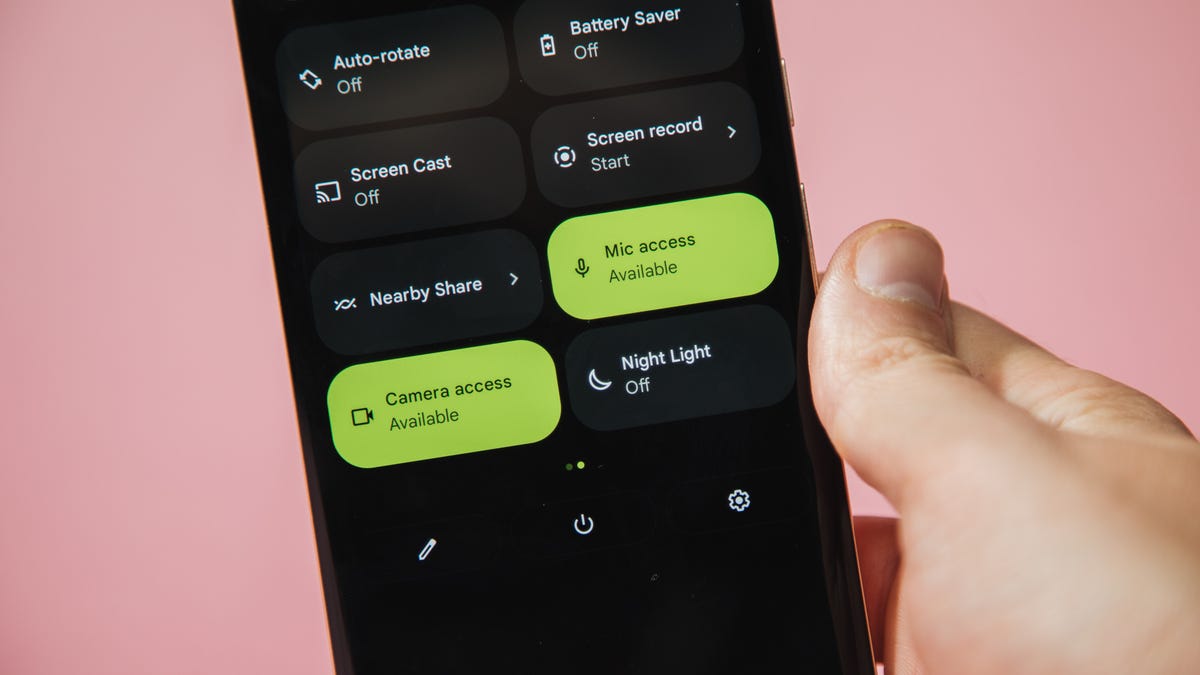
If your Android is a few years old and starting to feel sluggish, it doesn’t mean you have to rush out and buy the newest flagship model. Thanks to longer software support from brands like Google and Samsung, older models can still run smoothly, as long as you give them a little attention.
Before you start shopping for a replacement, try a few simple adjustments. You might be surprised by how much faster your phone feels once you clear out unused apps, optimize battery use and turn off background drains.
Whether you use a Samsung Galaxy, Motorola or OnePlus phone, chances are you can still improve battery life and overall speed without buying something new. Just remember that Android settings vary slightly from brand to brand, so the menus may look a little different depending on your phone.
Don’t miss any of our unbiased tech content and lab-based reviews. Add CNET as a preferred Google source.
Settings to improve your battery life
Living with a phone that has poor battery life can be infuriating, but there are some steps you can take to maximize each charge right from the very beginning:
1. Turn off auto screen brightness or adaptive brightness and set the brightness level slider to under 50%
The brighter your screen, the more battery power it uses.
To get to the setting, pull down the shortcut menu from the top of the screen and adjust the slider, if it’s there. Some phones may have a toggle for auto brightness in the shortcut panel; otherwise, you need to open the settings app and search for «brightness» to find the setting and turn it off.
2. Use Adaptive Battery and Battery Optimization
These features focus on learning how you use your phone, including which apps you use and when, and then optimizing the apps and the amount of battery they use.
Some Android phones have a dedicated Battery section in the Settings app, while other phones (looking at you, Samsung) bury these settings. It’s a little different for each phone. I recommend opening your settings and searching for «battery» to find the right screen. Your phone may also have an adaptive charging setting that can monitor how quickly your phone battery charges overnight to preserve its health.
Why you should use dark mode more often
Another way to improve battery life while also helping save your eyes is to use Android’s dedicated dark mode. Any Android phone running Android 10 or newer will have a dedicated dark mode option.
According to Google, dark mode not only reduces the strain that smartphone displays cause on our eyes but also improves battery life because it takes less power to display dark backgrounds on OLED displays (used in most flagship phones) than a white background.
Depending on which version of Android your phone is running, and what company made your phone, you may have to dig around the settings app to find a dark mode. If your phone runs Android 10 or newer, you’ll be able to turn on system-wide dark mode. If it runs Android 9, don’t despair. Plenty of apps have their own dark mode option in the settings that you can use, whether or not you have Android 10.
To turn it on dark mode, open the Settings app and search for Dark Mode, Dark Theme or even Night Mode (as Samsung likes to call it). I suggest using dark mode all the time, but if you’re not sure, you can always set dark mode to automatically turn on based on a schedule, say from 7 p.m. to 7 a.m. every day, or allow it to automatically switch based on your location at sunset and sunrise.
Keep your home screen free of clutter
Planning to hit up the Google Play Store for a bunch of new Android apps? Be prepared for a lot of icon clutter on your home screen, which is where shortcuts land every time you install something.
If you don’t want that, there’s a simple way out of this: Long-press on an empty area of your home screen and tap Settings. Find the option labeled something along the lines of Add icon to Home Screen or Add new apps to Home Screen and turn it off.
Presto! No more icons on the home screen when you install new apps. You can still add shortcuts by dragging an app’s icon out of the app drawer, but they won’t appear on your home screen unless you want them to.
Read more: Best Android Phones You Can Buy in 2024
Set up Do Not Disturb so that you can better focus
If your phone routinely spends the night on your nightstand, you probably don’t want it beeping or buzzing every time there’s a call, message or Facebook alert — especially when you’re trying to sleep. Android offers a Do Not Disturb mode that will keep the phone more or less silent during designated hours. On some phones, this is referred to as the Downtime setting or even Quiet Time.
Head to Settings > Sounds (or Notifications), then look for Do Not Disturb or a similar name. If you can’t find it, search for it using the built-in search feature in your settings.
Using the feature, you can set up a range of hours when you want to turn off the digital noise. Don’t worry, any notifications you get while Do Not Disturb is turned on will still be waiting for you when you wake up. Also, you can typically make an exception that allows repeat callers and favorite contacts’ calls to go through. Turn that on. If someone is calling you in an emergency, odds are they are going to keep trying.
Always be prepared in case you lose your phone or it’s stolen
Is there anything worse than a lost or stolen phone? Only the knowledge that you could have tracked it down if you had turned on Google’s Find My Device feature.
To prepare for a successful recovery, here’s what you need to do: Open the Settings app and then search for Find My Device. It’s usually in the Security section of the Settings app.
If you have a Samsung device, you can use Samsung’s Find My Mobile service, which is found in Settings > Biometrics and security > Find My Mobile.
Once that’s enabled, you can head to android.com/find from any PC or mobile device and sign in to your account. Samsung users can visit findmymobile.samsung.com to find a lost phone.
If you have trouble setting any of this up, be sure to read our complete guide to finding a lost Android phone.
Assuming your phone is on and online, you should be able to see its location on a map. From there, you can make it ring, lock it, set a lock screen note to tell whoever has it how to get it back to you, or, worst-case scenario, remotely wipe the whole thing.
And always keep your phone up to date
As obvious as it may seem, a simple software update could fix bugs and other issues slowing down your Android device.
Before you download and install the latest software update, make sure your device is connected to Wi-Fi, or else this won’t work.
Now, open the Settings application and type in Update. You’ll then either see Software update or System update — choose either one. Then just download the software, wait for a few minutes and install it when it’s ready. Your Android device will reboot and install the latest software update available.
There’s a lot more to learn about a new phone. Here are the best ways to boost your cell signal, and here’s a flagship phone head-to-head comparison. Plus, check out CNET’s list of the best cases for your Samsung phone. More of an Apple fan? We have tips for boosting your iPhone’s performance, too.
Technologies
I’m Finally Using the iPhone 17 Pro’s Camera Control, Thanks to These iOS 26 Settings
In just a month, I’ve already used Camera Control on my iPhone 17 Pro Max more than I did in a whole year with the iPhone 16 Pro.
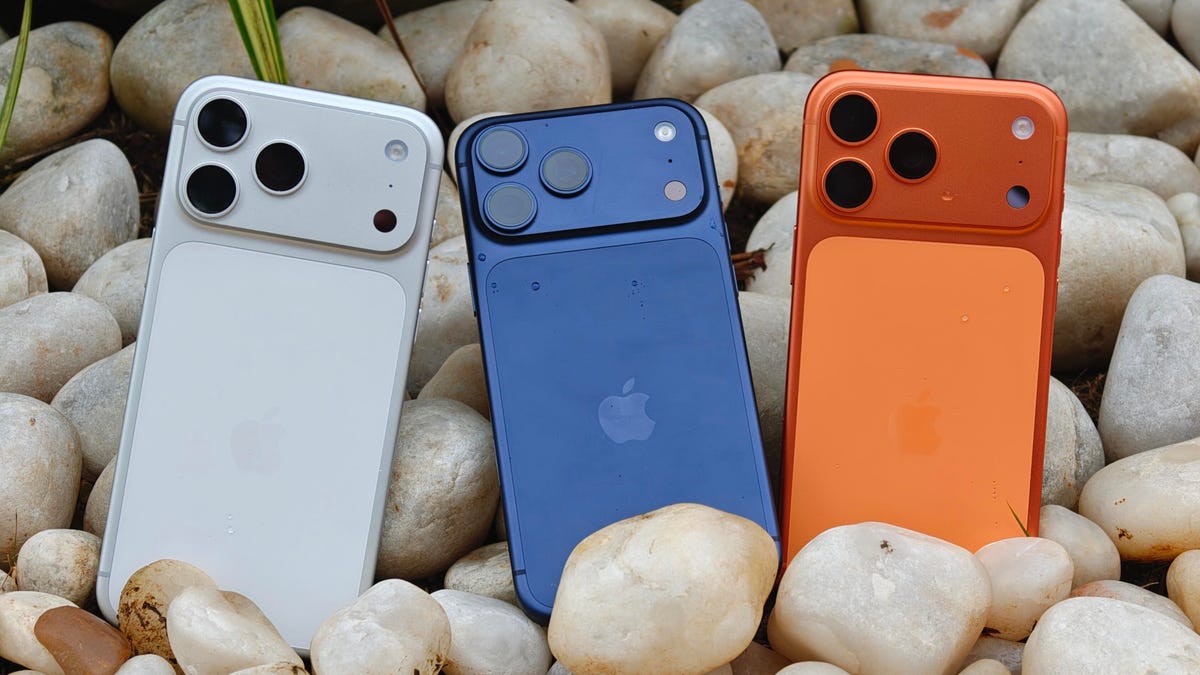
I was keen on using the Camera Control button when it first debuted on the iPhone 16 Pro. But in over a year of use, it caused more accidental swipes and presses than its intended use cases to take photos and adjust camera settings. I was frustrated with the experience and hoped that Apple would remove it from the iPhone 17 lineup. Instead, the Cupertino, California-based company made its touch-sensitive capacitive control surface more customizable with iOS 26. And I’m happy to report that it helped!
I’ve been using the iPhone 17 Pro since launch and spent 5 to 10 minutes customizing the Camera Control to my liking. The result? Minimized accidental swipes and more conscious usability.
I transformed my Camera Control experience by changing a few iOS 26 settings
When setting up a new iOS 26-supported iPhone, Apple includes a toggle (now turned off by default) called Light press to adjust Zoom, Exposure and more. This is what used to cause a lot of fake input earlier. I’m glad it is turned off by default.
Apple now also lets you customize the Camera Control further from the Settings menu. I tweaked settings there to personalize my shortcuts, functionalities and more.
For example, I’ve set the Camera Control to launch a Code Scanner on Double Click without requiring the screen to be on. This allows me to scan and pay at payment kiosks (my most frequently used mode of payment) without needing to open the payment app and then tap on a menu to scan a code. If I enter the Code Scanner without Face ID, it requires authentication before making the payment, so it is still as secure as ever.
Earlier, I had set an Action Button shortcut to open Google Pay, but I realized I still need a one-press solution to turn the phone to silent mode. Adding a Code Scanner shortcut to Camera Control frees the Action Button to be my Silent Switch again. Moreover, Code Scanner lets you select from multiple apps to pay a vendor, which could be useful for people who use multiple payment apps.
Secondly, I have turned off the Swipe gesture and selected only three controls that I use most often. Now, when I open the Camera app, I can lightly press on the Camera Control button and then swipe between my selected controls. It doesn’t register swipes from the get-go. This has reduced fake touches and my frustrating experience with the swipe gesture.
To further streamline my controls, I chose Exposure, Styles and Tone, and left out Depth, Zoom and Cameras. This way, I have access to hidden viewfinder settings with a single press-and-swipe gesture at my fingertips.
I also turned off the Clean Preview toggle, so I can still switch between cameras with a single tap, and switched on the Lock Focus and Exposure toggle for a light press-and-hold gesture.
Customizing these settings helped me personalize Camera Control and use it more often. Now, it appeals to me with the settings I need and the way I need them, instead of being an overcrowded mess. And you can personalize your Camera Control, too. Here’s how:
Change Camera Control launch functionality
You can use Camera Control as another Action Button to launch an app of your choice. The only requirement is that the app should have access to the camera.
- Go to Settings > Camera > Camera Control.
- Under Launch Camera, select the app you need.
- Go back and select Single Click or Double Click to open the said app.
I rely on Double Click so I don’t accidentally trigger an app when taking out the iPhone from my pocket. In my opinion, it is the safer and more convenient choice.
Under the same Launch Camera menu, you can also choose if you want the screen to be on or off when opening the app. I have turned it off to save the extra step of scanning my face to access the said app.
Choose the Controls that you want to appear on Camera Control
Apple allows you to choose from six controls, namely, Exposure, Depth, Zoom, Cameras, Styles and Tone. I have chosen three because the other three are available as on-screen toggles in the viewfinder.
- Go to Settings > Camera > Camera Control.
- Under Controls, make sure Camera Adjustments is turned on.
- Tap on Customize.
- Under Gesture, turn on Light Press and toggle off Swipe.
- Under Controls, choose the functionalities you need.
- Now, turn off the Clean Preview toggle if you require the viewfinder toggles to remain accessible.
You can further adjust the Camera Control pressure by going into Settings> Camera > Camera Control > Accessibility.
Turn on Lock Exposure and Focus with Camera Control
This setting will help you lock the exposure and focus without needing to press and hold on the viewfinder. It can be beneficial when you need consistent settings, especially when moving the camera from one subject to another.
- Go to Settings > Camera > Camera Control.
- Swipe down to Lock Exposure and Focus.
- Tap on the toggle to turn it on.
For me, Camera Control was a hot mess when it debuted last year because I was either using on-screen controls or the new button. That’s why room for more personalization and customizability has been a game-changer. I realized I could access on-screen toggles while adding hidden settings to one-tap access. On my iPhone 17 Pro, I now use the Camera Control to open my payments app, adjust Exposure and Styles as well as trigger Visual Intelligence when needed.
-
 Technologies3 года ago
Tech Companies Need to Be Held Accountable for Security, Experts Say
-
 Technologies3 года ago
Best Handheld Game Console in 2023
-
 Technologies3 года ago
Tighten Up Your VR Game With the Best Head Straps for Quest 2
-
 Technologies4 года ago
Verum, Wickr and Threema: next generation secured messengers
-
 Technologies4 года ago
Black Friday 2021: The best deals on TVs, headphones, kitchenware, and more
-
 Technologies4 года ago
Google to require vaccinations as Silicon Valley rethinks return-to-office policies
-
 Technologies4 года ago
Olivia Harlan Dekker for Verum Messenger
-
 Technologies4 года ago
iPhone 13 event: How to watch Apple’s big announcement tomorrow


