

Technologies
We’re All Stressed, and Your Next Wearable Will Know It
Your wellbeing was a big focus at CES. Companies showed off smartwatches and fitness bands aimed at tracking your mental health.

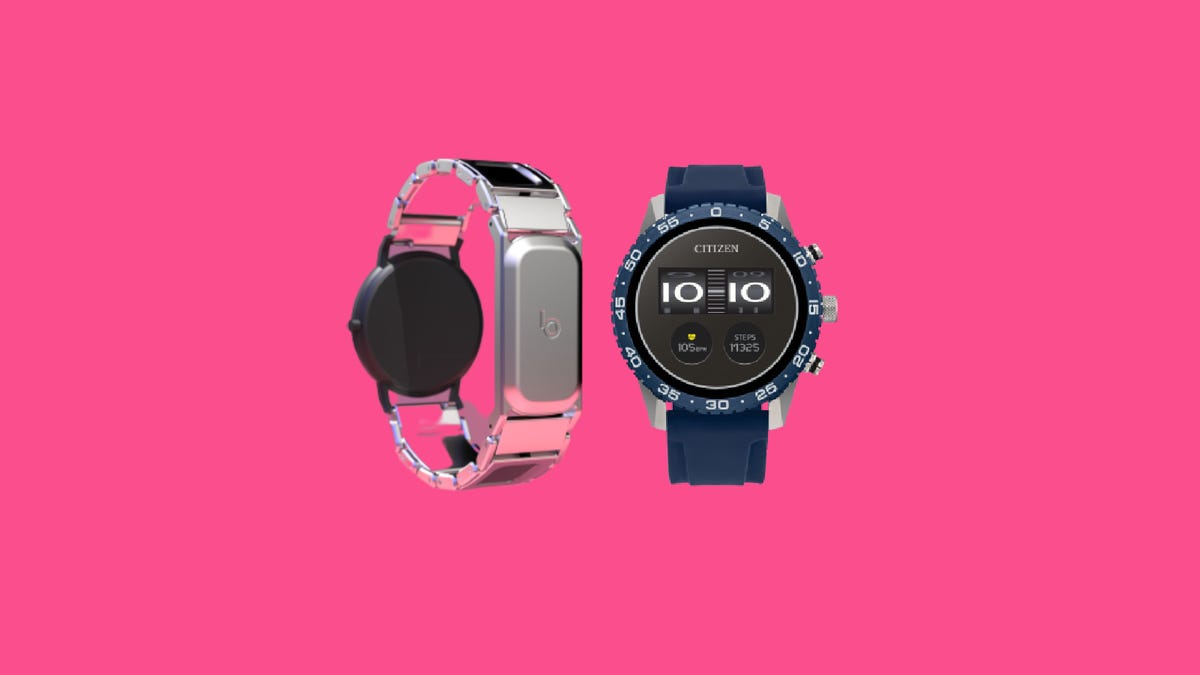
Wearables can already track a dizzying number of bodily statistics, from heart rate to blood oxygen levels and skin temperature. If the new devices shown at CES 2023 are any indication, the next wave of smartwatches and wristbands aim to gain a better understanding of your alertness, fatigue and stress levels, too.
Watchmaker Citizen and smaller brands like BHeart and Nowatch have all announced new wearables that claim to pay close attention to your mental wellbeing. The shift toward stress tracking isn’t necessarily new, as I wrote in September when covering Fitbit’s Sense 2 and the Happy Ring. But the announcements at CES suggest that tech companies are interested in monitoring other factors that play into mental wellness.
The launches come as stress has been on the rise in the US because of factors like political divisiveness and inflation in addition to the pandemic, according to a survey conducted by the Harris Poll on behalf of the American Psychological Association.
«Modern life was hard enough with constant technology and ever-present communication and the pace of life,» Dr. Debra Kissen, CEO of the Light On Anxiety Treatment Center, which specializes in cognitive behavioral therapy services, previously said to CNET. «And then throw in a pandemic, and I think it really brought mental health concerns that were always there undeniably to the surface.»
This recent interest in exploring the link between physical and mental wellness also comes as annual smartwatch upgrades aren’t as pivotal as they used to be. Now that smartwatches have matured and the problems that plagued early devices have been addressed, companies large and small are searching for what’s next.
Citizen says its CZ Smart watch can gauge alertness and fatigue
Citizen says its new CZ Smart watch uses tools built based on research from the NASA Ames Research Center Fatigue Countermeasures Laboratory to assess fatigue and alertness levels. One of the biggest features that separates it from other wearables is its Alert Score, which it generates after you take the Alert Monitor test in Citizen’s YouQ wellness app. That test is based on the Psychomotor Vigilance Test that NASA has used to assess astronauts’ alertness.
The watch also wants to help you understand whether you’re a morning or evening person by analyzing your sleep patterns and Alert Scores. The overall goal is to combine these readings with more traditional metrics like heart rate and activity to make suggestions about how to address fatigue and increase your alertness. The «casual» finish starts at $350 (roughly 290, AU$520), while the «sport» edition starts at $375.
The BHeart band is a stress tracker you can attach to a regular watch
Health tech company Baracoda’s BHeart band grabbed headlines for its self-charging design that the company claims uses motion, body heat and sunlight to power itself. But the wristband is also another example of a new wearable attempting to provide mental health insights in addition to tracking physical metrics.
It claims to calculate stress management readings using heart rate variability. The app may suggest that users take a walk or do some yoga to relax based on those readings. Since it’s a watch band and not an actual watch, you can also wear the BHeart strap with any standard watch that has a lug width of 18 to 22 centimeters. The band starts at $100 and launches in April.
The Nowatch claims to estimate stress and cognitive performance
If you couldn’t tell from the name alone, the Nowatch isn’t a watch. It’s a screenless wellness tracker that claims to measure stress and cognitive performance.
The company worked with Philips on sensors that can measure electrodermal activity — or changes in sweat — to estimate stress levels. Fitbit uses similar technology in its Sense and Sense 2 devices. Users can also press the crown on their watch to mark specific stressful moments so that the watch can log it within the app. That sounds a bit different than Fitbit’s approach with the Sense 2, which can automatically flag potential signs of stress in addition to performing on-demand stress readings.
But one of the Nowatch’s more unique offerings is its Predicted Cognitive Zone feature, which the company says can provide insight on the wearer’s cognitive performance based on their physical state.
The Nowatch starts at $499, although the company is temporarily selling it for $369 until Jan. 9.
The next step for wearables
It took years for smartwatches, smart rings and fitness bands to turn sleep and activity data into meaningful insights that actually feel useful. Now, companies are seemingly setting their sights on addressing other factors that impact our health like stress, burnout and lack of sleep.
In addition to the new devices at CES, Fitbit debuted the second generation of its Sense smartwatch last fall — which doubles down on the stress tracking tech it introduced in the first model. Polar also announced the Ignite 3 watch in November, which claims to pinpoint the time of day in which you’ll be most alert based on your sleep cycles. Biogen announced in 2021 that it was collaborating with Apple on a research study to investigate the role that the Apple Watch and iPhone could play in monitoring cognitive performance.
Of course, it’s important to remember that these are just claims for now. It’s impossible to know whether these tools are accurate or useful without using them. The devices also arrive at a time when there’s increased awareness and scrutiny over the amount of data that tech devices gather about their users.
Dr. Charles A. Odonkor, assistant professor at the Yale University School of Medicine, also previously told CNET that changes in bodily markers like heart rate, perspiration and blood pressure may not always indicate stress and could be a sign of other conditions.
Still, the arrival of devices like these suggest that the next frontier for wearables could be about much more than just motivating you to hit the gym.
Technologies
Spotify Launches ‘About the Song’ Beta to Reveal Stories Behind the Music
The stories are told on swipeable cards as you listen to the song.
Did you know Chappell Roan drew inspiration for her hit song Pink Pony Club from The Pink Cadillac, the name of a hot-pink strip club in her Missouri hometown? Or that Fountains of Wayne’s song Stacy’s Mom was inspired by a confessed crush a friend had on the late co-founder Adam Schlesinger’s grandmother?
If you’re a fan of knowing juicy little tidbits about popular songs, you might find more trivia in About the Song, a new feature from streaming giant Spotify that’s kind of like the old VH1 show Pop-Up Video.
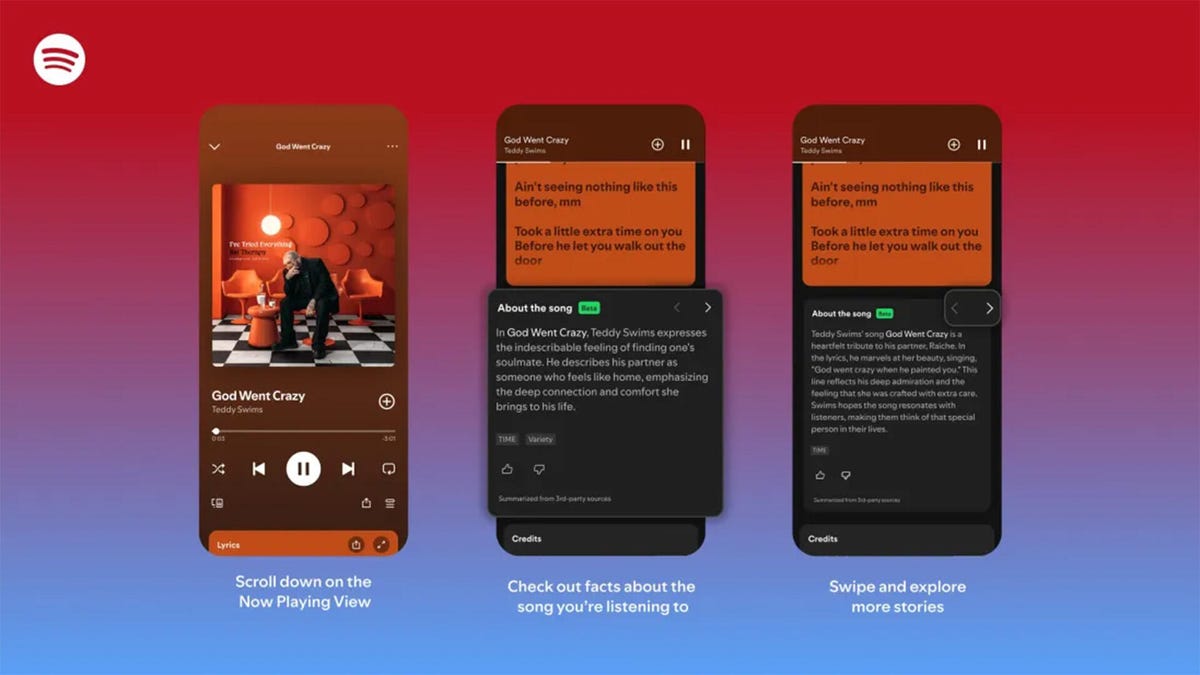
About the Song is available in the US, UK, New Zealand and Australia, initially for Spotify Premium members only. It’s only on certain songs, but it will likely keep rolling out to more music. Music facts are sourced from a variety of websites and summarized by AI, and appear below the song’s lyrics when you’re playing a particular song.
«Music fans know the feeling: A song stops you in your tracks, and you immediately want to know more. What inspired it, and what’s the meaning behind it? We believe that understanding the craft and context behind a song can deepen your connection to the music you love,» Spotify wrote in a blog post.
While this version of the feature is new, it’s not the first time Spotify has featured fun facts about the music it plays. The streaming giant partnered with Genius a decade ago for Behind the Lyrics, which included themed playlists with factoids and trivia about each song. Spotify kept this up for a few years before canceling due to multiple controversies, including Paramore’s Hayley Williams blasting Genius for using inaccurate and outdated information.
Spotify soon started testing its Storyline feature, which featured fun facts about songs in a limited capacity for some users, but was never released as a central feature.
About the Song is the latest in a long string of announcements from Spotify, including a Page Match feature that lets you seamlessly switch to an audiobook from a physical book, and an AI tool that creates playlists for you. Spotify also recently announced that it’ll start selling physical books.
How to use About the Song
If you’re a Spotify Premium user, the feature should be available the next time you listen to music on the app.
- Start listening to any supported song.
- Scroll down past the lyrics preview box to the About the Song box.
- Swipe left and right to see more facts about the song.
I tried this with a few tracks, and was pleased to learn that it doesn’t just work for the most recent hits. Spotify’s card for Metallica’s 1986 song Master of Puppets notes the song’s surge in popularity after its cameo in a 2022 episode of Stranger Things. The second card discusses the band’s album art for Master of Puppets and how it was conceptualized.
To see how far support for the feature really went, I looked up a few tracks from off the beaten path, like NoFX’s The Decline and Ice Nine Kills’ Thank God It’s Friday. Spotify supported every track I personally checked.
There does appear to be a limit to the depth of the fun facts, which makes sense since not every song has a complicated story. For those songs, Spotify defaults to trivia about the album that features the music or an AI summary of the lyrics and what they might mean.
Technologies
Today’s NYT Connections: Sports Edition Hints and Answers for Feb. 7, #502
Here are hints and the answers for the NYT Connections: Sports Edition puzzle for Feb. 7, No. 502.
Looking for the most recent regular Connections answers? Click here for today’s Connections hints, as well as our daily answers and hints for The New York Times Mini Crossword, Wordle and Strands puzzles.
Today’s Connections: Sports Edition features a fun batch of categories. The purple one requires you to find hidden words inside some of the grid words, but they’re not too obscure. If you’re struggling with today’s puzzle but still want to solve it, read on for hints and the answers.
Connections: Sports Edition is published by The Athletic, the subscription-based sports journalism site owned by The Times. It doesn’t appear in the NYT Games app, but it does in The Athletic’s own app. Or you can play it for free online.
Read more: NYT Connections: Sports Edition Puzzle Comes Out of Beta
Hints for today’s Connections: Sports Edition groups
Here are four hints for the groupings in today’s Connections: Sports Edition puzzle, ranked from the easiest yellow group to the tough (and sometimes bizarre) purple group.
Yellow group hint: Golden Gate.
Green group hint: It’s «Shotime!»
Blue group hint: Same first name.
Purple group hint: Tweak a team name.
Answers for today’s Connections: Sports Edition groups
Yellow group: Bay Area teams.
Green group: Associated with Shohei Ohtani.
Blue group: Coaching Mikes.
Purple group: MLB teams, with the last letter changed.
Read more: Wordle Cheat Sheet: Here Are the Most Popular Letters Used in English Words
What are today’s Connections: Sports Edition answers?
The yellow words in today’s Connections
The theme is Bay Area teams. The four answers are 49ers, Giants, Sharks and Valkyries.
The green words in today’s Connections
The theme is associated with Shohei Ohtani. The four answers are Decoy, Dodgers, Japan and two-way.
The blue words in today’s Connections
The theme is coaching Mikes. The four answers are Macdonald, McCarthy, Tomlin and Vrabel.
The purple words in today’s Connections
The theme is MLB teams, with the last letter changed. The four answers are Angelo (Angels), Cuba (Cubs), redo (Reds) and twine (Twins).
Technologies
Today’s NYT Mini Crossword Answers for Saturday, Feb. 7
Here are the answers for The New York Times Mini Crossword for Feb. 7
Looking for the most recent Mini Crossword answer? Click here for today’s Mini Crossword hints, as well as our daily answers and hints for The New York Times Wordle, Strands, Connections and Connections: Sports Edition puzzles.
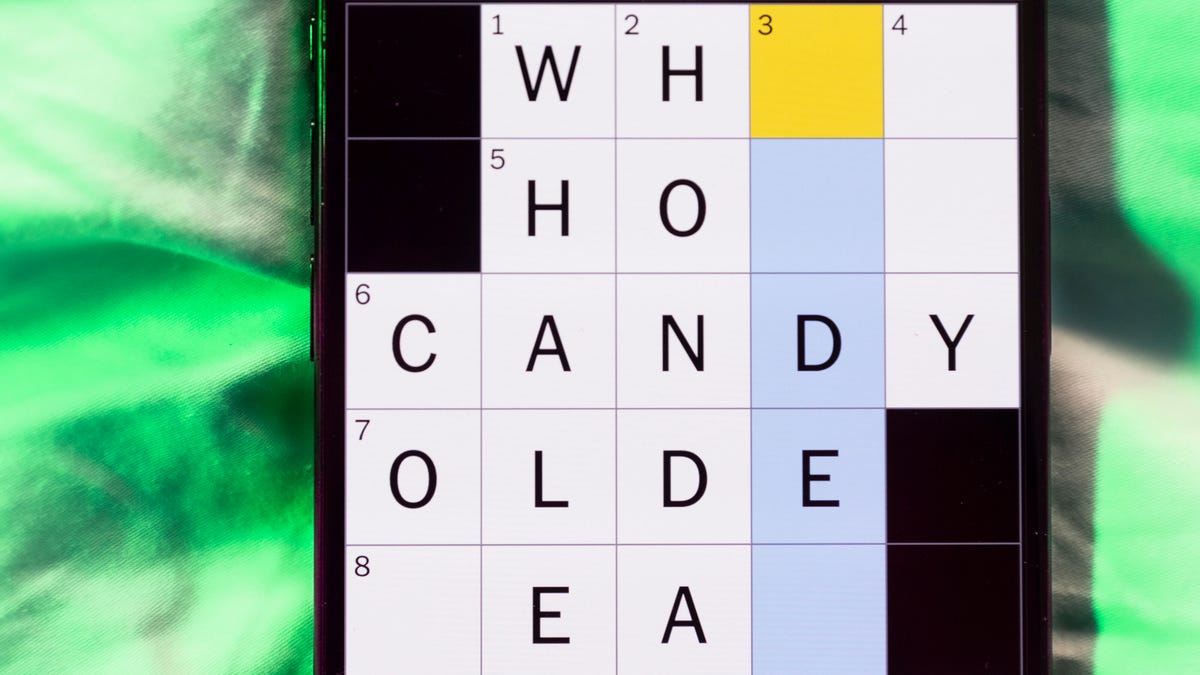
Need some help with today’s Mini Crossword? It’s Saturday, so it’s a long one, and a few of the clues are tricky. Read on for all the answers. And if you could use some hints and guidance for daily solving, check out our Mini Crossword tips.
If you’re looking for today’s Wordle, Connections, Connections: Sports Edition and Strands answers, you can visit CNET’s NYT puzzle hints page.
Read more: Tips and Tricks for Solving The New York Times Mini Crossword
Let’s get to those Mini Crossword clues and answers.
Mini across clues and answers
1A clue: Lock lips
Answer: KISS
5A clue: Italian author of «Inferno,» «Purgatorio» and «Paradiso»
Answer: DANTE
6A clue: Cerebral ___ (part of the brain)
Answer: CORTEX
7A clue: Leave home with a stuffed pillowcase as luggage, perhaps
Answer: RUNAWAY
8A clue: No more for me, thanks»
Answer: IMGOOD
9A clue: Fancy fabrics
Answer: SILKS
10A clue: Leg joint
Answer: KNEE
Mini down clues and answers
1D clue: Bars sung in a bar
Answer: KARAOKE
2D clue: How the animals boarded Noah’s Ark
Answer: INTWOS
3D clue: Stand in good ___
Answer: STEAD
4D clue: Smokin’ hot
Answer: SEXY
5D clue: Computer attachment
Answer: DONGLE
6D clue: Yotam Ottolenghi called it «the one spice I could never give up»
Answer: CUMIN
7D clue: Hazard
Answer: RISK
-
 Technologies3 года ago
Tech Companies Need to Be Held Accountable for Security, Experts Say
-
 Technologies3 года ago
Best Handheld Game Console in 2023
-
 Technologies3 года ago
Tighten Up Your VR Game With the Best Head Straps for Quest 2
-
 Technologies4 года ago
Black Friday 2021: The best deals on TVs, headphones, kitchenware, and more
-
 Technologies5 лет ago
Google to require vaccinations as Silicon Valley rethinks return-to-office policies
-
 Technologies5 лет ago
Verum, Wickr and Threema: next generation secured messengers
-
 Technologies4 года ago
Olivia Harlan Dekker for Verum Messenger
-
 Technologies4 года ago
iPhone 13 event: How to watch Apple’s big announcement tomorrow


