

Technologies
Save on Streaming TV in 2023 With These Simple Tricks
From rotating streaming services to signing up for deals, here are all the ways to save on streaming in the new year.

This story is part of 12 Days of Tips, helping you make the most of your tech, home and health during the holiday season.
If you’re a part of the 56% of Americans impacted by inflation, cost-cutting in the new year is on your list of 2023 resolutions. One way to do so? Consider your streaming subscriptions. Crunching numbers for your streaming subscriptions could leave you with the realization you’re spending $500 per year or more. But this is one set of expenses you can easily tweak.
Here’s the scenario: You’re subscribed to multiple streaming services, you watch one or two of them until your favorite series ends its seasonal run, then look for the next thing. But is it worth keeping all those accounts active if you’re not watching anything on them? I don’t think so.


Take a look at this money-saving strategy to help you tame your streaming costs.
Read more: Best Live TV Streaming Service for Cord Cutting in 2023
Rotate your streaming services
Dumping cable for good and switching to streaming is a crafty money move for cord-cutters. Because you’re able to sign up for monthly plans, it’s easy to jump into a streaming service and jump out when prices increase or content dries up. But according to Deloitte’s 2022 Media Trends report, the main reasons people cancel their streaming subscriptions are because of costs and lack of fresh content. Media companies call this behavior «churn.» We’re calling this the rotation method, and you should try it.
The incentive? You save your coins and avoid content droughts. Let’s say a popular title like The Last of Us or Willow is set to premiere on a service. Find the total episode count and wait until they’re all available at once on a platform. You cancel HBO Max, Disney Plus or other service and then, once all the episodes are available, resubscribe to catch up. Alternatively, you can start streaming a show midseason to cut costs. My monthly guide on which streaming services to cancel can help you keep up.
The downside? You won’t have immediate access to every show you want to watch and will have to wait until the full season airs. And since many streaming services release new episodes weekly, you might not be caught up at the same time as your friends. If you’re someone who prefers to watch episodes immediately when they drop, you may decide it’s worth it to have multiple subscriptions at a time. If you have patience, however, you can save some money.
The strategy can also work if you have a live TV streaming service to watch a particular sport or major event like the Super Bowl. Once the season wraps, cancel the service or move to a cheaper platform with fewer channels, like Sling TV.
Read more: Best Streaming Device for 2023: Picks From Roku, Google, Amazon and Apple
Tip No. 1: Cancel your subscription before getting charged
Set calendar reminders for your billing cycle and upcoming TV show or movie release dates. Give yourself enough warning to begin or end a subscription. Apps such as JustWatch, V Time and Hobi help you track when and where TV shows and movies appear on a streaming service. And JustWatch recently added a tracker specifically for sports. If you have a smart home device from Google or Amazon, you can set reminders for specific dates and allow a voice assistant like Alexa to notify you of an upcoming bill or streaming release date.
Tip No. 2: Sign up for streaming service deals
Look for discounts on streaming services. For example, Starz is now $3 per month for three months, a drop from its regular $9-a-month rate. You can also take advantage of the Disney Bundle, which provides access to Disney Plus, Hulu and ESPN Plus in a single package for a reduced price. And eligible Hulu subscribers can add on Disney Plus for $2. Lastly, be sure to check with your mobile carrier to see which ones offer free streaming subscriptions.
Read more: Best Streaming Service Deals From Verizon, AT&T and T-Mobile
Tip No. 3: Pick one or two default streaming services
Subscribe to one or two must-have services for the year, and select only one or two more options to fit your monthly budget. Rotate the bonus service(s) according to what you want to watch, ensuring you don’t miss your favorite shows while sticking to your monthly spending cap.
Tip No. 4: Use monthly billing only
Avoid annual subscriptions and pay attention to your auto-renewal payment dates. Your billing cycle can help determine when it’s the best time to quit a service, even if you’ve only signed up for a free trial. The only advantage to signing up for an annual plan is when the price is drastically cut down.
Tip No. 5: Don’t cancel your subscription, pause it
Hulu allows you to pause your subscription for up to 12 weeks, and Sling has a similar option with stipulations. Check with your streaming provider to see if you can take a temporary break without canceling.
Give it a shot, and if you don’t like it you can always resubscribe. For more excellent tips on streaming TV, check out this guide to Netflix’s hidden tricks and our tips on the best VPNs.
More from 12 Days of Tips:
- Put an Alexa Device in Every Room of Your Home — Really. Here’s Why
- Wi-Fi Suddenly Slowing Down? This May Be the Problem
- How to Fix Your TV’s Sound Quality
Technologies
Today’s NYT Mini Crossword Answers for Tuesday, Oct. 21
Here are the answers for The New York Times Mini Crossword for Oct. 21.
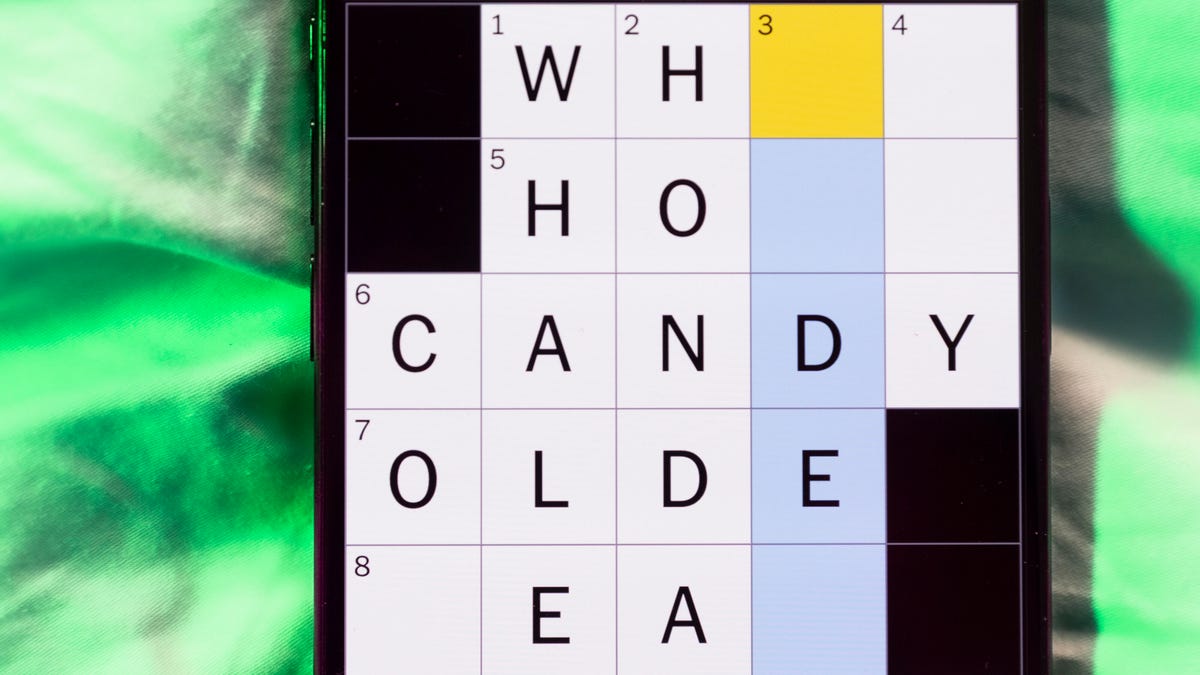
Looking for the most recent Mini Crossword answer? Click here for today’s Mini Crossword hints, as well as our daily answers and hints for The New York Times Wordle, Strands, Connections and Connections: Sports Edition puzzles.
Today’s Mini Crossword features a lot of one certain letter. Need help? Read on. And if you could use some hints and guidance for daily solving, check out our Mini Crossword tips.
If you’re looking for today’s Wordle, Connections, Connections: Sports Edition and Strands answers, you can visit CNET’s NYT puzzle hints page.
Read more: Tips and Tricks for Solving The New York Times Mini Crossword
Let’s get to those Mini Crossword clues and answers.
Mini across clues and answers
1A clue: Bone that can be «dropped»
Answer: JAW
4A clue: Late scientist Goodall
Answer: JANE
5A clue: Make critical assumptions about
Answer: JUDGE
6A clue: Best by a little
Answer: ONEUP
7A clue: Mercury, Jupiter, Saturn, etc.
Answer: GODS
Mini down clues and answers
1D clue: Just kind of over it
Answer: JADED
2D clue: Beef cattle breed
Answer: ANGUS
3D clue: Shed tears
Answer: WEEP
4D clue: 2007 comedy-drama starring Elliot Page and Michael Cera
Answer: JUNO
5D clue: Refresh, as one’s memory
Answer: JOG
Technologies
Wikipedia Says It’s Losing Traffic Due to AI Summaries, Social Media Videos
The popular online encyclopedia saw an 8% drop in pageviews over the last few months.
Wikipedia has seen a decline in users this year due to artificial intelligence summaries in search engine results and the growing popularity of social media, according to a blog post Friday from Marshall Miller of the Wikimedia Foundation, the organization that oversees the free online encyclopedia.
Don’t miss any of our unbiased tech content and lab-based reviews. Add CNET as a preferred Google source.
In the post, Miller describes an 8% drop in human pageviews over the last few months compared with the numbers Wikipedia saw in the same months in 2024.
«We believe that these declines reflect the impact of generative AI and social media on how people seek information, especially with search engines providing answers directly to searchers, often based on Wikipedia content,» Miller wrote.
Blame the bots
AI-generated summaries that pop up on search engines like Bing and Google often use bots called web crawlers to gather much of the information that users read at the top of the search results.
Websites do their best to restrict how these bots handle their data, but web crawlers have become pretty skilled at going undetected.
«Many bots that scrape websites like ours are continually getting more sophisticated and trying to appear human,» Miller wrote.
After reclassifying Wikipedia traffic data from earlier this year, Miller says the site «found that much of the unusually high traffic for the period of May and June was coming from bots built to evade detection.»
The Wikipedia blog post also noted that younger generations are turning to social-video platforms for their information rather than the open web and such sites as Wikipedia.
When people search with AI, they’re less likely to click through
There is now promising research on the impact of generative AI on the internet, especially concerning online publishers with business models that rely on users visiting their webpages.
(Disclosure: Ziff Davis, CNET’s parent company, in April filed a lawsuit against OpenAI, alleging it infringed Ziff Davis copyrights in training and operating its AI systems.)
In July, Pew Research examined browsing data from 900 US adults and found that the AI-generated summaries at the top of Google’s search results affected web traffic. When the summary appeared in a search, users were less likely to click on links compared to when the search results didn’t include the summaries.
Google search is especially important, because Google.com is the world’s most visited website — it’s how most of us find what we’re looking for on the internet.
«LLMs, AI chatbots, search engines and social platforms that use Wikipedia content must encourage more visitors to Wikipedia, so that the free knowledge that so many people and platforms depend on can continue to flow sustainably,» Miller wrote. «With fewer visits to Wikipedia, fewer volunteers may grow and enrich the content, and fewer individual donors may support this work.»
Last year, CNET published an extensive report on how changes in Google’s search algorithm decimated web traffic for online publishers.
Technologies
OpenAI Says It’s Working With Actors to Crack Down on Celebrity Deepfakes in Sora
Bryan Cranston alerted SAG-AFTRA, the actors union, when he saw AI-generated videos of himself made with the AI video app.
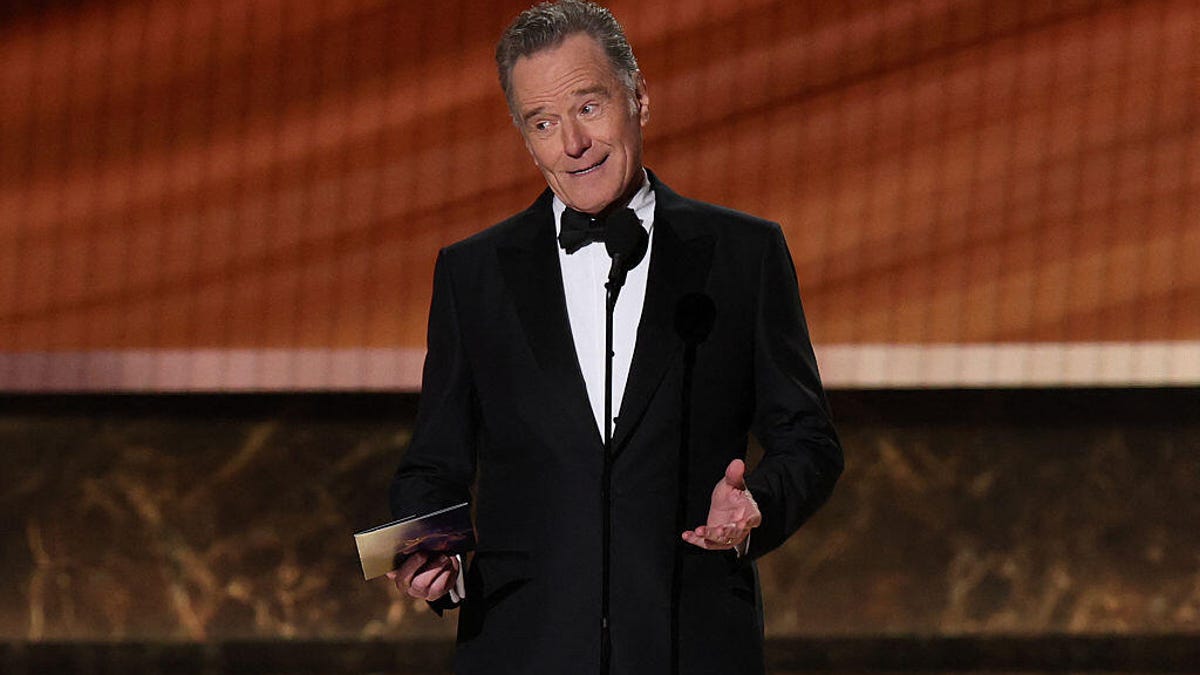
OpenAI said Monday it would do more to stop users of its AI video generation app Sora from creating clips with the likenesses of actors and other celebrities after actor Bryan Cranston and the union representing film and TV actors raised concerns that deepfake videos were being made without the performers’ consent.
Actor Bryan Cranston, the Screen Actors Guild-American Federation of Television and Radio Artists (SAG-AFTRA) and several talent agencies said they struck a deal with the ChatGPT maker over the use of celebrities’ likenesses in Sora. The joint statement highlights the intense conflict between AI companies and rights holders like celebrities’ estates, movie studios and talent agencies — and how generative AI tech continues to erode reality for all of us.
Sora, a new sister app to ChatGPT, lets users create and share AI-generated videos. It launched to much fanfare three weeks ago, with AI enthusiasts searching for invite codes. But Sora is unique among AI video generators and social media apps; it lets you use other people’s recorded likenesses to place them in nearly any AI video. It has been, at best, weird and funny, and at worst, a never-ending scroll of deepfakes that are nearly indistinguishable from reality.
Cranston noticed his likeness was being used by Sora users when the app launched, and the Breaking Bad actor alerted his union. The new agreement with the actors’ union and talent agencies reiterates that celebrities will have to opt in to having their likenesses available to be placed into AI-generated video. OpenAI said in the statement that it has «strengthened the guardrails around replication of voice and likeness» and «expressed regret for these unintentional generations.»
OpenAI does have guardrails in place to prevent the creation of videos of well-known people: It rejected my prompt asking for a video of Taylor Swift on stage, for example. But these guardrails aren’t perfect, as we’ve saw last week with a growing trend of people creating videos featuring Rev. Martin Luther King Jr. They ranged from weird deepfakes of the civil rights leader rapping and wrestling in the WWE to overtly racist content.
Don’t miss any of our unbiased tech content and lab-based reviews. Add CNET as a preferred Google source.
The flood of «disrespectful depictions,» as OpenAI called them in a statement on Friday, is part of why the company paused the ability to create videos featuring King.
Statement from OpenAI and King Estate, Inc.
The Estate of Martin Luther King, Jr., Inc. (King, Inc.) and OpenAI have worked together to address how Dr. Martin Luther King Jr.’s likeness is represented in Sora generations. Some users generated disrespectful depictions of Dr.…— OpenAI Newsroom (@OpenAINewsroom) October 17, 2025
Bernice A. King, his daughter, last week publicly asked people to stop sending her AI-generated videos of her father. She was echoing comedian Robin Williams’ daughter, Zelda, who called these sorts of AI videos «gross.»
I concur concerning my father.
Please stop. #RobinWilliams #MLK #AI https://t.co/SImVIP30iN— Be A King (@BerniceKing) October 7, 2025
OpenAI said it «believes public figures and their families should ultimately have control over how their likeness is used» and that «authorized representatives» of public figures and their estates can request that their likeness not be included in Sora. In this case, King’s estate is the entity responsible for choosing how his likeness is used.
This isn’t the first time OpenAI has leaned on others to make those calls. Before Sora’s launch, the company reportedly told a number of Hollywood-adjacent talent agencies that they would have to opt out of having their intellectual property included in Sora. But that initial approach didn’t square with decades of copyright law — usually, companies need to license protected content before using it — and OpenAI reversed its stance a few days later. It’s one example of how AI companies and creators are clashing over copyright, including through high-profile lawsuits.
(Disclosure: Ziff Davis, CNET’s parent company, in April filed a lawsuit against OpenAI, alleging it infringed Ziff Davis copyrights in training and operating its AI systems.)
-
 Technologies3 года ago
Tech Companies Need to Be Held Accountable for Security, Experts Say
-
 Technologies3 года ago
Best Handheld Game Console in 2023
-
 Technologies3 года ago
Tighten Up Your VR Game With the Best Head Straps for Quest 2
-
 Technologies4 года ago
Verum, Wickr and Threema: next generation secured messengers
-
 Technologies4 года ago
Black Friday 2021: The best deals on TVs, headphones, kitchenware, and more
-
 Technologies4 года ago
Google to require vaccinations as Silicon Valley rethinks return-to-office policies
-
 Technologies4 года ago
Olivia Harlan Dekker for Verum Messenger
-
 Technologies4 года ago
iPhone 13 event: How to watch Apple’s big announcement tomorrow


